
Yes, you can effectively get rid of Bermuda grass in your lawn. This guide will walk you through the best methods for Bermuda grass control, from manual removal to targeted herbicide applications, ensuring a healthier, more uniform turf.
Bermuda grass is a warm-season perennial grass known for its aggressive growth, resilience, and ability to spread rapidly via rhizomes (underground stems) and stolons (above-ground runners). While it thrives in hot weather and can create a lush, dense lawn in suitable climates, it often becomes an unwelcome invader in cooler-season grass lawns. Its coarse texture and brown dormancy in cooler months make it a stark contrast to desirable turf species like fescue or bluegrass. If you’re asking, “Can I kill Bermuda grass?” the answer is a resounding yes, but it often requires persistence and the right approach. This comprehensive guide will cover everything you need to know about killing Bermuda grass and achieving your ideal lawn.
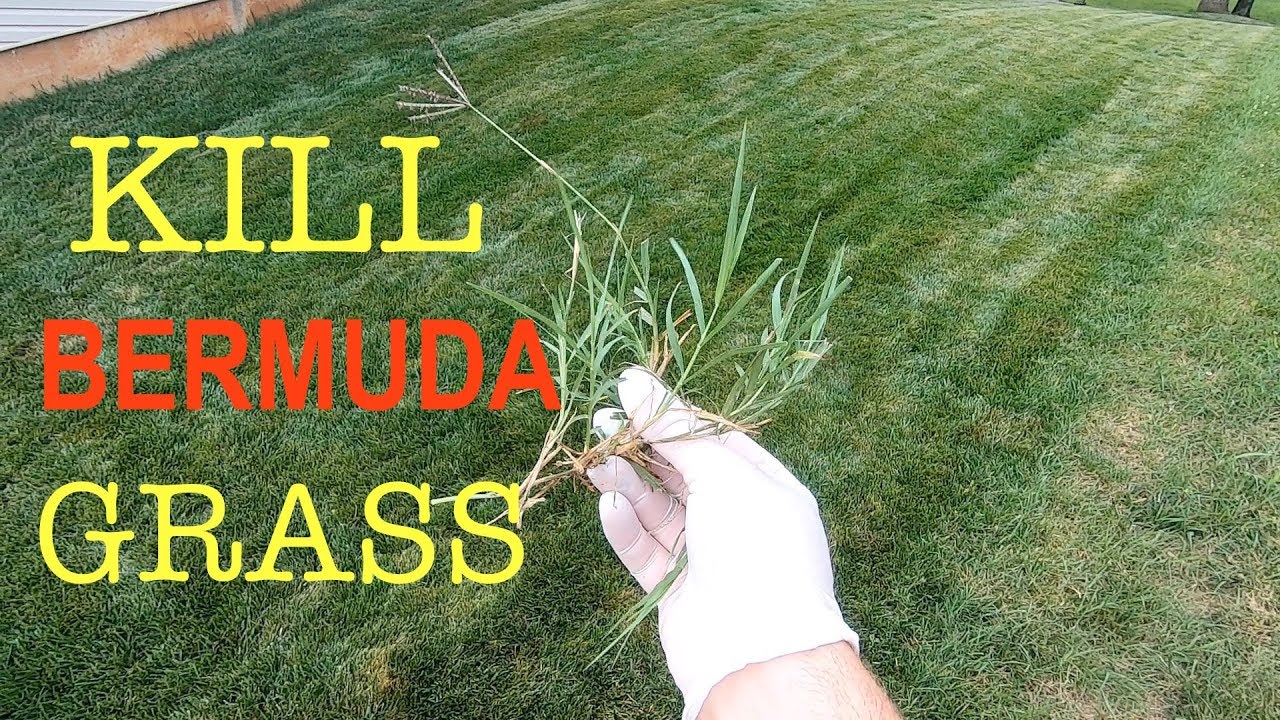
Image Source: i.ytimg.com
Identifying Bermuda Grass in Your Lawn
Before you can effectively tackle Bermuda grass, you need to be sure it’s what you’re dealing with. Identifying it correctly ensures you use the most appropriate Bermuda grass removal strategies.
Key Characteristics of Bermuda Grass:
- Leaf Blades: Bermuda grass has fine, narrow leaf blades, typically 1/8 to 3/16 inches wide. The blades are often pointed at the tip.
- Color: During the growing season, it’s typically a vibrant green. However, it turns a distinct brown when it goes dormant in cooler temperatures. This dormancy is a key indicator, especially if your other desirable grasses remain green.
- Texture: It often feels somewhat rough or hairy, especially on the underside of the leaf blade and around the ligule (the point where the leaf blade meets the sheath).
- Growth Habit: This is where Bermuda grass truly shows its persistent nature. It spreads aggressively using two types of runners:
- Rhizomes: These are underground stems that anchor the plant and allow it to spread horizontally beneath the soil surface.
- Stolons: These are above-ground runners that creep along the soil surface, rooting at nodes to form new plants. This is why you’ll often see patches of Bermuda grass that seem to “take over” surrounding areas.
- Seed Heads: When allowed to grow tall, Bermuda grass produces distinctive seed heads that look like small, spidery fingers or open hands. These are typically purplish and appear at the top of tall stems.
- Dormancy: As a warm-season grass, Bermuda grass goes dormant and turns brown in the fall and winter. This is a significant distinguishing factor if you have cool-season grasses that remain green during these periods.
Distinguishing Bermuda Grass from Other Lawn Weeds:
It’s important not to confuse Bermuda grass with other common lawn weeds. Some weeds might mimic its growth pattern, but often have different leaf shapes or flowering structures. For instance, crabgrass is another grassy weed that spreads, but it typically has broader leaves and a less aggressive, clumping growth habit compared to Bermuda grass’s creeping nature. Dandelions, while weeds, have distinctly different broad leaves and flowering structures. Accurate identification is the first step in successful invasive grass removal.
Why is Bermuda Grass So Difficult to Remove?
Grasping why Bermuda grass is a tenacious adversary is crucial for effective Bermuda grass control. Its very biology makes it a formidable opponent in many lawns.
- Aggressive Spreading: As mentioned, rhizomes and stolons allow it to cover ground quickly and regrow from even small fragments. These runners can extend several feet in a single growing season.
- Deep Root System: Bermuda grass develops a deep and extensive root system, enabling it to access water and nutrients from deep within the soil profile, making it drought-tolerant and hardy.
- Regrowth from Fragments: Even small pieces of rhizomes or stolons left behind after attempted removal can quickly regenerate into new plants.
- Heat and Drought Tolerance: It thrives in hot, dry conditions that stress and weaken many cool-season grasses, giving it a competitive advantage during summer months.
- Seed Production: While runners are its primary spread mechanism, viable seed production also contributes to its proliferation.
Methods for Bermuda Grass Removal
Successfully killing Bermuda grass requires a multifaceted approach. You can choose between chemical treatments, manual methods, or a combination of both. The best strategy often depends on the extent of the infestation, your lawn type, and your tolerance for different control methods.
1. Manual Bermuda Grass Removal (Digging Out Bermuda Grass)
For small infestations, manual removal can be an effective, albeit labor-intensive, method of Bermuda grass removal. This approach is particularly suitable if you are aiming for organic Bermuda grass control or want to avoid chemicals.
How to Dig Out Bermuda Grass:
- Timing: The best time to dig is when the soil is moist but not waterlogged, making it easier to extract the entire root system.
- Tools: You’ll need a sharp spade, a garden fork, and a wheelbarrow or tarp for collecting the removed grass.
- Process:
- Outline the Area: Clearly mark the perimeter of the Bermuda grass patch you intend to remove.
- Dig Deep: Insert your spade or garden fork at the edge of the patch, going as deep as possible to capture the rhizomes. You’ll want to go at least 4-6 inches deep.
- Loosen Soil: Gently loosen the soil around the roots, working your way inwards. Use the fork to lift the grass and soil.
- Remove Thoroughly: Lift out the entire clump of grass, ensuring you get as much of the root and runner system as possible. Shake off excess soil.
- Inspect for Runners: Carefully inspect the surrounding soil for any remaining rhizomes or stolons. These should also be removed.
- Dispose Properly: Bag or contain the removed Bermuda grass in a way that prevents it from re-rooting. Do not compost it unless you are certain it will reach high temperatures to kill all viable plant material.
- Backfill and Re-seed/Sod: Fill the excavated area with fresh topsoil and re-seed or sod with your desired lawn grass. Keep the new grass well-watered.
Pros of Manual Removal:
- Chemical-Free: Ideal for organic lawn care.
- Precise: Allows for targeted removal of only the unwanted grass.
- Immediate Results: You physically remove the offending plant.
Cons of Manual Removal:
- Labor-Intensive: Can be very time-consuming and physically demanding.
- Incomplete Removal: It’s very difficult to get every single root fragment, making regrowth a possibility.
- Disturbance: Creates bare patches that need immediate attention.
2. Chemical Bermuda Grass Control
When manual methods aren’t practical, chemical treatments become the go-to solution for Bermuda grass control. It’s important to choose the right type of herbicide for your situation.
Non-Selective Herbicides (e.g., Glyphosate)
Non-selective herbicides kill all plant life they come into contact with, including your desirable lawn grasses. This makes them effective for killing Bermuda grass but requires careful application and subsequent lawn repair.
When to Use Non-Selective Herbicides:
- Complete Renovation: If your lawn is heavily infested with Bermuda grass and you plan to completely renovate it.
- Spot Treatment: For isolated patches where you are willing to sacrifice a small area of desirable grass.
Application Guidelines:
- Timing: Apply when Bermuda grass is actively growing and healthy. Avoid application during periods of drought or extreme heat, as the grass may not be actively absorbing the herbicide.
- Spot Application: Use a spray bottle or a wick applicator to target only the Bermuda grass. Avoid overspray onto desirable grasses.
- Follow Instructions: Read and follow the product label carefully for dilution rates, application methods, and safety precautions.
- Re-application: Multiple applications may be necessary, spaced according to the product label, as Bermuda grass can be resilient.
- Wait Time: After application, wait for the Bermuda grass to completely die (usually 7-14 days) before removing the dead material and preparing the area for reseeding or sodding.
Selective Herbicides
Selective herbicides are designed to target specific types of plants while leaving others unharmed. This is the ideal method if you want to kill Bermuda grass within a desirable cool-season lawn without damaging the existing turf.
How Selective Herbicides Work:
Selective herbicides work by targeting specific biochemical pathways or growth processes that are present in the weed species but not in the desired species. For Bermuda grass control in cool-season lawns, products that inhibit Acetolactate Synthase (ALS) or affect pigment synthesis are often used.
Common Active Ingredients for Bermuda Grass Control:
- Quinclorac: Often found in products for crabgrass and some broadleaf weed control, it can be effective against Bermuda grass in certain turfgrasses.
- Fenoxaprop-p-ethyl: A post-emergent herbicide effective against many grassy weeds, including Bermuda grass, when used appropriately.
- Fluazifop-p-butyl: Another post-emergent herbicide that targets grassy weeds.
- Sulfonylureas (e.g., halosulfuron, sulfosulfuron): These are potent ALS inhibitors. Some formulations are specifically designed for killing Bermuda grass in certain cool-season turf types.
Important Considerations for Selective Herbicides:
- Turfgrass Tolerance: Crucially, check the product label to ensure it is safe for your specific lawn grass. Many selective herbicides that kill Bermuda grass will also damage or kill other types of grasses, including some desirable cool-season grasses. For example, a product that controls Bermuda grass in tall fescue might kill Kentucky bluegrass or perennial ryegrass.
- Application Timing: Most selective herbicides for Bermuda grass are most effective when applied during the active growing season of the Bermuda grass, typically late spring through early fall, when temperatures are consistently warm.
- Multiple Applications: Bermuda grass is a tough weed, and multiple applications, spaced according to the product label, are almost always necessary for effective Bermuda grass control.
- Environmental Factors: Application success can be influenced by temperature, moisture, and the health of both the Bermuda grass and the desirable turf.
Spot Treatment vs. Broadcast Application:
- Spot Treatment: For smaller infestations, spot treating with a selective herbicide using a pump sprayer is efficient and minimizes the amount of chemical used.
- Broadcast Application: If Bermuda grass is widespread throughout your lawn, you might consider a broadcast application using a hose-end sprayer or granular spreader, but this is only advisable if the herbicide is confirmed to be safe for your entire lawn type.
3. Organic Bermuda Grass Control
For those committed to organic Bermuda grass control, the options are more limited and often require a longer-term strategy.
Methods for Organic Bermuda Grass Control:
- Manual Removal: As described above, this is the most effective organic method, but it’s labor-intensive.
- Smothering (Solarization/Occultation): This method involves covering the infested area to block sunlight and heat up the soil.
- Solarization: Cover the Bermuda grass with clear plastic sheeting during the hottest part of the year (summer). The plastic traps heat and sunlight, “cooking” the grass and its roots. Leave in place for 4-8 weeks.
- Occultation: Cover the area with black plastic sheeting, thick cardboard, or landscape fabric. This blocks sunlight, preventing photosynthesis and eventually killing the grass. This method takes longer, potentially several months, and is more effective at killing the top growth.
- Corn Gluten Meal: While primarily known as a pre-emergent for annual weeds, some proponents suggest corn gluten meal can inhibit root development. Its effectiveness against established Bermuda grass is debated and likely minimal.
- Improve Lawn Health: A healthy, dense lawn of desirable grass is the best defense against invasive grass removal. Proper watering, fertilization, and aeration can help your desired turf outcompete Bermuda grass.
Pros of Organic Methods:
- Environmentally Friendly: No synthetic chemicals.
- Safe for Pets and Children: Once applied or completed.
Cons of Organic Methods:
- Slow: Often takes a long time to see significant results.
- Labor-Intensive: Especially manual removal.
- Less Effective for Large Infestations: Smothering can create large dead patches that need reseeding.
Strategies for Long-Term Bermuda Grass Prevention and Management
Once you’ve successfully reduced the Bermuda grass population, implementing strategies for lawn weed control and prevention is key to maintaining a healthy lawn.
1. Promote a Healthy, Dense Desirable Lawn
A thick, healthy lawn is your best defense against weeds, including Bermuda grass.
- Proper Mowing: Mow at the correct height for your grass type. Taller grass shades the soil, making it harder for weed seeds to germinate and for creeping grasses like Bermuda to establish. For cool-season grasses, this often means mowing higher than you might think (3-4 inches).
- Adequate Watering: Water deeply and infrequently to encourage deep root growth in your desirable grass. Avoid shallow, frequent watering, which can encourage shallow-rooted weeds.
- Appropriate Fertilization: Feed your lawn with the right nutrients at the right times. A well-fertilized lawn is more competitive.
- Aeration and Dethatching: Regularly aerating your lawn and dethatching (removing excess thatch) improves air circulation, water penetration, and nutrient uptake, promoting a stronger root system for your desirable grass.
2. Pre-Emergent Herbicides
Pre-emergent herbicides are applied before weed seeds germinate. While they are most commonly used for annual weeds like crabgrass, some can offer a slight suppression of Bermuda grass seedlings, though they won’t kill established Bermuda grass. They are best used as a preventative measure in conjunction with other control methods.
3. Post-Emergent Herbicides (When Necessary)
Even with a healthy lawn, occasional stray Bermuda grass plants may appear. Continue to monitor your lawn for new invasions and spot-treat as needed with appropriate selective herbicides.
4. Edging and Barriers
Prevent Bermuda grass from spreading from unwanted areas (like flower beds or neighboring properties) into your lawn by installing physical barriers. Edging a lawn with steel edging or plastic landscape edging can help prevent stolons from creeping into desirable areas.
Timeline and Expectations for Bermuda Grass Removal
Killing Bermuda grass is not a one-time event. It’s a process that requires patience and persistence.
- Initial Treatment: You will likely see results within a few weeks of applying a non-selective herbicide or after initiating manual removal. Selective herbicides may take longer, often requiring multiple applications over several months.
- Persistence: Expect to re-treat areas where Bermuda grass was previously present for at least one to two growing seasons. Rhizomes and stolons can lie dormant or regenerate from missed fragments.
- Monitoring: Regularly walk your lawn and inspect for any signs of Bermuda grass regrowth. Early detection is key to preventing a full-blown infestation from returning.
Frequently Asked Questions (FAQ)
Q1: Can I kill Bermuda grass with vinegar?
While vinegar (acetic acid) can act as a natural contact herbicide and kill the top growth of Bermuda grass, it is generally not effective for deep-rooted, spreading grasses like Bermuda. The roots and rhizomes will likely survive and regrow. For effective Bermuda grass removal, stronger methods are usually required.
Q2: How long does it take to completely get rid of Bermuda grass?
Completely eradicating Bermuda grass can take anywhere from a few months to over a year, depending on the severity of the infestation and the methods used. Persistent, repeated treatments are usually necessary because of its aggressive spreading nature.
Q3: Is it safe to use herbicides on my lawn?
When used according to the label directions, most modern herbicides are safe for use on lawns. Always wear protective gear (gloves, long sleeves, pants) and keep pets and children off the treated area until the product has dried. Read and follow all safety instructions on the product label.
Q4: Will killing Bermuda grass damage my fescue lawn?
This is a critical question! Many herbicides that kill Bermuda grass are not selective and will kill fescue (and other desirable turfgrasses) as well. You need to use selective herbicides that are specifically labeled as safe for fescue when treating Bermuda grass within a fescue lawn. Always check the product label carefully before applying any herbicide.
Q5: What is the best time of year to kill Bermuda grass?
The best time to kill Bermuda grass is when it is actively growing and healthy, which is typically in the late spring through early fall when temperatures are consistently warm. This is when it is most susceptible to herbicides and most vulnerable to manual removal.
By arming yourself with the knowledge of Bermuda grass’s characteristics and understanding the various Bermuda grass control methods available, you can effectively tackle this invasive grass and reclaim the beauty and uniformity of your lawn. Remember that consistency and vigilance are your greatest allies in this ongoing battle for a perfect turf.