
Can you bag lawn clippings? Yes, you can and often should bag lawn clippings for a tidy appearance and various reasons related to lawn health and disposal. Bagging lawn clippings involves using a grass catcher or a lawn mower bag to collect the cut grass as you mow. This practice helps maintain a neat look, prevents thatch buildup, and offers flexibility in how you handle the collected material.
Keeping your lawn looking sharp is a key part of good lawn care. One common method is bagging your grass clippings. This might seem straightforward, but there are benefits and techniques that can make this task easier and more effective. Whether you’re dealing with a lush, fast-growing lawn or just want a clean finish, knowing how to properly bag your clippings is a valuable skill.
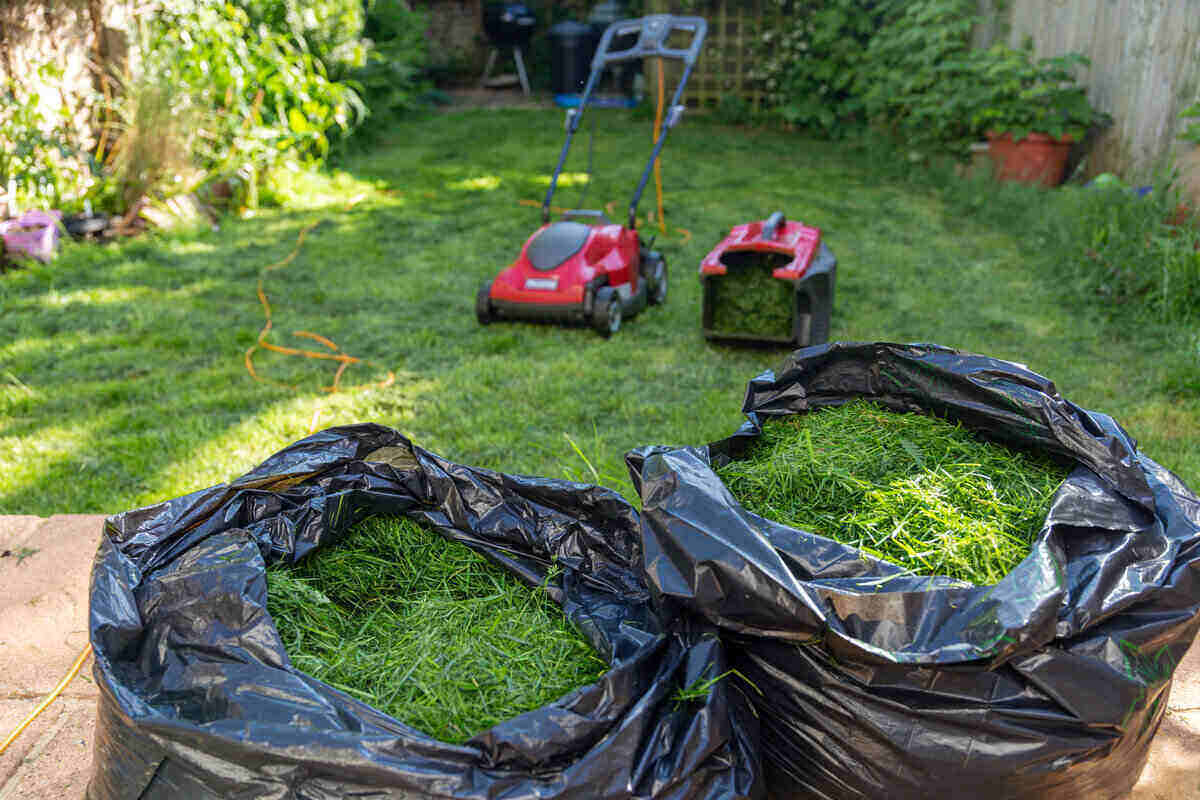
Image Source: lawnlove.com
Why Bag Your Lawn Clippings?
While many lawn care experts advocate for leaving clippings on the lawn (mulching), there are several compelling reasons to bag them:
- Aesthetics: The most obvious reason is appearance. Bagged clippings create a clean, manicured look, free from clumps of grass. This is especially important for homeowners who take pride in their yard’s appearance or have events planned.
- Thatch Prevention: Leaving too many clippings, especially long ones, can contribute to thatch. Thatch is a layer of dead and living grass stems, roots, and debris that accumulates between the green grass and the soil. A thick thatch layer can smother the grass, block sunlight, air, and water from reaching the soil, and provide a haven for pests and diseases. Bagging removes this excess material.
- Disease Control: If your grass has a fungal disease, bagging the clippings can help prevent the spread of spores. While not a foolproof method, it reduces the amount of infected material left on the lawn.
- Specific Grass Types: Some grass types, especially those that grow rapidly or produce heavy, dense clippings, might benefit from bagging to prevent matting and smothering.
- Disposal of Weeds: If you have weeds that have gone to seed, bagging the clippings prevents those seeds from being spread across your lawn and germinating later.
When Bagging is a Good Choice
- After Fertilizing: If you recently fertilized your lawn, you might want to bag the clippings to avoid over-fertilizing the grass with nitrogen-rich clippings.
- When Grass is Wet: Mowing wet grass often leads to clumping. Bagging is a better option in this scenario to keep the lawn tidy.
- High Grass: If your grass has grown exceptionally tall between mows, bagging is necessary to avoid leaving large clumps.
How to Bag Lawn Clippings: A Step-by-Step Guide
Bagging lawn clippings is a simple process that requires the right equipment and a little technique.
Step 1: Choose the Right Equipment
Your primary tool for bagging clippings is your lawn mower. Most modern lawn mowers are designed to accommodate a lawn mower bag.
-
Lawn Mower Types and Bagging:
- Rotary Mowers: These are the most common type of lawn mower. They typically have a discharge chute on the side or rear. To bag, you’ll attach a grass catcher to this chute.
- Reel Mowers: While less common for residential use, reel mowers also collect clippings, often directly into a built-in basket.
- Riding Mowers and Tractors: These often have larger mower attachments for collecting grass, sometimes in towed carts or large bags.
-
The Grass Catcher/Lawn Mower Bag:
- Material: Bags are usually made of canvas or synthetic fabric, designed to be durable and allow some air circulation to reduce moisture.
- Capacity: Bags come in various sizes. Consider the size of your lawn and how often you want to empty the bag when choosing. A larger bag means fewer stops, but it can also become heavy.
- Attachment: Ensure the bag is compatible with your mower. Most mowers have a designated attachment point for the bag.
Step 2: Prepare Your Mower
Before you start mowing, ensure your mower is ready for bagging:
- Attach the Bag: Securely attach the grass catcher to your mower according to the manufacturer’s instructions. Ensure it’s properly fitted to the discharge chute to prevent clippings from flying out.
- Check the Bag: Make sure the bag is empty and free of any holes or tears. A damaged bag won’t collect clippings effectively.
- Consider a Mulching Mower (and why it’s different): If your mower is a mulching mower, it’s designed to cut grass into very fine pieces and return them to the lawn. To bag with a mulching mower, you typically need to install a special plug or plate that blocks the mulching discharge and directs the clippings into the grass catcher. Many mowers offer a 2-in-1 (mulch and bag) or 3-in-1 (mulch, bag, and side discharge) capability, which means you can switch between modes.
Step 3: Mow with Bagging in Mind
- Mow in Straight Lines: This is standard practice for neatness, but it also helps ensure you cover the lawn evenly and efficiently collect clippings.
- Overlap Your Passes: Overlapping each pass slightly helps avoid missed strips of grass and ensures all clippings are directed towards the bag.
- Adjust Mowing Height: Don’t cut too much grass at once. Aim to remove no more than one-third of the grass blade’s length. This reduces the load on your mower and the lawn mower bag. If your grass is very tall, you might need to mow it once without bagging, then again at a lower setting with bagging.
- Monitor the Bag: Keep an eye on how full the bag is getting. An overfilled bag is inefficient and can clog the mower’s discharge system.
Step 4: Emptying the Bag
This is where the physical work comes in.
- Timing: Empty the bag when it’s about two-thirds to three-quarters full. This prevents strain on the mower and ensures good airflow.
- How to Empty: Carefully detach the grass catcher from the mower. Most bags have handles or zippers to make emptying easier.
- Where to Empty: This brings us to the next crucial step: what to do with the clippings.
Disposing of Grass Clippings: What Are Your Options?
Once you’ve collected your clippings in the lawn mower bag, you need to decide how to dispose of them. Simply throwing them in the trash is an option, but it’s not the most environmentally friendly or cost-effective.
Option 1: Composting
This is a highly recommended method for responsible yard waste management.
- Benefits: Composting turns your grass clippings into a nutrient-rich soil amendment for your garden. It reduces landfill waste and provides valuable organic matter for your plants.
- How to Compost Grass Clippings:
- Balance “Greens” and “Browns”: Grass clippings are considered “greens” – nitrogen-rich. They need to be mixed with “browns” – carbon-rich materials like dry leaves, straw, or shredded paper. A good ratio is typically 2-3 parts browns to 1 part greens.
- Avoid Thick Layers: Don’t add large amounts of clippings at once. Spread them thinly within your compost pile to prevent anaerobic conditions (rotting without air) which can lead to foul odors.
- Turn the Pile: Regularly turning your compost pile helps aerate it and speed up decomposition.
- Considerations: If your grass has been treated with herbicides, wait several weeks after application before composting clippings, and research specific herbicide breakdown times.
Option 2: Mulching Leaves and Grass
While you’re bagging grass, you might also be dealing with bagging leaves. The principle is similar: collect and then repurpose.
- Leaf Mulching: Using a mulching mower is fantastic for leaves. It chops them into small pieces that decompose quickly and enrich the soil.
- Combining Grass and Leaves: You can add grass clippings to your leaf mulch collection. The carbon from the leaves will help balance the nitrogen from the grass. This mixture can then be used as mulch around trees and shrubs or added to compost.
Option 3: Fertilizing with Grass Clippings (Direct Application)
If you’re not bagging, you’re essentially “fertilizing with grass clippings” by letting them decompose on the lawn. However, you can also use collected clippings as a direct fertilizer in a controlled way.
- As a Top Dressing: Spread a thin layer of dry clippings around flower beds, vegetable gardens, or under trees and shrubs. They will slowly break down, releasing nutrients and improving soil moisture retention.
- Caution: Avoid thick layers, as they can mat and inhibit water and air penetration. If clippings are wet or clumped, let them dry out a bit before applying them as mulch.
Option 4: Lawn Waste Disposal Services
Many municipalities offer yard waste collection services.
- Regulations: Check your local waste management guidelines. Some areas require yard waste to be bagged in specific paper bags, while others allow it in designated bins.
- Commercial Services: Private companies also offer yard waste removal services.
Troubleshooting Common Bagging Issues
Even with the best intentions, you might run into problems when bagging clippings.
Problem: Mower Clogs Frequently
- Cause:
- Cutting grass that is too tall or wet.
- Bag is overfilled.
- Discharge chute or bag connection is blocked.
- Mowing speed is too fast.
- Solutions:
- Mow more frequently.
- Mow when grass is dry.
- Empty the bag more often.
- Stop the mower and clear any blockages from the chute or bag connection.
- Slow down your mowing pace.
Problem: Clippings Flying Out of the Bag
- Cause:
- Bag is not securely attached.
- Bag has holes or tears.
- Bag connection to the chute is loose or improperly sealed.
- Solutions:
- Ensure the bag is firmly clipped or secured in place.
- Inspect the bag for damage and repair or replace it if necessary.
- Check the seal between the bag and the mower’s discharge chute.
Problem: Bagging is Slowing Down the Mower
- Cause:
- The grass catcher is too full, creating resistance.
- The cutting deck is clogged with grass.
- The mower blade is dull and not cutting efficiently.
- Solutions:
- Empty the bag before it’s completely full.
- Stop the mower and clean the cutting deck and blade area.
- Sharpen or replace your mower blade.
When Not to Bag: The Benefits of Mulching
While bagging offers benefits, it’s worth noting when mulching mower technology is advantageous.
- Fertilizing with Grass Clippings: When you mulch, you’re actively returning valuable nutrients (nitrogen, phosphorus, potassium) to your soil. These clippings decompose rapidly, acting as a natural fertilizer. This can reduce the need for chemical fertilizers.
- Soil Health: The decomposing organic matter improves soil structure, aeration, and water retention.
- Time Saving: Not having to stop and empty bags saves significant time, especially on larger lawns.
- Moisture Retention: The mulch layer can help keep the soil moist, reducing the need for frequent watering.
However, as mentioned, if you have a mulching mower but choose to bag, ensure you have the appropriate plug installed to prevent mulching and allow for efficient collection.
Maintaining Your Mower for Effective Bagging
Proper maintenance ensures your mower and its mower attachments work efficiently for effective lawn care.
- Blade Sharpening: A sharp blade cuts grass cleanly, producing smaller clippings that are easier for the mower to process and bag. A dull blade tears grass, creating ragged edges that don’t break down as well and can clog the system.
- Cleaning the Cutting Deck: Regularly clean grass buildup from under the mower deck. This buildup can obstruct airflow and prevent clippings from reaching the bag.
- Checking Belts and Pulleys: Ensure all belts and pulleys connected to the bagging system are in good condition and properly tensioned.
- Bag Maintenance: Wash out the lawn mower bag occasionally to remove compacted debris and maintain airflow.
Conclusion: A Tidy Lawn, Your Way
Bagging lawn clippings is a fundamental aspect of achieving a neat and well-maintained yard. By selecting the right equipment, preparing your mower correctly, and managing the collected clippings responsibly, you can effectively control grass distribution, prevent thatch, and contribute to a healthier environment. Whether you’re aiming for pristine aesthetics or managing specific lawn conditions, mastering the art of collecting grass is a valuable skill in your lawn care arsenal. Remember to consider the environmental benefits of composting or using clippings as mulch when you empty that grass catcher. Your lawn will thank you for it!
Frequently Asked Questions (FAQ)
Q1: How often should I empty my lawn mower bag?
A1: It’s best to empty the bag when it’s about two-thirds to three-quarters full. This prevents the bag from becoming too heavy, ensures good airflow for efficient collection, and avoids overloading your mower’s engine or discharge system.
Q2: Can I bag wet grass?
A2: While possible, bagging wet grass is generally not recommended. Wet clippings tend to clump together, clog the mower and the bag, and are heavier to handle. They can also promote mold and disease if left in a dense pile. If you must mow wet grass, do so at a higher setting and empty the bag very frequently.
Q3: What if my mower doesn’t have a bagging option?
A3: Many mowers are designed for mulching or side discharge only. If you need to bag, you may need to purchase a specific mower attachment kit designed for your mower model, which usually includes a grass catcher and a chute or adapter. Alternatively, you might consider a different mower that offers bagging capabilities.
Q4: Is bagging grass good or bad for my lawn?
A4: Bagging has pros and cons. It provides a neat appearance and can help prevent thatch buildup and disease spread. However, it removes nutrients that would otherwise be returned to the soil if mulched. For optimal lawn health, consider mulching when conditions allow and only bag when necessary for aesthetic reasons, disease control, or when grass is excessively long.
Q5: What can I do with the collected grass clippings besides throwing them away?
A5: Collected grass clippings are a valuable resource! You can compost them (balancing them with “browns”), use them as a natural fertilizer or mulch in garden beds, or check with your local waste management for yard waste collection programs.
Q6: Can I use a mulching mower to bag clippings?
A6: Yes, if your mulching mower has a “bagging” mode. These mowers usually come with a plug or plate that blocks the mulching discharge and directs the clippings into the attached grass catcher. Always consult your mower’s manual for instructions on switching between mulching and bagging modes.