
A riding lawn mower battery typically lasts between 3 to 5 years. However, this lifespan can vary significantly based on several factors, including the type of battery, how it’s maintained, usage patterns, and environmental conditions. Understanding these elements is key to maximizing your mower battery’s life and avoiding premature replacement.
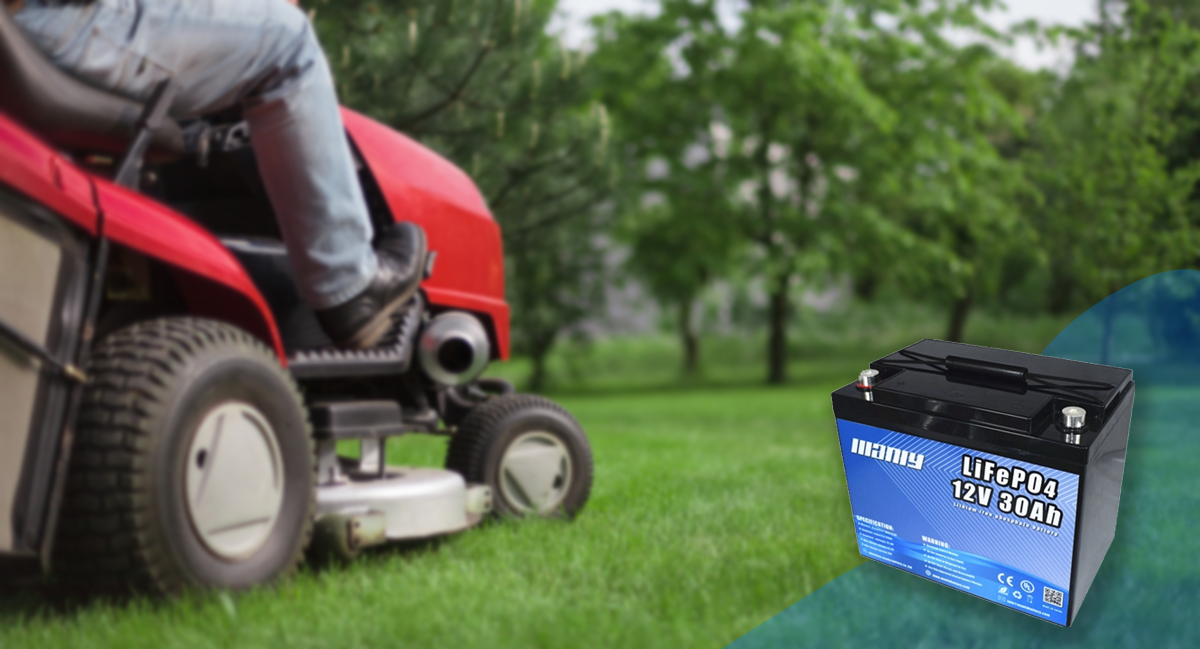
Image Source: manlybattery.com
Factors Affecting Riding Mower Battery Lifespan
The riding mower battery lifespan isn’t a fixed number. Think of it like the battery in your car; how long it lasts depends on how you treat it and where you live. Several key ingredients go into how long your lawn tractor battery life will be good.
Battery Type and Quality
Not all batteries are created equal. The materials used and the manufacturing process play a big role.
- Lead-Acid Batteries: These are the most common type found in riding mowers. They are generally affordable but can have a shorter lifespan if not cared for. Within lead-acid, there are further distinctions:
- Flooded Lead-Acid (Wet Cell): These require regular maintenance, like checking and topping up electrolyte levels. They are often the cheapest but demand more attention.
- Absorbed Glass Mat (AGM): These are sealed and maintenance-free. They are more resistant to vibration and shock, often offering a longer ride-on mower battery duration and better performance, especially in colder weather. However, they come with a higher price tag.
- Lithium-Ion Batteries: Increasingly found in electric riding mower battery systems, these are lighter, hold a charge longer, and can offer a much longer overall life. While the initial cost is higher, their longevity and performance benefits can make them a worthwhile investment for those with large properties or who use their mowers frequently.
Usage Patterns and Frequency
How often and how hard you use your riding mower directly impacts the battery.
- Frequent Use: Mowers used weekly or for large properties will put more cycles on the battery. Each discharge and recharge cycle wears down the battery’s internal components.
- Intermittent Use: If your mower sits for long periods, especially in extreme temperatures, it can lead to battery degradation. Sulfation, a process where lead sulfate crystals build up on the battery plates, can occur when a battery is left in a discharged state.
- Heavy Load Usage: Running attachments that draw a lot of power (like snow blowers, mulchers, or powerful mowing decks) can put a strain on the battery, potentially shortening its tractor battery longevity.
Environmental Conditions
Where and how you store your mower matters.
- Temperature Extremes: Both extreme heat and extreme cold can damage a battery. High temperatures accelerate chemical reactions within the battery, leading to faster degradation. Cold temperatures reduce a battery’s capacity and can even cause freezing if the charge is low.
- Humidity and Moisture: Storing a mower in a damp environment can lead to corrosion of the battery terminals and casing, which can affect its performance and lifespan.
- Vibration: While modern riding mowers are designed to handle some vibration, excessive jolting can damage the internal structure of the battery, especially in older or less robust designs.
Charging Habits and Mower Battery Charging
Proper mower battery charging is crucial for extending riding mower battery lifespan.
- Overcharging/Undercharging: Leaving a battery on a charger for too long (overcharging) can damage it. Conversely, not charging it sufficiently can lead to sulfation. Using a smart charger designed for your battery type is highly recommended.
- Deep Discharges: Allowing the battery to discharge completely and remain that way is one of the fastest ways to shorten its life.
- Infrequent Charging: If you only use your mower occasionally, it’s essential to keep the battery topped up. A trickle charger or a battery maintainer can prevent sulfation during off-seasons.
Signs Your Riding Mower Battery Needs Replacement
Knowing when to replace your battery can save you from being stranded mid-mow. Here are common indicators that point towards a mower battery replacement.
Slow Engine Crank
The most classic sign is when the engine cranks slowly or struggles to start. If you hear a weak “rrrr… rrrr…” sound instead of a strong, quick crank, the battery likely doesn’t have enough power.
Dim Headlights or Dashboard Lights
If your mower has headlights or a dashboard display, check their brightness. Dim lights when the engine isn’t running can indicate a weak battery.
Corrosion on Terminals
While some corrosion can be cleaned, excessive or rapidly recurring corrosion on the battery terminals is a sign of internal battery breakdown.
Swollen or Leaking Battery Case
A swollen battery case is a serious issue. It often means the battery has overheated or is experiencing internal damage, and it should be replaced immediately and handled with care. Leaks also signal a compromised battery.
Battery Age
Even with perfect care, batteries have a finite lifespan. If your battery is approaching or has passed the 3-5 year mark, it’s wise to consider a mower battery replacement proactively, especially before peak mowing season.
Reduced Performance in Cold Weather
A healthy battery should still provide reasonable starting power in cooler temperatures. If your mower struggles to start on a chilly morning when it used to start fine, the battery’s capacity has likely diminished.
Maintaining Your Riding Mower Battery for Longevity
Good mower battery maintenance can significantly extend the life of your battery. A little effort goes a long way in ensuring reliable power for your lawn tractor.
Keep Terminals Clean
- Regular Inspection: Check the battery terminals for any signs of corrosion (a white or bluish powdery substance).
- Cleaning Method: If corrosion is present, disconnect the battery cables (negative first, then positive). Use a wire brush or a specialized battery terminal cleaning tool to scrub the terminals and cable clamps. A mixture of baking soda and water can also help neutralize acid. Rinse with clean water and dry thoroughly before reconnecting (positive first, then negative).
Ensure Proper Charging
- Use the Right Charger: Always use a charger specifically designed for your battery type (e.g., lead-acid, AGM). Consult your mower’s manual for recommendations.
- Avoid Overcharging: Smart chargers or battery maintainers are ideal as they automatically adjust the charging rate and stop when the battery is full.
- Regular Top-Ups: If you store your mower for extended periods, connect a battery maintainer or trickle charger to keep the battery at optimal charge. This is crucial for preventing sulfation.
Monitor Electrolyte Levels (Flooded Lead-Acid Batteries Only)
- Safety First: Wear gloves and eye protection.
- Check Regularly: Inspect the electrolyte levels in each cell when the battery is cool and not recently charged.
- Top-Up Carefully: If levels are low, add only distilled water until the plates are covered. Never use tap water or add acid. Overfilling can cause spills and damage.
Protect from Extreme Temperatures
- Storage: Store your mower in a cool, dry place. Avoid leaving it in direct sunlight or unheated sheds during extreme weather.
- Winter Storage: If storing for winter, ensure the battery is fully charged and disconnect it from the mower if possible. Store it in a place with a more stable temperature, and check its charge periodically.
Check Battery Voltage
- Tools: A simple multimeter is inexpensive and invaluable for battery maintenance.
- Procedure: With the engine off and the battery at rest for at least 24 hours, connect the multimeter probes to the battery terminals (red to positive, black to negative).
- Interpreting Readings:
- 12.6 Volts or Higher: Fully charged.
- 12.4 Volts: About 75% charged.
- 12.2 Volts: About 50% charged.
- 12.0 Volts or Lower: Critically discharged; requires immediate charging to prevent damage.
- 11.8 Volts or Lower: Battery is likely damaged or very old and may not hold a charge.
Secure Battery Mounting
- Vibration: Ensure the battery is securely mounted in its tray. Loose batteries are more susceptible to vibration damage. Check that hold-down straps or brackets are tight.
Choosing the Best Riding Mower Battery
When it’s time for a mower battery replacement, selecting the best riding mower battery is important for performance and longevity.
Key Specifications to Consider
- Voltage: Most riding mowers use a 12-volt system. Ensure you purchase a battery with the correct riding mower battery voltage.
- Cold Cranking Amps (CCA): This rating indicates how much power the battery can deliver to start the engine in cold temperatures. A higher CCA rating is generally better, especially if you live in a region with cold winters. Check your mower’s manual for the recommended CCA.
- Ampere-Hour (Ah) Rating: This rating reflects the battery’s capacity – how much energy it can store. A higher Ah rating means the battery can deliver its rated current for a longer period.
- Terminal Type and Configuration: Ensure the terminals match your mower’s cables (e.g., top post, side post) and that they are oriented correctly to reach your mower’s battery cables.
Battery Types for Different Needs
- For Budget-Conscious Buyers: Standard flooded lead-acid batteries offer a good balance of performance and cost. However, be prepared for regular maintenance.
- For Low Maintenance and Durability: AGM batteries are a great choice. They are sealed, vibration-resistant, and generally provide a longer ride-on mower battery duration than flooded types.
- For Electric Mowers: If you have an electric riding mower battery system, you’ll need to replace it with a battery specifically designed for electric applications, often lithium-ion for newer models. Check your owner’s manual for exact specifications.
Brand Reputation and Warranty
- Research Brands: Look for reputable manufacturers known for producing reliable batteries. Brands like Optima, Odyssey, Interstate, and Deka often receive positive reviews.
- Warranty: A longer warranty period (e.g., 2-3 years) often indicates a manufacturer’s confidence in their product’s quality and can provide peace of mind.
Factors Influencing Tractor Battery Longevity
Beyond general maintenance, specific aspects contribute to the overall tractor battery longevity.
Quality of Construction
- Plate Material and Thickness: Higher-quality batteries use thicker, purer lead plates. This increases their lifespan and resistance to sulfation and corrosion.
- Separator Material: The material separating the positive and negative plates prevents short circuits. High-quality separators are more durable and resistant to degradation.
- Case Material: Robust polypropylene cases resist cracking from vibration and impacts.
Internal Resistance
A battery’s internal resistance affects its ability to deliver power. Lower internal resistance means more efficient power transfer and less energy wasted as heat. High-quality batteries tend to have lower internal resistance.
Charging System Health
The mower’s charging system (alternator or stator) is responsible for recharging the battery while the engine runs. A faulty charging system can either undercharge (leading to sulfation) or overcharge (damaging the battery). Ensuring your mower’s charging system is functioning correctly is vital for tractor battery longevity.
The Lifespan of Electric Riding Mower Batteries
The world of lawn care is shifting, and electric riding mower battery technology is advancing rapidly.
Lithium-Ion Batteries
- Lifespan: Lithium-ion batteries used in electric mowers are designed for a much longer life than traditional lead-acid batteries. They can often last 7-10 years or even longer, depending on usage and care.
- Cycles: They are rated for a high number of charge-discharge cycles, often thousands, meaning they can be recharged many more times than lead-acid batteries.
- Maintenance: Lithium-ion batteries are generally maintenance-free. They don’t suffer from sulfation in the same way lead-acid batteries do.
- Performance: They tend to hold their charge better over time and offer consistent power delivery throughout the discharge cycle.
- Replacement Cost: While the initial cost of an electric mower with a lithium-ion battery is higher, the extended lifespan and reduced maintenance can offset this over time. Replacement batteries, when needed, can be expensive.
Lead-Acid in Electric Mowers
Some older or lower-cost electric riding mowers might still use lead-acid batteries. In these cases, the riding mower battery lifespan will be similar to that of a gas-powered mower with lead-acid batteries (3-5 years), and the same maintenance principles apply.
Extending Your Mower Battery’s Life: Practical Tips
Here’s a consolidated list of actions you can take to maximize your battery’s ride-on mower battery duration:
- Always fully charge the battery after each use.
- Never let the battery sit discharged for extended periods.
- Use a battery maintainer or trickle charger when the mower is not in use for more than a few weeks.
- Keep the battery terminals clean and corrosion-free.
- Protect the battery from extreme temperatures.
- Ensure the battery is securely mounted to minimize vibration damage.
- If using a flooded lead-acid battery, check and top up the electrolyte levels with distilled water as needed.
- Avoid using excessive accessories that draw heavily on the battery, especially when the engine is not running at a sufficient RPM.
- When storing the mower for the winter, disconnect the battery and store it in a cool, dry place, checking its charge every few months.
When to Consider a New Mower Battery
Don’t wait for your mower to refuse to start! Proactive replacement is often better than being stuck with a dead battery.
Proactive Replacement Strategy
- Age-Based Replacement: If your battery is 4-5 years old and you haven’t experienced any issues, consider replacing it before the next mowing season as a preventative measure. This is especially true if you rely heavily on your mower.
- Performance Decline: If you notice a consistent decline in starting power, even after proper charging and maintenance, it’s a strong indicator that the battery is nearing the end of its life.
- Intermittent Starting Issues: If your mower starts sometimes and not others, it can be a sign of a weak battery that’s on its way out.
The Cost of a Dead Battery vs. a New One
While a new battery is an expense, the cost of a dead battery can be higher. Consider the inconvenience of not being able to mow your lawn, potential damage from trying to jump-start a faulty battery, or even damage to the mower’s electrical system from a shorting battery. Investing in a best riding mower battery with a good warranty and proper maintenance will save you money and hassle in the long run.
Frequently Asked Questions (FAQ)
Q1: Can I use a car battery in my riding mower?
While you might be able to physically fit a car battery and connect it, it’s generally not recommended. Car batteries are designed for short, high-burst power needs (starting an engine), whereas mower batteries often need to provide sustained power for accessories and prolonged engine operation. Mower batteries also have different terminal configurations and are typically built to withstand more vibration. Always use a battery specifically designed for your riding mower.
Q2: How often should I check my riding mower battery?
It’s a good practice to inspect your battery at least at the beginning and end of each mowing season. Check for clean terminals, secure mounting, and signs of corrosion or damage. If you suspect issues or the battery is more than 2 years old, checking the voltage periodically (e.g., every 2-3 months during storage) is beneficial.
Q3: What does “maintenance-free” mean for a battery?
“Maintenance-free” batteries, typically AGM (Absorbed Glass Mat) or sealed lead-acid types, do not require you to check or add electrolyte (distilled water). They are sealed units. This makes them convenient but doesn’t mean they don’t require charging or protection from extreme temperatures.
Q4: My riding mower battery won’t hold a charge. What should I do?
If your battery won’t hold a charge, it could be due to several reasons:
* The battery is old and has reached the end of its lifespan.
* Sulfation has occurred due to prolonged discharge.
* There’s a fault in the mower’s charging system (alternator/stator).
* A short circuit within the battery.
First, ensure your charging system is working correctly by having it tested. If the charging system is fine, and the battery is more than a few years old or shows signs of damage, mower battery replacement is likely needed.
Q5: How do I jump-start my riding mower battery?
Always proceed with caution when jump-starting. You’ll need jumper cables and a working vehicle or charged battery.
1. Turn off both engines.
2. Connect one end of the red (positive) jumper cable to the positive (+) terminal of the dead mower battery.
3. Connect the other end of the red cable to the positive (+) terminal of the good battery.
4. Connect one end of the black (negative) jumper cable to the negative (-) terminal of the good battery.
5. Connect the other end of the black cable to an unpainted metal surface on the mower’s engine block or frame, away from the battery and any moving parts. Do not connect to the negative terminal of the dead battery.
6. Start the good vehicle’s engine and let it run for a few minutes.
7. Attempt to start the riding mower.
8. Once started, carefully remove the jumper cables in the reverse order of connection (black from frame, black from good battery, red from good battery, red from mower battery).
9. Let the mower run for at least 20-30 minutes to charge the battery.
By following these guidelines, you can ensure your riding lawn mower battery serves you reliably for its intended lifespan and beyond.