
Is your lawn looking like a topographical map after the snow melts? Many homeowners face the frustrating reality of an uneven lawn each spring. But why does this happen? Your lawn is bumpy after winter primarily due to frost heave and soil heaving, processes driven by water in the soil freezing and expanding, pushing the ground upwards.
The transition from winter to spring is often harsh on our lawns. The very elements that sustain life—water and temperature changes—can also be the culprits behind a lumpy, uneven yard. As temperatures fluctuate, the soil undergoes a cycle of freezing and thawing, leading to winter damage that manifests as bumps, dips, and an overall disheveled appearance. This article will delve into the science behind these common lawn problems and provide you with actionable solutions for lawn repair.
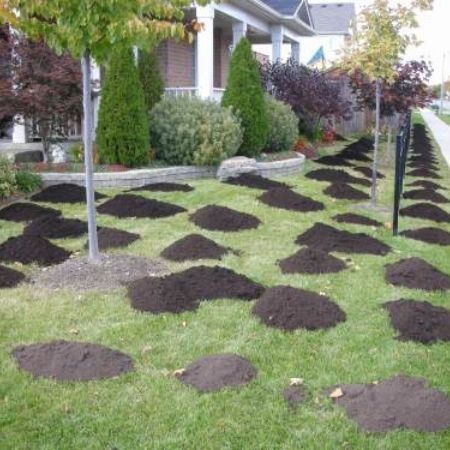
Image Source: www.milorganite.com
Deciphering the Causes of Winter Bumps
The frozen ground during winter isn’t static. Water within the soil plays a crucial role in creating those unsightly bumps. Let’s explore the primary reasons behind your bumpy lawn:
The Impact of Frost Heave
Frost heave is the most common antagonist to a smooth lawn. It’s a phenomenon where water in the soil freezes and expands, pushing the soil upwards. This happens in layers, with ice lenses forming and growing, lifting the surface soil and anything on top of it, like grass and small rocks.
- How it Works: When the ground freezes, water in the soil turns into ice. Water expands by about 9% when it freezes. If this freezing happens close to the surface, especially in soil with good water retention, it can push the top layer of soil upwards. Repeated cycles of freezing and thawing can exacerbate this movement, leading to significant unevenness.
- Soil Type Matters: Soils that hold a lot of water, like clay soils, are more prone to frost heave than sandy soils, which drain more quickly.
- The Freeze-Thaw Cycle: The freeze thaw cycle is critical. As temperatures hover around the freezing point (32°F or 0°C) for extended periods, water in the soil repeatedly freezes and thaws. Each freeze pushes the soil up, and as it thaws, the soil doesn’t always settle back perfectly into its original position. This incremental movement over the winter creates the bumps.
Soil Heaving: A Broader Perspective
Soil heaving is a more general term that encompasses the upward displacement of soil due to various factors, including frost. While frost heave is the primary driver of winter bumps, other elements can contribute:
- Water Content: The more water present in the soil, the greater the potential for expansion upon freezing.
- Soil Structure: Poorly structured soil, or soil with a high percentage of fine particles (like clay), can trap more water, making it more susceptible to heaving.
- Vegetation: While grass roots help stabilize the soil, they can also be lifted by the heaving process, contributing to the unevenness.
Other Contributing Factors to an Uneven Lawn
Beyond direct frost action, several other issues can contribute to or worsen the bumpy appearance of your lawn after winter:
- Soil Compaction: Over time, foot traffic, lawn equipment, and even heavy rainfall can compact the soil. Compacted soil has less air space, hindering water infiltration and drainage. This can lead to water sitting on the surface or in the upper layers of soil, increasing the likelihood of frost heave.
- Drainage Issues: Poor drainage is a significant contributor to bumpy lawns. If water cannot drain away effectively, it saturates the soil. Saturated soil is more prone to freezing and expanding, leading to frost heave. Low spots in the lawn are particularly vulnerable.
- Ground Settling: While not directly caused by winter, natural ground settling can also contribute to an uneven lawn. Over time, soil can consolidate, especially after periods of significant moisture or disturbance. This settling can create dips and low areas that become more noticeable after the ground has been agitated by freezing and thawing.
- Animal Activity: Moles and voles can create tunnels beneath the surface of your lawn. When the ground freezes, these tunnels can collapse or cause the soil above them to shift, leading to bumps and mounds.
- Uneven Snow Cover: If snow cover was uneven, certain areas might have been exposed to more extreme temperature fluctuations, potentially leading to more localized frost heave.
Recognizing the Signs of Winter Damage
Identifying the specific type of damage can help in choosing the right lawn repair strategy. Look for these common signs:
- Mounds and Ridges: These are the classic indicators of frost heave, where soil has been pushed upwards.
- Cracked Soil: In drier conditions, the lifting action of frost heave can sometimes cause the surface soil to crack.
- Depressions and Low Spots: These can be areas where frost heave didn’t occur as strongly, or where the soil has settled after thawing. They also indicate potential drainage problems.
- Damaged Grass: Grass blades can be physically damaged by being pushed upwards or by the ice itself. This might appear as yellowing or browning in affected areas.
- Exposed Soil and Rocks: The heaving action can push soil away, exposing underlying soil or even rocks.
Practical Solutions for Lawn Repair
Now that we’ve explored the causes, let’s look at how you can bring your lawn back to a smooth, healthy state.
Step 1: Assessment and Planning
Before you start digging, take a thorough look at your lawn.
- Map the Bumps: Note the location and severity of the bumps. Are they isolated mounds, or is it widespread unevenness?
- Check Drainage: Observe how water behaves after rain. Are there areas where water pools? This could indicate poor drainage that needs addressing.
- Identify Soil Type: Knowing if you have clay, loam, or sandy soil will help you anticipate how it might react to different repair methods.
Step 2: Addressing the Bumps and Unevenness
The approach to fixing bumpy lawns depends on the severity and cause.
Leveling the Surface
- Minor Bumps: For small, isolated bumps, a shovel and rake might be sufficient.
- Method: Carefully dig around the bump, loosen the soil, and level it out with the surrounding area. You may need to add a small amount of topsoil to fill in any depressions.
- Larger Areas or Severe Bumps: For more significant unevenness, a more systematic approach is needed.
- Method: You might need to remove sections of sod, level the underlying soil, and then replace the sod or reseed. For very high bumps, you might need to dig down to the level of the surrounding lawn, remove some soil, and then re-establish the grass.
- Timing: The best time to do this kind of repair is during the growing season (spring or fall) when the grass can recover and establish itself quickly.
Improving Drainage
If drainage issues are contributing to your bumpy lawn, addressing them is crucial for long-term solutions.
- Aeration: This is a key process that helps alleviate soil compaction and improve drainage.
- What it is: Aeration involves making small holes in the soil to allow air, water, and nutrients to penetrate deeper.
- How to do it: You can rent a core aerator, which pulls out plugs of soil, or a spike aerator. Core aeration is generally more effective.
- When to do it: Aerate when the grass is actively growing, typically in the spring or fall.
- Top Dressing: After aerating, you can spread a thin layer of compost or topsoil over the lawn. This helps fill the aeration holes and gradually improves soil structure and drainage.
- Regrading: For severe drainage problems where water consistently pools in certain areas, regrading the lawn might be necessary. This involves adjusting the slope of the land to direct water away from problem areas. This is a more significant undertaking and may require professional help.
- French Drains: In areas with persistent waterlogging, installing a French drain system can be a highly effective solution. This involves digging a trench, filling it with gravel, and laying a perforated pipe to channel water away.
Repairing Damaged Grass
- Overseeding: After leveling and addressing drainage, you’ll likely need to fill in any bare patches.
- Method: Spread grass seed over the bare or thin areas. Ensure good seed-to-soil contact by lightly raking. Keep the seeded areas moist until the new grass germinates.
- Timing: Fall is often the best time for overseeding cool-season grasses, while spring is suitable for warm-season grasses.
- Sodding: For quicker results in larger bare areas, you can lay down sod.
Preventing Future Bumps: Long-Term Lawn Care Strategies
Prevention is always better than cure. Implementing these practices will help minimize future winter damage and keep your lawn smooth.
Maintain Healthy Soil Structure
- Regular Aeration: As mentioned, aeration is vital for combating soil compaction and improving water penetration. Aim to aerate at least once a year, or more often if you have heavy clay soil or high traffic areas.
- Avoid Over-Compaction: Minimize walking or driving on your lawn when it’s wet. Use designated paths for heavy equipment.
- Add Organic Matter: Regularly amending your soil with compost or other organic materials will improve its structure, water retention, and drainage over time.
Ensure Proper Drainage
- Water Wisely: Water your lawn deeply and infrequently. This encourages deeper root growth, making the grass more resilient. Avoid overwatering, which saturates the soil.
- Check for Obstructions: Ensure that gutters and downspouts are directing water away from your lawn and foundation.
- Observe Water Flow: Pay attention to where water collects after rain. If persistent puddles form, investigate the cause and implement solutions like regrading or drainage systems.
Proper Mowing and Fertilization
- Mow at the Right Height: Mowing your grass too short can weaken the root system, making it more susceptible to frost heave and other stresses. For most cool-season grasses, a height of 2.5-3.5 inches is recommended.
- Fertilize Appropriately: A healthy, well-nourished lawn is more resilient. Fertilize according to soil test recommendations and at the appropriate times for your grass type. Avoid excessive nitrogen in the fall, as this can promote tender new growth that is vulnerable to winter damage.
Managing Snow Cover
- Even Snow Distribution: If possible, try to ensure even snow distribution across your lawn. This can help insulate the soil and prevent extreme temperature fluctuations.
- Avoid Piling Snow: Don’t pile large amounts of snow from driveways or sidewalks onto your lawn, especially if it contains salt or de-icing chemicals, which can harm grass.
Frequently Asked Questions About Bumpy Lawns
Q1: Can I fix my bumpy lawn in the winter?
A1: It’s generally not recommended to perform major lawn repair in the winter. The ground is often frozen, and the grass is dormant. Attempting repairs can cause further damage. The best times for leveling and reseeding are during the spring or fall growing seasons.
Q2: How long does it take to fix a bumpy lawn?
A2: The time it takes depends on the severity of the bumps and the methods used. Minor leveling might take a few hours. Addressing widespread soil heaving and drainage issues can take several days of work and require ongoing maintenance. It might also take a full growing season for reseeding or sodded areas to fully establish.
Q3: Is aeration really necessary every year?
A3: While the ideal frequency can vary based on soil type and usage, annual aeration is highly beneficial for most lawns, especially those prone to soil compaction and drainage issues. It’s a proactive measure against problems like frost heave.
Q4: My lawn has small mounds that look like ant hills. What are they?
A4: These are likely caused by burrowing animals like moles or ants. While not directly related to frost heave, their tunnels can weaken the soil structure, making it more susceptible to shifting and creating bumps, especially after the freeze thaw cycle. Address the pest problem first, then level the mounds.
Q5: Should I use a roller on my lawn in the spring?
A5: While rolling might seem like a good way to flatten bumps, it can be detrimental if done incorrectly. Rolling can further compact soil and damage grass roots that have been pushed up by frost heave. If you do roll, do it very lightly in the spring when the ground is just starting to dry, and only if there are minor bumps. Core aeration is a much more effective way to deal with underlying compaction and unevenness.
Conclusion
A bumpy lawn after winter is a common but fixable problem. By understanding the underlying causes, primarily frost heave and soil heaving driven by the freeze thaw cycle, and implementing the right lawn repair strategies, you can restore your lawn’s smooth, healthy appearance. From aeration to proper drainage and careful leveling, these steps will not only fix the current issues but also help prevent future winter damage, ensuring a beautiful and functional lawn for seasons to come. Consistent, proactive lawn care is the key to a consistently smooth and inviting yard.