
So, you’ve just spread fertilizer on your lawn. You’re probably wondering, “How long for lawn fertilizer to work?” Generally, you can start seeing signs of improvement, like greener grass, within 24-72 hours after application, though the full effects often take several weeks. This guide will dive into everything you need to know about fertilizer’s timeline.
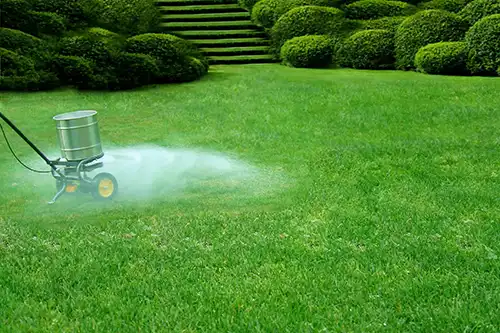
Image Source: www.flapest.com
The Science of Lawn Feeding: How Fertilizer Works
Fertilizer isn’t magic, but it’s close. It provides essential nutrients that plants, including your grass, need to grow strong and healthy. The primary nutrients, often shown as N-P-K on fertilizer bags, are Nitrogen (N), Phosphorus (P), and Potassium (K).
- Nitrogen (N): This is the powerhouse for leafy growth and that vibrant green color. It’s what your grass craves for lushness.
- Phosphorus (P): Essential for root development, flowering, and fruiting. For lawns, it helps establish strong roots, especially in new grass.
- Potassium (K): Important for overall plant health, disease resistance, and stress tolerance (like drought or heat). It helps the grass stand tall and fight off problems.
When you apply fertilizer, these nutrients don’t magically appear in your grass blades. They need a journey from the soil to the plant’s roots, and then up into the rest of the plant.
Lawn Fertilizer Absorption Time: The Journey Begins
The lawn fertilizer absorption time is a critical factor in when you’ll see results. It’s not an instant process. Here’s a breakdown:
- Dissolving: Most granular fertilizers need moisture to dissolve. This can be from rain or watering after application. Once dissolved, the nutrients are in a liquid form that roots can take up.
- Root Uptake: Plant roots are designed to absorb water and dissolved nutrients from the soil. This is the primary way fertilizer gets into the grass.
- Translocation: Once absorbed by the roots, the nutrients travel through the plant’s vascular system to the leaves and other parts where they are needed.
Fertilizer Breakdown Time in Soil: Nutrients at Work
The fertilizer breakdown time in soil depends heavily on the type of fertilizer used.
- Water-Soluble Fertilizers: These release nutrients quickly. They start working almost immediately after dissolving and are typically used up faster. This means quicker green-up but potentially shorter-lasting effects.
- Water-Insoluble Fertilizers: These are designed for slow release. They often have a coating that breaks down over time, releasing nutrients gradually. This provides a more sustained feeding and reduces the risk of nutrient burn. The breakdown rate is influenced by soil temperature, moisture, and microbial activity.
When Will Fertilizer Green Up Grass? The Visual Transformation
A common question is, “When will fertilizer green up grass?” This is usually the first visible sign of fertilizer working.
- Initial Greening: For readily available nitrogen, you can often see a slight improvement in color within 24 to 72 hours after application, provided there’s adequate moisture. This is because nitrogen quickly boosts chlorophyll production, the pigment that makes grass green.
- More Noticeable Greening: Significant green-up, where your lawn looks noticeably more vibrant and lush, typically appears within 3 to 7 days.
- Peak Greening: The most dramatic transformation in color and density can take 1 to 2 weeks to fully manifest.
Several factors influence how quickly your grass greens up:
- Type of Fertilizer: Quick-release nitrogen fertilizers will show results faster than slow-release ones.
- Grass Type: Different grass species have varying growth rates and nutrient needs.
- Environmental Conditions: Warm temperatures and adequate moisture are crucial for rapid growth and nutrient uptake.
- Soil Health: Healthy soil with good microbial activity can help break down and make nutrients available more efficiently.
- Application Rate: Applying the correct amount is vital; too little won’t show results, and too much can damage the grass.
How Long to See Fertilizer Results: Beyond the Green
While greening is the most immediate indicator, it’s not the only sign of fertilizer working. “How long to see fertilizer results?” encompasses overall health and growth.
- Early Signs (1-7 days): Improved color, slight increase in leaf blade thickness.
- Mid-Term Effects (1-3 weeks): Denser turf, faster growth rate (you might need to mow more often), increased resistance to stress.
- Long-Term Benefits (4-6 weeks): Stronger root system development, better disease and pest resistance, improved recovery from damage.
The fertilizer efficacy timeframe is the period during which the applied nutrients actively contribute to your lawn’s health and appearance. This can range from a few weeks for quick-release fertilizers to several months for specialized slow-release formulations.
Grass Greening After Fertilization: What to Expect
Grass greening after fertilization is a direct result of nitrogen entering the grass plant. Nitrogen is a component of chlorophyll. When your grass gets enough nitrogen, it can produce more chlorophyll, making the blades appear darker and greener.
If you don’t see the expected greening, consider these possibilities:
- Insufficient Moisture: If you didn’t water after application (and there wasn’t enough rain), the fertilizer might not have dissolved and been absorbed.
- Incorrect Application: You might have applied too little fertilizer, or it might not have been distributed evenly.
- Environmental Stress: If your lawn is already stressed by heat, drought, or disease, it might not respond as quickly.
- Soil Imbalances: Other soil issues, like a pH imbalance, can prevent nutrient uptake even if nutrients are present.
- Type of Grass: Some grass types are naturally a lighter shade of green.
Time for Nitrogen to Impact Grass: The Green Machine
The “Time for nitrogen to impact grass” is relatively quick compared to other nutrients because nitrogen is highly mobile in the plant. Once absorbed by the roots, it travels rapidly to the leaves and is incorporated into chlorophyll molecules. This is why you see the “green-up” effect so soon.
However, the duration of this effect is also important. Quick-release nitrogen can provide a burst of green, but it may be leached out of the soil or used up by the grass within a few weeks. Slow-release nitrogen sources provide a more consistent supply over a longer period, leading to sustained greening and growth.
Fertilizer Application Waiting Period: Before and After
There are crucial waiting periods related to fertilizer application to ensure effectiveness and prevent damage.
Fertilizer Application Waiting Period: Before You Fertilize
Before you even pick up the fertilizer bag, consider:
- Soil Test: It’s highly recommended to get a soil test every few years. This tells you the pH and nutrient levels in your soil, helping you choose the right fertilizer and avoid over-application.
- Weather: Avoid fertilizing right before heavy rain, as it can wash away the fertilizer. Also, avoid fertilizing during extreme heat or drought conditions, as this can stress the grass.
- Mowing: It’s generally best to mow your lawn before fertilizing, but bag the clippings. This prevents the fertilizer from getting stuck in the clippings and potentially burning the grass.
Fertilizer Application Waiting Period: After You Fertilize
What should you do after applying fertilizer?
- Watering: For most granular fertilizers, watering the lawn shortly after application (within 24-48 hours) is crucial. This helps the fertilizer dissolve and move into the soil, where roots can access it. It also helps wash any granules off the grass blades, preventing potential burn.
- Mowing: Wait at least 24-48 hours after fertilizing before mowing again. This allows the fertilizer to be absorbed into the soil and roots, and also gives the grass a chance to benefit from the nutrients without clippings interfering. If you applied a liquid fertilizer, check the product label, as some require a waiting period before watering.
- Foot Traffic: While not strictly a “waiting period,” it’s a good idea to limit heavy foot traffic on your lawn for a day or two after fertilizing, especially if the grass is very young or you’ve used a granular product.
When to Expect Lawn Growth Boost: More Than Just Color
Beyond the visual greening, you’ll want to know when to expect a real boost in your lawn’s growth. “When to expect lawn growth boost?” is tied to the nitrogen and other nutrients being utilized by the grass plant for cell division and expansion.
- Increased Mowing Frequency: You might notice you need to mow more often within 7 to 14 days after fertilizing. This is a strong indicator that the fertilizer is promoting vigorous growth.
- Denser Turf: Over 2 to 4 weeks, you’ll likely see your grass becoming denser. This means more blades per square inch, which helps crowd out weeds and creates a thicker, more resilient lawn.
- Improved Resilience: As the nutrients work their way through the plant and into the root system, your lawn will become more resilient to stress like heat, drought, and foot traffic. This improvement might not be immediately obvious but becomes apparent when your lawn handles adverse conditions better than before.
Lawn Feeding Effectiveness Duration: How Long Does it Last?
The lawn feeding effectiveness duration varies significantly based on the fertilizer type.
- Quick-Release Fertilizers: These often show effects within days but might only last 3 to 6 weeks. They are good for a fast green-up but require more frequent applications.
- Slow-Release Fertilizers: These are designed to release nutrients over a longer period. Depending on the coating and formulation, they can provide feeding for 6 to 12 weeks, or even longer for some premium products. This means a more consistent growth rate and less frequent applications.
- Organic Fertilizers: These typically break down slowly in the soil, feeding the grass over an extended period, often 6 to 8 weeks or more, and also improving soil structure.
Factors Influencing Fertilizer Effectiveness
Several factors play a role in how well and how long your fertilizer works:
1. Type of Fertilizer
- Quick-Release (Water-Soluble): Provides rapid results but has a shorter duration. Good for a quick fix or when grass is showing signs of deficiency.
- Slow-Release (Coated or Organic): Nutrients are released gradually, offering sustained feeding and reducing the risk of burning. Ideal for consistent growth and less frequent applications.
- Liquid Fertilizers: Applied directly to the foliage or soil, absorption can be very quick, but duration might be shorter than some slow-release granular types.
2. Grass Type
- Cool-Season Grasses (e.g., Kentucky Bluegrass, Fescues, Ryegrass): These grasses grow most actively in cooler temperatures (spring and fall). They respond well to fertilization during these periods.
- Warm-Season Grasses (e.g., Bermuda, Zoysia, St. Augustine): These grasses thrive in heat and grow most actively during the summer months. They benefit most from fertilization during this active growth phase.
3. Soil Conditions
- Soil pH: Most turfgrasses prefer a slightly acidic to neutral pH (around 6.0 to 7.0). If your soil pH is too high or too low, nutrients can be “locked up” and unavailable to the grass, even if they are present in the soil.
- Soil Moisture: Adequate moisture is essential for dissolving granular fertilizers and for the grass roots to absorb nutrients. Dry soil can significantly delay or prevent fertilizer uptake.
- Soil Structure and Biology: Healthy soil with good aeration and a robust microbial population can better break down fertilizers and make nutrients available to plants. Compacted or poor-quality soil can hinder root growth and nutrient absorption.
4. Environmental Factors
- Temperature: Growth is temperature-dependent. Fertilizing during optimal growing temperatures will yield faster, more noticeable results. Fertilizing during dormancy or extreme heat can be ineffective or harmful.
- Sunlight: Grass needs sunlight to photosynthesize and utilize the nutrients it absorbs. Lawns in heavily shaded areas might show a slower response.
- Water Availability: As mentioned, water is critical for nutrient transport. Consistent watering ensures the fertilizer is available to the roots.
5. Application Method and Timing
- Even Distribution: Using a spreader correctly ensures uniform application. Uneven application leads to patchy results, with some areas over-fertilized and others under-fertilized.
- Timing Relative to Growth Cycle: Fertilizing during the peak growing season for your grass type will provide the best results. Fertilizing dormant grass is generally a waste of product.
Common Scenarios and Their Timelines
Let’s look at a few common situations:
Scenario 1: Fertilizing Dormant or Stressed Grass
If your lawn is dormant due to heat or drought, fertilizing might not produce immediate visible results. The grass needs to resume active growth to utilize the nutrients. Once conditions improve (cooler temperatures, more rain), the fertilizer will kick in. The fertilizer efficacy timeframe is effectively paused until growth resumes.
Scenario 2: Fertilizing New Seed or Sod
When establishing a new lawn, a starter fertilizer is often recommended. These fertilizers are typically higher in phosphorus to promote root development. You might see initial greening of the seedlings within a week, but the primary benefit is unseen – stronger root establishment. The fertilizer absorption time for these nutrients is critical for long-term success.
Scenario 3: Regular Maintenance Fertilization
For a healthy, established lawn, regular maintenance fertilization (following a schedule based on your grass type and climate) aims for consistent, steady growth and color. You can expect the benefits of each application to last the duration specific to the fertilizer used, with new applications timed to maintain optimal health before previous applications fully wear off. This ensures continuous lawn feeding effectiveness duration.
Troubleshooting: Why Isn’t My Fertilizer Working?
If you’ve applied fertilizer and aren’t seeing the expected results, here are common culprits and what to do:
- Problem: No visible greening after a week.
- Possible Cause: Lack of moisture.
- Solution: Water the lawn thoroughly. Check if the fertilizer package specifies watering requirements.
- Problem: Patchy greening.
- Possible Cause: Uneven application.
- Solution: Ensure your spreader is calibrated correctly for future applications.
- Problem: Minimal growth boost, even with good color.
- Possible Cause: Soil pH is off, preventing nutrient uptake; or fertilizer is too low in essential nutrients.
- Solution: Get a soil test to check pH and nutrient levels. Adjust pH if necessary. Choose a fertilizer with appropriate N-P-K ratios for your needs.
- Problem: Grass looks burned or damaged.
- Possible Cause: Over-application or fertilizer sitting on grass blades without watering.
- Solution: Water the lawn immediately to dilute the fertilizer. For severe burns, you may need to lightly rake the affected areas and reseed them once the grass recovers. In the future, always follow application rates precisely and water in granular fertilizers.
Frequently Asked Questions (FAQ)
Q1: How soon after fertilizing can I water my lawn?
A1: For granular fertilizers, it’s generally recommended to water within 24-48 hours to help dissolve the granules and move them into the soil. For liquid fertilizers, always check the product label, as some may have specific instructions about watering.
Q2: Can I fertilize when the grass is wet?
A2: It’s generally best to fertilize dry grass, especially with granular fertilizers. Fertilizing wet grass can cause granules to stick to the blades, potentially leading to leaf burn. If you must fertilize when the grass is wet, ensure you water it in immediately afterward to wash the fertilizer off the blades.
Q3: What happens if I fertilize in hot weather?
A3: Fertilizing in hot weather (above 85°F or 30°C) can stress your lawn, especially if it’s not a warm-season grass type actively growing. It increases the risk of burning the grass. If you must fertilize, use a slow-release formula at a reduced rate and water it in thoroughly. It’s best to wait for cooler temperatures.
Q4: Does the time of year affect how long fertilizer takes to work?
A4: Yes. Fertilizer works best when the grass is actively growing. For cool-season grasses, this is spring and fall. For warm-season grasses, it’s summer. Fertilizing during dormancy (winter for cool-season, extreme heat for warm-season) will yield little to no results.
Q5: How long should I wait to mow after fertilizing?
A5: It’s advisable to wait at least 24-48 hours after applying granular fertilizer before mowing. This allows the nutrients to be absorbed into the soil and roots, and also prevents clippings from interfering with the fertilizer granules on the blades.
Q6: What if my fertilizer doesn’t have N-P-K numbers on the bag?
A6: This is highly unlikely for commercially sold lawn fertilizers. The N-P-K ratio is a mandatory labeling requirement in most regions, as it indicates the percentage by weight of Nitrogen, Phosphorus, and Potassium. Always check the bag for this information.
Conclusion: Patience and Precision Lead to a Greener Lawn
So, how long for lawn fertilizer to work? While you can often see a hint of green within a couple of days, significant improvements in color and growth typically take 3 to 14 days, with the full benefits becoming apparent over several weeks. The lawn fertilizer absorption time, fertilizer breakdown time in soil, and the specific fertilizer efficacy timeframe all contribute to this timeline.
By choosing the right fertilizer, applying it at the correct time and rate, and ensuring adequate moisture, you can optimize the lawn feeding effectiveness duration and achieve that lush, green lawn you desire. Remember, a healthy lawn is a journey, and understanding these timelines is a key step in that process.