
How do lawn sprinkler systems work? Lawn sprinkler systems work by delivering water to your lawn and garden through a network of underground pipes, valves, and sprinkler heads, all controlled by a timer. They are designed to provide consistent and efficient watering, ensuring your landscape stays healthy and vibrant.
Think of your lawn sprinkler system as a hidden circulatory system for your yard. It’s a marvel of engineering, working diligently behind the scenes to keep your grass green, your flowers blooming, and your trees thriving. But how does this sophisticated network actually function? What are the moving parts that work together to bring life-giving water to every corner of your property? Let’s delve into the fascinating world of how lawn sprinkler systems work, from the water source to the last drop on a thirsty leaf.
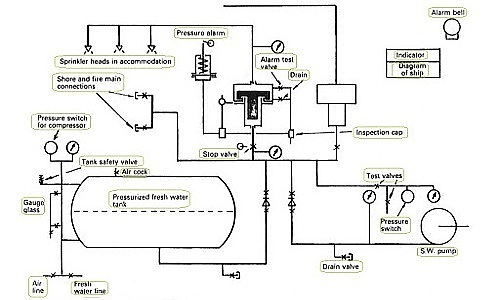
Image Source: www.greenvalleyirrigation.com
The Heart of the System: Water Supply and Pressure
At its core, any sprinkler system needs a reliable source of water. This is typically your home’s main water line. However, a standard home water supply often isn’t enough to power a sprinkler system effectively. This is where water pressure requirements come into play.
What is Water Pressure?
Water pressure is the force that pushes water through your pipes. It’s measured in pounds per square inch (psi). For a sprinkler system to operate optimally, it needs adequate pressure to reach all the sprinkler heads and deliver the right amount of water. Too little pressure, and water won’t reach far enough or will come out in a weak mist. Too much pressure can damage the system and waste water.
Sources of Water Pressure
- Municipal Water Supply: Most homes are connected to a city or town’s water supply. This is the most common source for residential sprinkler systems. The pressure from the municipal system is usually sufficient, but it can vary depending on your location and time of day.
- Well Water: Homes with wells rely on a well pump to supply water. The performance of the sprinkler system will directly depend on the well pump’s capacity and the pressure it can generate.
- Water Tanks/Ponds: In some rural areas, water may be stored in tanks or drawn from ponds. This usually requires a dedicated pump to provide the necessary pressure.
Ensuring Proper Water Pressure
Before sprinkler system installation, a professional will assess your home’s water pressure. They might recommend a pressure-reducing valve if your pressure is too high or suggest a booster pump if it’s too low.
The Veins and Arteries: Underground Piping
Once the water has the necessary force, it needs a way to travel to all parts of your lawn. This is where underground piping comes into play. These pipes form the network that distributes water throughout your property.
Types of Piping Materials
- PVC (Polyvinyl Chloride): This is the most common material for sprinkler systems. PVC pipes are durable, lightweight, corrosion-resistant, and relatively inexpensive. They are typically used for main lines and lateral lines.
- Polyethylene (Poly) Tubing: Often used for smaller lines or in areas with rocky soil, poly tubing is flexible and easier to work with than PVC. It’s also resistant to corrosion and freezing.
- Copper: While more expensive, copper pipes are sometimes used, especially for connections near the house or where durability is paramount. However, they are less common in modern sprinkler systems due to cost and the availability of better alternatives.
How the Piping is Laid Out
The sprinkler system installation involves carefully planning the pipe layout. Pipes are typically buried 6 to 12 inches deep to protect them from lawnmowers, foot traffic, and frost. The layout ensures that each sprinkler head receives adequate water without affecting the performance of others in the same zone.
The Control Center: Valves and Timers
For a sprinkler system to be efficient and automated, it needs a brain and a way to control the flow of water. This is achieved through zone control valves and timers.
Zone Control Valves: Dividing the Lawn
Your lawn is unlikely to be watered evenly by a single sprinkler head or even a group of heads operating simultaneously. Different areas have different watering needs (sun vs. shade, sandy soil vs. clay soil, plant types). This is why sprinkler systems are divided into zones, each controlled by a zone control valve.
- How They Work: Each valve is essentially an electrically operated gate. When the sprinkler timer sends an electrical signal, the valve opens, allowing water to flow to the sprinkler heads in that specific zone. When the signal stops, the valve closes, shutting off the water.
- Benefits of Zoning:
- Even Coverage: Allows for tailored watering schedules based on the specific needs of each zone.
- Water Conservation: Prevents overwatering of certain areas and ensures water isn’t wasted on areas that don’t need it at that moment.
- System Performance: Prevents the water pressure from dropping too low by only activating a portion of the system at a time.
Timer Settings: The Brain of the Operation
The timer settings, often referred to as a controller or clock, are the command center for your sprinkler system. It dictates when and for how long each zone will water.
- Basic Functionality: Modern timers are highly sophisticated. You can program them to water on specific days of the week, at certain times, and for specific durations for each zone.
- Advanced Features: Many timers offer advanced features like:
- Seasonal Adjustments: Automatically adjust watering times based on the season (e.g., less watering in fall, more in summer).
- Rain Delay: Allows you to temporarily suspend watering cycles if rain is expected or has already occurred.
- Multiple Programs: Enables different watering schedules for different parts of your landscape (e.g., lawn vs. flower beds).
- Smart Technology: Wi-Fi enabled controllers can connect to local weather data and adjust watering schedules automatically, maximizing water efficiency.
The Delivery System: Sprinkler Heads
The most visible part of any sprinkler system is the sprinkler head. These are the devices that actually spray the water onto your lawn and garden. There are various sprinkler head types, each designed for different watering applications.
Pop-Up Sprinklers
These are the most common type for lawns. They remain hidden underground when not in use, retracting flush with the ground. When the system is activated, water pressure pushes a riser up, and the sprinkler head extends to spray water.
- Rotary Sprinklers: These heads rotate, spraying a stream of water in a sweeping motion. They are ideal for larger, open areas as they can cover significant distances with a strong stream.
- Spray Sprinklers (or Pop-Up Sprays): These heads spray water in a fixed pattern, similar to a fan. They are best for smaller, irregularly shaped areas or areas with lower water pressure. They come in various nozzle types to create different spray patterns and distances.
- Impact Sprinklers: A more traditional type of rotary sprinkler that uses a hammer-like mechanism to create a rhythmic “clacking” sound as it rotates and sprays water in a powerful stream. They are durable and good for larger areas but can be less water-efficient and noisier than other types.
Drip Irrigation Emitters
While not strictly “sprinklers,” drip irrigation is often integrated into an overall irrigation system. These emitters deliver water directly to the root zone of plants, shrubs, and trees, minimizing evaporation and runoff. They are highly efficient for gardens and landscaped beds.
Troubleshooting Sprinkler Issues
Even the best systems can encounter problems. Knowing common troubleshooting sprinkler issues can save you time and money.
- Low Water Pressure: Check for closed valves, leaks in the underground piping, or a malfunctioning pump if you use well water. Ensure the zone isn’t too large for the available pressure.
- Uneven Watering: This can be due to clogged or damaged sprinkler heads, incorrect nozzle types, or improper zone control valves. Check that heads are clean and properly aligned.
- Sprinklers Not Popping Up: The riser may be blocked by dirt or debris, or there might not be enough water pressure requirements to lift it. Check the valve for the zone.
- Leaking Sprinklers: A cracked head, loose fitting, or a worn-out valve can cause leaks. Inspect heads for visible damage and check valve seals.
- Timer Not Working: Ensure the timer is properly plugged in (if applicable), the circuit breaker hasn’t tripped, and the timer settings are correct. Battery backup might need replacing.
Protecting Your Water Supply: The Backflow Preventer
A crucial, though often unseen, component of a sprinkler system is the backflow preventer function. This device is essential for public health and regulatory compliance.
What is Backflow?
Backflow is the unwanted reversal of water flow in a plumbing system. In the context of a sprinkler system, if the pressure in your home’s water supply drops suddenly (e.g., a water main break, heavy demand from fire hydrants), contaminated water from the sprinkler system (which may contain fertilizers, pesticides, or stagnant water) could be sucked back into your clean drinking water supply.
The Backflow Preventer’s Role
The backflow preventer is installed on the main water line before it branches off to the sprinkler system. It acts as a one-way valve, allowing water to flow into the sprinkler system but preventing it from flowing back into the household water supply. There are several types, but they all serve the same purpose: to protect potable water from contamination.
Enhancing Efficiency: Rain Sensor Integration
To maximize water conservation and ensure your lawn receives water only when needed, many modern sprinkler systems include rain sensor integration.
How Rain Sensors Work
A rain sensor is a simple device, typically installed on a roof or eave, that detects rainfall. When a predetermined amount of rain has fallen, the sensor sends a signal to the sprinkler timer. This signal interrupts the programmed watering schedule, preventing the system from watering during or immediately after rain.
Benefits of Rain Sensors
- Water Savings: Prevents unnecessary watering, leading to significant savings on water bills.
- Lawn Health: Avoids overwatering, which can lead to fungal diseases and shallow root growth.
- Environmental Impact: Reduces overall water consumption, contributing to water conservation efforts.
The Complete Irrigation System: Components and Design
A fully functional sprinkler system is comprised of several key irrigation system components working in harmony.
Key Irrigation System Components:
- Water Source: As discussed, this is the origin of your water supply.
- Backflow Preventer: Protects your drinking water.
- Controller (Timer): The brain that manages watering schedules.
- Valves: Control water flow to individual zones.
- Piping Network: Delivers water throughout the property.
- Sprinkler Heads: Distribute water to the lawn and plants.
- Rain Sensor (Optional but Recommended): Prevents watering when it’s raining.
- Wire Connections: Carry electrical signals from the controller to the valves.
Design Considerations
When planning a sprinkler system installation, several factors are crucial:
- Water Audit: Determining the amount of water available and the pressure.
- Zoning Plan: Dividing the landscape into zones based on water needs, sun exposure, and soil type.
- Sprinkler Head Selection and Placement: Choosing the right sprinkler head types and positioning them for optimal coverage, considering factors like throw distance and spray pattern.
- Pipe Sizing: Ensuring pipes are adequately sized to maintain proper water pressure requirements for all zones.
- Valve Location: Placing valves strategically for easy access and maintenance.
A Typical Watering Cycle: Fathoming the Process
Let’s walk through a typical watering cycle to solidify how everything works together:
- The Timer Activates: At the programmed time (e.g., 5:00 AM), the controller sends an electrical signal.
- First Zone Energized: The signal travels through buried wires to the valve for Zone 1.
- Valve Opens: The solenoid on the Zone 1 valve receives power, opening the valve.
- Water Flows: Water from the main supply, having passed through the backflow preventer, now flows into the underground piping for Zone 1.
- Sprinkler Heads Pop and Spray: The water pressure builds in the Zone 1 pipes, forcing the sprinkler heads to rise and begin their programmed spray pattern.
- Watering Duration: The Zone 1 sprinklers water for their designated time (e.g., 15 minutes), as set in the timer settings.
- Zone 1 Shuts Off: After 15 minutes, the controller stops sending the electrical signal to the Zone 1 valve.
- Valve Closes: The solenoid on the Zone 1 valve de-energizes, and the valve closes, stopping water flow to that zone.
- Next Zone Activates: The controller immediately sends a signal to the valve for Zone 2, and the process repeats. This continues for all programmed zones.
- System Restarts or Shuts Down: After the last zone has completed its watering cycle, the system remains off until the next scheduled start time.
If a rain sensor integration is active and it has rained enough, it would have interrupted this cycle, preventing the zones from watering altogether.
Frequently Asked Questions (FAQ)
Q1: How often should I water my lawn?
A: This depends on your climate, soil type, grass type, and the season. Generally, it’s better to water deeply and less frequently (e.g., 1-2 inches of water per week, applied in one or two watering sessions) than to water shallowly every day. Check your timer settings and adjust them based on your lawn’s needs and local weather.
Q2: Can I install a sprinkler system myself?
A: Yes, it’s possible for a DIYer to tackle a sprinkler system installation, especially for smaller yards. However, it requires careful planning, understanding water pressure requirements, proper trenching for underground piping, and correctly wiring the zone control valves and timer. For larger or more complex landscapes, hiring a professional installer is recommended to ensure efficiency and longevity.
Q3: What is the average cost of a sprinkler system?
A: The cost varies widely based on the size of your yard, the complexity of the design, the irrigation system components used, and whether you hire a professional or do it yourself. A basic system for a small yard might cost a few hundred dollars for parts, while a professionally installed, fully automated system for a large property could range from several thousand dollars upwards.
Q4: How do I winterize my sprinkler system?
A: Winterization is crucial in climates with freezing temperatures to prevent damage to underground piping and components. This typically involves draining all water from the system using compressed air to blow out any remaining moisture. It’s a process best handled by professionals, especially when dealing with blow-out ports and proper pressure.
Q5: My sprinklers aren’t covering the entire lawn. What could be wrong?
A: This is a common issue related to troubleshooting sprinkler issues. Possible causes include:
* Incorrectly spaced sprinkler heads.
* The wrong sprinkler head types or nozzles being used for the area.
* Insufficient water pressure requirements for the zone.
* Obstructions in the spray path (e.g., bushes, fences).
* Clogged sprinkler heads.
A professional can help diagnose and correct coverage problems.
Q6: Do I need a backflow preventer?
A: In most areas, a backflow preventer function is legally required by local plumbing codes to protect the public water supply from potential contamination from your sprinkler system. Even if not mandated, it’s a critical safety measure.
By understanding these core principles and components, you can better appreciate the intricate workings of your lawn sprinkler system, ensuring your yard receives the perfect amount of hydration to flourish.