
Image Source: cdn.mos.cms.futurecdn.net
Your Guide: How To Repair Brown Spots In Lawn
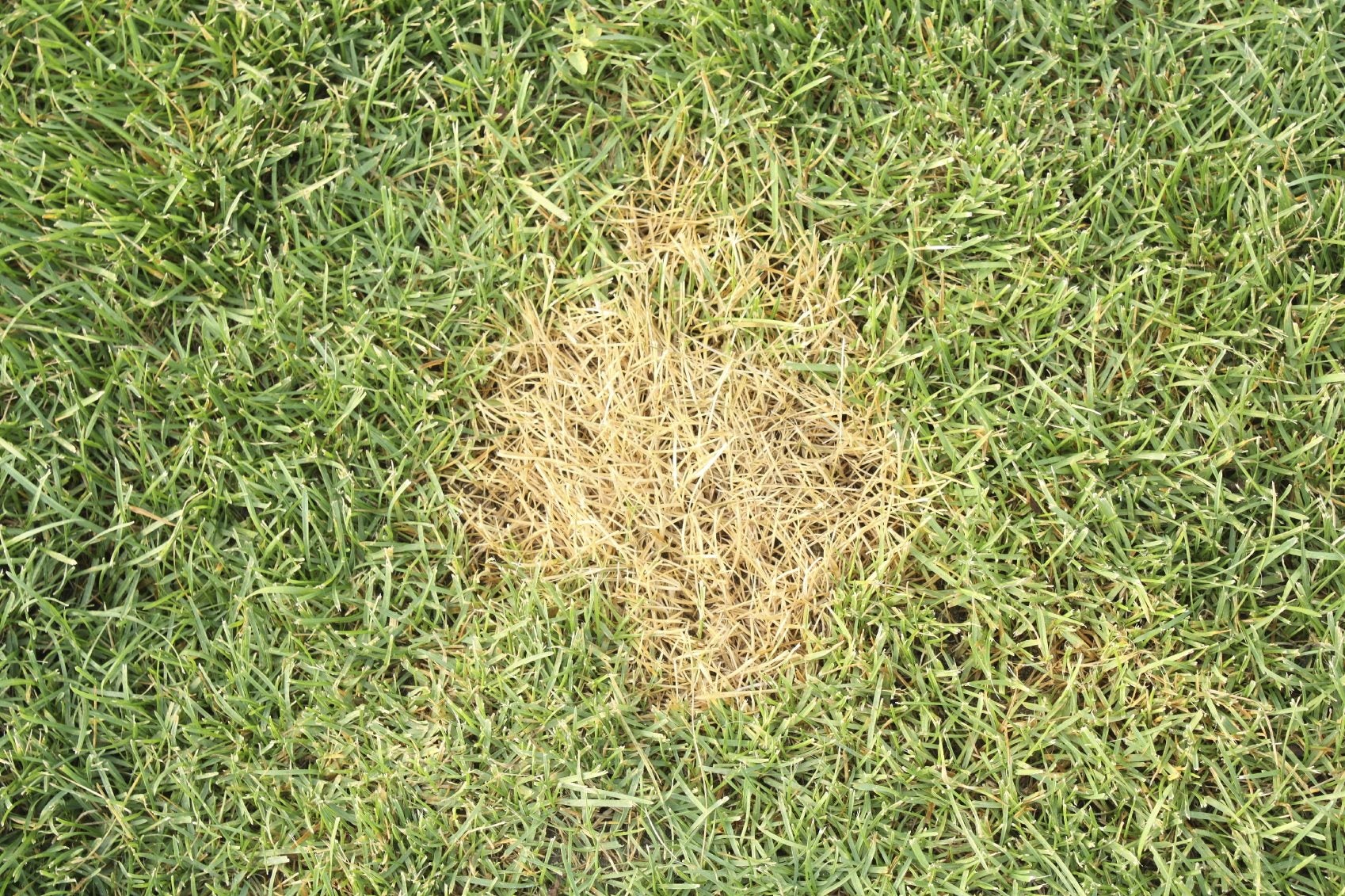
Can you repair brown spots in your lawn? Yes, you absolutely can! Addressing brown spots in your lawn involves identifying the cause and applying the right solutions. This comprehensive guide will walk you through everything you need to know to revive your turf from these unsightly patches. We’ll cover everything from common causes to effective treatments, ensuring your lawn looks lush and green again.
Deciphering the Causes of Brown Spots
Brown spots in your lawn are a common problem, but they can stem from a variety of sources. Pinpointing the exact reason is the first crucial step towards a successful repair.
Common Culprits Behind Lawn Browning
- Drought Stress: Not enough water is a primary reason for brown patches. When grass doesn’t get enough moisture, it goes dormant, turning brown to protect itself.
- Overwatering: Ironically, too much water can also cause problems. Waterlogged soil can suffocate grass roots and create an environment where diseases thrive.
- Animal Urination: Pets, especially dogs, often leave behind nitrogen-rich urine that burns the grass, creating distinct brown spots.
- Fungal Diseases: Various lawn diseases can manifest as brown patches, often with specific patterns or colorations.
- Insect Infestations: Grubs, chinch bugs, and other lawn pests can damage grass roots, leading to wilting and browning.
- Compacted Soil: Hard, compacted soil prevents water, air, and nutrients from reaching grass roots, causing stress and browning.
- Excessive Fertilizer: Applying too much fertilizer can “burn” the grass, similar to pet urine, resulting in brown areas.
- Mower Damage: Dull mower blades can tear grass blades, leaving them susceptible to disease and browning.
- Weed Competition: Certain weeds can outcompete grass for resources, leading to localized dieback and brown patches.
- Chemical Spills: Accidental spills of gasoline, oil, or harsh chemicals can kill grass instantly.
Step-by-Step Lawn Repair Process
Once you have a good idea of what might be causing your brown spots, you can begin the repair process. This typically involves several key stages.
1. Accurate Lawn Disease Identification
Proper lawn disease identification is paramount. If you suspect a fungal issue, look closely at the affected areas.
- Ring Spot: Often appears as circular patches with a darker ring around the edge.
- Dollar Spot: Small, straw-colored spots, about the size of a silver dollar, with a tan border and a pinkish or brownish center.
- Brown Patch: Irregularly shaped patches that can expand rapidly, often with a straw-like color in the center and a darker, water-soaked outer ring.
- Rust: A powdery, orange-yellow growth on grass blades that can spread throughout the lawn.
Tips for Identification:
- Examine the grass blades for signs of discoloration, wilting, or lesions.
- Check the pattern of the brown spots – are they circular, irregular, or scattered?
- Consider recent weather conditions – many diseases thrive in specific moisture and temperature ranges.
- If unsure, take a sample of the affected grass and soil to a local garden center or extension office for expert advice.
2. Addressing the Root Cause
Before you reseed or apply treatments, you must rectify the underlying issue.
Watering Lawn Wisely
- Frequency and Depth: Water deeply but infrequently. Aim for about 1 inch of water per week, delivered in one or two watering sessions. This encourages deep root growth.
- Timing: Water early in the morning (between 4 a.m. and 10 a.m.). This allows the grass to dry before nightfall, reducing the risk of fungal diseases.
- Avoid Overwatering: Soggy soil is a breeding ground for many lawn diseases. Ensure your soil has good drainage.
Correct Fertilizing Lawn Practices
- Soil Testing: Before applying any fertilizer, perform a soil testing. This tells you what nutrients your soil is lacking and helps prevent over-fertilization.
- Appropriate Fertilizer: Use a slow-release fertilizer suitable for your grass type.
- Application Timing: Fertilize during the grass’s active growing season. Avoid fertilizing during extreme heat or drought.
- Even Application: Use a spreader to ensure even distribution and avoid concentrated areas that can burn the lawn.
Effective Weed Control
- Identify Weeds: Know what types of weeds you are dealing with.
- Manual Removal: For small infestations, hand-pulling weeds, roots and all, is effective.
- Herbicides: Choose a selective herbicide that targets your specific weeds without harming your grass. Apply according to label instructions.
- Healthy Turf: A thick, healthy lawn is the best defense against weeds. Proper watering, fertilizing, and mowing help create this dense turf.
Managing Pest Damage Lawn
- Identify Pests: Look for signs of insect activity, such as chewed grass blades, tunnels, or the insects themselves.
- Grubs: These C-shaped white larvae feed on grass roots. You might see them by lifting up a patch of turf.
- Chinch Bugs: Tiny insects that suck the juices from grass blades, causing irregular brown patches.
- Treatment: Depending on the pest, you may need to use insecticides. Consider organic options first. Spot-treat only the affected areas to minimize harm to beneficial insects.
3. Preparing the Damaged Area
Once the cause is addressed, prepare the brown spot for recovery.
Lawn Aeration Techniques
- Purpose: Lawn aeration involves creating small holes in the soil. This relieves soil compaction, allowing air, water, and nutrients to penetrate the root zone.
- When to Aerate: The best time to aerate is when the grass is actively growing, typically in the spring or fall.
- How to Aerate: Use a core aerator (which pulls out plugs of soil) or a spike aerator. Core aeration is generally more effective.
Overseeding for Patchy Areas
- Timing: Overseed in the fall or spring when temperatures are moderate, allowing new seeds to establish.
- Seed Selection: Choose a grass seed variety that matches your existing lawn.
- Preparation: Rake the brown spots to loosen the soil and remove any dead grass or debris.
- Sowing Seeds: Spread the grass seed evenly over the prepared area. Lightly rake the seeds into the soil to ensure good seed-to-soil contact.
- Watering: Keep the seeded area consistently moist until the new grass sprouts.
4. Applying Targeted Treatments
Now it’s time for specific treatments depending on the identified problem.
Effective Grass Treatment Options
- For Drought Stress: Implement a consistent watering schedule. Gradually reintroduce water if the lawn has been severely dry to avoid shocking the grass.
- For Fertilizer Burn: Water the affected area heavily to help dilute and wash away excess fertilizer. You may need to reseed if the grass is severely damaged.
- For Pet Spots: Often, these spots can be reseeded after watering them thoroughly. You can also try to train your pet to use a designated “potty area.”
Brown Patch Cure and Fungicide Application
If lawn disease identification points to a fungal issue like brown patch, a brown patch cure or other appropriate treatment is necessary.
- Fungicides: For fungal diseases, a fungicide application might be required. Choose a fungicide that specifically targets the identified disease.
- Application: Follow the product label instructions carefully. Apply evenly over the affected area and water it in as directed.
- Preventative Measures: Good lawn care practices, such as proper watering, mowing, and aeration, can help prevent fungal diseases from taking hold.
Maintaining a Healthy Lawn to Prevent Future Issues
Prevention is key to keeping your lawn looking its best and avoiding recurring brown spots.
Mowing Practices
- Mowing Height: Mow at the higher end of the recommended range for your grass type. Taller grass shades the soil, keeping it cooler and moister, and helps it outcompete weeds.
- Sharp Blades: Always use sharp mower blades. Dull blades tear grass, leaving ragged edges that are prone to disease and browning.
- Clippings: Leave grass clippings on the lawn (grasscycling), as they return valuable nutrients to the soil.
Seasonal Lawn Care
- Spring: Aerate, dethatch (if necessary), and apply a pre-emergent herbicide if you have a history of crabgrass. Fertilize appropriately.
- Summer: Maintain a consistent watering schedule, adjust mowing height, and spot-treat any weeds or pests.
- Fall: Overseed any bare or thin patches, aerate again if needed, and apply a fall fertilizer to help the grass store energy for winter.
- Winter: Avoid heavy traffic on frozen or saturated soil.
Troubleshooting Common Brown Spot Scenarios
Let’s look at some specific brown spot scenarios and how to tackle them.
Scenario 1: Circular Brown Spots with Greener Grass in the Middle
This pattern often indicates a fungal disease like “fairy ring” or, in some cases, severe grub damage.
- Action: For suspected fairy ring, you may need a fungicide. For grub damage, treat with an appropriate grub killer. Aeration and overseeding can help fill in the damaged areas once the cause is eliminated.
Scenario 2: Irregular Brown Patches Appearing After Heavy Rain
This could be due to poor drainage or a fungal disease that thrives in wet conditions, such as brown patch.
- Action: Improve drainage if possible (e.g., by aerating or adding topsoil). Apply a fungicide if a disease is identified. Ensure you are not overwatering.
Scenario 3: Small, Scattered Brown Spots Across the Lawn
This can be caused by a variety of issues, including pet urine, fertilizer burn, or certain types of fungal infections like dollar spot.
- Action: If pet spots are suspected, water the area thoroughly. If it’s fertilizer burn, the same applies. For dollar spot, a fungicide may be needed. In all cases, gently rake the area and reseed.
Scenario 4: Large, Blighted-Looking Brown Areas
This is often a sign of more severe issues like widespread grub infestation, a rapidly spreading fungal disease, or extreme drought stress.
- Action: A thorough inspection is critical. If grubs are present, a systemic insecticide might be necessary. For aggressive fungal diseases, a potent fungicide is usually required. In cases of severe drought, a deep watering is essential. If a large area is dead, you may need to remove the dead grass and reseed or lay sod.
Tools and Supplies for Lawn Repair
Having the right tools makes the repair process much easier.
| Tool/Supply | Purpose |
|---|---|
| Soil Tester | To determine nutrient levels and pH. |
| Aerator | To relieve soil compaction. |
| Dethatcher/Rake | To remove thatch and loosen soil for seeding. |
| Spreader | For even application of seed, fertilizer, and treatments. |
| Hose with Sprinkler | For consistent watering. |
| Grass Seed | To fill in bare or thin patches. |
| Fertilizer | To provide essential nutrients. |
| Fungicide | To treat fungal diseases. |
| Insecticide | To treat insect infestations. |
| Gloves and Boots | For personal protection. |
| Wheelbarrow | To transport soil, compost, or debris. |
Frequently Asked Questions (FAQ)
Q1: How long does it take for brown spots to recover?
A: Recovery time varies greatly depending on the cause and the treatment. Minor issues like light drought stress might recover in a week or two with proper watering. Fungal diseases or pest damage can take several weeks or even months, especially if reseeding is involved and the new grass needs to establish.
Q2: Can I just cover brown spots with topsoil and seed?
A: While reseeding is part of the process, simply covering the brown spots without addressing the underlying cause won’t solve the problem. You must identify and correct the reason for the browning first. Also, always prepare the soil by loosening it before seeding.
Q3: Is it better to water my lawn every day or less often?
A: It’s almost always better to water deeply and less often. This encourages grass roots to grow deeper into the soil, making the lawn more drought-tolerant and resilient. Daily light watering can lead to shallow root systems and increase the risk of disease.
Q4: What is the best time of year to repair brown spots?
A: The best time for major lawn repairs, especially overseeding, is typically in the fall or spring when temperatures are moderate and there’s adequate moisture for seed germination and establishment. However, you can address the root cause (like watering issues or pests) at any time of year.
Q5: How can I prevent my dog from making brown spots?
A: You can train your dog to use a specific area of your yard. Regularly watering areas where your dog urinates can help dilute the nitrogen. Some people also supplement their dog’s diet with supplements that are supposed to neutralize urine, though results can vary.
By following these steps and dedicating consistent effort, you can effectively repair brown spots in your lawn and enjoy a beautiful, healthy green carpet once again. Remember, observation and prompt action are your best tools in maintaining a vibrant lawn.