
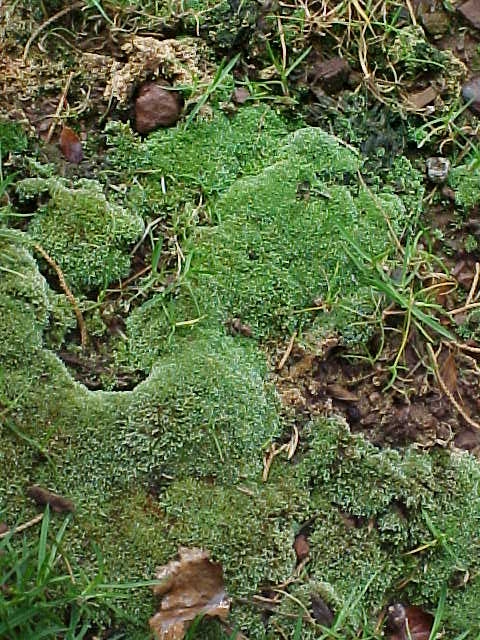
Image Source: www.fairwaygreeninc.com
Why Do I Have Moss In My Lawn? Causes & Solutions
Moss in your lawn is a common issue for many homeowners. Do you have moss in your lawn? Yes, moss thrives in specific conditions that your lawn might be providing, such as shade, poor drainage, and compacted soil. Fortunately, you can take steps to address these issues and restore your lawn’s health.
Moss, a non-flowering plant that reproduces via spores, often appears as a dense, green carpet. While it can look attractive in certain garden settings, its presence in a lawn usually signals underlying problems. This in-depth guide will delve into the lawn moss causes, explain moss on grass reasons, and provide effective strategies for getting rid of lawn moss and achieving a healthier, greener turf. We will cover everything from moss control for lawns to essential lawn care and moss management.
Fathoming the Root Causes of Lawn Moss
Moss isn’t an invasive weed in the traditional sense. It doesn’t steal nutrients from grass in the same way. Instead, its appearance is a symptom, an indicator that the conditions are less than ideal for your grass to thrive, but perfectly suited for moss. Identifying these underlying causes is the first and most crucial step in tackling moss growth.
Lawn Moss Causes: A Deeper Look
Several factors can contribute to the unwelcome spread of moss across your lawn. These often work in combination, creating a perfect storm for moss to take hold.
-
Shade: One of the most significant culprits behind shaded lawn moss is insufficient sunlight. Most desirable lawn grasses require at least 4-6 hours of direct sunlight daily to grow vigorously. Areas of your lawn that are constantly in shade due to trees, buildings, or other structures are prime real estate for moss. Moss, on the other hand, can tolerate much lower light levels and even thrive in deep shade. This creates a competitive advantage for moss over grass in these spots.
-
Poor Drainage and Dampness: Moss loves moisture. Lawns with poor drainage or those that remain wet for extended periods are susceptible to moss growth. This can be due to heavy clay soils that don’t absorb water well, over-watering, or compacted soil that prevents water from penetrating effectively. A damp lawn moss problem is a clear sign that water is not moving through the soil as it should. This persistent moisture creates an environment where moss can flourish while stressing the grass roots.
-
Soil Compaction: When soil becomes compacted, air and water cannot penetrate it easily. This not only suffocates grass roots by limiting oxygen but also contributes to surface moisture retention. Walking, playing, and mowing can all compact soil over time. Compacted soil is a significant factor in moss on grass reasons, as it hinders the healthy growth of turfgrass while creating ideal conditions for moss.
-
Low Soil Fertility and pH: Grasses have specific nutritional requirements and prefer a slightly acidic to neutral soil pH (typically between 6.0 and 7.0). If your soil is deficient in essential nutrients like nitrogen or phosphorus, or if its pH is too low (acidic), grass will struggle. Moss, however, is less demanding and can tolerate lower fertility and more acidic conditions. Therefore, a mossy lawn can indicate that your soil needs amending to support healthy grass growth.
-
Mowing Practices: Mowing your lawn too short can stress the grass, making it more vulnerable to moss invasion. Short grass blades have less surface area for photosynthesis, weakening the plant. Similarly, dull mower blades can tear grass, creating entry points for disease and stress that moss can exploit.
-
Over-Seeding or Thinning Grass: If your lawn is naturally thin due to disease, drought, or wear and tear, there is more space for moss to colonize. Moss will quickly fill in these bare patches.
Deciphering the Symptoms: Why Moss Takes Hold
The appearance of moss isn’t random. It’s a visual cue that your lawn’s ecosystem is out of balance. Let’s break down why these conditions favor moss.
-
Competitive Advantage in Shade: In shaded areas, sunlight is limited. Grass photosynthesis is reduced, meaning it produces less energy to grow and spread. Moss, a simpler plant form, requires far less light. It can grow and spread efficiently in these low-light conditions where grass struggles.
-
Moisture Retention: Moss has a high water-holding capacity. It can absorb moisture from the air and from the soil surface. When soil remains damp due to poor drainage or frequent watering, moss can thrive on this excess moisture. Grass roots, conversely, can suffer from waterlogged soil, leading to root rot and weakening the turf.
-
Tolerance to Compacted Soil: In compacted soil, grass roots struggle to grow deeply and access water and nutrients. This limits the grass’s vigor. Moss, with its shallow root system, is less affected by compaction and can spread easily across the soil surface.
-
Adaptability to Soil Conditions: Moss is generally more tolerant of acidic soils and lower nutrient levels than most common lawn grasses. If your soil’s pH has dropped, or if it’s lacking essential nutrients, grass will weaken, making it easier for moss to take over.
Strategies for Getting Rid of Lawn Moss
Tackling moss effectively requires a two-pronged approach: eliminating the existing moss and, more importantly, correcting the underlying conditions that allow it to thrive. This ensures long-term success in preventing moss in lawn.
Moss Control for Lawns: A Comprehensive Plan
Here’s a step-by-step guide to managing and eliminating moss from your lawn:
1. Aeration:
Aeration is a crucial step in breaking up soil compaction. It involves removing small cores of soil from the lawn, allowing air, water, and nutrients to reach the grass roots more effectively. This process also helps to alleviate surface moisture and creates a better environment for grass growth.
-
How to Aerate: You can use a manual core aerator (a tool with hollow tines) for smaller areas or a powered aerator for larger lawns. Ideally, aerate when the soil is moist but not waterlogged.
-
When to Aerate: Fall is generally the best time to aerate cool-season grasses, while late spring or early summer is better for warm-season grasses. Aerating in conjunction with overseeding can dramatically improve lawn density.
2. Dethatching:
Thatch is a layer of dead and living organic matter that builds up between the grass blades and the soil surface. A thick layer of thatch (more than 0.5 inches) can impede water and air penetration, creating a damp environment that favors moss.
-
How to Dethatch: You can use a power rake or a dethatching blade on a lawn mower. This process loosens and removes the thatch layer.
-
When to Dethatch: Similar to aeration, fall is an excellent time for cool-season grasses, and late spring/early summer for warm-season grasses.
3. Improving Drainage:
If poor drainage is a significant factor, consider addressing it directly.
- Top Dressing: After aeration, applying a thin layer of compost or good quality topsoil can help improve soil structure over time.
- Drainage Systems: For severe drainage issues, you might need to consider installing French drains or regrading your lawn.
- Reduce Watering: Ensure you are not over-watering your lawn. Water deeply but infrequently, allowing the soil surface to dry out between waterings.
4. Adjusting Sunlight:
While you can’t easily change the sun’s path, you can manage the factors causing shade.
- Pruning Trees: Trim back overgrown tree branches that are casting excessive shade on your lawn.
- Selective Removal: In some cases, removing trees that are overly shading a large portion of the lawn might be necessary for grass to thrive.
- Shade-Tolerant Grasses: Consider overseeding with grass varieties that are more tolerant of shade if sunlight cannot be improved.
5. Adjusting Mowing Height:
Mow your lawn at the higher end of the recommended range for your grass type. Taller grass blades provide more shade to the soil, reducing surface moisture and helping to suppress moss. Aim for about 2.5 to 3.5 inches for most cool-season grasses.
6. Fertilization and Soil pH Adjustment:
A soil test is invaluable here. It will tell you the nutrient levels and the pH of your soil.
- Fertilize Appropriately: Based on your soil test results, apply a balanced fertilizer at the correct times of the year. A healthy, vigorously growing lawn can outcompete moss.
- Adjust pH: If your soil is too acidic, you may need to apply lime to raise the pH. If it’s too alkaline, sulfur can be used to lower it. Follow the recommendations from your soil test carefully.
7. Addressing Moss Directly:
Once the underlying issues are being addressed, you can directly remove existing moss.
- Raking: For light moss growth, vigorous raking with a stiff garden rake can remove it. This is often done after aerating or dethatching.
- Moss Killers (Herbicides): Several products are available that contain active ingredients like iron sulfate (ferrous sulfate) or chelated iron. These kill moss, turning it black, after which it can be raked out. Follow product instructions carefully. Always test on a small area first to ensure it doesn’t harm your grass.
- Manual Removal: For small patches, you can simply dig out the moss.
8. Overseeding:
After addressing the issues and removing the moss, overseeding with a quality grass seed mix appropriate for your region and conditions is vital. This helps to thicken the turf and prevent moss from returning to bare patches.
Mossy Lawn Treatments: Specific Solutions
Let’s delve into some specific mossy lawn treatments and how they work.
Chemical Treatments for Moss
While cultural practices are key, chemical treatments can offer a quicker solution for existing moss.
-
Iron-Based Products (Ferrous Sulfate):
- How they work: Ferrous sulfate is a common ingredient in moss killers. It acts as a desiccant, drying out the moss, and it also provides iron, which can be beneficial for grass but toxic to moss in higher concentrations. It turns moss black, making it easier to rake out.
- Application: Typically applied as a granular or liquid spray. Ensure even coverage.
- Caution: Can temporarily stain concrete or paving. Test on a small area of grass first.
-
Other Herbicides: Some products may contain other active ingredients designed to kill moss. Always read and follow label instructions meticulously.
Natural and Organic Approaches
For those preferring to avoid chemicals, several organic methods are effective.
-
Lime (for Acidic Soil): If a soil test indicates your lawn is too acidic, applying garden lime can help raise the pH. Moss often thrives in acidic conditions, so correcting the pH can make the environment less hospitable for moss and more favorable for grass.
- Application: Apply lime according to soil test recommendations. It’s best applied in fall or early spring.
- Note: Lime takes time to work and doesn’t kill moss directly; it changes the soil conditions.
-
Baking Soda (Sodium Bicarbonate):
- How it works: Baking soda can kill moss by dehydrating it. However, it can also harm grass if applied too heavily or too frequently.
- Application: A dilute solution (e.g., 1 tablespoon per gallon of water) can be sprayed directly onto moss. Use sparingly and with caution.
-
Vinegar (Acetic Acid):
- How it works: Household vinegar is acidic and can burn moss.
- Application: Dilute horticultural vinegar (which is stronger than household vinegar) with water and spray directly onto the moss.
- Caution: Vinegar can also damage grass. It’s a contact killer and doesn’t alter soil conditions.
Lawn Care and Moss: Ongoing Maintenance
Consistent and proper lawn care and moss management is the most effective way to prevent its return.
- Regular Aeration and Dethatching: Make these part of your annual lawn care routine.
- Proper Watering: Water deeply and infrequently. Check soil moisture before watering.
- Correct Mowing: Maintain a healthy mowing height.
- Fertilization: Feed your lawn with the right nutrients at the right times.
- Overseeding: Keep your lawn dense by overseeding in the fall.
- Soil Testing: Conduct soil tests every few years to monitor pH and nutrient levels.
Preventing Moss in Lawn: The Proactive Approach
The best way to deal with moss is to stop it before it starts. Proactive prevent moss in lawn strategies focus on creating an environment where grass thrives and moss cannot gain a foothold.
- Maximize Sunlight: Prune trees and shrubs that cast excessive shade.
- Improve Drainage: Address any waterlogged areas promptly.
- Avoid Soil Compaction: Use pathways where heavy traffic occurs, and aerate regularly.
- Maintain Healthy Soil: Regular soil testing and amendment are key.
- Proper Mowing and Watering: These are fundamental to a healthy lawn.
- Choose the Right Grass: Select grass varieties suited to your climate and the light conditions in your yard.
Table: Common Moss Growth Conditions and Solutions
| Condition | Why it Favors Moss | Solutions |
|---|---|---|
| Shade | Grass struggles with low light, while moss thrives. | Prune trees, remove lower branches. Consider shade-tolerant grass varieties. |
| Poor Drainage/Dampness | Persistent moisture weakens grass roots and provides ideal conditions for moss. | Aerate, dethatch, improve soil structure. Address underlying drainage issues. Water deeply but infrequently. |
| Soil Compaction | Restricts air, water, and nutrient flow to grass roots, weakening turf. Moss can spread easily on compacted surfaces. | Core aeration, dethatching. Reduce traffic on the lawn. |
| Low Fertility | Grass becomes weak and thin, making it susceptible to moss invasion. | Soil test and fertilize according to recommendations. |
| Acidic Soil (Low pH) | Many lawn grasses prefer a slightly acidic to neutral pH. Moss can tolerate more acidic conditions. | Soil test and apply lime to raise pH if necessary. |
| Mowing Too Short | Weakens grass, reducing its ability to compete with moss and increasing surface moisture retention. | Mow at the higher recommended height for your grass type. |
| Thin or Bare Patches | Provides open space for moss to establish and spread easily. | Overseed regularly, especially after addressing underlying issues and removing existing moss. |
Frequently Asked Questions (FAQ)
Q1: Can I just rake the moss out of my lawn?
A: Raking can remove superficial moss, especially if done vigorously after aeration or dethatching. However, it rarely solves the underlying problem, so the moss will likely return unless you address the conditions that allow it to grow.
Q2: Will moss kill my grass?
A: Moss itself doesn’t typically kill grass. Instead, its presence indicates conditions that are stressing your grass, making it weak and vulnerable. Moss then fills in these weakened areas.
Q3: When is the best time to treat moss in my lawn?
A: The best time to treat moss is often in early spring or fall when moss is actively growing, and your grass is also in a growth phase. This allows the grass to recover and outcompete the moss after treatment.
Q4: How long does it take for moss to go away after treatment?
A: After applying a moss killer, the moss will typically turn black within a few days to a week. It can then be raked out. However, addressing the underlying causes is a longer-term process, and it may take a season or two to see a significant reduction in moss recurrence.
Q5: Is moss bad for my lawn?
A: While moss isn’t harmful to grass in small amounts, its widespread presence is a strong indicator of poor lawn health and environmental conditions. It suggests that your grass is not thriving, which can lead to a less attractive and less resilient lawn.
Q6: Can I prevent moss from growing back?
A: Yes, by consistently implementing the solutions discussed, such as improving drainage, adjusting sunlight, aerating, and maintaining a healthy, dense turf, you can effectively prevent moss from returning.
By diligently identifying and rectifying the conditions that allow moss to thrive, you can transform your mossy lawn into a lush, healthy, and resilient carpet of green grass. Remember, consistency in your lawn care practices is the key to long-term success.