
What is the best way to kill clover? The best way to kill clover involves a multi-pronged approach combining cultural practices, manual removal, and targeted treatments.
Clover in your lawn, while sometimes seen as a sign of a healthy, nitrogen-fixing plant, can quickly become an unwelcome guest. Its low-growing habit can smother desirable turfgrass, and its prolific seeding can lead to a significant clover infestation if left unchecked. This guide will delve into effective strategies for clover control, helping you achieve a lush, green, and weed-free lawn.
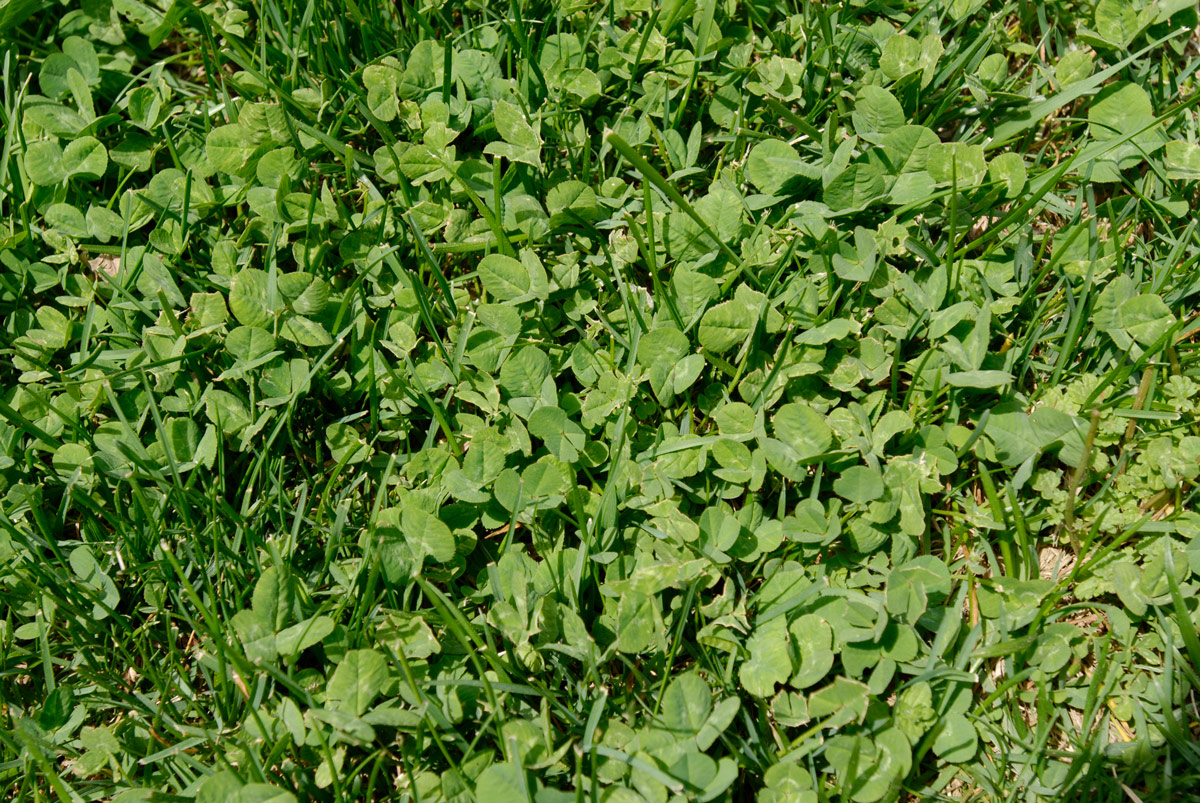
Image Source: naturalawn.com
Why Clover Appears in Your Lawn
Before we discuss how to remove clover from your lawn, it’s helpful to know why it likes to grow there in the first place. Clover thrives in lawns that are:
- Low in Nitrogen: Clover naturally fixes nitrogen from the air into the soil. When your grass is struggling due to a lack of nitrogen, clover steps in to fill the void.
- Compact or Poorly Aerated Soil: Clover’s shallow root system can better penetrate compacted soil than many turfgrasses.
- Infrequent or Shallow Watering: Turfgrass roots grow deeper when watered less frequently but more thoroughly. Clover, with its shallow roots, can tolerate more frequent, lighter watering.
- Mowed Too Short: Mowing your lawn too low removes grass blades, reducing photosynthesis and weakening the grass. This gives clover an advantage.
- Damaged or Thin Turf: Bare patches or thin areas in your lawn are prime real estate for clover to establish itself.
Methods for Clover Control
There are several effective ways to tackle a clover problem, ranging from natural methods to chemical solutions. The best approach often depends on the severity of the infestation and your preference for treatment.
1. Hand Pulling Clover
For small patches or a new clover infestation, hand pulling is a simple and effective method.
How to Hand Pull Clover:
- Timing: The best time to hand pull clover is after a rain or when the soil is moist. This makes it easier to pull out the entire plant, including the roots.
- Tools: Use a trowel or a weeding tool to loosen the soil around the base of the clover plant.
- Technique: Grasp the clover plant firmly at its base and pull upwards. Try to get the entire root system.
- Disposal: Dispose of the pulled clover in a sealed bag to prevent seeds from spreading.
- Consistency: This method requires persistence, especially if you have a widespread clover infestation. Repeat the process regularly to keep new growth in check.
Pros:
* Environmentally friendly.
* No chemical use.
* Effective for small areas.
Cons:
* Time-consuming for large infestations.
* May not remove all roots, allowing regrowth.
2. Improving Lawn Health: The Best Long-Term Strategy
The most sustainable way to manage clover is to create a lawn that is healthy and dense enough to naturally outcompete it. This is a key aspect of effective clover control.
Key Cultural Practices:
- Proper Fertilization: Apply a balanced fertilizer according to your lawn’s specific needs. Focus on nitrogen to promote dense turf growth. Consider a slow-release fertilizer for sustained feeding.
- Appropriate Mowing Height: Mow your lawn at the higher end of the recommended range for your grass type. This encourages deeper root growth and shades out weed seedlings like clover. For most cool-season grasses, this means mowing at 3-4 inches.
- Deep and Infrequent Watering: Water your lawn deeply but less often. This encourages turfgrass roots to grow deeper into the soil, making them more resilient and better able to access moisture, which clover struggles to do when competing with established grass.
- Aeration: Compacted soil makes it difficult for grass roots to grow. Aerating your lawn periodically helps to loosen the soil, improving air, water, and nutrient penetration to the root zone.
- Overseeding: Fill in any thin or bare spots by overseeding with a high-quality grass seed suitable for your climate. A dense lawn leaves no room for weeds to establish.
3. Natural Clover Removal
For those seeking to remove clover from your lawn without harsh chemicals, several natural clover removal methods can be effective.
Natural Treatment Options:
- Vinegar (Acetic Acid): Household vinegar (5% acetic acid) can kill clover on contact, but it’s a non-selective herbicide, meaning it can also damage or kill your grass.
- Application: Spray directly onto the clover on a sunny, warm day. Avoid spraying grass.
- Caution: This method is best for spot treatment and can be labor-intensive for large areas. It may require repeat applications. For a more potent effect, horticultural vinegar (20% acetic acid) can be used, but it is much stronger and requires extreme caution and protective gear.
- Boiling Water: Pouring boiling water directly on clover will kill it.
- Application: Carefully pour boiling water directly onto the clover patches.
- Caution: Like vinegar, this is non-selective and will kill any plant it touches. Best for cracks in pavement or very small, isolated patches in the lawn.
- Corn Gluten Meal: This is a pre-emergent herbicide that inhibits root formation in germinating seeds.
- Application: Apply in early spring, before clover seeds germinate. It needs to be watered in and then remain dry for a period.
- Effectiveness: It’s most effective at preventing new growth rather than killing existing plants.
4. Chemical Weed Control: Herbicides for Clover
When other methods aren’t enough, herbicides specifically formulated for clover can be highly effective. Choosing the right clover killer is crucial for successful lawn weed removal.
Types of Herbicides for Clover:
- Broadleaf Herbicides: Most common lawn herbicides are designed to target broadleaf weeds like clover, while leaving grasses unharmed. Look for products containing active ingredients such as:
- MCPP (Mecoprop-p): Effective against many broadleaf weeds.
- 2,4-D: A widely used herbicide for broadleaf weed control.
- Dicamba: Another common active ingredient in broadleaf weed killers.
- Trimec (a combination of 2,4-D, MCPP, and Dicamba): Often provides broad-spectrum control.
- Triclopyr: Especially effective on woody plants and stubborn broadleaf weeds.
- Selective vs. Non-Selective:
- Selective herbicides target specific types of plants (like broadleaf weeds) without harming others (like your grass). These are generally preferred for lawn care.
- Non-selective herbicides (like glyphosate) kill all plants they come into contact with. These should only be used for spot treatment in areas where you want to kill everything, or as a last resort when reseeding.
Application Tips for Herbicides:
- Read the Label: Always read and follow the product label instructions carefully. This includes application rates, timing, and safety precautions.
- Timing: The best time to apply herbicides for clover is typically in the spring or fall when clover is actively growing and temperatures are between 60-85°F (15-29°C). Avoid applying during extreme heat or drought.
- Spot Treatment: For localized clover patches, spot spraying is more efficient and reduces the amount of chemical used.
- Even Application: If using a broadcast spreader for granular herbicides or a sprayer for liquid ones, ensure even coverage to avoid striping or missing areas.
- Watering: Some herbicides require watering after application, while others are activated by dew. Check the label.
- Multiple Applications: For stubborn clover infestations, multiple applications may be necessary, spaced according to the product label.
Table: Common Herbicides for Clover Control
| Active Ingredient(s) | Type of Herbicide | Best For | Notes |
|---|---|---|---|
| 2,4-D | Selective | Most broadleaf weeds, including clover | Readily available, effective. May require multiple applications. |
| Mecoprop (MCPP) | Selective | Chickweed, clover, plantain, and others | Often combined with 2,4-D and Dicamba. |
| Dicamba | Selective | Broadleaf weeds, especially in established lawns | Can be volatile; avoid drift onto desirable plants. |
| Triclopyr | Selective | Tough broadleaf weeds, vines, and brush | Particularly effective against white clover and other stubborn varieties. |
| Glyphosate | Non-Selective | All plants, including grass | Use only for spot treatment or clearing areas for renovation. |
5. Aeration and Dethatching
These practices improve the overall health of your lawn, making it more resistant to weeds like clover.
- Aeration: As mentioned earlier, it relieves soil compaction.
- Dethatching: A thick layer of thatch (dead grass stems and roots) can suffocate your turfgrass and create a favorable environment for weeds. Dethatching removes this layer, allowing air, water, and nutrients to reach the soil and grass roots.
Preventing Clover in the Future
Once you’ve managed your existing clover problem, focus on preventing its return. This involves continuing the cultural practices that promote a healthy lawn.
Strategies for Prevention:
- Maintain a Healthy Lawn: The best defense against any weed is a thick, healthy stand of turfgrass.
- Regular Soil Testing: Test your soil every few years to determine its nutrient levels and pH. Adjustments based on test results can significantly improve grass health.
- Nitrogen Management: Ensure your lawn receives adequate nitrogen, but avoid over-fertilizing, which can weaken grass and encourage other weed types.
- Proper Watering and Mowing: Stick to the deep, infrequent watering and appropriate mowing height recommendations.
- Monitor for Early Signs: Keep an eye out for new clover seedlings or small patches. Addressing them early is much easier than dealing with a full-blown clover infestation.
Addressing a Severe Clover Infestation
If your lawn is heavily blanketed in clover, a more aggressive approach may be necessary.
Step-by-Step for Severe Infestations:
- Assess the Situation: Determine how much of your lawn is affected by clover.
- Consider Renovation: For severe cases, you might consider a complete lawn renovation. This could involve:
- Applying a non-selective herbicide (like glyphosate) to kill all existing vegetation, including clover and grass.
- Thoroughly dethatching and removing debris.
- Aerating the soil.
- Reseeding with a high-quality turfgrass seed mix.
- Implementing a comprehensive fertilization and watering program from the start.
- Targeted Herbicide Application: If a full renovation isn’t feasible, use a strong broadleaf herbicide designed for clover. You may need to apply it multiple times throughout the growing season, following label instructions carefully.
- Follow-Up Care: After treatment, focus on strengthening your turfgrass through proper fertilization, watering, and mowing. This will help your grass outcompete any remaining or new clover growth.
Frequently Asked Questions (FAQ)
Q: Will clover eventually die on its own?
A: Clover is a perennial plant, meaning it lives for multiple years. While it may go dormant in unfavorable conditions (like extreme heat or drought), it will not naturally die off and disappear from your lawn without intervention. In fact, its nitrogen-fixing ability can sometimes help it survive in less-than-ideal conditions where grass struggles.
Q: Can I use a weed killer that contains 2,4-D for clover?
A: Yes, herbicides containing 2,4-D are generally effective against clover. It’s a selective broadleaf herbicide that targets clover while typically leaving turfgrass unharmed. Always ensure the product is labeled for use on your specific type of lawn grass and follow the application instructions precisely.
Q: Is it better to pull clover by hand or use a herbicide?
A: For small, isolated patches, hand pulling is an excellent, chemical-free option. It’s immediate and avoids the use of herbicides. However, for widespread clover infestations, herbicides are generally more efficient and effective in covering larger areas and ensuring thorough eradication. The best approach often depends on the scale of the problem and your preference for treatment methods.
Q: How often should I water my lawn to discourage clover?
A: To discourage clover and promote deep root growth in your turfgrass, water your lawn deeply but infrequently. Aim for about 1 inch of water per week, delivered in one or two watering sessions. This encourages grass roots to grow deeper, making them more drought-tolerant and better able to compete with clover’s shallow root system.
Q: When is the best time of year to treat clover?
A: The most effective time to treat clover with herbicides is during its active growing seasons, which are typically spring and fall. During these periods, clover is actively taking up nutrients and will absorb the herbicide more readily. The ideal temperature range for application is usually between 60-85°F (15-29°C). Avoid treating during extreme heat, drought, or when the grass is stressed.