
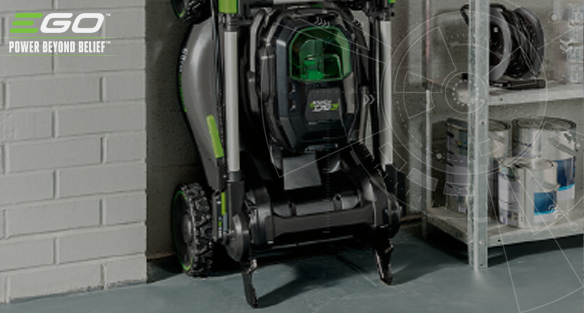
Image Source: egopowerplus.co.uk
How To Store A Lawn Mower For The Winter: Safely
Can you store a lawn mower outside for the winter? It’s best not to store a lawn mower outside for the winter. Exposing your mower to the elements can lead to rust, corrosion, and damage to its internal components, shortening its lifespan. Safe and proper winter storage is crucial for ensuring your lawn mower starts up smoothly next spring. This guide will walk you through every step of lawn mower winterization, ensuring your equipment is protected from the cold and ready for the next mowing season. We’ll cover everything from fuel management to battery care and the best practices for long term lawn mower storage.
Preparing Your Mower for Winter: A Step-by-Step Guide
Properly preparing mower for winter involves several key tasks. Neglecting these can result in costly repairs or a mower that won’t start when the snow melts. This seasonal maintenance is vital for the longevity of your machine.
1. Thorough Cleaning is Key
Before you even think about putting your mower away, a good clean is essential. This isn’t just about appearances; it’s about preventing rust and corrosion.
- Undercarriage: This is where most of the grass clippings, dirt, and debris accumulate. Use a stiff brush or a putty knife to scrape away caked-on material. For stubborn residue, a hose can be helpful, but avoid directing high-pressure water directly at the engine or electrical components. Ensure the mower is tilted at an angle that allows water to drain away, not into sensitive parts.
- Deck: Clean the entire cutting deck thoroughly. Any remaining grass can decompose and trap moisture, leading to rust.
- Engine and Housing: Wipe down the engine block and the mower’s outer housing with a damp cloth. A mild degreaser can be used for tougher grime.
- Wheels and Tires: Clean the wheels and tires, removing any mud or debris. This prevents them from drying out and cracking.
2. Fuel System Management: The Heart of Winterization
How you handle the fuel in your lawn mower during the off-season is perhaps the most critical step in lawn mower winterization. Stale fuel can gum up the carburetor and fuel lines, making starting difficult in the spring.
- Option A: Use a Fuel Stabilizer: This is the most common and recommended method.
- What is a fuel stabilizer for a lawn mower? A fuel stabilizer is an additive that prevents gasoline from breaking down and oxidizing. It keeps the fuel fresh and prevents gum and varnish from forming in the fuel system.
- How to use it:
- Ensure your mower has at least a quarter tank of fuel.
- Add the recommended amount of fuel stabilizer to the tank. Refer to the stabilizer’s product label for precise dosage.
- Run the engine for about 5-10 minutes. This crucial step ensures the stabilized fuel circulates throughout the entire fuel system, including the carburetor, fuel lines, and fuel filter.
- Once the engine has run with the stabilized fuel, turn it off.
- Option B: Empty the Fuel Tank: If you prefer not to use a stabilizer, you can drain the fuel tank completely.
- How to drain:
- Locate the fuel shut-off valve, usually near the fuel tank or carburetor. Turn it off.
- Place a gas-safe container beneath the fuel tank.
- Carefully siphon or drain the fuel from the tank. Many mowers have a drain plug on the carburetor bowl, which can be a more efficient way to empty the system. Consult your owner’s manual for specific instructions on draining your model.
- Once the tank is empty, start the engine and let it run until it stops from lack of fuel. This will clear any remaining fuel from the carburetor and fuel lines.
- How to drain:
3. Oil Change for a Healthier Engine
Changing the oil before storing your mower is like giving it a fresh start for the next season. Old oil contains contaminants that can damage the engine over time if left sitting.
- When to change: Ideally, change the oil at the end of the mowing season, just before winter storage.
- How to change:
- Warm up the engine by running it for a few minutes. This helps the old oil flow more easily.
- Turn off the engine and disconnect the spark plug wire to prevent accidental starts.
- Locate the oil drain plug, usually at the bottom of the engine. Place a suitable container underneath to catch the old oil.
- Carefully remove the drain plug and allow all the old oil to drain out.
- Once drained, replace the drain plug and tighten it securely.
- Locate the oil fill cap/dipstick. Using a funnel, add the correct type and amount of fresh engine oil as specified in your owner’s manual.
- Replace the oil fill cap and re-attach the spark plug wire.
4. Spark Plug Maintenance
A clean spark plug ensures good ignition. While not always strictly necessary for storage, it’s good seasonal lawn mower maintenance.
- Removal: After disconnecting the spark plug wire, use a spark plug wrench to carefully remove the spark plug.
- Inspection: Check the spark plug for signs of wear, fouling, or damage. If it looks dirty or worn, it’s a good idea to replace it.
- Cleaning: If it’s just slightly dirty, you can clean it with a wire brush.
- Reinstallation/Replacement: Reinstall the old spark plug (if clean) or a new one. Ensure it’s snug, but don’t overtighten. Reconnect the spark plug wire.
5. Air Filter Care
A clean air filter is vital for efficient engine performance.
- Paper Filters: If your mower has a paper air filter, it’s usually best to replace it before winter storage if it appears dirty or clogged. You can lightly tap it to remove loose debris, but avoid washing paper filters.
- Foam Filters: Foam filters can often be cleaned. Wash them with mild soap and water, rinse thoroughly, and allow them to dry completely. Once dry, lightly saturate the filter with clean engine oil and squeeze out the excess. This helps trap fine dust.
6. Blade Care: Sharpen and Protect
A sharp blade cuts grass cleanly, reducing stress on the mower and promoting a healthier lawn.
- Sharpening: Remove the mower blade. Use a file or grinding wheel to sharpen the cutting edge. Aim for the same angle as the original bevel.
- Balancing: After sharpening, it’s crucial to balance the blade. Use a blade balancer to ensure it spins evenly. An unbalanced blade can cause excessive vibration, damaging the mower.
- Rust Prevention: After sharpening and balancing, apply a light coating of oil to the blade to prevent rust during storage. You can use motor oil or a specialized rust inhibitor.
- Reinstallation: Reinstall the blade securely, ensuring it’s oriented correctly.
7. Battery Storage: Essential for Electric Starts
If your lawn mower has an electric start, its battery needs special attention for mower battery storage.
- Disconnect: Always disconnect the battery cables before storing the mower. Disconnect the negative (black) cable first, then the positive (red) cable.
- Charge: Ensure the battery is fully charged before storing. A trickle charger or battery tender can maintain the charge over the winter.
- Storage Location: Store the battery in a cool, dry place, away from direct sunlight and extreme temperatures. Never store a discharged battery, as it can freeze and suffer permanent damage.
- Reconnecting: When reconnecting in the spring, attach the positive cable first, then the negative cable.
8. Protecting Mower from Cold and Moisture
Protecting mower from cold and moisture is paramount for preventing damage.
- Ideal Storage Location: The best place to store lawn mower is a clean, dry, and protected environment. This could be a garage, shed, or a sheltered outdoor area.
- Covering: Use a breathable mower cover or a tarp to protect it from dust, moisture, and potential pests. Avoid plastic tarps that can trap moisture and promote condensation.
- Elevation: If storing on a concrete floor, consider placing the mower on blocks or a pallet. This elevates it and helps prevent moisture from being drawn up from the floor, especially in damp environments.
9. Mower Carburetor Winterizing: A Deeper Dive
The mower carburetor winterizing process is intrinsically linked to fuel management. A clean carburetor free of old fuel will prevent starting issues.
- Fuel Stabilizer Method (Recap): As mentioned in the fuel section, running the engine with stabilized fuel is the simplest way to ensure the carburetor is protected.
- Draining the Carburetor Bowl: For an extra layer of protection, especially if you’re concerned about fuel residue:
- Locate the drain screw on the bottom of the carburetor bowl.
- Place a suitable container beneath it.
- Loosen and remove the screw, allowing any fuel in the bowl to drain.
- Replace the drain screw.
10. Final Checks and Mower Storage Tips
Before you close the garage door for the winter, perform these final checks and consider these mower storage tips:
- Lubrication: Lubricate any moving parts, such as control cables and pivot points, with a light oil or lubricant to prevent seizing.
- Tire Pressure: Check tire pressure and inflate them to the recommended level if they seem low. This helps prevent flat spots from forming during long-term storage.
- Handlebars and Controls: Ensure all controls move freely.
- Manual: Keep your owner’s manual in a safe place. It contains valuable information for maintenance and troubleshooting.
Storing Different Types of Lawn Mowers
While the core principles of lawn mower winterization remain the same, there are slight variations for different mower types.
Riding Lawn Mowers and Lawn Tractors
Riding mowers and lawn tractors have more complex systems, including fuel tanks, transmissions, and batteries that require attention.
- Fuel System: The same fuel stabilization or draining methods apply. For larger fuel tanks, ensuring the stabilizer is properly circulated is even more critical.
- Battery Care: These mowers typically have larger batteries. Disconnect and charge them fully. A battery tender is highly recommended for mower battery storage on riding mowers.
- Transmission: If your riding mower has a manual transmission, check the owner’s manual for any specific lubrication or storage recommendations. Automatic transmissions generally don’t require special winterizing beyond what’s covered here.
- Deck Removal: For easier cleaning and storage, consider removing the mowing deck. This allows for more thorough cleaning of both the deck and the underside of the tractor.
- Tire Protection: Consider placing the mower on jack stands to take the weight off the tires, preventing flat spots. If this isn’t possible, ensure tires are properly inflated and consider rotating the mower slightly every few months if accessible.
- Cooling System: If your riding mower is liquid-cooled, check the coolant level and condition. Ensure it has adequate antifreeze protection for your climate.
Robotic Lawn Mowers
Robotic mowers are designed for autonomous operation and often have specific winter storage instructions.
- Cleaning: Clean the mower thoroughly, removing grass clippings and debris from the chassis, wheels, and charging contacts.
- Battery Removal: Most robotic mowers have integrated batteries that should not be removed. However, it’s crucial to store the mower in its charging station.
- Charging Station: Place the charging station in a dry, protected location.
- Firmware Updates: Check if there are any available firmware updates for your robotic mower before storage.
- Storage Location: Store the mower and its charging station in a frost-free environment.
Electric Lawn Mowers (Corded and Cordless)
Electric mowers generally require less extensive winterization than gasoline-powered models.
- Corded Electric:
- Cleaning: Clean the mower thoroughly.
- Cord Storage: Wind the power cord neatly and store it with the mower. Inspect the cord for any damage.
- Storage: Store in a dry location, protected from moisture.
- Cordless Electric (Battery-Powered):
- Battery Care: This is the most important aspect. Remove the battery from the mower. Store the battery indoors in a cool, dry place. Charge the battery to about 50-70% before storage. Avoid storing it fully charged or completely depleted, as this can degrade the battery over time. Recharge it periodically (every few months) to maintain its health. Refer to your specific battery manufacturer’s recommendations.
- Cleaning: Clean the mower body, blades, and charging contacts.
- Storage: Store the mower in a dry location, away from extreme temperatures.
Common Mistakes to Avoid
Even with good intentions, some common errors can still lead to problems. Here are a few to watch out for:
- Forgetting the Fuel: The most frequent mistake is leaving fuel in the tank without stabilizer or draining it.
- Skipping the Cleaning: Not cleaning the mower thoroughly can lead to rust and corrosion.
- Ignoring the Battery: Leaving a battery connected and uncharged is a recipe for disaster.
- Storing Outdoors: Even with a cover, outdoor storage exposes the mower to fluctuating temperatures and moisture.
- Overfilling the Oil: While changing the oil, ensure you add the correct amount and do not overfill.
Frequently Asked Questions (FAQ)
Q1: Do I need to use a fuel stabilizer for my lawn mower?
A1: Yes, it is highly recommended. Fuel stabilizers prevent gasoline from degrading and forming gum and varnish, which can clog the carburetor and fuel lines, making it difficult to start your mower in the spring.
Q2: Can I store my lawn mower with a full tank of gas?
A2: If you use a fuel stabilizer and run the engine to circulate it, a full or partially full tank is fine. However, storing it with untreated gas can lead to fuel degradation and potential issues.
Q3: How should I store the battery for my electric start lawn mower?
A3: Disconnect the battery, ensure it’s fully charged, and store it in a cool, dry place. Using a battery tender or trickle charger is ideal for maintaining its charge and prolonging its lifespan.
Q4: What happens if I don’t winterize my lawn mower?
A4: If you don’t winterize your mower, you risk fuel system clogs, carburetor damage, battery degradation, rust, and corrosion, all of which can lead to difficult starting or costly repairs come springtime.
Q5: How often should I check on my stored lawn mower?
A5: It’s a good practice to check on your mower every month or two, especially if it’s in a less controlled environment. Check for any signs of moisture, pests, or battery issues.
By following these detailed steps, you can ensure your lawn mower is safely stored for the winter and ready to tackle your lawn when spring arrives. Proper seasonal lawn mower maintenance is an investment that pays off in the long run with reliable equipment and fewer headaches.