
Can you plant fescue in the fall? Yes, fall is the best time to plant fescue. This guide will show you how to get a beautiful fescue lawn.
Planting a new fescue lawn or improving an existing one can seem like a big job. But with the right knowledge and a little effort, you can achieve a lush, green carpet of fescue grass. Whether you’re starting from scratch with fescue seeding or looking to rejuvenate your lawn through overseeding fescue, this comprehensive guide will walk you through every step. We’ll cover choosing the right fescue grass seed, preparing your soil, the best fescue planting time, and essential Fescue lawn care for a healthy, vibrant lawn.
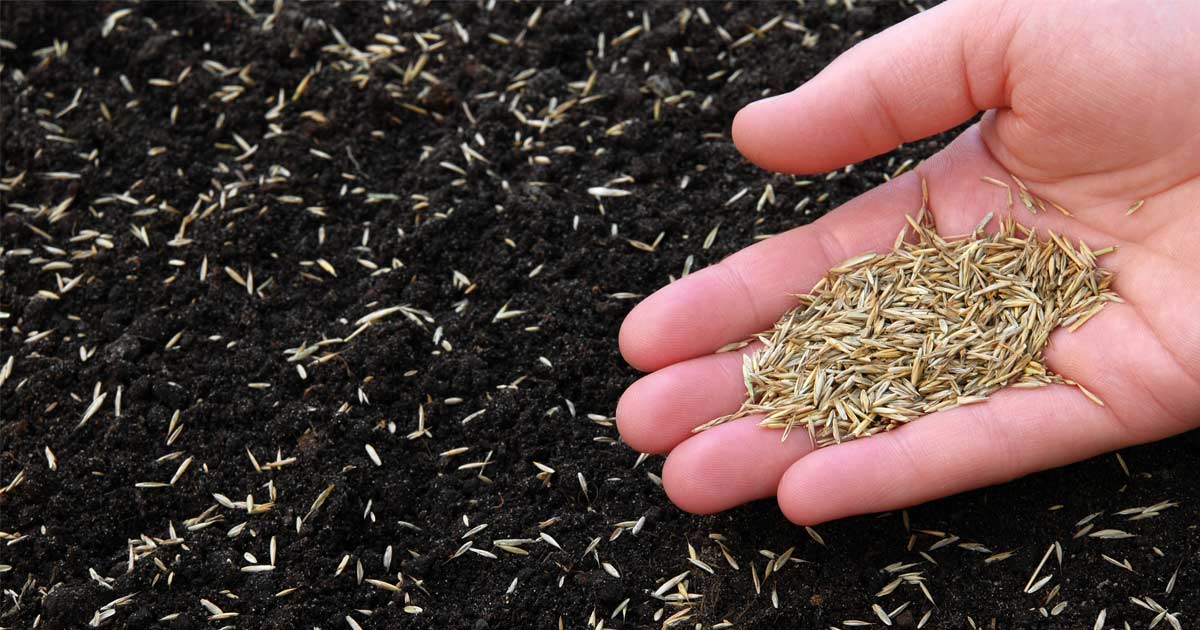
Image Source: www.therebels.com
Choosing the Right Fescue Grass
Fescue grasses are cool-season turfgrasses, meaning they thrive in cooler temperatures and can even stay green through mild winters. They are known for their durability, drought tolerance (once established), and ability to grow in a range of conditions. There are several types of fescue, each with unique characteristics:
Tall Fescue Lawn
Tall fescue is a popular choice for many homeowners. It’s known for its deep root system, which helps it withstand drought and traffic. It has a coarser texture than other fescues but is very resilient.
- Benefits of Tall Fescue:
- Excellent drought tolerance.
- Good shade tolerance compared to some other cool-season grasses.
- Resistant to many common lawn diseases.
- Handles heavy foot traffic well.
- Deep roots help improve soil health.
Fine Fescue Lawn
Fine fescue varieties include creeping red fescue, chewings fescue, and hard fescue. These grasses have a finer leaf blade, giving them a softer appearance. They are ideal for shady areas and require less fertilizer and water than some other turfgrasses.
- Benefits of Fine Fescue:
- Superior shade tolerance.
- Low maintenance requirements.
- Soft texture.
- Good for cooler climates.
- Can tolerate low mowing heights.
Kentucky Bluegrass Fescue Blend
Often, you’ll find Kentucky bluegrass fescue blend products. This combination leverages the strengths of both grasses. Kentucky bluegrass offers excellent wear resistance and self-repairing qualities, while fescue provides drought tolerance and shade adaptability.
- Benefits of Blends:
- Combines the best traits of different grasses.
- Offers wider adaptability to various conditions.
- Can provide a more uniform appearance.
Preparing Soil for Fescue
Proper soil preparation is crucial for successful fescue seeding. This step ensures the seed has a good environment to germinate and establish strong roots.
Soil Testing
Before you do anything else, get your soil tested. This will tell you the pH and nutrient levels of your soil. Fescues generally prefer a slightly acidic to neutral pH (around 6.0 to 7.0). A soil test will guide you on what amendments are needed.
- How to Test Soil:
- Contact your local agricultural extension office.
- Purchase a home soil test kit from a garden center.
- Collect soil samples from different areas of your lawn.
Improving Soil Structure
Fescue roots need good soil to grow. If your soil is compacted or has poor drainage, you’ll need to improve it.
-
Addressing Compacted Soil:
- Aeration: Use a core aerator to remove small plugs of soil. This allows air, water, and nutrients to reach the roots. Do this before seeding.
- Tilling: For new lawns, tilling the soil can break up compaction. Aim to till about 4-6 inches deep.
-
Adding Organic Matter:
- Compost: Spread a 1-2 inch layer of compost over the area and till it into the top 4-6 inches of soil. Compost improves soil structure, drainage, and fertility.
- Manure: Well-rotted manure can also be added to enrich the soil.
Fertilizing
Based on your soil test results, you’ll know what nutrients your soil needs.
- Starter Fertilizer: Use a starter fertilizer that is high in phosphorus. Phosphorus is essential for root development, which is critical for new seedlings. Look for a fertilizer with an N-P-K ratio like 10-20-10 or similar.
- Timing: Apply the starter fertilizer before you sow the fescue grass seed.
Fescue Planting Time
Choosing the right fescue planting time is key to success. For fescue, fall is the ideal season.
Fall Seeding
-
Why Fall is Best:
- Cool Temperatures: Fescue germinates best in soil temperatures between 50°F and 65°F. Fall offers these ideal conditions.
- Less Weed Competition: Cool-season weeds are less active in the fall, giving fescue seedlings a better chance to establish.
- Moisture: Fall often brings more consistent rainfall, which is vital for germination and early growth.
- Root Development: Fescue planted in the fall has ample time to develop a strong root system before the heat of summer.
-
Ideal Fall Planting Window:
- Aim to seed about 45-60 days before the first average frost date in your area. This gives seedlings enough time to establish before winter.
- In many northern regions, this window is typically from late August to mid-October.
- In southern regions where fescue is grown, you might have a longer window, extending into November.
Spring Seeding
While fall is preferred, spring seeding can also be successful if done correctly.
-
Challenges of Spring Seeding:
- Weed Competition: Warm-season weeds start to emerge in spring, competing with young fescue.
- Heat Stress: Seedlings may not have a fully developed root system before the summer heat arrives, leading to stress and potential death.
-
Tips for Spring Seeding:
- Seed as early as possible, once the ground can be worked and soil temperatures are cool enough for germination.
- Be prepared for diligent watering and weed control.
Fescue Seeding Methods
There are two main ways to establish a fescue lawn: starting from seed or laying sod.
Fescue Seeding
Fescue seeding is a cost-effective way to establish a new lawn or fill in bare spots.
Steps for Fescue Seeding:
-
Prepare the Area:
- Remove any existing weeds or debris.
- Mow the existing lawn very short if you are overseeding.
- Loosen the top inch of soil with a rake, especially in bare areas.
- Ensure the soil surface is relatively smooth.
-
Choose Your Fescue Grass Seed:
- Select a high-quality fescue grass seed mix appropriate for your region and lawn conditions (sun/shade). Look for certified seed.
- Consider blends that include different fescue varieties for a more resilient lawn.
-
Spread the Seed:
- By Hand: For small areas, you can spread the seed evenly by hand.
- Spreader: Use a broadcast spreader for larger areas. Calibrate the spreader according to the seed bag’s instructions to ensure even distribution.
- Seeding Rate: Follow the recommended seeding rate on the seed bag. Over-seeding requires a slightly lower rate than starting a new lawn.
-
Rake the Seed In:
- Gently rake the seed into the top ¼ inch of soil. This ensures good seed-to-soil contact, which is vital for germination. Avoid burying the seed too deeply.
-
Apply Starter Fertilizer:
- If you haven’t already, apply a starter fertilizer.
-
Water Gently and Consistently:
- Water the seeded area lightly but frequently. The goal is to keep the top inch of soil moist at all times.
- Avoid heavy watering, which can wash away the seeds. A fine mist is ideal.
- Continue watering until the grass is about 1-2 inches tall.
-
First Mowing:
- When the new grass reaches about 3 inches tall, you can mow it.
- Mow at the highest setting for fescue (usually 3-4 inches).
- Ensure your mower blades are sharp to avoid tearing the young grass.
- Avoid mowing when the grass is wet.
Fescue Sod
Fescue sod offers an instant lawn. It’s a quicker way to establish a mature lawn, but it’s also more expensive than fescue seeding.
Steps for Laying Fescue Sod:
-
Prepare the Soil:
- The soil preparation steps are similar to seeding: soil testing, improving structure, and applying starter fertilizer.
- Ensure the soil is smooth and firm.
-
Lay the Sod:
- Start laying sod along the longest straight edge of your area (e.g., a driveway or sidewalk).
- Place the sod pieces tightly together, but do not overlap them.
- Stagger the seams, like laying bricks, to avoid continuous lines.
- Trim sod pieces as needed to fit edges and curves.
-
Water Thoroughly:
- Immediately after laying the sod, water it deeply. The goal is to moisten the sod and the soil beneath it.
- Water for at least 30 minutes, or until the soil is damp several inches down.
-
Establishment Watering:
- For the first two weeks, keep the sod and the soil beneath it consistently moist. Water daily, or more often during hot, dry weather.
- Gently lift a corner of the sod to check moisture levels.
-
First Mowing:
- Once the sod has rooted (you can test by trying to lift a corner – if it resists, it’s rooted), you can mow it.
- Mow at the highest recommended fescue height.
- Ensure mower blades are sharp.
Overseeding Fescue
Overseeding fescue is the process of spreading new grass seed over an existing lawn. It’s a great way to thicken a thinning lawn, improve its color, and introduce more disease-resistant varieties.
When to Overseed Fescue
The best time to overseed fescue is in the fall, following the same principles as initial fescue seeding.
Steps for Overseeding Fescue:
-
Prepare the Lawn:
- Mow Low: Mow the existing lawn to a height of about 1.5-2 inches.
- Aerate: Core aeration is highly recommended before overseeding. It creates holes in the soil, allowing the new seed to fall into them and make good soil contact.
- Dethatch (if necessary): If your lawn has more than ½ inch of thatch (a layer of dead grass stems and roots), dethatch it before aerating.
-
Choose Your Seed:
- Select a high-quality fescue grass seed blend suitable for your existing lawn type.
-
Spread the Seed:
- Use a spreader for even application.
- Follow the recommended seeding rate on the bag. Typically, overseeding rates are lower than for new lawns. For a healthy lawn, you might use about half the new lawn rate.
-
Rake Lightly:
- Gently rake the seeded areas to ensure good seed-to-soil contact.
-
Fertilize:
- Apply a starter fertilizer after seeding.
-
Water Consistently:
- Water lightly and frequently to keep the top layer of soil consistently moist until the new seed germinates and the seedlings are established.
Ongoing Fescue Lawn Care
Once your fescue lawn is established, consistent Fescue lawn care is essential for maintaining its health and appearance.
Watering
Fescues are relatively drought-tolerant, but they still need adequate water, especially during hot, dry periods.
- Deep and Infrequent Watering: Aim to water deeply (about 1 inch of water per week) rather than shallowly. This encourages deeper root growth, making the lawn more resilient.
- Best Time to Water: Water in the early morning hours to minimize evaporation and reduce the risk of fungal diseases.
- Signs of Thirst: Look for signs like a dull, bluish-gray color, or footprints that remain visible long after you’ve walked on the grass.
Mowing
Proper mowing practices are crucial for fescue health.
- Mowing Height: Keep fescue grass at a height of 3 to 4 inches. Taller grass shades the soil, reducing weed germination and conserving moisture.
- Sharp Blades: Always use sharp mower blades. Dull blades tear the grass, making it susceptible to disease.
- Mulching Clippings: Leave grass clippings on the lawn (mulching). They return valuable nutrients to the soil.
Fertilizing
Regular fertilization provides the nutrients fescue needs to thrive.
-
Fertilization Schedule: A common schedule for fescue is to fertilize three to four times a year:
- Fall (Primary feeding): This is the most important feeding for fescue, usually in early to mid-fall. It helps the grass recover from summer stress and build root strength for winter.
- Late Fall/Early Winter: A second fall feeding can further enhance winter hardiness.
- Spring: A light feeding in the spring can help green up the lawn, but avoid over-fertilizing, which can promote excessive top growth at the expense of root development.
- Summer (Optional): In some cases, a very light, slow-release fertilizer can be applied during the summer to maintain color, but avoid high-nitrogen fertilizers that can stress the grass.
-
Fertilizer Type: Use a balanced fertilizer. For fall, a fertilizer with a higher nitrogen content is beneficial. For spring, a balanced ratio is good. Follow product instructions carefully.
Weed Control
A healthy, dense fescue lawn is the best defense against weeds.
- Pre-emergent Herbicides: Apply pre-emergent herbicides in early spring to prevent the germination of summer annual weeds like crabgrass. A fall application can help control winter annuals.
- Post-emergent Herbicides: Use post-emergent herbicides to spot-treat existing weeds. Apply them when weeds are young and actively growing.
- Hand-Pulling: For small infestations, hand-pulling weeds is an effective method.
Pest and Disease Management
Fescue is generally resistant, but problems can still arise.
- Identify the Problem: Properly identify any pests or diseases before treating them.
- Cultural Practices: Good lawn care practices (proper watering, mowing, and fertilization) are the first line of defense.
- Fungicides/Insecticides: If necessary, use appropriate fungicides or insecticides, following label instructions carefully.
Common Fescue Lawn Problems and Solutions
| Problem | Cause | Solution |
|---|---|---|
| Brown Patch | Fungal disease, often from heat and humidity | Proper watering (avoid evening watering), improve air circulation, use fungicide if severe. |
| Dollar Spot | Fungal disease, often from low nitrogen | Fertilize appropriately, water adequately, rake to remove thatch. |
| Grubs | Beetle larvae feeding on roots | Apply grub control products when grubs are present (typically late summer). |
| Thinning Lawn | Poor soil, disease, pests, improper mowing | Aerate, overseed, check for pests/diseases, adjust mowing height and frequency. |
| Excessive Thatch | Over-fertilization, improper mowing | Dethatch annually or as needed, mow at the correct height, allow clippings to decompose. |
| Yellowing Grass | Nutrient deficiency, poor drainage, pests | Soil test to identify nutrient needs, fertilize appropriately, improve drainage if necessary. |
Frequently Asked Questions (FAQ)
Q: How long does it take for fescue seed to germinate?
A: Fescue seed typically germinates in 7 to 21 days, depending on soil temperature, moisture, and the specific fescue variety.
Q: Can I plant fescue in the shade?
A: Yes, certain fescue varieties, especially fine fescues, are very shade-tolerant. Tall fescue also has good shade tolerance compared to other cool-season grasses. Choose a shade-tolerant blend for best results in shady areas.
Q: How often should I water my new fescue lawn?
A: For newly seeded fescue, water lightly and frequently (multiple times a day) to keep the top inch of soil consistently moist until the grass is about 1-2 inches tall. Then, gradually reduce frequency and increase the amount of water per watering.
Q: When is the best time to fertilize fescue?
A: The most important time to fertilize fescue is in the fall. A second feeding in late fall or early winter is also beneficial. Spring fertilization is less critical but can help with green-up.
Q: Should I remove old grass before seeding?
A: If you are starting a completely new lawn, it’s best to remove existing grass and weeds. For overseeding, you can prepare by mowing low and aerating, but you don’t need to remove all the old grass.
By following these expert tips for fescue seeding, fescue sod installation, and ongoing Fescue lawn care, you can cultivate a beautiful, healthy, and resilient tall fescue lawn or a lawn featuring a Kentucky bluegrass fescue blend. Remember, patience and consistent care are key to achieving your dream lawn.