
How often should I water a new lawn? You should water a new lawn frequently, but lightly, throughout the day to keep the top layer of soil consistently moist. The exact frequency will depend on factors like soil type, weather, and the type of grass, but the goal is to never let the soil dry out completely.
Establishing a new lawn, whether from seed or sod, requires a delicate balance of moisture. Overwatering can lead to shallow root development and fungal diseases, while underwatering can cause the young grass to wither and die. This guide will delve into the specifics of new lawn watering frequency, providing you with the knowledge to nurture your new green space from the very beginning. We’ll cover seeding lawn watering schedule, watering newly sodded lawn needs, and general optimal watering for new grass.
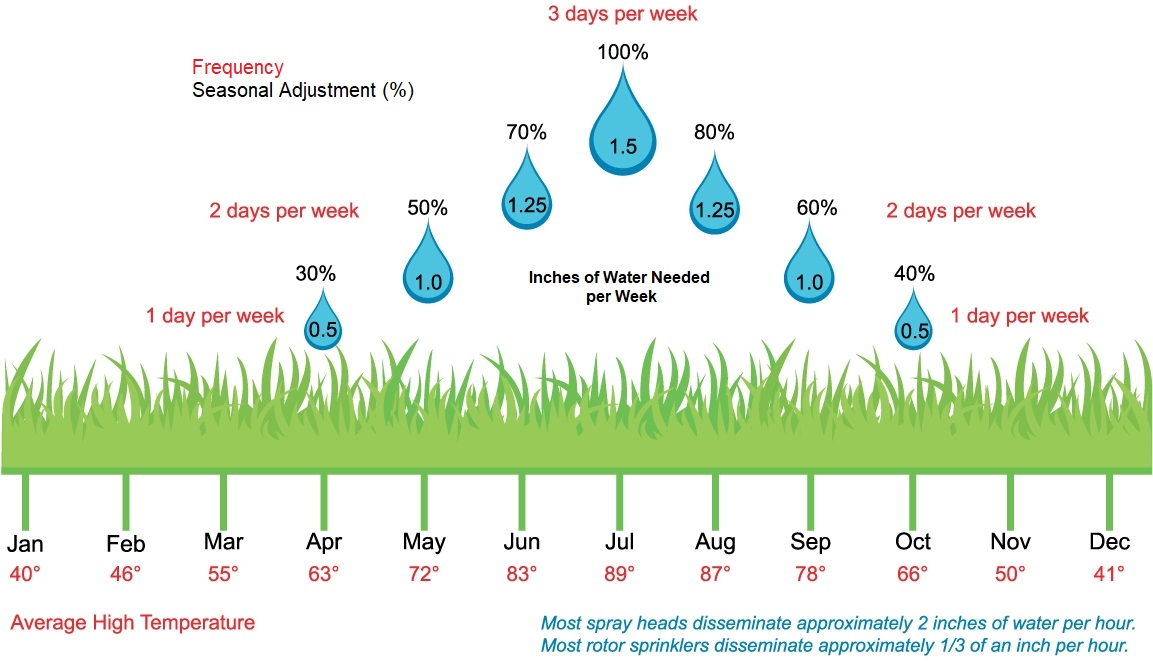
Image Source: greeleygov.com
The Critical First Few Weeks: A Foundation for Growth
The initial period after planting or laying sod is the most crucial. During this time, the grass seeds or sod are trying to establish their root systems. This means they are highly dependent on external moisture. Think of it as providing constant hydration to a baby – they can’t go long without a drink.
Watering Newly Planted Seeds: A Delicate Dance
When you’ve just spread grass seed, the tiny sprouts are incredibly vulnerable. Their roots are still forming and are very shallow. The primary objective here is to keep the seedbed consistently moist.
New lawn watering frequency for newly planted seeds is significantly higher than for established lawns. This isn’t about deep soaking; it’s about surface moisture.
- Daily Watering: In most conditions, you’ll likely need to water your newly seeded lawn at least once a day, and sometimes twice, especially during warm or windy weather.
- Light Spritzes: The goal is to keep the top inch of soil consistently damp, not waterlogged. Heavy watering can wash away the seeds, creating bare patches.
- Morning is Best: Watering in the morning allows the grass and soil to dry off during the day, reducing the risk of fungal growth.
Seeding lawn watering schedule should be adjusted based on your observations. If the surface looks dry, it’s time for a light watering. You don’t want to see standing water, but you also don’t want to see dry, cracked soil.
Watering Newly Sodded Lawn: Quenching the Thirst
Sod, or pre-grown grass, already has a root system, but it’s still fragile and needs to bond with the underlying soil. The immediate goal is to encourage those roots to grow down into the new soil.
Watering newly sodded lawn demands a different approach than seeding, but consistency is still key.
- Immediate Thorough Watering: As soon as the sod is laid, water it deeply until the soil underneath is thoroughly moistened. You want to ensure there are no dry pockets trapped beneath the sod.
- Frequent, Lighter Watering: For the first week or two, water the sodded area lightly once or twice a day, depending on the weather. The aim is to keep the sod and the soil directly beneath it moist.
- Avoid Dry Edges: Pay special attention to the edges of the sod rolls, as these can dry out more quickly.
The watering newly sod installation process is about promoting a strong connection between the sod and the soil. If the sod dries out, it won’t root properly, and the grass will die.
Establishing a New Lawn Watering: Beyond the Initial Weeks
Once your grass starts to show good growth and you notice it’s beginning to thicken, you can gradually adjust your watering approach. This phase is about encouraging deeper root growth, which is essential for a healthy, resilient lawn.
Shifting to Deeper, Less Frequent Watering
The transition from frequent, light watering to a more established pattern is a critical step in establishing a new lawn watering strategy. The goal now is to train the roots to grow deeper into the soil in search of moisture.
- Increase Watering Duration: Instead of multiple light sprinklings, you’ll start watering for longer periods. This allows water to penetrate deeper into the soil.
- Reduce Watering Frequency: As the roots grow deeper, you can water less often. This encourages the grass to develop a stronger root system.
- Observe Soil Moisture: The key is to water deeply enough that the moisture reaches the depth of the developing root system. For new grass, this typically means aiming for about 2-3 inches of soil moisture.
How Much to Water New Grass: The Depth Factor
A common mistake is watering too shallowly. This creates a shallow root system that is susceptible to drought and disease.
- Target Depth: For new grass, aim to keep the top 1-2 inches of soil consistently moist during the initial seeding or sodding phase. As the grass establishes, aim to moisten the soil 3-4 inches deep.
- Finger Test: A simple way to check soil moisture is to push your finger into the ground. If it feels dry an inch or two down, it’s time to water.
Factors Influencing Watering Schedules
Your new lawn watering frequency isn’t a one-size-fits-all answer. Several environmental and soil-related factors play a significant role.
Soil Type: The Foundation of Moisture Retention
Different soil types hold and drain water differently, impacting how often you need to water.
- Sandy Soils: These drain quickly. You’ll need to water more frequently but for shorter durations to prevent water from running straight through.
- Clay Soils: These retain moisture well. They require less frequent watering, but you need to water for longer periods to ensure adequate penetration. Overwatering clay soils can lead to compaction and poor aeration.
- Loamy Soils: These offer a good balance of drainage and moisture retention, making them the ideal soil type for lawns. They generally require moderate watering frequency.
Weather Conditions: Nature’s Influence
The weather is perhaps the most significant variable in determining watering needs.
- Temperature: Higher temperatures increase evaporation from the soil surface and transpiration from the grass blades, meaning you’ll need to water more often.
- Wind: Windy conditions also speed up evaporation, requiring more frequent watering.
- Rainfall: Natural rainfall counts towards your watering needs. Always check the weather forecast and skip watering if significant rain is expected.
- Humidity: High humidity can reduce evaporation, meaning you might be able to water slightly less often.
Grass Type: Species-Specific Needs
Different grass species have varying water requirements. Cool-season grasses (like fescue and ryegrass) generally need more consistent moisture than warm-season grasses (like Bermuda and Zoysia) during their active growing periods.
Sun Exposure: The Sun’s Impact
Areas that receive full sun will dry out faster than shaded areas, necessitating more frequent watering in those spots.
Best Time to Water New Lawn: Maximizing Effectiveness
Timing is crucial for efficient watering and promoting healthy grass.
Morning Watering: The Golden Rule
The best time to water new lawn is typically in the early morning, between 4 AM and 10 AM.
- Reduced Evaporation: Temperatures are cooler, and winds are usually calmer in the morning, leading to less water loss through evaporation.
- Disease Prevention: Watering in the morning allows the grass blades to dry off during the day. Wet foliage overnight can create an ideal environment for fungal diseases.
- Root Absorption: Grass can absorb moisture more efficiently when temperatures are moderate.
Avoiding Evening Watering
Watering in the late evening or at night is generally discouraged for new lawns.
- Prolonged Wetness: Grass blades and the soil surface remain wet for extended periods, significantly increasing the risk of fungal infections like dollar spot or red thread.
- Wasteful: Much of the water can evaporate before the grass can absorb it.
Midday Watering: A Last Resort
While not ideal, midday watering might be necessary during extreme heat waves if the grass shows signs of wilting. If you must water in the heat of the day, do so briefly to moisten the surface, but be aware that a significant portion of the water will evaporate.
Lawn Establishment Watering Tips: Ensuring Success
To ensure your new lawn thrives, follow these expert tips.
Utilize Sprinkler Systems Wisely
- Even Coverage: Ensure your sprinklers provide even coverage across the entire lawn. Overlapping spray patterns are essential to avoid dry spots.
- Cycle and Soak: For new lawns, consider a “cycle and soak” approach. Water for a short period, let it soak into the soil, and then water again. This prevents runoff on slopes and helps water penetrate the soil more effectively.
- Adjust Sprinkler Heads: Regularly check and adjust sprinkler heads to ensure they are watering the lawn and not sidewalks or driveways.
Manual Watering Techniques
If you’re using a hose and sprinkler, move it around the lawn to ensure consistent watering. Pay attention to the amount of time each section receives.
Monitor Your Lawn’s Appearance
Your lawn will tell you when it needs water. Look for these signs:
- Color Change: Grass blades may start to turn a dull bluish-grey.
- Footprints: When you walk on the lawn, your footprints remain visible for longer than usual, indicating the grass blades lack the moisture to spring back.
- Wilting: In more advanced stages, the grass will start to wilt and curl.
Adjusting Watering Based on Observation
These are general guidelines. Always observe your lawn and soil moisture. If the soil surface feels dry to the touch, it’s time to water.
Transitioning to a Mature Lawn Watering Schedule
As your new lawn grows and becomes more established (typically after 3-4 weeks of consistent care), you can gradually shift to a less frequent but deeper watering schedule.
- One to Two Times Per Week: Most established lawns benefit from watering 1-2 times per week, allowing the soil to dry out slightly between waterings.
- Deep Soaking: Aim to deliver about 1 inch of water per week, either through rainfall or irrigation. This encourages deep root growth.
- Watering Newly Sodded Lawn vs. Seeded Lawn Transition: The transition period might be slightly different. Sod may establish slightly faster, allowing for a quicker shift to deeper watering. Seeded lawns, especially those with slower-germinating varieties, might need consistent surface moisture for a longer duration.
Common Mistakes to Avoid with New Lawn Watering
- Overwatering: This is a very common and detrimental mistake. It weakens roots, encourages disease, and can lead to thatch buildup.
- Underwatering: Letting the soil dry out completely will kill young grass before it can establish.
- Shallow Watering: This trains roots to stay near the surface, making the lawn more vulnerable to drought.
- Watering at the Wrong Time: Watering in the evening increases disease risk.
- Uneven Watering: Hot spots and dry patches can occur if sprinklers aren’t set up correctly.
Frequently Asked Questions (FAQ)
Q1: How long should I water my new lawn?
A: For newly seeded lawns, water frequently with light sprinklings to keep the top inch of soil moist. For newly sodded lawns, water deeply initially and then follow with frequent, light watering for the first few weeks. The duration of each watering session will vary, but the goal is consistent surface moisture for seed and moist soil beneath the sod.
Q2: Can I water my new lawn with a hose without a sprinkler?
A: Yes, you can water with a hose, but it’s more challenging to achieve even coverage. Use a gentle spray or a watering wand and move it frequently across the lawn to ensure all areas receive adequate moisture. Be careful not to create puddles or wash away seeds.
Q3: Will rain water my new lawn enough?
A: Natural rainfall is beneficial, but you still need to monitor soil moisture. If the soil surface feels dry after a rain, or if the rain was light, you may need to supplement with watering. Always check if a significant amount of rain is expected before watering.
Q4: How do I know if I’m watering too much?
A: Signs of overwatering include a spongy or mushy soil texture, a prevalence of weeds that thrive in wet conditions, and potentially fungal growth or a yellowing of the grass blades. Avoid watering when the soil is already saturated.
Q5: How do I know if I’m watering too little?
A: Signs of underwatering include wilting or curling grass blades, a dull bluish-grey color, and footprints remaining visible long after walking on the lawn. The soil will also feel dry to the touch.
Q6: When can I stop watering my new lawn as frequently?
A: You can gradually reduce watering frequency as the grass becomes more established, typically after 3-4 weeks of consistent watering and when you see good germination or the sod has visibly rooted. Transition to deeper, less frequent watering to encourage deeper root growth.
By following these guidelines, you can navigate the crucial early stages of lawn care and establish a vibrant, healthy lawn that will provide beauty and enjoyment for years to come. Remember, consistency and careful observation are your best tools.