
Can you keep rabbits off your lawn naturally? Yes, you can effectively keep rabbits off your lawn using a variety of natural solutions and methods.
Rabbits are adorable, but they can wreak havoc on a pristine lawn and a carefully cultivated garden. Their insatiable appetite for tender shoots, grass, and vegetables can turn your beautiful yard into a barren wasteland overnight. Fortunately, you don’t need harsh chemicals or inhumane traps to reclaim your green spaces. By employing a combination of natural deterrents, protective barriers, and smart garden design, you can create a truly rabbit-proof yard. This comprehensive guide will walk you through effective strategies for preventing rabbit damage and keeping these furry garden pests at bay.
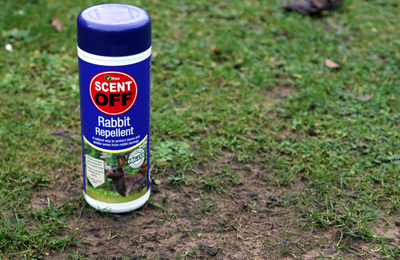
Image Source: www.gardenworld.co.uk
The Rabbit Problem: Why They Love Your Lawn
Before diving into solutions, it’s helpful to understand why rabbits are so attracted to your lawn and garden in the first place.
- Food Source: Your lawn and garden are essentially a buffet for rabbits. They are herbivores with a strong preference for young, tender green growth, which is abundant in well-maintained yards.
- Shelter: Areas with dense vegetation, brush piles, or even overgrown foundations can provide rabbits with much-needed shelter from predators and the elements.
- Water: While not their primary attraction, access to water sources can also make a yard appealing.
- Nesting Sites: Rabbits, particularly those in wild populations, seek soft, undisturbed soil for digging burrows and nesting.
Common Rabbit Damage Signs
Recognizing the signs of rabbit activity is key to implementing the right solutions. Look out for:
- Gnawed Stems: Rabbits often chew plant stems close to the ground, leaving a ragged or angled cut, unlike deer which tend to tear.
- Nibbled Leaves: Young leaves and flower buds are prime targets.
- Destroyed Seedlings: Young plants and seedlings are particularly vulnerable.
- Tracks: Small, four-toed tracks with a larger two-toed track in front (from hind legs) are typical.
- Droppings: Small, round, pellet-like droppings, often found in scattered piles.
Natural Solutions for Rabbit Deterrence
The most effective approach to preventing rabbit damage is to make your yard less appealing and less accessible. This involves a multi-pronged strategy that combines scent, taste, and physical exclusion.
Scent-Based Natural Deterrents
Rabbits have a keen sense of smell, and certain strong odors can be highly unpleasant for them, acting as a potent rabbit repellent.
1. Strong-Smelling Plants
Planting certain aromatic herbs and flowers around your garden beds can help deter rabbits. Their strong scents can mask the attractive smell of your cultivated plants.
- Mint: Varieties like peppermint and spearmint have a strong aroma that rabbits dislike.
- Garlic and Onions: The pungent smell of these alliums is off-putting to rabbits.
- Chives: Similar to garlic and onions, chives have a strong, undesirable scent.
- Marigolds: These bright flowers are known for their strong, somewhat unpleasant smell to many pests, including rabbits.
- Sage: The woody, strong scent of sage can be a deterrent.
- Rosemary: Another herb with a robust fragrance that rabbits tend to avoid.
- Lavender: Its sweet but strong scent can also help keep rabbits away.
Tip: Plant these around the perimeter of your garden beds or intersperse them within your vegetable patch for added protection.
2. Homemade Rabbit Repellent Sprays
You can create your own safe rabbit deterrent sprays using common household ingredients.
Basic Garlic Spray:
- Ingredients:
- 1 whole bulb of garlic, minced
- 1 tablespoon of cayenne pepper
- 1 quart of water
- 1 tablespoon of liquid dish soap (mild, unscented)
- Instructions:
- Combine minced garlic and cayenne pepper in the water.
- Let it steep for at least 24 hours.
- Strain the mixture to remove solids.
- Add the dish soap and mix gently.
- Pour into a spray bottle.
- Application: Spray generously on plants and around the garden. Reapply after rain or every few days.
Castor Oil Repellent:
- Ingredients:
- 1 cup of castor oil
- 1 cup of water
- 1 tablespoon of mild liquid dish soap
- Instructions:
- Whisk together castor oil, water, and dish soap until emulsified.
- Pour into a spray bottle.
- Application: Apply to affected areas and plants. The oily residue can be unpleasant for rabbits to walk through or ingest.
Other Natural Repellents to Consider:
- Blood Meal or Bone Meal: While primarily a fertilizer, the smell can deter rabbits.
- Eggshells: Crushed eggshells around plants can be a physical deterrent and the scent is disliked.
- Coffee Grounds: Used coffee grounds can deter rabbits due to their scent and texture.
- Essential Oils: Peppermint, eucalyptus, and citronella oils can be mixed with water and sprayed. Use cautiously as some oils can be toxic if ingested in large quantities by pets.
Caution: Always test homemade sprays on a small part of a plant before applying to the entire plant to ensure it doesn’t cause damage.
Taste-Based Natural Deterrents
Some substances have a taste that rabbits find unappealing, discouraging them from nibbling.
1. Bitter Sprays
Similar to scent deterrents, bitter-tasting sprays can make plants unpalatable.
- Bitter Apple or Bitter Melon: These are natural, non-toxic substances that rabbits dislike. They are available commercially or can be made from the fruits.
- Certain Soaps: Some soaps, when diluted and sprayed, can leave a coating that tastes unpleasant. Use sparingly and test first.
2. Commercial Natural Repellents
There are many commercially available natural deterrents that use plant-based ingredients like predator urine (fox, coyote), essential oils, or rotten egg formulas. These can be effective but often require frequent reapplication.
Physical Barriers: The Most Effective Exclusion
While scent and taste deterrents can work, the most reliable way to keep rabbits off your lawn and out of your garden is through physical exclusion using garden fencing and other protective barriers.
1. Garden Fencing
Proper fencing is crucial for vegetable garden protection. Rabbits can squeeze through surprisingly small openings.
- Height: Fencing should be at least 2 to 3 feet tall to prevent them from jumping over.
- Mesh Size: The mesh openings should be no larger than 1 inch. Smaller is better for young rabbits.
- Depth: Bury the bottom of the fence at least 6 inches into the ground or bend the bottom 6 inches outward to create an “L” shape. This prevents rabbits from digging underneath.
- Material:
- Hardware Cloth: This is a sturdy wire mesh that is ideal for fencing. It’s galvanized to prevent rust and comes in various mesh sizes.
- Chicken Wire: While less durable, it can be effective if the mesh is small enough and the fence is reinforced. However, rabbits can chew through it over time.
- Plastic Netting: This is a less expensive option, but it’s not as durable and rabbits can chew through it. It’s best for temporary use or areas with low rabbit pressure.
Example of a Fencing Setup:
| Fencing Type | Height | Mesh Size | Installation | Durability | Cost |
|---|---|---|---|---|---|
| Hardware Cloth | 2-3 feet | 1/2 inch | Buried 6 inches, angled outward at the base | High | Moderate |
| Galvanized Wire | 2-3 feet | 1 inch | Buried 6 inches, angled outward at the base | Moderate | Moderate |
| Chicken Wire | 3 feet | 1 inch | Buried 6 inches, angled outward at the base | Low | Low |
| Sturdy Plastic Mesh | 2-3 feet | 1 inch | Buried 6 inches, angled outward at the base | Very Low | Very Low |
2. Individual Plant Protection
For specific plants or vulnerable seedlings, individual protection is a great strategy.
- Plant Cages: Create small cages from hardware cloth or chicken wire to place around individual plants. Ensure they are tall enough and secured to the ground.
- Tree Wraps: For young trees or shrubs, wrap the trunks with plastic tree guards or hardware cloth. This protects the bark from being gnawed.
- Row Covers: Lightweight fabric row covers can protect seedlings and young plants from both rabbits and insects. Ensure they are anchored securely.
3. Creating Exclusion Zones
Designating specific areas as exclusion zones can be highly effective. This means creating areas that rabbits simply cannot access.
- Raised Beds: Rabbits often find it harder to access plants in raised garden beds, especially if the sides are smooth and tall. You can further protect them by adding a skirt of hardware cloth around the bottom.
- Enclosed Vegetable Gardens: Building a fully enclosed garden area with a sturdy fence that extends underground is the most foolproof method for vegetable garden protection.
Habitat Modification: Making Your Yard Less Inviting
Rabbits are drawn to areas that offer both food and shelter. By modifying your landscape, you can make your yard less appealing.
1. Clearing Potential Shelter
- Remove Brush Piles: Keep your yard tidy by removing any debris, brush piles, or leaf litter that could provide hiding places or nesting sites for rabbits.
- Trim Lower Branches: Trim low-hanging branches on shrubs and trees to reduce cover at ground level.
- Secure Foundations: Seal any openings or gaps in your home’s foundation, sheds, or decks where rabbits might burrow.
2. Managing Your Lawn
- Mow Regularly: Keep your lawn mowed to a shorter height. This reduces the appeal of your lawn as a primary food source and offers fewer hiding spots.
- Avoid Overwatering: While water is necessary, excessive moisture can sometimes encourage rabbit activity.
Introducing Natural Predators (Indirectly)
While you won’t be bringing wild predators into your yard, you can encourage their presence.
- Attract Birds of Prey: Owl boxes can attract owls, which are natural predators of rabbits.
- Discourage Overly Dense Ground Cover: While some cover is necessary for wildlife, excessively dense, low-lying vegetation can provide ideal rabbit habitat.
Discouraging Rabbits with Smart Landscaping
Strategic landscaping choices can significantly contribute to rabbit proofing your yard.
1. Plant Selection
Choose plants that rabbits are known to dislike. While no plant is entirely rabbit-proof, some are far less appealing.
Plants Rabbits Generally Avoid:
- Herbs: Mint, sage, rosemary, thyme, lavender, chives, oregano, basil.
- Flowers: Marigolds, poppies, snapdragons, bleeding hearts, astilbe, salvia, columbine, peonies, impatiens, daffodils, foxglove, monkshood.
- Shrubs: Barberry, potentilla, forsythia, Japanese yew, holly, lilac.
- Vegetables: Asparagus, potatoes, tomatoes, onions, garlic, rhubarb, corn, peas, beans, squash, zucchini.
Plants Rabbits Love (and should be protected):
- Vegetables: Lettuce, spinach, broccoli, cauliflower, cabbage, carrots, beans, peas, strawberries, tulips, pansies, petunias.
2. Landscape Design
- Elevated Gardens: As mentioned, raised beds offer a natural deterrent.
- Open Spaces: Design your yard with more open areas and fewer dense shrubs or ground cover immediately adjacent to your garden.
- Water Features: While not a deterrent, a well-maintained water feature can be an attractive part of your landscape, and you can focus your rabbit deterrent efforts on specific planting areas.
Frequently Asked Questions (FAQ)
What is the most effective natural rabbit repellent?
The most effective natural rabbit repellent is a combination of physical barriers, such as sturdy garden fencing, and strong-smelling plants or homemade sprays placed around vulnerable plants.
Can I use human hair to keep rabbits away?
Yes, some gardeners report success using human or pet hair (from dogs or cats) sprinkled around plants. The scent of predators can deter rabbits. However, it needs to be reapplied frequently, especially after rain, and its effectiveness can vary.
Are there safe rabbit deterrents for vegetable gardens?
Absolutely. Many natural options are safe rabbit deterrents. These include using hardware cloth for garden fencing, planting aromatic herbs like mint and garlic, and using homemade sprays made from garlic, cayenne pepper, or castor oil. Always ensure any spray is tested on a small plant area first.
How tall does a fence need to be to keep rabbits out?
A fence needs to be at least 2 to 3 feet tall to effectively deter rabbits, as they can jump surprisingly high. Crucially, it must also be buried at least 6 inches deep and ideally have the bottom portion bent outwards in an “L” shape to prevent them from digging underneath.
What are some natural ways to protect my vegetable garden from rabbits?
For vegetable garden protection, focus on building sturdy fences (hardware cloth is ideal), using individual plant cages, planting rabbit-resistant plants around the perimeter, and employing natural deterrents like garlic or pepper sprays. Raised beds also offer a degree of protection.
How can I stop rabbits from digging under my fence?
To stop rabbits from digging under your fence, bury the bottom 6 inches of the fence material at least 6 inches deep into the ground. Alternatively, bend the bottom 6 inches of the fence outwards at a 90-degree angle to create an “L” shape. This horizontal extension makes it difficult for them to start digging and undermining the fence.
What if I have a lot of rabbits?
If you have a significant rabbit population, a multi-layered approach is best. This involves robust garden fencing for all vulnerable areas, consistent application of natural deterrents, and habitat modification to make your yard less hospitable. For severe infestations, consider more intensive exclusion zones.
By implementing these natural strategies, you can create a beautiful, thriving yard that rabbits find unappealing and inaccessible, ensuring your lawn and garden remain free from their destructive appetites.