
Ant hills in your lawn can be a frustrating sight. You might be wondering, why do I have ant hills in my lawn? The most common reasons are that ants are building their nests where they find a suitable environment and food sources. This article will delve into the causes, common lawn ant species, and effective solutions for managing these unwelcome mounds.
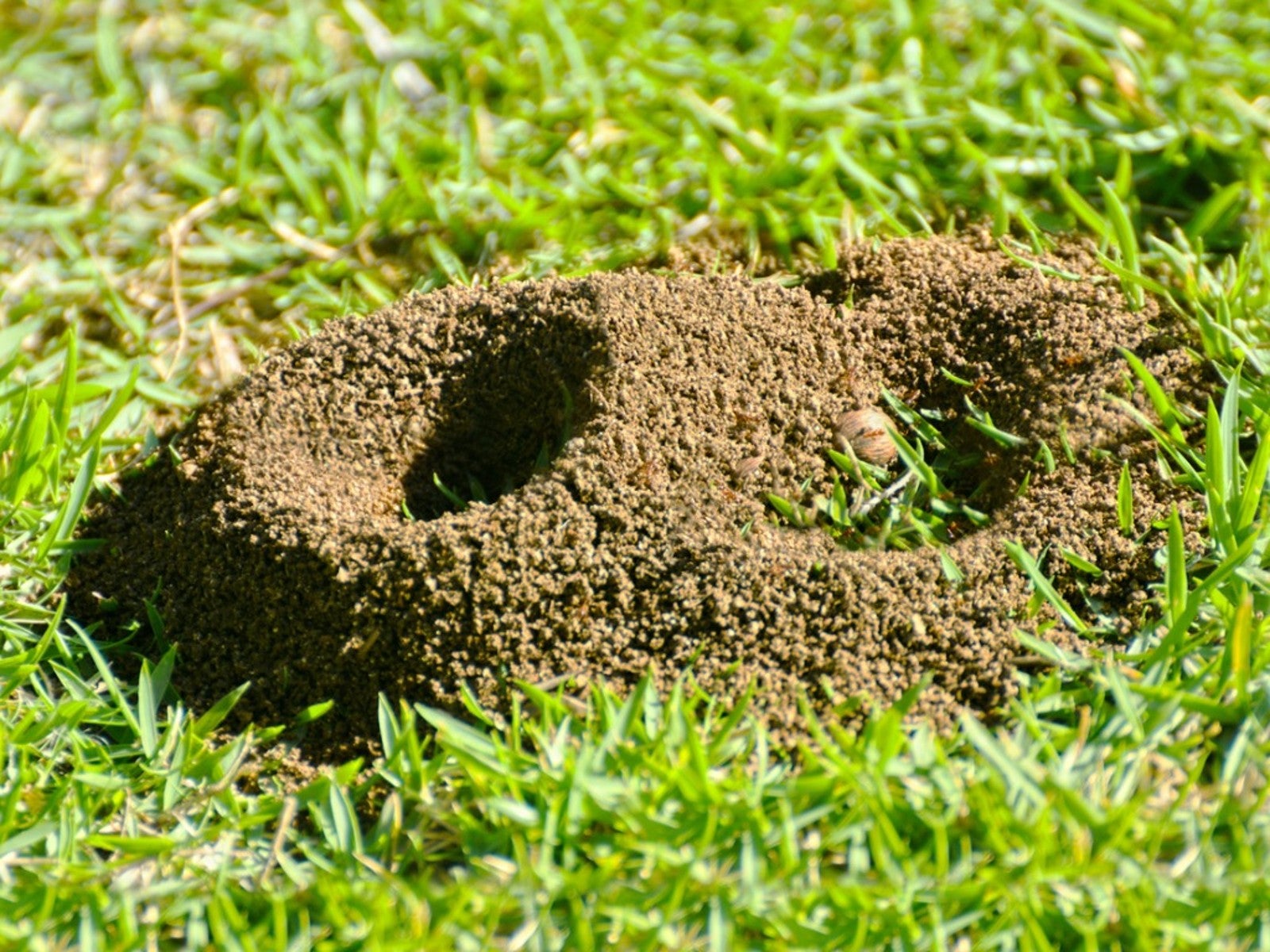
Image Source: cdn.mos.cms.futurecdn.net
Fathoming the Causes of Ant Hills
Ant hills, or ant mounds, are visible signs of an ant colony’s underground nest. Their presence indicates that the soil conditions and available resources are favorable for ant survival and reproduction. Let’s explore the primary reasons behind these persistent lawn invaders.
Soil Conditions and Nesting Preferences
Ants are particular about where they build their homes. Certain soil conditions make for ideal nesting sites.
- Well-Drained Soil: Ants prefer soil that drains well. Waterlogged soil can flood their nests, so areas with good drainage are prime real estate.
- Loose, Sandy Soil: Many ant species find it easier to excavate tunnels and chambers in loose, sandy soil. This type of soil is easier for them to move around.
- Compacted Soil: Ironically, ants may also choose compacted soil. While it’s harder to dig, it can offer protection from predators and the elements once a nest is established. They often exploit existing cracks or weak points in the compacted surface.
- Sun-Exposed Areas: Many ants are attracted to areas that receive ample sunlight. The warmth can help regulate the temperature within their nests, especially during cooler periods.
- Proximity to Food and Water: Ants will establish nests near reliable sources of food and water. This is why you often see ant hills near areas where you might spill something sweet or where sprinklers run regularly.
Environmental Factors and Triggers
External factors can also play a significant role in attracting ants and prompting them to build mounds.
- Drought Conditions: During dry spells, ants may seek out moister areas in your lawn. If your lawn is particularly dry, they might focus their activity around any slightly damper spots. Conversely, during very wet periods, they might move to higher, drier ground.
- Recent Rainfall: Heavy rains can sometimes disrupt existing ant colonies, forcing them to relocate or rebuild. This can lead to new mounds appearing in previously unaffected areas.
- Soil Disturbance: Any activity that disturbs the soil can prompt ants to build new nests or expand existing ones. This includes:
- Tilling or digging in gardens.
- Heavy foot traffic or vehicle movement.
- Construction or landscaping work.
- Aeration of the lawn.
- Food Scraps and Debris: Accumulations of food scraps, pet food, or other organic debris can attract ants. They will often establish nests nearby to access this readily available food source.
What Attracts Ants to Your Lawn?
Beyond just suitable soil, specific attractants draw ants to your yard.
- Insects: Ants are predators and scavengers. They feed on other insects, including aphids, caterpillars, and dead insects. A lawn with a healthy population of these can inadvertently attract ants.
- Honeydew: This is a sugary substance excreted by aphids and other sap-sucking insects. Ants often “farm” aphids for honeydew, which is a significant part of their diet. If you have aphid problems, you’ll likely have ant problems.
- Plant Matter: Some ants feed on nectar, pollen, or seeds from plants.
- Sweet Substances: Spilled sugary drinks, fallen fruit, or even pet food left outdoors can be powerful attractants.
Identifying Lawn Ants
Knowing which type of ant you’re dealing with can help tailor your ant mound removal strategy. Different species have different habits and preferences.
Common Lawn Ants You Might Encounter
Here are some of the most frequent culprits responsible for those mounds:
- Pavement Ants ( Tetramorium caespitum ): These small, dark brown to black ants are very common. They often nest under pavement cracks, sidewalks, and patios, but will also build mounds in lawns, especially in well-traveled areas. Their mounds are often small and may have a gritty appearance.
- Carpenter Ants ( Camponotus spp.): While carpenter ants are known for nesting in wooden structures, some species will nest in the soil, particularly in moist or decaying wood debris in the ground. Their mounds can be larger and may contain sawdust-like frass. They are typically larger than pavement ants and can be black, red, or a combination of colors.
- Fire Ants ( Solenopsis spp.): These are perhaps the most notorious lawn ants, especially in warmer climates. Fire ant mounds are distinctive: they are often large, raised, dome-shaped structures with no visible entrance hole on the surface. They are aggressive and their sting can be painful.
- Thatching Ants ( Formica spp.): These ants are often found in grassy areas and can build large mounds, sometimes several feet in diameter, composed of pine needles, twigs, and soil. They are typically reddish-brown or black.
- Odorous House Ants ( Tapinoma sessile ): While often found indoors, these ants can also nest outdoors in lawns, especially under rocks, mulch, or debris. They are small and dark brown. They are known for their distinctive unpleasant odor when crushed.
Table: Identifying Common Lawn Ants
| Ant Type | Size | Color | Mound Appearance | Notable Behavior |
|---|---|---|---|---|
| Pavement Ants | Small (2-4 mm) | Dark brown to black | Small, gritty mounds, often near pavement cracks | Forage for food, attracted to sweets. |
| Carpenter Ants | Large (6-25 mm) | Black, red, or bicolored | Can be large, may contain wood shavings (frass) | Primarily nest in wood, but soil nesting occurs. |
| Fire Ants | Medium (3-6 mm) | Reddish-brown to black | Large, dome-shaped mounds, no obvious surface opening | Aggressive, painful sting. |
| Thatching Ants | Medium (4-8 mm) | Reddish-brown or black | Large mounds of soil, twigs, pine needles | Build substantial mounds in grassy areas. |
| Odorous House Ants | Small (2-3 mm) | Dark brown to black | Small, often under objects like rocks or mulch | Emit a foul odor when disturbed or crushed. |
Effective Ant Mound Removal Strategies
Dealing with ant hills requires a multi-pronged approach. You need to address the existing mounds while also preventing future infestations.
Direct Ant Mound Removal Tactics
These methods focus on eliminating the ants and their nests directly.
- Boiling Water: A simple and often effective method for smaller mounds. Pour a large pot of boiling water directly onto the mound. This can kill a significant number of ants and destroy the nest structure. Repeat if necessary. Be cautious not to scald yourself or damage surrounding plants.
- Soapy Water: Mix a few tablespoons of liquid dish soap with a gallon of water. Pour this solution directly onto the mound. The soap breaks down the ants’ exoskeletons and suffocates them.
- Diatomaceous Earth (Food Grade): This natural powder is made from fossilized algae. When ants come into contact with it, it scratches their exoskeletons, causing them to dehydrate. Sprinkle it around and on top of the mounds. It is most effective when dry.
- Boric Acid and Sugar Bait: Mix boric acid (found in pharmacies) with something sweet, like powdered sugar or honey, in a 1:10 ratio. Place this bait in small, shallow containers near the ant hills, but out of reach of children and pets. Ants will carry the bait back to the colony, poisoning the queen and other ants. This is a slower but highly effective method for eliminating the entire colony.
- Commercial Ant Baits and Granules: Many effective over-the-counter products are available. Look for baits specifically designed for outdoor ant control. Apply granules according to product instructions, often around the perimeter of the mound or directly onto it.
Pest Control for Ants: When to Call the Professionals
In cases of severe ant infestations, particularly with aggressive species like fire ants, professional pest control may be the most efficient solution.
- Professional Assessment: Experts can accurately identify the ant species and the extent of the infestation.
- Targeted Treatments: Professionals have access to stronger, more targeted chemicals and application methods that are often more effective than DIY solutions.
- Safety: They are trained to use these products safely, minimizing risks to people, pets, and the environment.
Lawn Care for Ants: Prevention is Key
The best way to manage ant hills is to make your lawn less appealing to them in the first place. Good lawn care practices are your first line of defense.
Maintaining a Healthy Lawn
A healthy lawn is more resilient to ant infestations.
- Proper Watering: Avoid overwatering, which can create moist environments ants love. Water deeply and less frequently to encourage deeper root growth.
- Regular Mowing: Keep your grass at an appropriate height. Taller grass can provide shade and moisture, making it more attractive to ants.
- Fertilization: A well-fertilized lawn grows thicker, which can help deter ants by outcompeting them for space and resources.
- Dethatching and Aeration: Remove excess thatch and aerate compacted soil. This improves drainage and air circulation, making the soil less hospitable for many ant species.
Eliminating Attractants
Reduce the things that draw ants to your yard.
- Cleanliness: Regularly clean up any spilled food or sugary drinks outdoors.
- Pet Food: Don’t leave pet food or water bowls out longer than necessary. Clean up any spilled kibble.
- Debris Removal: Remove leaf litter, wood piles, and other organic debris from your lawn and garden. These provide shelter and nesting opportunities for ants.
- Aphid Control: Monitor your plants for aphids. If you find them, address the aphid problem promptly. You can often wash them off with a strong spray of water or use insecticidal soap.
Natural Deterrents
Some natural methods can help keep ants at bay.
- Vinegar: Ants dislike the smell of vinegar. A solution of equal parts white vinegar and water can be sprayed around the perimeter of your lawn or directly on mounds.
- Cinnamon: The strong scent of cinnamon can disrupt ants’ scent trails, making it difficult for them to navigate. Sprinkle cinnamon around ant hills.
- Peppermint Oil: Similar to cinnamon, peppermint oil is a strong repellent for ants. Add a few drops of peppermint essential oil to water and spray.
- Coffee Grounds: Some gardeners report that scattering used coffee grounds around plants and ant hills can deter ants.
Dealing with Soil Disturbance by Ants
The very act of ants building their mounds involves significant soil disturbance by ants. They excavate tunnels and chambers, moving soil to the surface to create their characteristic mounds. This can disrupt the root systems of your grass and create an uneven lawn surface.
Restoring the Lawn After Ant Mound Removal
Once you’ve successfully removed ant mounds, you’ll likely have bare patches or uneven areas in your lawn.
- Level the Ground: Rake away any excess soil from the mound. Fill in any holes with good quality topsoil.
- Reseed: If the area is bare, reseed with grass seed appropriate for your climate and lawn type.
- Water Appropriately: Water the newly seeded area regularly to ensure germination and establishment.
Preventing Ant Hills: A Proactive Approach
Preventing ant hills is an ongoing process that involves consistent lawn care and vigilance.
Creating an Uninviting Environment
- Maintain a Healthy Turf: A dense, healthy lawn is the best defense.
- Proper Drainage: Ensure your lawn drains well to avoid creating ideal nesting conditions.
- Regular Inspections: Periodically walk your lawn and look for early signs of ant activity, such as small soil piles or trails of ants. Addressing them early is much easier than dealing with established colonies.
Targeted Treatments for Prevention
- Granular Insecticides: Applying a broadcast granular insecticide designed for lawn pests can create a barrier that kills ants as they cross it. Always follow product label instructions carefully.
- Baiting Programs: Regularly placing ant baits in strategic locations can help control ant populations before they have a chance to establish large colonies and build prominent mounds.
Frequently Asked Questions (FAQ) about Ant Hills
Q1: Are ant hills bad for my lawn?
Yes, ant hills can be detrimental to your lawn. They disrupt the soil structure, can suffocate grass roots, create tripping hazards, and are often a sign of a larger ant infestation that may extend beyond just the visible mounds.
Q2: Can I kill ants by stepping on their mounds?
Stepping on ant mounds may kill some ants on the surface, but it rarely eliminates the entire colony, including the queen. This action can also scatter the ants, potentially leading them to establish new nests.
Q3: How often should I check my lawn for ants?
It’s a good practice to inspect your lawn regularly, perhaps once a week, especially during warmer months when ants are most active. Early detection makes control much easier.
Q4: Are there any natural ant nest treatment options that really work?
Yes, natural options like boiling water, soapy water, diatomaceous earth, and essential oils (like peppermint or tea tree) can be effective, especially for smaller infestations. Boric acid mixed with bait is also a natural substance that can be very effective for colony elimination.
Q5: My neighbor has ant hills, will they spread to my lawn?
Ants can and do travel between properties. If your neighbor has a significant ant problem, it increases the likelihood of ants migrating to your lawn, especially if your lawn offers more favorable conditions or resources.
Q6: What is the quickest way to get rid of ant hills?
The quickest methods often involve direct treatment of the mound, such as pouring boiling water or a strong insecticidal solution. However, these may not eliminate the entire colony. For faster and more complete eradication, targeted baiting that the ants carry back to the colony is often the most effective, although it may take a few days to see significant results.
Q7: How do I prevent ants from coming back after I’ve removed the hills?
Consistent lawn care is crucial. Maintain a healthy, dense turf, ensure good drainage, and eliminate food and water sources in your yard. Regularly inspect your lawn for early signs of activity and use preventative baiting strategies if necessary.
By understanding the reasons behind ant hills and employing a combination of removal and preventative lawn care strategies, you can effectively manage ant infestations and maintain a beautiful, healthy lawn.