
Yes, you can fix burn spots on your lawn caused by dog urine. The process involves several steps to repair the damage and prevent future issues.
Dog urine can wreak havoc on your otherwise beautiful lawn, leaving behind unsightly yellow and brown patches that resemble miniature deserts. These “burn spots” are a common frustration for pet owners. The culprit is the high concentration of nitrogen in a dog’s urine, which acts like a fertilizer in small doses but burns the grass when applied too heavily. Fortunately, fixing these unsightly marks and taking steps to prevent them is entirely achievable with the right approach to lawn care dog urine.
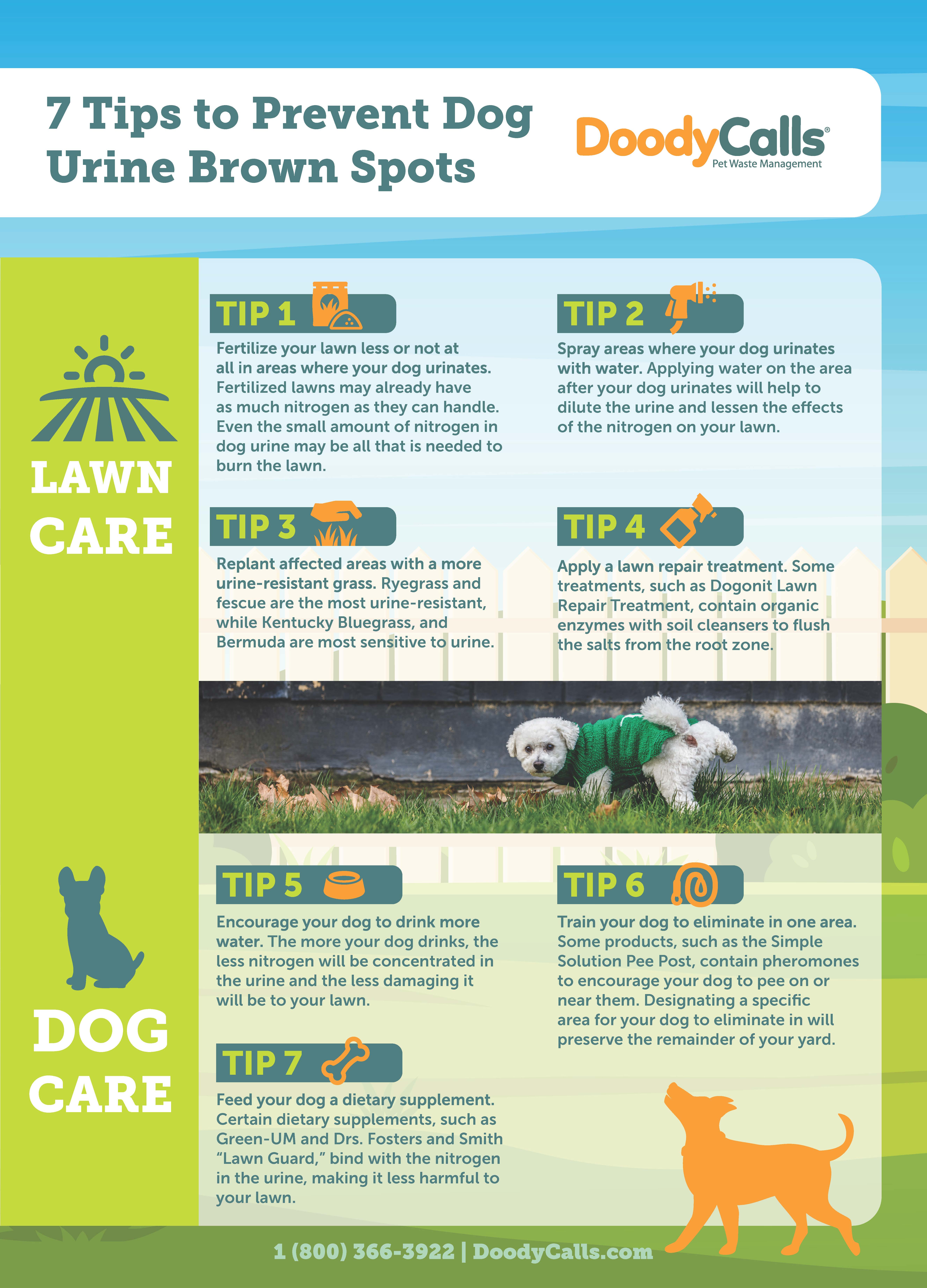
Image Source: www.doodycalls.com
Deciphering Dog Urine Lawn Damage
To effectively tackle dog urine lawn damage, we first need to comprehend why it happens. A dog’s urine contains a cocktail of compounds, including urea, which breaks down into ammonia and then nitrates. While nitrates are essential for plant growth, the concentrated levels in urine are too much for grass. This over-fertilization scorches the grass blades, leading to the characteristic brown or yellow spots. The acidity of the urine can also play a role in damaging the grass’s roots and delicate blades.
Why Dog Pee Creates Brown Spots on Grass
Several factors contribute to the formation of brown spots on grass dog pee.
- Nitrogen Content: As mentioned, this is the primary offender. It’s like over-fertilizing a plant – it gets too much of a good thing and dies back.
- Uric Acid: This is another component that can be toxic to grass in high concentrations.
- Concentration: The longer a dog stands in one spot to urinate, the more concentrated the urine becomes in that area, increasing the likelihood of damage.
- Grass Type: Some grass varieties are more susceptible to urine damage than others. Fine fescues and some perennial ryegrasses are generally more sensitive than tougher grasses like Kentucky bluegrass or Bermudagrass.
- Soil Conditions: Compacted soil or soil lacking good drainage can exacerbate the problem, as the urine sits on the surface longer, increasing its damaging effects.
- Dog’s Diet: While not the primary cause, a dog’s diet can slightly influence the nitrogen content in their urine.
Repairing Lawn Burn Spots Caused by Dog Pee
Fixing brown spots on grass dog pee requires a multi-pronged approach. It’s not just about killing the grass; it’s about revitalizing the soil and encouraging new growth.
Step 1: Identifying and Assessing the Damage
Before you can repair lawn burn spots dog pee has created, you need to know what you’re dealing with. Walk around your lawn and pinpoint all the affected areas. Note the size and severity of the burn spots. Are they small, isolated patches, or larger, more widespread areas? This assessment will help you determine the best course of action and the amount of seed and soil amendment you’ll need.
Step 2: Immediate Action for Fresh Spots
If you catch your dog in the act of creating a new burn spot, you can take immediate action to mitigate the damage.
- Flush with Water: The quickest way to dilute the urine and prevent it from scorching the grass is to immediately water the area thoroughly. Use a hose and a sprinkler to flood the spot for several minutes. This washes away the concentrated urine, reducing its impact.
Step 3: Treating Existing Urine Damage
For established brown spots on grass dog pee, you’ll need to be a bit more proactive.
- Rake and Remove Dead Grass: Gently rake out the dead grass in the affected area. This removes the unsightly brown material and loosens the soil, preparing it for new seed. Use a stiff wire rake or a stiff brush for this.
- Aeration (Optional but Recommended): If the soil in the burn spot area is compacted, consider aerating it. This can be done with a garden fork or a dedicated aerator. Aeration allows air, water, and nutrients to reach the grass roots more effectively, promoting healthier growth.
Step 4: Reviving Grass from Dog Urine Damage
Now it’s time to bring your lawn back to life and repair lawn burn spots dog urine has damaged.
- Loosen the Soil: Use a trowel or a hand cultivator to loosen the soil in the affected patch. This makes it easier for new grass seed to establish.
- Apply a Soil Amendment: It’s a good idea to add a nutrient-rich compost or a quality topsoil to the area. This provides a healthy base for new grass to grow. Mix it gently into the loosened soil.
- Reseed the Area: Choose a grass seed that matches your existing lawn. You can often buy “patch and repair” mixes from garden centers. Sprinkle the seeds evenly over the prepared soil.
- Cover with Topsoil: Lightly cover the seeds with a thin layer of topsoil. This helps protect the seeds and retain moisture.
- Water Gently and Consistently: Keep the newly seeded area consistently moist. Water lightly several times a day until the seeds germinate and the grass is established. Avoid heavy watering, which can wash the seeds away.
Preventing Dog Urine Spots: The Proactive Approach
While fixing brown spots on grass dog pee is doable, prevention is always better than cure. Implementing strategies to prevent dog urine spots will save you time and effort in the long run.
Strategies to Neutralize Dog Urine on Grass
There are several ways to neutralize dog urine on grass or minimize its impact.
- Dilution is Key: As mentioned, flushing the area with water immediately after your dog urinates is the most effective way to dilute the nitrogen and other compounds. Train your dog to go in a specific area of the yard, and make it a routine to water that area afterward.
- Dietary Adjustments: Consult your veterinarian about your dog’s diet. Some believe that adjusting a dog’s diet to be less acidic or supplementing with certain vitamins can help. However, it’s crucial to discuss this with a vet before making any significant changes. They can advise on the best dog food or supplements.
- Lawn Treatments: Several commercial products are available that claim to neutralize dog urine on grass. These often come in liquid or granular form and are applied to the lawn. They typically work by balancing the pH of the soil or adding beneficial microbes. Always follow the product instructions carefully.
- Dog Pee Lawn Spot Treatments: Similar to the above, these products are specifically designed to combat dog urine lawn damage. They might work by binding to the nitrogen in the urine or by promoting faster grass recovery.
Encouraging Better Potty Habits
- Designated Potty Area: Train your dog to use a specific area of your yard for their business. This could be a patch of gravel, a designated mulch area, or a less visible corner of your lawn. Once trained, it becomes easier to manage watering and monitor the area.
- Frequent Potty Breaks: Taking your dog out for more frequent potty breaks can reduce the amount of urine concentrated in one spot. This is especially helpful for puppies and senior dogs.
- Hydration: Ensure your dog is drinking enough water. Well-hydrated dogs have less concentrated urine, which can reduce its damaging effects.
Dog-Friendly Lawn Solutions
When choosing plants and lawn care products, opt for dog friendly lawn solutions.
- Hardier Grass Varieties: If you’re starting a new lawn or overseeding, consider planting grass varieties that are more resistant to dog urine damage. These often include varieties of Kentucky bluegrass, fescues, and Bermudagrass.
- Protective Barriers: For particularly sensitive areas, you might consider using temporary barriers or fencing to direct your dog away from newly seeded areas or delicate patches of grass.
- Natural Amendments: Instead of harsh chemical fertilizers, consider using organic lawn care products and natural soil amendments like compost. These can help improve soil health and resilience.
Treating Urine Damage on Lawn: A Deeper Dive
When you need to treat urine damage lawn areas, a systematic approach is best.
Step 1: Remove the Problem
- Identify the “Hot Spot”: If you have a recurring problem area, try to pinpoint why your dog favors it. Is it shaded? Does it offer good cover? Understanding the reason can help you modify the area to make it less attractive for future urination.
Step 2: Repair the Damage
- Water Deeply: As emphasized, water is your best friend. A good deep watering of the entire lawn after a dog has urinated can significantly dilute the concentration in any one spot.
- Soil Amendments for Recovery: To help the soil recover and become more receptive to new grass, consider adding amendments.
- Compost: A layer of good quality compost mixed into the soil provides essential nutrients and improves soil structure.
- Gypsum: For clay soils that tend to compact, gypsum can help improve drainage and aeration, making it easier for grass to grow.
- Molasses: Some people report success with adding a small amount of liquid molasses to the soil. The sugars are thought to feed beneficial microbes that can help break down urine components.
Step 3: Reseeding and Re-establishment
- Timing is Crucial: The best time to reseed is typically in the fall or spring when temperatures are moderate and there’s ample moisture.
- Seed Selection: Ensure you choose a high-quality seed blend that suits your climate and existing grass type.
- Application Technique:
- Prepare the soil: Loosen the top inch of soil in the burn spot.
- Spread the seed: Sprinkle seeds evenly across the prepared area, ensuring good contact with the soil.
- Cover lightly: Use a thin layer of compost or topsoil to cover the seeds.
- Water consistently: Keep the area moist but not waterlogged until the grass is about 2-3 inches tall.
FAQ: Common Questions About Dog Urine and Lawns
Here are some frequently asked questions about how to deal with dog urine lawn damage.
Q1: Can I use a baking soda solution to fix lawn burn spots?
A1: While baking soda can help neutralize odors and slightly alter the pH of the soil, it’s generally not recommended as a primary solution for repairing lawn burn spots dog urine has caused. Overuse of baking soda can also negatively affect soil health. It’s better to stick to flushing with water, reseeding, and using specialized lawn products if needed.
Q2: How long does it take for grass to recover from dog urine damage?
A2: The recovery time depends on the severity of the damage and the steps taken. Minor damage from diluted urine might recover in a week or two with proper watering. More severe burns that require reseeding can take several weeks to establish fully.
Q3: Are there any special fertilizers I should use for a lawn with dogs?
A3: Look for slow-release nitrogen fertilizers. These release nitrogen gradually, reducing the risk of burning the grass. Organic fertilizers and compost are also excellent choices for promoting overall lawn health and resilience, making it better equipped to handle occasional dog pee burn relief.
Q4: My dog pees on the same spot every day. What can I do?
A4: This is a common issue. You can try to retrain your dog to use a different area, or you can dedicate the current spot to be less sensitive. Consider replacing the grass in that area with a dog-friendly ground cover like mulch or gravel, or install a small dog potty patch. If you continue to use it as a grass area, remember to water it heavily after each use and consider a dog friendly lawn solution like a soil amendment or a specific lawn treatment product.
Q5: Will dog urine kill my grass permanently?
A5: Severe and consistent exposure to concentrated dog urine can kill grass permanently, requiring reseeding. However, most commonly, it causes temporary damage, leading to browning and wilting. With proper intervention and care, the grass can usually recover.
Q6: What if I have multiple dogs? Does that make the damage worse?
A6: Yes, having multiple dogs can certainly increase the frequency and severity of dog urine lawn damage. The key is consistent management. Implementing a routine of watering after each dog urinates, encouraging them to use designated areas, and ensuring good overall lawn health will be crucial.
Q7: How can I tell if the grass is dead or just dormant?
A7: If the grass blades are brown but still bend when you try to pull them, they might be dormant due to heat or drought. If they snap easily and feel brittle, they are likely dead. For urine spots, the grass is usually actively killed, so it will feel brittle and break easily.
Q8: Are there any natural ways to prevent dog urine spots?
A8: The most natural and effective preventative measure is dilution. If you can’t be there to water immediately, you can train your dog to use a designated “potty area” that is perhaps less visible or made of materials like gravel or mulch, which won’t be damaged. Some anecdotal evidence suggests that adding certain supplements to a dog’s diet, like probiotics or enzymes, can help, but always consult your vet.
Q9: What is the best time of year to repair lawn burn spots?
A9: The best times to repair lawn burn spots by reseeding are during the cooler, wetter months of spring and fall. This allows the new grass seed to germinate and establish a strong root system before the stress of summer heat or winter cold.
Q10: My lawn is already established. Can I still apply products to neutralize dog urine?
A10: Yes, you can apply products designed to neutralize dog urine on grass to an established lawn. These products are often designed to be absorbed by the soil and work to break down the harmful components of urine. Always follow the product’s instructions carefully regarding application rates and frequency.
Conclusion: A Greener Lawn Awaits
Dealing with dog urine lawn damage can seem like an uphill battle, but with consistent effort and the right techniques, you can successfully repair lawn burn spots dog urine has created. By focusing on immediate dilution, proper repair methods, and proactive prevention strategies, you can enjoy a lush, green lawn that both you and your furry friend can appreciate. Remember, a healthy lawn is a resilient lawn, better equipped to withstand the occasional mishap. Implementing dog friendly lawn solutions and good lawn care dog urine practices will lead to dog pee burn relief and a more enjoyable outdoor space for everyone.