
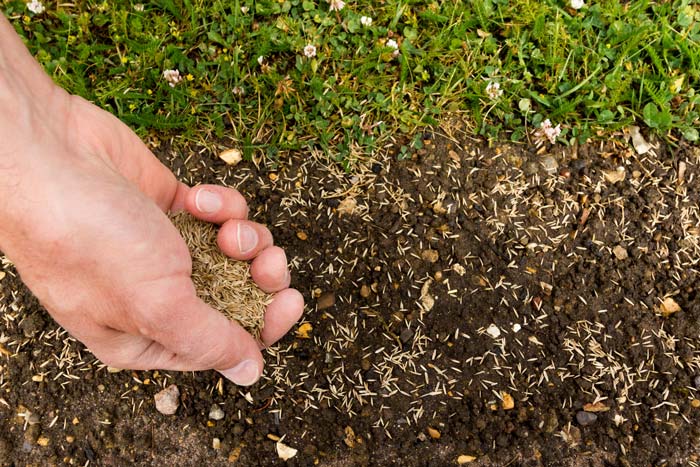
Image Source: www.greenacelawncare.com
How Often Should I Reseed My Lawn? Expert Tips for a Greener Yard & Best Times
Should I reseed my lawn? Yes, you should reseed your lawn if it’s thin, bare, or has a lot of weeds. Reseeding helps fill in gaps, improve thickness, and create a more beautiful, resilient yard.
A lush, green lawn is a source of pride for many homeowners. However, achieving and maintaining that vibrant look can be a challenge. Over time, lawns can become thin, develop bare patches, and become susceptible to weeds and diseases. This is where reseeding, also known as overseeding, comes into play. But how often should you reseed your lawn? The answer isn’t a one-size-fits-all. It depends on your lawn’s current condition, the type of grass, your climate, and your maintenance habits. This guide will delve into the details, providing expert tips and the best times to reseed for a healthier, greener yard.
Understanding Your Lawn’s Needs
Before you grab a bag of grass seed, it’s crucial to assess your lawn’s health. A healthy lawn is dense and uniform. If you can easily see large patches of soil, or if weeds are outcompeting your grass, it’s a strong indicator that reseeding is necessary. Several factors contribute to a lawn’s decline:
- Environmental Stress: Extreme weather conditions like prolonged drought, excessive heat, or harsh winters can weaken grass.
- Pests and Diseases: Grubs, chinch bugs, and various fungal diseases can damage or kill grass, leaving bare spots.
- Poor Soil Conditions: Compacted soil, low nutrient levels, or poor drainage can hinder grass growth.
- Heavy Foot Traffic: Constant walking or playing on the lawn can wear down the grass, leading to thinning.
- Age of the Lawn: Older lawns may naturally thin out as the grass varieties age and decline.
How Often Should I Reseed My Lawn? A General Guideline
As a general rule, most homeowners will benefit from reseeding their lawn once every 1 to 3 years. However, this frequency can vary significantly.
- Lawns in Poor Condition: Lawns that are severely thin, have widespread bare patches, or are heavily infested with weeds might require reseeding annually for a few years until the desired density is achieved. This is part of a comprehensive lawn renovation schedule.
- Lawns in Good Condition: If your lawn is generally healthy but could use a bit more thickness, reseeding every 2 to 3 years might be sufficient.
- Specific Grass Types: Some grass types, like Kentucky Bluegrass, are known to thin out more quickly and may benefit from more frequent overseeding. Cool-season grasses, in general, often respond well to fall overseeding.
The Importance of Overseeding Frequency
Determining the right overseeding frequency is key to maintaining a vibrant lawn without overdoing it. Too little overseeding and your lawn will remain thin and susceptible to problems. Too much, and you risk wasting seed, creating overly dense turf that can lead to other issues, or overwhelming your existing grass.
Think of overseeding as a continuous improvement process. It’s not just about fixing problems; it’s about proactively enhancing your lawn’s resilience and appearance. Regular overseeding helps:
- Improve Lawn Thickness: This is the most immediate benefit. New grass fills in the gaps between existing grass blades, creating a denser carpet.
- Enhance Color: A thicker lawn naturally appears greener and more uniform.
- Increase Wear Tolerance: Denser turf can better withstand foot traffic and activity.
- Outcompete Weeds: A thick, healthy lawn leaves less space and fewer resources for weeds to establish themselves.
- Introduce Disease Resistance: By overseeding with newer, more disease-resistant grass varieties, you can improve your lawn’s overall health.
When to Reseed Grass: Timing is Everything
The best time to reseed your lawn is critical for germination and establishment. This is because grass seed needs specific temperature and moisture conditions to sprout and grow successfully. The general lawn reseeding guidelines point to two optimal windows:
Fall: The Prime Season for Cool-Season Grasses
For most of North America, fall is the undisputed champion for reseeding cool-season grasses (like fescues, ryegrass, and bluegrass). Here’s why:
- Ideal Soil Temperatures: As summer heat subsides, soil temperatures begin to cool down. This range (typically 50-65°F or 10-18°C) is perfect for germination of cool-season grass seeds.
- Reduced Weed Competition: Many aggressive summer annual weeds have finished their life cycle by fall, giving your new grass seedlings a better chance to establish without intense competition.
- Moisture Availability: Fall often brings increased rainfall, which is crucial for keeping newly seeded areas consistently moist.
- Reduced Stress on New Seedlings: Cooler air temperatures and less intense sunlight mean new seedlings are less likely to dry out or suffer from heat stress compared to spring.
Best time to reseed cool-season grasses: Late summer to early fall, typically from mid-August to mid-October, depending on your region. Aim for at least 4-6 weeks before the first expected hard frost.
Spring: A Secondary Option for Cool-Season Grasses
While fall is preferred, spring can also be a viable time to reseed, especially if you missed the fall window or if your lawn is severely damaged.
- Warming Soil: As the soil warms up in spring (around 50-65°F or 10-18°C), conditions become favorable for germination.
- Sufficient Moisture: Spring often provides ample moisture through rain.
Challenges of Spring Reseeding:
- Weed Competition: Spring is also when many weed seeds germinate, creating stiff competition for your new grass seedlings.
- Summer Stress: Seedlings established in spring have to face the full intensity of summer heat and potential drought shortly after germination, making them more vulnerable.
- Pre-emergent Herbicides: If you plan to use pre-emergent herbicides for crabgrass control in the spring, this will prevent your new grass seed from germinating. You must wait until after your new grass has been mowed a few times before applying pre-emergents.
Best time to reseed cool-season grasses in spring: As soon as the ground can be worked and the threat of a hard frost has passed, typically from late March to early May.
Warm-Season Grasses: Summer is Key
If you have a warm-season lawn (like Bermuda, Zoysia, or St. Augustine grass), the best time to reseed is during their active growing season, which is summer.
- High Temperatures: Warm-season grasses thrive in heat, and their seeds require warm soil temperatures (70-85°F or 21-30°C) to germinate.
- Active Growth: During summer, these grasses are actively growing and can recover more quickly from any stress associated with seeding.
Challenges of Summer Reseeding:
- Watering Demands: Keeping newly seeded warm-season lawns consistently moist during hot summer weather can be challenging and requires diligent watering.
- Heat Stress: While they like heat, extreme prolonged heat waves can still stress young seedlings.
Best time to reseed warm-season grasses: Late spring to mid-summer, ensuring you can commit to consistent watering.
Creating Your Lawn Maintenance Calendar
To effectively manage your lawn, having a lawn maintenance calendar is essential. This calendar should include activities like mowing, fertilizing, aerating, and, of course, reseeding.
Sample Lawn Maintenance Calendar (Cool-Season Grasses)
| Month | Key Activities | Notes |
|---|---|---|
| March | Dethatch/Aerate (if needed), first light fertilization, broadleaf weed control (if necessary) | Avoid heavy fertilization. Remove winter debris. If soil is compacted, aeration is beneficial. |
| April | Mow regularly, apply pre-emergent herbicide for crabgrass, spot treat broadleaf weeds. | Mow at the higher end of your grass’s recommended height. Apply pre-emergent before crabgrass germinates (soil temps consistently above 55°F). |
| May | Continue mowing and watering, fertilize lightly if needed. | Watch for insect pests. Monitor for signs of fungal disease. |
| June | Mow, water deeply and infrequently, monitor for drought stress. | Avoid fertilizing with high nitrogen in hot weather. If you overseeded in spring, avoid weed control products that could harm young grass. |
| July | Mow, water deeply, monitor for pests and diseases. | Continue to manage heat stress. |
| August | Prepare for Overseeding: Mow lower, dethatch, aerate, apply starter fertilizer. | This is the start of the optimal overseeding window for cool-season grasses. Ensure good seed-to-soil contact. |
| September | Overseed! Water consistently, fertilize lightly. | This is the prime time for overseeding cool-season lawns. Keep the seedbed moist. |
| October | Continue watering if dry, final fertilization, light raking of leaves. | Allow new grass to establish before winter. Avoid heavy traffic on newly seeded areas. |
| November | Final mow, prepare for winter. | Ensure the lawn is clean of debris. |
| December-February | Dormant period. | Focus on snow removal if applicable. |
Steps for Successful Reseeding (Overseeding)
To maximize your chances of success when reseeding, follow these steps:
1. Prepare the Soil: The Foundation for Growth
Proper soil preparation is crucial for grass seed application. It ensures good seed-to-soil contact, which is vital for germination.
- Mow Low: Mow your existing lawn at a lower setting than usual, typically around 1.5 to 2 inches. This allows the seed to reach the soil surface.
- Dethatch (If Necessary): If your lawn has a thick layer of thatch (more than ½ inch), dethatch it. Thatch is a layer of dead and living grass stems, roots, and debris that can prevent seed from reaching the soil.
- Aerate: Aeration is highly recommended, especially if your soil is compacted. It creates small holes in the soil, allowing air, water, and nutrients to penetrate to the root zone. This also improves seed-to-soil contact. You can rent a core aerator or hire a professional.
- Remove Debris: Rake up any grass clippings, leaves, rocks, or other debris.
2. Choose the Right Grass Seed
Selecting the correct grass seed is as important as the timing.
- Match Your Existing Grass: Ideally, choose a seed mixture that is compatible with your current grass type. This will create a more uniform look.
- Consider Your Climate and Conditions: Select varieties known to perform well in your region’s climate, soil type, and sunlight exposure.
- Look for High-Quality Seed: Purchase seed from reputable suppliers. Look for seed with a high germination rate and a low percentage of weed seed. Seed mixtures often contain a blend of grass types to improve resilience.
3. Apply the Seed Effectively
Proper grass seed application ensures even coverage and optimal germination.
- Calculate Coverage: Follow the recommended seeding rates on the seed bag. Over-seeding typically requires about 1 to 2 pounds of seed per 1,000 square feet.
- Use a Spreader: A broadcast spreader or drop spreader will provide the most even distribution. For smaller areas, you can also hand-broadcast.
- Apply in Two Directions: To ensure good coverage, apply half the seed going in one direction (e.g., north to south) and the other half going in the perpendicular direction (e.g., east to west).
- Work Seed into Soil: Lightly rake the seeded area to ensure the seed is in contact with the soil. You can also use a roller to press the seed into the soil, but avoid burying it too deeply.
4. Water Consistently: The Key to Germination
This is arguably the most critical step after seeding.
- Keep Seedbed Moist: For the first 10-14 days, the seedbed must be kept consistently moist, but not waterlogged. This usually means watering lightly once or twice a day, depending on the weather.
- Avoid Heavy Watering: Heavy watering can wash away the seeds, especially on slopes.
- Once Seedlings Emerge: Continue to water regularly, gradually reducing the frequency and increasing the duration as the new grass establishes.
5. Fertilize Appropriately
- Starter Fertilizer: Apply a starter fertilizer at the time of seeding. These fertilizers contain phosphorus, which is essential for root development in new seedlings.
- Follow-Up Fertilization: Once the new grass has been mowed a few times, you can resume your regular fertilization schedule.
6. Mow Correctly
- Wait Until Established: Do not mow newly seeded areas until the grass blades are about 3-4 inches tall.
- Use a Sharp Mower Blade: Always use a sharp mower blade to make clean cuts.
- Mow Higher: Initially, mow at the higher end of your grass’s recommended mowing height. This helps the new grass develop a deeper root system.
- Don’t Remove Too Much: Never remove more than one-third of the grass blade in a single mowing.
Lawn Renovation Schedule vs. Routine Overseeding
A lawn renovation schedule is more intensive than routine overseeding. It’s typically undertaken when a lawn is in very poor condition and needs a complete overhaul. This might involve:
- Complete Overhaul: If your lawn is dominated by weeds or has extensive bare patches, a full renovation might be in order. This could involve killing off the existing lawn and starting fresh with new seed or sod.
- Addressing Underlying Issues: A renovation often includes addressing soil compaction, poor drainage, or nutrient deficiencies through more intensive methods like deep aeration, topdressing with compost, or soil amendments.
- Long-Term Improvement: A renovation is a significant undertaking with the goal of establishing a healthy, vigorous lawn from the ground up, which then can be maintained with regular overseeding and good practices.
Routine overseeding, on the other hand, is a maintenance practice performed on an existing lawn to improve its density, appearance, and health without a complete overhaul. It’s a vital part of a proactive lawn maintenance calendar.
Advanced Lawn Rejuvenation Techniques
Beyond simple reseeding, there are other lawn rejuvenation techniques that can further enhance your lawn’s health and appearance:
- Topdressing: Applying a thin layer of compost or a soil/compost mix over the lawn. This adds nutrients, improves soil structure, and helps retain moisture. It can be done before or after overseeding.
- Core Aeration: As mentioned, this is crucial for breaking up soil compaction and improving air and water exchange. It’s an excellent precursor to overseeding.
- Power Raking (Dethatching): This more aggressive dethatching method can help remove matted grass clippings and thatch, improving air and water penetration and promoting better seed-to-soil contact.
- Soil Testing: Periodically testing your soil can reveal nutrient deficiencies or pH imbalances that need to be corrected. This informs your fertilization and amendment strategy.
Troubleshooting Common Reseeding Problems
Even with careful planning, some issues can arise:
- Poor Germination:
- Cause: Lack of moisture, seed planted too deep or too shallow, poor seed-to-soil contact, unfavorable temperatures, old seed.
- Solution: Ensure consistent moisture, check soil contact, use a reputable seed source, and reseed at the correct time.
- Weed Invasion:
- Cause: High weed pressure in the area, or using pre-emergent herbicides too late in spring.
- Solution: Use selective post-emergent herbicides carefully on established seedlings, or focus on manual weed removal in young grass. Improving lawn density is the best long-term weed control.
- Uneven Growth:
- Cause: Uneven seed distribution, variations in soil moisture or sunlight.
- Solution: Use a spreader for more even application, ensure consistent watering, and address any areas with poor sunlight.
Frequently Asked Questions (FAQ)
Q1: How often should I reseed my lawn?
A: For most lawns, reseeding every 1 to 3 years is recommended. Lawns in poor condition may benefit from annual reseeding for a few years.
Q2: What is the best time to reseed grass?
A: For cool-season grasses (like fescue, bluegrass, ryegrass), the best time is late summer to early fall. For warm-season grasses (like Bermuda, Zoysia), it’s late spring to mid-summer.
Q3: Can I reseed my lawn in the spring?
A: Yes, spring is a secondary option for cool-season grasses, but it comes with challenges like increased weed competition and potential summer stress for new seedlings.
Q4: What are some effective lawn repair tips?
A: Lawn repair tips include reseeding bare patches, aerating compacted soil, dethatching, addressing pest and disease issues, and improving watering and fertilization practices.
Q5: How do I improve lawn thickness?
A: Improving lawn thickness is best achieved through regular overseeding, proper mowing heights, adequate watering, and appropriate fertilization.
Q6: What is grass seed application?
A: Grass seed application refers to the process of spreading grass seed evenly over a prepared soil surface, ensuring good contact for germination.
Q7: What is a lawn renovation schedule?
A: A lawn renovation schedule is a plan for a more intensive overhaul of a lawn in poor condition, often involving killing existing turf and starting over or making significant soil improvements.
Q8: What are lawn rejuvenation techniques?
A: Lawn rejuvenation techniques are methods used to improve an existing lawn’s health and appearance, such as aerating, topdressing, and overseeding.
By following these expert tips and understanding the nuances of your specific lawn, you can confidently determine how often to reseed and achieve that lush, green yard you desire. Remember, a healthy lawn is a journey, not a destination, and consistent care is key.