
When should you fertilize Bermuda grass? Fertilize Bermuda grass when it is actively growing, typically from late spring through early fall. Proper fertilization is key to achieving a lush, healthy Bermuda grass lawn. This warm-season grass thrives with the right nutrients, and a well-planned feeding schedule will make all the difference.
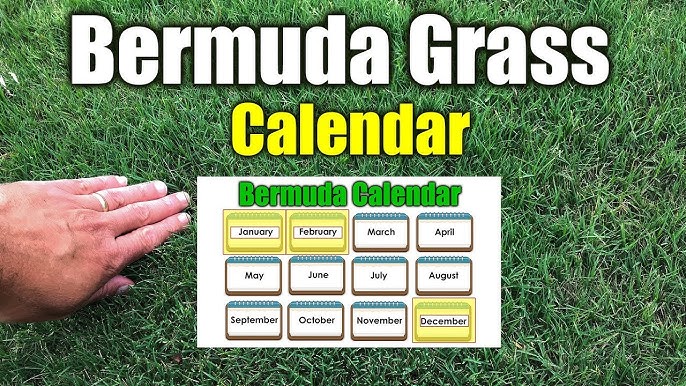
Image Source: i.ytimg.com
The Importance of Fertilization for Bermuda Grass
Bermuda grass is a popular choice for lawns in warmer climates due to its dense growth and tolerance to heat and drought. However, to reach its full potential, it requires consistent feeding. Fertilization provides the essential nutrients that Bermuda grass needs to grow vigorously, develop a deep root system, and maintain a vibrant green color. Without adequate nutrients, your Bermuda grass may become thin, pale, and more susceptible to pests and diseases.
Nutrients Your Bermuda Grass Needs
Plants, including your Bermuda grass, require several key nutrients for optimal growth. These are often represented by the N-P-K ratio on fertilizer bags, which stands for Nitrogen, Phosphorus, and Potassium.
- Nitrogen (N): This is the most crucial nutrient for leafy green growth. Nitrogen for Bermuda grass fuels the chlorophyll production, giving the grass its rich green color and promoting rapid shoot growth. A deficiency in nitrogen will lead to a pale, yellowish lawn.
- Phosphorus (P): Essential for root development, seedling establishment, and overall plant vigor. Phosphorus for Bermuda grass helps build a strong foundation, allowing the grass to access water and nutrients more effectively, especially during stressful periods.
- Potassium (K): This nutrient plays a vital role in overall plant health, disease resistance, drought tolerance, and wear tolerance. Potassium for Bermuda grass helps the plant regulate water use and strengthens its cell walls, making it more resilient to environmental stresses and foot traffic.
Determining the Best Fertilizer for Bermuda Grass
Choosing the best fertilizer for Bermuda grass involves considering several factors, including the type of fertilizer, its nutrient analysis, and the time of year.
Understanding Fertilizer Types
- Slow-Release Fertilizer Bermuda Grass: These fertilizers release nutrients gradually over an extended period. This is highly beneficial for Bermuda grass as it provides a consistent supply of food, reducing the risk of nutrient burn and minimizing the frequency of applications. Slow-release options are often preferred for their efficiency and ability to support steady growth.
- Quick-Release Fertilizers: These fertilizers provide nutrients immediately to the grass. While they can offer a rapid green-up, they are more prone to burning the grass if over-applied and require more frequent applications to maintain consistent growth.
The N-P-K Ratio
The N-P-K ratio indicates the percentage by weight of nitrogen, phosphorus, and potassium in a fertilizer. For example, a fertilizer with an 18-24-12 ratio contains 18% nitrogen, 24% phosphorus, and 12% potassium.
- High Nitrogen: Bermuda grass generally benefits from fertilizers with a higher nitrogen content, especially during its active growing season. Look for fertilizers with a nitrogen percentage that is equal to or higher than the other two numbers.
- Low Phosphorus: In established lawns, phosphorus is often less critical. Many soil tests reveal adequate phosphorus levels, and excessive phosphorus can contribute to water pollution. If your soil test indicates sufficient phosphorus, opt for a fertilizer with a low or zero phosphorus component (e.g., 20-0-5).
- Adequate Potassium: Ensuring sufficient potassium is important for overall lawn health and resilience.
Organic Fertilizer Bermuda Grass: A Natural Approach
Organic fertilizer Bermuda grass options offer a sustainable and environmentally friendly way to nourish your lawn. These fertilizers are derived from natural sources like compost, manure, and plant materials.
-
Benefits of Organic Fertilizers:
- Slow Nutrient Release: Organic fertilizers break down slowly, providing a steady release of nutrients that minimizes the risk of burning and leaching.
- Improved Soil Health: They add organic matter to the soil, which enhances soil structure, water retention, and beneficial microbial activity.
- Environmentally Friendly: They are generally safer for the environment and less likely to contaminate waterways.
-
Considerations for Organic Fertilizers:
- Nutrient Content: The N-P-K ratios in organic fertilizers can vary, so it’s important to check the product label.
- Application Rates: You may need to apply organic fertilizers more frequently than synthetic ones to achieve the desired results.
- Availability: Some specialized organic fertilizers may be harder to find than conventional options.
When to Fertilize Bermuda Grass: A Seasonal Guide
A key aspect of Bermuda grass lawn care is adhering to a proper Bermuda grass fertilizer schedule. Timing is everything when it comes to feeding your grass.
Fertilization Timeline
- Late Spring (After Green-Up): The first fertilization should occur after your Bermuda grass has fully greened up and is actively growing. This is typically in late May or early June in most regions. Use a balanced fertilizer or one with a higher nitrogen content to encourage vigorous growth.
- Mid-Summer (July/August): A second application is usually needed in mid-summer to maintain color and density. Again, focus on a fertilizer with a good nitrogen source.
- Late Summer/Early Fall (August/September): A final feeding in late summer or early fall can help the grass recover from summer stress and prepare for dormancy. This application can also benefit from potassium for Bermuda grass to improve winter hardiness. Avoid fertilizing too late in the fall, as this can encourage tender new growth that may be damaged by frost.
Dormancy and Fertilization
Bermuda grass is a warm-season grass, meaning it goes dormant and turns brown during the colder months. Fertilizing dormant Bermuda grass is generally not recommended as the grass cannot effectively utilize the nutrients, leading to wasted fertilizer and potential environmental issues.
Bermuda Grass Soil Testing: The Foundation of Smart Fertilization
Before you grab the first fertilizer bag you see, Bermuda grass soil testing is a crucial step for any successful lawn care program. A soil test provides valuable information about your soil’s pH, nutrient levels, and organic matter content.
Why Soil Testing Matters
- Identifies Nutrient Deficiencies: A test will tell you if your soil is lacking specific nutrients like nitrogen, phosphorus, or potassium, allowing you to choose a fertilizer that addresses these needs.
- Reveals Nutrient Imbalances: It can also indicate if certain nutrients are present in excessive amounts, which can hinder the uptake of other essential nutrients.
- Determines Soil pH: Soil pH affects nutrient availability. Bermuda grass prefers a slightly acidic to neutral pH range (6.0-7.0). If your pH is too high or too low, certain nutrients will be locked up in the soil and unavailable to the grass, even if they are present.
- Guides Fertilizer Selection: Armed with soil test results, you can select the most appropriate best fertilizer for Bermuda grass with the correct N-P-K ratio and avoid applying unnecessary or potentially harmful nutrients.
How to Conduct a Soil Test
- Collect Samples: Collect soil samples from several different areas of your lawn. Dig down about 3-4 inches, avoiding any areas that have recently been fertilized or treated. Mix these samples together in a clean container.
- Send to a Lab: Most university extension offices offer affordable soil testing services. They will provide you with a kit and instructions on how to collect and submit your samples.
- Interpret Results: The lab will send you a report detailing your soil’s condition and provide recommendations for amendments and fertilization.
Applying Fertilizer: Best Practices for Bermuda Grass
Once you have your fertilizer and know your Bermuda grass fertilizer schedule, proper application is key to maximizing its benefits and avoiding problems.
Application Methods
- Broadcast Spreader: This is the most common type of spreader for lawns. It distributes fertilizer evenly across the lawn. Ensure the spreader is calibrated correctly to apply the recommended rate.
- Drop Spreader: These spreaders drop fertilizer in a narrow band, requiring more passes but offering greater accuracy in placement.
Application Tips
- Mow Before Fertilizing: Mow your lawn a day or two before applying fertilizer. This helps to remove any clippings that could interfere with fertilizer distribution and ensures the fertilizer reaches the soil.
- Water After Fertilizing: In most cases, it’s best to water your lawn after applying fertilizer. This helps to wash the fertilizer off the grass blades, preventing potential burn, and begins to move the nutrients into the soil where the roots can access them. Check the fertilizer packaging for specific instructions.
- Avoid Fertilizing During Drought or Extreme Heat: If your lawn is stressed from drought or high temperatures, hold off on fertilizing. Wait until conditions improve to avoid further stressing the grass.
- Apply Evenly: Overlap your spreader passes slightly to ensure complete coverage and avoid stripes of darker or lighter green grass.
Common Fertilization Mistakes to Avoid
Even with the best intentions, some mistakes can hinder your Bermuda grass’s growth.
- Over-fertilizing: Applying too much fertilizer, especially nitrogen, can lead to rapid, weak growth that is more susceptible to disease and pests. It can also “burn” the grass, leaving brown patches.
- Under-fertilizing: Not providing enough nutrients will result in a weak, pale lawn that struggles to compete with weeds.
- Fertilizing at the Wrong Time: Applying fertilizer when the grass is dormant or stressed can be ineffective or even harmful.
- Using the Wrong Type of Fertilizer: A fertilizer with too much phosphorus or an inappropriate N-P-K ratio for your specific soil needs won’t yield the best results.
- Ignoring Soil Tests: Not performing Bermuda grass soil testing means you’re fertilizing blindly, which can lead to over- or under-application of specific nutrients.
Enhancing Your Bermuda Grass Lawn Care Routine
Fertilization is a cornerstone of healthy Bermuda grass, but other practices contribute significantly to its overall well-being.
Mowing
Proper mowing is essential. For Bermuda grass, it’s generally recommended to mow at a lower height than other grass types, typically between 1/2 inch and 1.5 inches. Frequent mowing is necessary during the active growing season to maintain this height. Always use a sharp mower blade to ensure a clean cut that promotes healing and reduces stress on the grass.
Watering
Bermuda grass is relatively drought-tolerant once established, but it still needs consistent watering. Aim for deep, infrequent watering to encourage deep root growth. Water thoroughly when the grass shows signs of stress, such as a dull, bluish-gray color or footprints remaining visible after walking on it. Avoid frequent, shallow watering, which promotes shallow root systems.
Weed Control
A healthy, dense Bermuda grass lawn is the best defense against weeds. However, if weeds do appear, address them promptly. Pre-emergent herbicides can be applied in early spring before weed seeds germinate, and post-emergent herbicides can be used to control existing weeds. Always follow product label instructions carefully.
Aeration and Dethatching
Over time, a thick layer of thatch can build up on your Bermuda grass lawn. Thatch is a layer of dead and living grass stems, roots, and debris between the soil surface and the green grass blades. A thatch layer thicker than 1/2 inch can impede water, air, and nutrient penetration to the soil and roots.
- Dethatching: This process removes excess thatch. It’s best done when the grass is actively growing, typically in late spring or early summer.
- Aeration: This involves making small holes in the soil to relieve compaction and improve air circulation. Aeration is also best performed when Bermuda grass is actively growing.
Both dethatching and aeration can be done before your main fertilization applications.
Choosing the Right Fertilizer: A Practical Guide
Selecting the best fertilizer for Bermuda grass can seem complex with so many options available. Here’s a simplified approach:
- For General Growth and Greening: Look for fertilizers with a higher first number (nitrogen). A common recommendation for established Bermuda grass is a fertilizer with an analysis like 3-1-2 or 4-1-2, but during peak growing season, a higher nitrogen ratio like 20-5-10 or even a pure nitrogen source like urea (46-0-0) can be used if applied carefully and with a soil test to confirm.
- For Root Development and Stress Tolerance: If your soil test indicates low phosphorus or you want to boost overall resilience, consider fertilizers with a balanced N-P-K ratio or slightly higher phosphorus and potassium, especially for fall applications.
- For Established Lawns with Good Soil: If your soil test shows adequate nutrients, focus on maintaining the lawn with a fertilizer that has a balanced ratio or is lower in phosphorus.
- When Using Organic Options: Consider compost, worm castings, or specially formulated organic lawn fertilizers. These will provide nutrients slowly and improve soil structure.
Bermuda Grass Fertilizer Schedule: Summary Table
| Time of Year | Purpose | Recommended N-P-K Focus | Notes |
|---|---|---|---|
| Late Spring (May/June) | Initiate active growth, green-up, and thicken turf | Balanced or higher nitrogen (e.g., 16-4-8, 20-5-10) | Fertilize after grass has fully greened up. |
| Mid-Summer (July/Aug) | Maintain color, density, and recovery from heat stress | Higher nitrogen (e.g., 21-7-7, 24-0-6) | Avoid fertilizing during extreme heat or drought. |
| Late Summer/Early Fall (Aug/Sept) | Prepare for dormancy, improve winter hardiness, aid recovery | Balanced or higher potassium (e.g., 10-10-10, 12-4-16) | This application helps the grass store energy for winter and recover from summer stress. |
| Late Fall/Winter (Oct/Nov) | (Optional) Winterizer for root development and early spring green-up | Low nitrogen, higher phosphorus and potassium (e.g., 10-20-20) | Apply just before or as grass enters dormancy. Do not fertilize dormant grass. |
Note: This is a general guideline. Always adjust based on your specific climate, soil test results, and grass condition.
Conclusion: Cultivating a Lush Bermuda Grass Lawn
Achieving a beautiful, lush Bermuda grass lawn is a rewarding process that involves consistent effort and a keen eye for your grass’s needs. By following a well-defined Bermuda grass fertilizer schedule, choosing the best fertilizer for Bermuda grass, and incorporating other essential Bermuda grass lawn care practices like proper watering, mowing, and aeration, you can cultivate a lawn that is not only visually stunning but also healthy and resilient. Remember that Bermuda grass soil testing is your most valuable tool for informed fertilization, ensuring you provide exactly what your lawn needs for vibrant, enduring growth.
Frequently Asked Questions (FAQ)
Q1: How often should I fertilize my Bermuda grass?
A1: Generally, Bermuda grass benefits from 3-4 fertilization applications per year, timed from late spring through early fall. The exact frequency can depend on the type of fertilizer used (slow-release vs. quick-release) and your specific soil conditions.
Q2: Can I fertilize my Bermuda grass in the fall?
A2: Yes, a late summer or early fall fertilization is beneficial for Bermuda grass. It helps the grass recover from summer stress and prepares it for dormancy by aiding root development and improving winter hardiness. However, avoid fertilizing too late in the fall when growth has significantly slowed.
Q3: What is the best time to fertilize Bermuda grass?
A3: The best time to fertilize Bermuda grass is when it is actively growing. This typically begins in late spring after the grass has fully greened up and continues through early fall. Avoid fertilizing when the grass is dormant or stressed by drought or extreme heat.
Q4: Should I use a slow-release or quick-release fertilizer?
A4: For Bermuda grass, slow-release fertilizer Bermuda grass options are generally preferred. They provide a steady supply of nutrients, reducing the risk of fertilizer burn and the need for frequent applications, leading to more consistent and healthy growth.
Q5: My Bermuda grass is turning yellow. What should I do?
A5: Yellowing Bermuda grass can be a sign of a nitrogen deficiency. However, it can also be caused by overwatering, poor drainage, disease, or compacted soil. If you suspect a nutrient issue, perform a Bermuda grass soil testing to confirm and then apply a fertilizer with adequate nitrogen for Bermuda grass. Ensure other potential causes are addressed as well.
Q6: How much nitrogen does Bermuda grass need?
A6: Bermuda grass is a heavy feeder of nitrogen, especially during its active growing season. A general guideline for established Bermuda grass is about 1 pound of actual nitrogen per 1,000 square feet per active growing month. However, the total annual nitrogen requirement can range from 2 to 4 pounds per 1,000 square feet. Always consult your soil test and fertilizer product label for precise recommendations.
Q7: Is phosphorus important for Bermuda grass?
A7: Phosphorus for Bermuda grass is crucial for root development and establishment. However, established lawns often have sufficient phosphorus levels. Over-application of phosphorus can be detrimental to the environment. It’s best to rely on Bermuda grass soil testing to determine if phosphorus supplementation is needed.
Q8: How does potassium help my Bermuda grass?
A8: Potassium for Bermuda grass plays a vital role in overall plant health, disease resistance, drought tolerance, and wear tolerance. It helps the grass manage water effectively and strengthens its cell walls, making it more resilient to environmental stresses and foot traffic.
Q9: Can I use compost as fertilizer for my Bermuda grass?
A9: Yes, organic fertilizer Bermuda grass options like compost are excellent for your lawn. Compost provides a slow release of nutrients and significantly improves soil health by adding organic matter, enhancing water retention and aeration. You can apply a thin layer of compost as a topdressing several times a year.
Q10: How do I read a fertilizer bag?
A10: A fertilizer bag will have three numbers prominently displayed, representing the N-P-K ratio (Nitrogen-Phosphorus-Potassium) by percentage of weight. For example, a 50 lb bag of 20-5-10 fertilizer contains 10 lbs of nitrogen (50 lbs * 0.20), 2.5 lbs of phosphorus (50 lbs * 0.05), and 5 lbs of potassium (50 lbs * 0.10). The rest is filler material.