
Can you get rid of mushrooms on your lawn? Yes, you absolutely can. While mushrooms often signal a healthy soil environment, their appearance can be unsightly, and some types can even be harmful to pets or children. This guide will equip you with the knowledge and practical steps for effective mushroom control in grass. We’ll cover everything from lawn fungus removal to preventing lawn mushrooms from returning.
Mushrooms popping up on your lawn might seem like a mysterious overnight occurrence. But these fungi are a natural part of the ecosystem, often thriving in damp, shady areas with plenty of organic matter to decompose. While not all lawn mushrooms are problematic, their presence can indicate underlying issues that need addressing. This comprehensive guide will help you tackle those unwelcome guests.
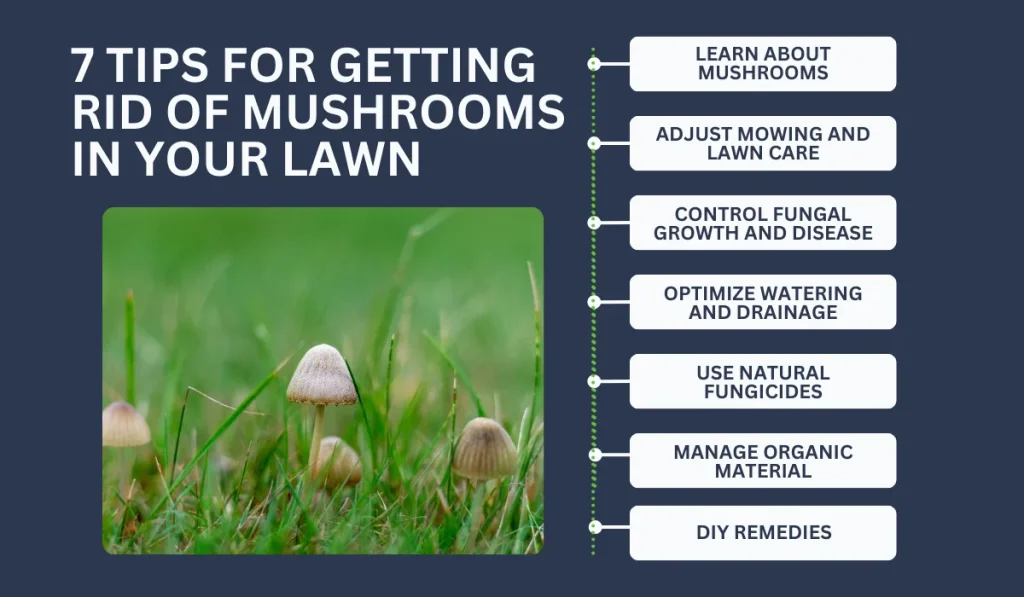
Image Source: sodlawn.com
Why Do Mushrooms Grow on My Lawn?
Before we dive into removal, it’s helpful to understand why mushrooms appear in the first place. Mushrooms are the fruiting bodies of a larger fungal network (mycelium) living underground. They emerge when conditions are just right.
Key Conditions for Mushroom Growth:
- Moisture: Consistent dampness is crucial. This can be due to excessive watering, heavy rainfall, poor drainage, or dewy mornings.
- Organic Matter: Mushrooms are decomposers. They feed on decaying organic material in the soil, such as dead grass, thatch, buried wood, animal droppings, or even old root systems.
- Shade: Many mushroom species prefer shady, humid environments.
- Compacted Soil: Compacted soil can trap moisture, creating ideal conditions for fungal growth.
- Fertilization: Over-fertilizing, especially with nitrogen-rich fertilizers, can sometimes encourage fungal growth.
Identifying Lawn Fungi: What You’re Dealing With
To effectively treat the problem, you need to know what you’re looking at. While most common lawn mushrooms are harmless, it’s good practice to be able to identify potential issues.
Common Lawn Mushrooms:
- Meadow Mushrooms (Agaricus campestris): These are edible and typically found in healthy, well-maintained lawns.
- Inky Caps (Coprinus spp.): These mushrooms have a distinctive umbrella shape and turn into a black, inky liquid as they mature. They are generally harmless but can look messy.
- Puffballs (Calvatia spp.): Round, white, and often appearing in clusters, puffballs release spores when disturbed. Younger puffballs are often edible.
- Stinkhorns (Phallaceae): These are less common and are known for their unpleasant odor, which attracts insects to spread their spores.
The Dreaded Fairy Rings:
One of the most noticeable signs of lawn fungus is the appearance of fairy rings. These are circular or semi-circular patterns of darker, faster-growing grass, or sometimes a ring of mushrooms themselves, with a dead or unhealthy-looking patch inside.
- How Fairy Rings Form: A fairy ring starts when a single mushroom spore germinates. The mycelium grows outwards underground, forming a circular network. As it decomposes organic matter, it releases nutrients, leading to the lush green ring. The center can eventually become depleted, or the mycelium can become too dense for grass to grow.
Dealing with Lawn Mushrooms: Effective Removal Strategies
Now that we know why they appear, let’s talk about how to get rid of mushrooms on your lawn. The approach often involves a combination of removal and addressing the underlying environmental factors.
Immediate Removal:
The simplest and most direct method of safe mushroom removal lawn is to physically remove them.
- Hand-pulling: Wear gloves. Gently pull the mushrooms from the ground, making sure to get the entire stalk.
- Bagging and Disposal: Place the pulled mushrooms in a sealed plastic bag. This prevents the spores from spreading further. Dispose of them in a trash bin, away from your garden or lawn.
- Mowing (with caution): Mowing over mushrooms will break them up and spread spores. While it removes the visible fruiting bodies, it’s not an ideal long-term solution for lawn fungus removal. If you mow, ensure your mower bag is on and properly sealed.
Addressing the Cause:
Simply removing the mushrooms won’t solve the problem if the conditions that encourage their growth remain. This is where lawn care mushroom solutions become crucial.
1. Improve Drainage:
Excess moisture is a primary culprit.
- Aeration: Core aeration can help break up compacted soil, allowing water to drain more effectively. Do this in the fall or spring.
- Top Dressing: After aerating, applying a thin layer of compost or sand can improve soil structure and drainage.
- Leveling: If your lawn has low spots where water collects, consider leveling these areas.
2. Reduce Thatch Build-up:
A thick layer of thatch (dead grass stems and roots) acts like a sponge, retaining moisture and providing food for fungi.
- Dethatching: Use a dethatching rake or a power dethatcher to remove excessive thatch. This is best done in the fall or spring when the grass is actively growing.
- Proper Mowing: Avoid cutting grass too short. Taller grass shades the soil, reducing moisture loss and suppressing weed growth. Aim to remove no more than one-third of the grass blade at a time.
3. Manage Watering Practices:
Overwatering is a common mistake.
- Water Deeply, Less Often: Instead of light, frequent watering, water your lawn thoroughly when needed. This encourages deeper root growth and reduces surface moisture.
- Water in the Morning: Watering in the morning allows the grass blades to dry off during the day, minimizing the risk of fungal diseases and mushroom growth.
4. Address Organic Debris:
Remove any material that mushrooms can feed on.
- Clean Up Debris: Rake up fallen leaves, grass clippings, and other organic debris regularly.
- Bury or Remove Buried Wood: If you suspect buried wood is the source, try to locate and remove it.
Natural Mushroom Killers for Lawns: Eco-Friendly Approaches
For those seeking natural mushroom killers for lawns, several eco-friendly options can help manage fungal growth.
Baking Soda:
Baking soda can alter the soil pH, making it less hospitable to many types of fungi.
- Application: Mix 1 tablespoon of baking soda with 1 gallon of water. Spray directly onto the mushroom patches and surrounding areas. Repeat every few days.
Vinegar:
Vinegar’s acidity can burn and kill fungal growth.
- Application: Mix equal parts white vinegar and water. Spray this solution on the mushrooms. Be cautious, as vinegar can also harm grass if applied too concentrated or in direct sunlight.
Hydrogen Peroxide:
A diluted solution of hydrogen peroxide can kill fungal spores.
- Application: Mix 1 part 3% hydrogen peroxide with 4 parts water. Spray onto the affected areas. It’s a gentle option that also helps aerate the soil.
Corn Gluten Meal:
This is a natural pre-emergent herbicide that also acts as a natural fertilizer. When applied at the right time, it can inhibit the germination of fungal spores.
- Application: Apply as directed on the product packaging, typically in early spring.
Eradicating Fairy Rings: Targeted Solutions
Dealing with eradicating fairy rings requires a persistent approach, focusing on the underlying mycelium.
Dethatching and Aeration:
As mentioned earlier, these practices disrupt the fungal network.
Heavy Watering:
For fairy rings that are primarily causing lush growth, a heavy watering followed by a period of dryness can sometimes break the cycle.
Fungicides (Use with Caution):
If natural methods aren’t enough, a fungicide specifically labeled for fairy ring control might be considered. Always follow label instructions carefully, as many fungicides can be harmful to beneficial soil organisms, pets, and humans.
- Identification is Key: Before using a fungicide, try to identify the specific type of fairy ring or fungus you are dealing with to select the most appropriate product. This might involve consulting a local garden center or extension office.
- Application Technique: For effective lawn disease treatment related to fairy rings, fungicides are often applied to a broad area, not just the visible ring, to target the entire mycelial network.
Preventing Lawn Mushrooms: Long-Term Strategies
The best way to “get rid” of mushrooms is to prevent them from growing in the first place. This involves consistent, good lawn care mushroom solutions.
Maintain a Healthy Lawn:
- Proper Mowing Height: Keep your grass at the recommended height for your grass type. This shades the soil and reduces evaporation.
- Balanced Fertilization: Fertilize your lawn based on soil test results. Avoid over-fertilizing, especially with nitrogen.
- Adequate Watering: Water deeply and infrequently, preferably in the morning.
- Regular Aeration and Dethatching: Keep your soil healthy and free from excessive thatch.
Overseeding:
- Thicken Your Lawn: A dense, healthy lawn crowds out weeds and can make it harder for fungi to establish. Overseeding in the fall can help achieve this.
Soil Testing:
- Nutrient Balance: A soil test can reveal nutrient deficiencies or excesses that might be contributing to fungal problems.
When to Call a Professional
If you’re struggling to control mushroom growth, or if you suspect you might have a particularly aggressive or harmful type of fungus, don’t hesitate to contact a professional lawn care service. They have the expertise and specialized products to diagnose and treat complex lawn disease treatment issues.
Frequently Asked Questions (FAQ)
Q1: Are lawn mushrooms poisonous?
While many common lawn mushrooms are not poisonous, it’s impossible to tell without proper identification. It’s always best to assume they are poisonous and keep children and pets away from them. Safe mushroom removal lawn practices are essential.
Q2: Can I just ignore the mushrooms?
If you have only a few mushrooms and they don’t bother you, ignoring them might be an option. However, their presence indicates conditions that could lead to more serious lawn issues. Addressing the underlying causes is recommended for a healthy lawn.
Q3: Will mowing kill the mushrooms?
Mowing will remove the visible mushroom caps but will likely spread their spores, potentially making the problem worse. It’s not an effective method for long-term mushroom control in grass.
Q4: How do I get rid of fairy rings permanently?
Eradicating fairy rings permanently can be challenging. It requires consistent application of good lawn care practices like aeration, dethatching, and proper watering, along with targeted treatments if necessary.
Q5: What is the best way to prevent lawn mushrooms?
The best prevention is to maintain a healthy, vigorous lawn. This includes proper mowing, watering, fertilization, and regular soil aeration and dethatching to manage thatch and soil compaction.
This guide provides a comprehensive approach to dealing with lawn mushrooms. By understanding why they appear and taking proactive steps in lawn care mushroom solutions, you can enjoy a healthier, more attractive lawn free from unwanted fungal guests. Remember, patience and consistency are key to successful lawn fungus removal and prevention.