
Image Source: i.ytimg.com
Best Ways: How Can I Kill Crabgrass In My Lawn?
Can you kill crabgrass in your lawn? Yes, you can effectively kill crabgrass in your lawn using a combination of preventative measures and targeted treatments. This article will guide you through the most effective methods for both eliminating existing crabgrass and preventing its return, ensuring a lush, healthy lawn.
Fathoming Crabgrass: A Summer Scourge
Crabgrass is an annual grassy weed that thrives in warm weather, typically germinating in late spring and growing vigorously throughout the summer. Its coarse, spreading growth pattern crowds out desirable turfgrass, creating unsightly patches and weakening your lawn’s overall health. Because it’s an annual, it dies off with the first frost, but its seeds can remain viable in the soil for years, meaning a single infestation can lead to recurring problems.
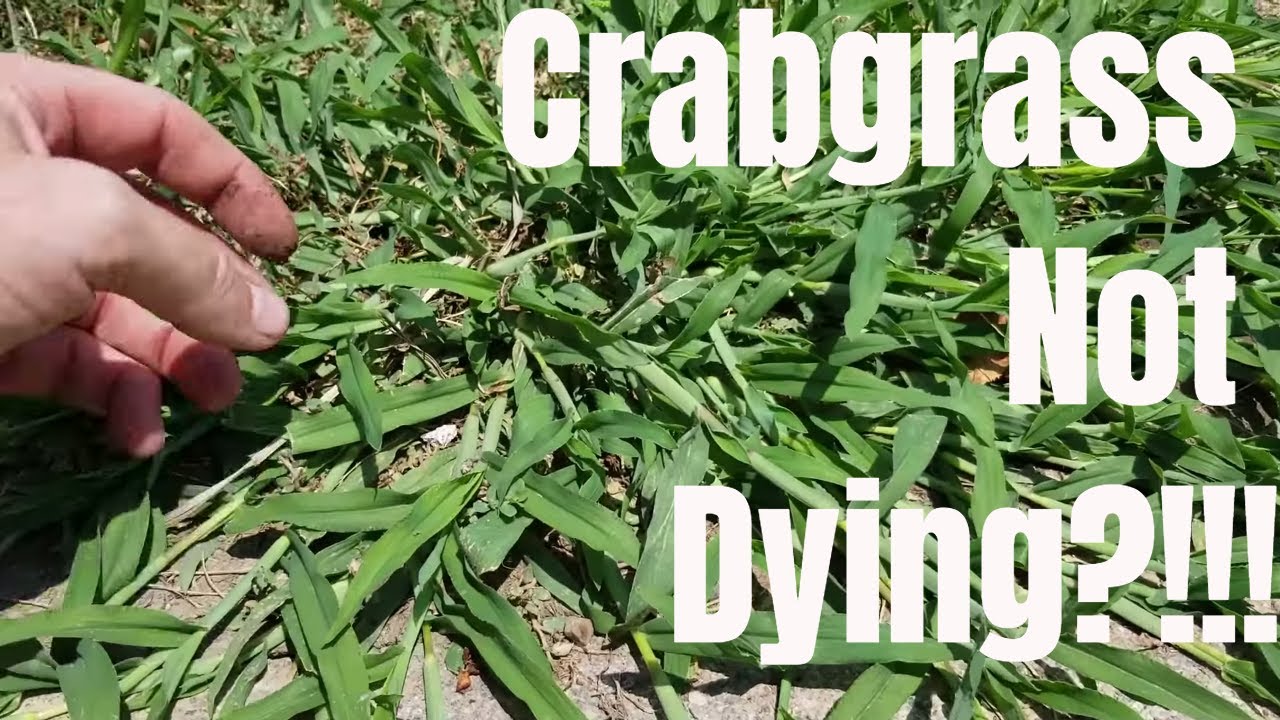
Identifying the Enemy: What Crabgrass Looks Like
- Growth Habit: Crabgrass has a low-growing, spreading, or clumping habit. Its stems, called tillers, grow outwards from a central crown, often rooting at the nodes where they touch the soil.
- Leaf Texture: The leaves are typically broader and more open than those of most common lawn grasses like fescues or bluegrass. They often have a lighter green color and a somewhat rough or hairy texture.
- Seed Heads: In late summer and fall, crabgrass produces distinctive seed heads that resemble a crab’s claws, hence its name. These are often purplish or brown and stand above the main leaf blades.
- Seasonal Appearance: You’ll notice it most prominently in sunny, dry areas of your lawn, especially where the turf is thin or stressed. It starts as small, undesirable tufts and can quickly spread to cover large areas.
Proactive Defense: Pre-emergent Crabgrass Control
The most effective strategy for managing crabgrass is pre-emergent crabgrass control. This means applying a herbicide before the crabgrass seeds germinate. Timing is absolutely crucial for pre-emergent treatments to be successful.
When to Apply Pre-emergents
- The Golden Rule: Crabgrass germinates when soil temperatures consistently reach 55-60 degrees Fahrenheit for several days. This usually occurs in late spring, typically between April and May in most temperate climates.
- Monitoring Soil Temperature: You can use a soil thermometer to track temperatures. Many lawn care professionals and garden centers also offer advice on optimal application times for your specific region.
- Early Bird Gets the Worm (and a Crabgrass-Free Lawn): It’s better to apply slightly too early than too late. If you miss the germination window, your pre-emergent will be ineffective.
Types of Pre-emergent Herbicides
There are several types of pre-emergent herbicides available. They work by forming a barrier in the soil that kills weed seedlings as they sprout.
-
Chemical Pre-emergents: These are widely available and effective. Common active ingredients include:
- Dithiopyr: Offers both pre-emergent and some limited post-emergent activity. It’s known for its long-lasting control.
- Prodiamine: A very popular and effective pre-emergent that provides extended control. It’s often found in granular formulations.
- Pendimethalin: Another common ingredient that works well when applied at the right time.
- Trifluralin: Effective against a broad spectrum of grassy weeds.
-
Organic Pre-emergents: For those seeking a more natural approach, organic pre-emergents are available. These are often derived from corn gluten meal.
- Corn Gluten Meal: This byproduct of corn processing acts as a natural pre-emergent by inhibiting root development in germinating seeds. It also provides nitrogen to the soil. However, its effectiveness can be variable, and it requires multiple applications throughout the season.
How to Apply Pre-emergents
- Read the Label: Always read and follow the instructions on the product label carefully. This includes application rates, safety precautions, and the types of turfgrass it’s safe for.
- Granular vs. Liquid: Pre-emergents come in both granular and liquid forms. Granular applications are often applied with a spreader and require watering in to activate the herbicide. Liquid applications are sprayed onto the lawn and may or may not require watering depending on the product.
- Even Coverage: Ensure you apply the product evenly across the entire lawn to avoid creating untreated strips where crabgrass can thrive.
- Watering In: Many pre-emergents need to be watered into the soil to become active. Check the product label for specific instructions.
Combining Pre-emergent with Fertilization
Many lawn care products combine pre-emergent herbicides with fertilizers. This allows you to fertilize your lawn and prevent crabgrass simultaneously. This is a convenient option, but ensure the fertilizer type and application rate are appropriate for your lawn’s needs and the time of year.
Reactive Measures: Post-Emergent Crabgrass Killer
If crabgrass has already emerged in your lawn, post-emergent crabgrass killer is necessary. These herbicides are designed to kill actively growing weeds.
Timing for Post-Emergent Treatments
- Early Intervention is Key: Post-emergent treatments are most effective when applied to young, actively growing crabgrass plants. As crabgrass matures, it becomes more difficult to control, and herbicides may not be as effective.
- Visible Infestation: You’ll know it’s time for post-emergent treatment when you start seeing patches of crabgrass in your lawn.
Types of Post-Emergent Crabgrass Killer
Post-emergent herbicides for crabgrass can be selective or non-selective.
-
Selective Crabgrass Killer: These herbicides target crabgrass and other grassy weeds while leaving your desired lawn grasses unharmed. This is the preferred option for most homeowners. Common active ingredients in selective post-emergent herbicides include:
- Quinclorac: A highly effective post-emergent herbicide that controls crabgrass and some broadleaf weeds. It’s often used on certain types of turfgrass.
- Fenoxaprop-p-ethyl: Another common active ingredient that targets crabgrass and other annual grassy weeds.
- Mesotrione: This herbicide can be used both pre- and post-emergently, and it can also help suppress other weeds.
-
Non-Selective Herbicides: These will kill any plant they come into contact with, including your lawn grass. Therefore, they should be used with extreme caution, ideally spot-treated directly onto the crabgrass patches. Glyphosate (found in products like Roundup) is a common example of a non-selective herbicide.
DIY Crabgrass Removal and Post-Emergent Application
- Spot Treatment: For smaller infestations, spot treatment with a selective post-emergent herbicide is the most efficient method. Use a sprayer to apply the herbicide directly to the crabgrass plants.
- Read and Follow Labels: As with pre-emergents, meticulously follow the product label for application rates, safety, and turfgrass compatibility. Some post-emergent herbicides can damage certain types of lawn grasses, especially when applied in high temperatures.
- Multiple Applications: You may need to apply post-emergent herbicides more than once to completely eliminate established crabgrass. Wait the recommended interval between applications as stated on the product label.
Organic Crabgrass Control Strategies
For those who prefer organic crabgrass control, options are more limited but still effective with consistent effort.
Natural Pre-Emergent Options
- Corn Gluten Meal: As mentioned earlier, corn gluten meal can be applied in early spring before germination. It also provides a light fertilization. However, it’s essential to apply it at the correct rate and at the right time. Its effectiveness can vary.
- Mulching: While not a direct herbicide, a thick layer of organic mulch around garden beds and ornamental areas can suppress weed seed germination, including crabgrass.
Natural Post-Emergent Options
- Manual Removal: For small patches, simply pulling the crabgrass by hand can be effective, especially after rain when the soil is moist. Ensure you remove the entire root system. This is a form of DIY crabgrass removal.
- Vinegar-Based Weed Killers: Horticultural vinegar (higher concentration than kitchen vinegar) can kill actively growing weeds on contact. However, it’s non-selective and can damage your lawn grass, so it must be used for spot treatment only. It also doesn’t have residual effects, meaning new seeds can still germinate.
- Boiling Water: Pouring boiling water directly onto crabgrass patches can kill the plants. Again, this is non-selective and best for small, isolated areas.
Improving Lawn Health for Organic Control
The best organic approach to crabgrass is to create a healthy, dense lawn that naturally outcompetes weeds. This involves:
- Proper Mowing: Mow your lawn at the correct height for your grass type. Taller grass shades the soil, making it harder for crabgrass seeds to germinate.
- Adequate Watering: Water deeply and less frequently to encourage strong root growth.
- Aeration: Aerating the soil improves drainage and reduces compaction, leading to a healthier lawn.
- Overseeding: Regularly overseeding with desirable grass species helps fill in thin areas where crabgrass might otherwise take hold.
Advanced Lawn Care Crabgrass Tactics
Beyond basic pre- and post-emergent applications, several advanced lawn care crabgrass strategies can significantly improve your results.
The Role of Soil Health
- Soil Testing: Get your soil tested to determine its pH, nutrient levels, and organic matter content. A balanced soil is crucial for a healthy, resilient lawn that can better resist weed invasions.
- Topdressing: Adding a thin layer of compost or a quality topsoil can improve soil structure and fertility, promoting thicker turf.
Cultural Practices for Prevention
- Mowing Height: As mentioned, maintaining the proper mowing height is critical. For most cool-season grasses, this means mowing at 3-4 inches. For warm-season grasses, it might be lower, but always check recommendations for your specific turf type.
- Fertilization: A well-timed and properly balanced fertilization program supports dense turf growth, which naturally suppresses weeds. Avoid over-fertilizing, which can lead to rapid growth that is susceptible to stress and disease.
- Aeration and Dethatching: Regular aeration and dethatching help improve air and water penetration to the soil and reduce the layer of thatch, creating a less favorable environment for weed seeds.
Best Crabgrass Killer for Lawns: Choosing the Right Product
Selecting the best crabgrass killer for lawns depends on several factors: the stage of crabgrass infestation (pre-emergent or post-emergent), your lawn’s grass type, and your preference for chemical or organic solutions.
Key Considerations When Buying
- Active Ingredients: Research the active ingredients to ensure they are effective against crabgrass and safe for your lawn.
- Turfgrass Compatibility: Not all herbicides are safe for all types of grass. Always check the product label for a list of compatible turfgrass species.
- Application Method: Consider whether you prefer granular, liquid, or ready-to-use spray formulations.
- Duration of Control: Pre-emergents vary in how long they provide protection.
- Environmental Impact: If you’re concerned about the environment, look for products with lower toxicity or opt for organic alternatives.
Product Examples and Their Uses
| Product Type | Common Active Ingredients | Best Use | Notes |
|---|---|---|---|
| Pre-emergent | Prodiamine, Dithiopyr | Prevention before crabgrass germinates (late spring). | Apply when soil temps consistently reach 55-60°F. Water in after application. |
| Post-emergent | Quinclorac, Fenoxaprop | Killing existing, young crabgrass. | Apply when crabgrass is visible and actively growing. May require repeat applications. Check turfgrass compatibility. |
| Combination | Fertilizer + Pre-emergent | Spring fertilization and preventative crabgrass control. | Convenient, but ensure the fertilizer is appropriate for your lawn’s needs. |
| Organic Pre-emergent | Corn Gluten Meal | Natural prevention. | Apply in early spring. Effectiveness can vary; requires multiple applications. |
| Spot Treatment | Glyphosate (non-selective) | Killing isolated crabgrass patches without harming surrounding lawn. | Use with extreme caution. Apply directly to the weed only. |
| Spot Treatment | Horticultural Vinegar | Killing young, actively growing crabgrass on contact. | Non-selective. Best for small areas. Repeat applications may be needed. |
Frequently Asked Questions (FAQ)
Q1: When should I start thinking about crabgrass prevention?
A1: You should start thinking about crabgrass prevention in the fall. Applying a pre-emergent herbicide in the fall can control crabgrass that germinates in the early spring before soil temperatures reach the critical threshold. However, the most common and effective time for pre-emergent application is late spring.
Q2: Can I apply pre-emergent and fertilizer at the same time?
A2: Yes, many products are formulated as “weed and feed” products, combining fertilizer with a pre-emergent herbicide. This can be a convenient way to care for your lawn. However, always ensure the timing is appropriate for both fertilization and weed control.
Q3: My lawn has clover. Will the crabgrass killer also kill clover?
A3: Most selective lawn weed killer products designed for crabgrass control will also target other grassy weeds. However, they may not be effective against broadleaf weeds like clover. You might need a separate broadleaf weed killer to address clover. Always check the product label to see which weeds it controls.
Q4: Is it too late to kill crabgrass if I see it in my lawn in July?
A4: It’s not too late to kill it, but it will be more challenging. You’ll need a post-emergent crabgrass killer. Focus on applying it when the crabgrass is young and actively growing. Multiple applications might be necessary, and be aware that established crabgrass can cause significant damage to your lawn before it dies.
Q5: What is the most effective way to kill crabgrass long-term?
A5: The most effective long-term strategy is consistent pre-emergent crabgrass control year after year, combined with cultural practices that promote a dense, healthy lawn. A thick turf creates competition that naturally suppresses weed germination and growth. Focusing on lawn care crabgrass as a continuous process, rather than a one-time fix, yields the best results.