
Can you stop rabbits from eating your grass? Yes, you can deter rabbits from grass and protect your lawn from rabbits using a combination of methods. This guide will help you keep your lawn looking its best by offering safe and effective solutions to discourage rabbits from munching on your grass.
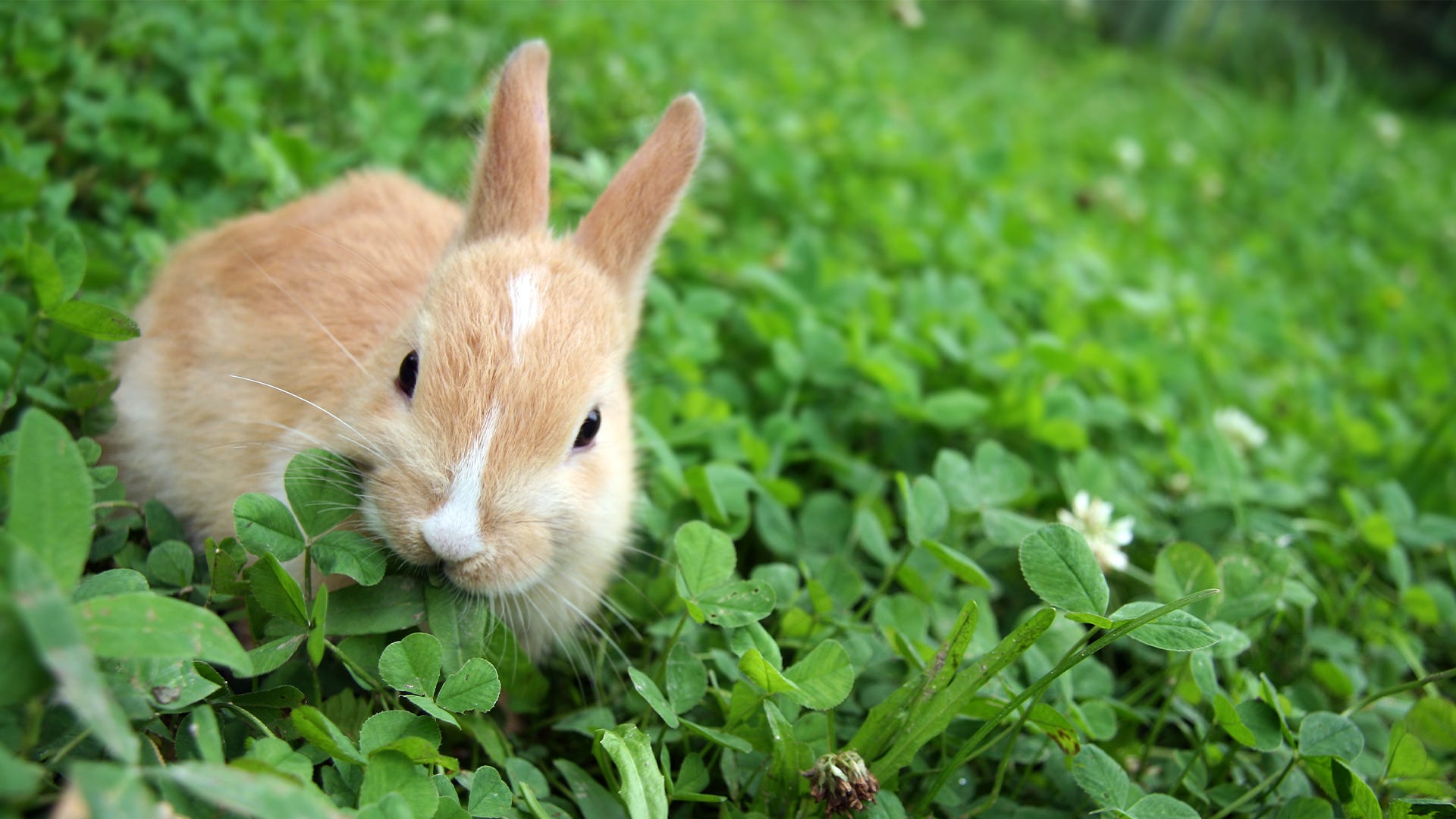
Image Source: www.havahart.com
Why Rabbits Love Your Lawn
Rabbits are herbivores, and a well-maintained lawn offers a tempting buffet of tender, young shoots. Their natural foraging behavior means they’ll seek out the most nutritious and accessible food sources. Unfortunately, this often includes your carefully cultivated grass. Understanding their preferences can be the first step in developing a strategy to deter rabbits from grass. They are particularly attracted to new growth, which is often softer and more palatable.
Seasonal Shifts in Rabbit Diet
- Spring: Young grass shoots are abundant and highly nutritious.
- Summer: Rabbits continue to graze on lawns, especially when other food sources are scarce.
- Autumn: Rabbits may nibble on grass as other vegetation begins to die back.
- Winter: While less active, rabbits will still consume grass if available, especially if it’s sheltered or less frozen.
Natural Rabbit Repellents: The Gentle Approach
Many gardeners prefer to use natural rabbit repellents that are safe for pets, children, and the environment. These methods work by altering the smell, taste, or texture of the grass in a way that rabbits find unappealing.
Scent-Based Deterrents
Rabbits have a keen sense of smell, and certain odors can effectively signal danger or simply be unpleasant enough to make them avoid an area.
Essential Oils
- Peppermint: The strong scent of peppermint oil can be very off-putting to rabbits. Mix a few drops of peppermint essential oil with water in a spray bottle and apply it around the perimeter of your lawn. Reapply after rain or every few days.
- Cinnamon: Similar to peppermint, the pungent aroma of cinnamon can discourage rabbits. Sprinkle ground cinnamon or use cinnamon oil diluted in water.
- Clove Oil: Another potent scent that rabbits dislike. Use sparingly, as too much can be overwhelming.
Other Natural Scents
- Garlic: The strong smell and taste of garlic are natural deterrents. You can plant garlic cloves around the edges of your lawn or create a garlic spray by blending garlic cloves with water and straining the liquid.
- Onion: Similar to garlic, onions release a strong odor that rabbits tend to avoid. You can use onion scraps or onion powder in a similar fashion.
- Castor Oil: While not strictly a scent, castor oil leaves a bitter taste that rabbits dislike. Mix a small amount of castor oil with water and a mild soap (to help it emulsure) and spray it on your lawn. Be cautious with overuse, as it can affect soil health.
Taste-Based Deterrents
These methods aim to make the grass itself unpalatable.
Bitter Sprays
Commercial or homemade bitter sprays can be applied to the lawn. These are generally safe for grass but make it taste unpleasant for rabbits. Always test on a small patch of lawn first to ensure it doesn’t discolor the grass.
Other Natural Methods
- Marigolds and Garlic: Planting these around the edges of your lawn can act as a natural barrier. Rabbits are generally deterred by the strong scents of marigolds and garlic.
- Coffee Grounds: Some gardeners find that scattering used coffee grounds around their lawn deters rabbits. The smell and texture can be unappealing.
Commercial Rabbit Repellents: Tried and Tested Options
For those seeking convenience and proven results, commercial rabbit repellents offer a range of formulations. These products are designed specifically to discourage rabbits from eating grass and can be very effective.
Types of Commercial Repellents
- Scent-Based: These often contain ingredients like predator urine (coyote, fox), rotten egg solids, or essential oils. They work by mimicking the scent of predators, making rabbits feel unsafe.
- Taste-Based: These typically use bittering agents like capsaicin (from chili peppers) or denatonium benzoate, which makes the grass taste unpalatable.
- Granular vs. Spray: Granular repellents are spread on the lawn and are often activated by moisture, releasing their scent or taste over time. Sprays offer a more immediate application and can be targeted to specific areas.
Application Tips for Commercial Repellents
- Read the Label: Always follow the manufacturer’s instructions carefully for application rates and frequency.
- Test First: Apply to a small, inconspicuous area of your lawn before treating the entire area to ensure it doesn’t harm the grass.
- Reapply: Most repellents need to be reapplied after rain or irrigation.
- Rotate: Consider rotating between different types of repellents to prevent rabbits from becoming accustomed to a single scent or taste.
Rabbit Fencing for Gardens: The Physical Barrier
When other methods fail or for ultimate protection, rabbit fencing for gardens is one of the most effective ways to protect lawn from rabbits. This involves creating a physical barrier that rabbits cannot penetrate.
Choosing the Right Fencing Material
- Hardware Cloth: This is a sturdy wire mesh with small openings (1/2 inch or 1/4 inch). It’s durable and effective at keeping out rabbits.
- Chicken Wire: While less sturdy than hardware cloth, chicken wire can be a more affordable option. However, rabbits can sometimes chew through it if they are persistent.
- Plastic Fencing: Some lightweight plastic mesh fences are available, but these are generally less effective for rabbits as they can be chewed through.
Fencing Installation Best Practices
- Height: The fence should be at least 2-3 feet tall. Rabbits can jump surprisingly high.
- Depth: Bury the bottom of the fence at least 6 inches into the ground. Rabbits are excellent diggers and will try to burrow underneath. An outward-facing L-shaped footer made of wire mesh can also help prevent burrowing.
- Gaps: Ensure there are no gaps at the bottom or along the sides of the fence where rabbits can squeeze through.
- Secure Connections: Use stakes, posts, and fasteners to ensure the fence is securely anchored and won’t blow over.
\”Rabbit Proofing Your Lawn\” with Fencing
This method is particularly useful for protecting specific garden beds or smaller lawn areas. It creates a secure enclosure that prevents rabbits from accessing the grass within. For larger lawn areas, a perimeter fence around the entire yard is more practical.
Homemade Rabbit Repellents: DIY Solutions
For those who prefer to make their own deterrents, homemade rabbit repellents can be both cost-effective and customizable.
Simple Spray Recipes
Recipe 1: Garlic and Pepper Spray
- 1 whole bulb of garlic, minced
- 1 tablespoon of cayenne pepper
- 1 quart of water
- 1 teaspoon of mild liquid soap (like castile soap)
Instructions:
1. Combine minced garlic and cayenne pepper in a jar.
2. Pour the water over the garlic and pepper.
3. Let it steep for at least 24 hours.
4. Strain the liquid through a cheesecloth or fine-mesh sieve.
5. Add the liquid soap and mix well.
6. Pour into a spray bottle.
Application: Spray liberally on the grass, especially around the edges and any areas where rabbits are frequently seen. Reapply after rain.
Recipe 2: Egg and Water Spray
- 2-3 raw eggs
- 1 quart of water
Instructions:
1. Whisk the eggs thoroughly in a bowl.
2. Add the water and whisk again until well combined.
3. Pour into a spray bottle.
Application: Spray on the lawn. The smell of the eggs (especially when they begin to decompose slightly) can be a deterrent. Reapply after rain.
Other Homemade Ideas
- Planting Deterrent Herbs: Consider planting strong-smelling herbs like rosemary, mint, and thyme around the perimeter of your lawn. Rabbits generally dislike their aromas.
- Pine Needle Mulch: Applying a layer of pine needles as mulch can make the area less appealing for rabbits to graze on.
Discourage Rabbits from Eating Grass: Integrated Strategies
The most effective way to discourage rabbits from eating grass often involves a multi-pronged approach, combining several of the methods discussed. This integrated strategy is key to successful rabbit proofing your lawn.
Habitat Modification
- Remove Cover: Rabbits prefer to hide in dense vegetation. Trim overgrown bushes, weeds, and tall grass near your lawn. This removes their safe havens.
- Clear Debris: Remove any woodpiles, rock piles, or dense brush near your lawn, as these can provide shelter.
Food Source Alternatives
- Offer Other Food: If you have other plants you want to protect, consider providing rabbits with an alternative food source away from your lawn. This could be a small patch of clover or other rabbit-friendly plants in a less desirable location. This can sometimes distract them.
Visual Deterrents
- Scare Devices: While less reliable long-term, visual deterrents like pinwheels, shiny objects (like old CDs or aluminum foil strips), or even predator decoys (like owl statues) can sometimes startle rabbits and make them wary of an area. They often become accustomed to stationary objects, so movement is key.
Protecting Your Lawn from Rabbits: A Comprehensive Plan
To truly protect lawn from rabbits, you need to implement a plan that addresses their needs and your desired outcome.
Step-by-Step Lawn Protection
- Identify Problem Areas: Note where rabbits are causing the most damage. This will help you focus your efforts.
- Assess Rabbit Activity: Observe when and how rabbits are accessing your lawn. Are they coming from a specific direction? Do they hide in nearby bushes?
- Choose Your Methods: Select a combination of repellents, fencing, or habitat modifications based on the severity of the problem and your preferences.
- Implement Consistently: Apply repellents regularly, maintain fencing, and make habitat changes as needed. Persistence is crucial.
- Monitor and Adjust: Keep an eye on your lawn for new signs of damage. If one method isn’t working, be prepared to try another or combine it with a different approach.
When to Call the Professionals
If you have a severe rabbit infestation and are struggling to manage it with DIY methods, consider contacting a local wildlife removal service or a pest control professional who specializes in humane animal deterrents. They can offer expert advice and implement more intensive solutions.
Frequently Asked Questions (FAQ)
Q1: How often do I need to reapply rabbit repellent?
A1: Most repellents, both natural and commercial, need to be reapplied after rain or watering, typically every few days to a week, to maintain their effectiveness.
Q2: Will natural rabbit repellents harm my pets or children?
A2: Generally, natural repellents made from common household ingredients like garlic, onions, and essential oils are safe for pets and children when used as directed. However, always supervise children and pets and prevent them from ingesting treated grass. Commercial repellents should be used strictly according to label instructions.
Q3: Can I use soap to make repellents stick to the grass?
A3: Yes, a small amount of mild liquid soap, like castile soap, can act as a surfactant, helping the repellent spray adhere to the grass blades better and last longer.
Q4: What is the best time of day to apply rabbit repellent?
A4: It’s generally best to apply repellents in the early morning or late evening when rabbits are most active foraging. Avoid applying during the hottest part of the day, as the spray might evaporate too quickly.
Q5: How tall does rabbit fencing need to be?
A5: To effectively protect lawn from rabbits, fencing should be at least 2 to 3 feet tall, and buried at least 6 inches into the ground to prevent them from digging underneath.
Q6: Are there any plants that rabbits absolutely won’t eat?
A6: While no plant is entirely rabbit-proof, rabbits tend to avoid plants with strong scents or fuzzy/thorny textures. Examples include lavender, rosemary, mint, marigolds, peonies, and iris.
Q7: How can I stop rabbits from digging in my lawn?
A7: Rabbits dig for a variety of reasons, including to create burrows or to find food. Burying the base of fencing, using ground repellents, and removing attractive hiding spots can help discourage rabbits from eating grass and digging.
Q8: Can I use ultrasonic devices to deter rabbits?
A8: The effectiveness of ultrasonic devices for repelling rabbits is largely anecdotal and not scientifically proven. Many animals, including rabbits, can become accustomed to the sound.
Q9: What is a good homemade rabbit repellent for gardens?
A9: A popular homemade rabbit repellent for gardens is a mixture of minced garlic, cayenne pepper, and water, with a bit of mild soap to help it stick. This can be sprayed on plants or around the garden perimeter.
Q10: What are the most effective rabbit deterrents for gardens?
A10: The most effective rabbit deterrents for gardens typically involve a combination of physical barriers like rabbit fencing for gardens, strong-smelling repellents (natural or commercial), and habitat modification to remove shelter.