
What is lawn striping? Lawn striping is the art of creating alternating bands of light and dark green on your lawn by bending grass blades in opposite directions. Can I stripe my lawn? Yes, anyone with a compatible lawn mower can stripe their lawn. Who is lawn striping for? It’s for anyone who wants their lawn to look neat, polished, and professionally maintained.
Achieving those crisp, eye-catching stripes on your lawn isn’t just about having a healthy turf; it’s about mastering a specific technique. That distinct pattern you see on sports fields and in award-winning gardens is the result of lawn care striping, a surprisingly achievable goal for any homeowner. This guide will walk you through how to stripe grass and transform your yard into a masterpiece of lawn striping patterns.
Image Source: greenpal-production.s3.amazonaws.com
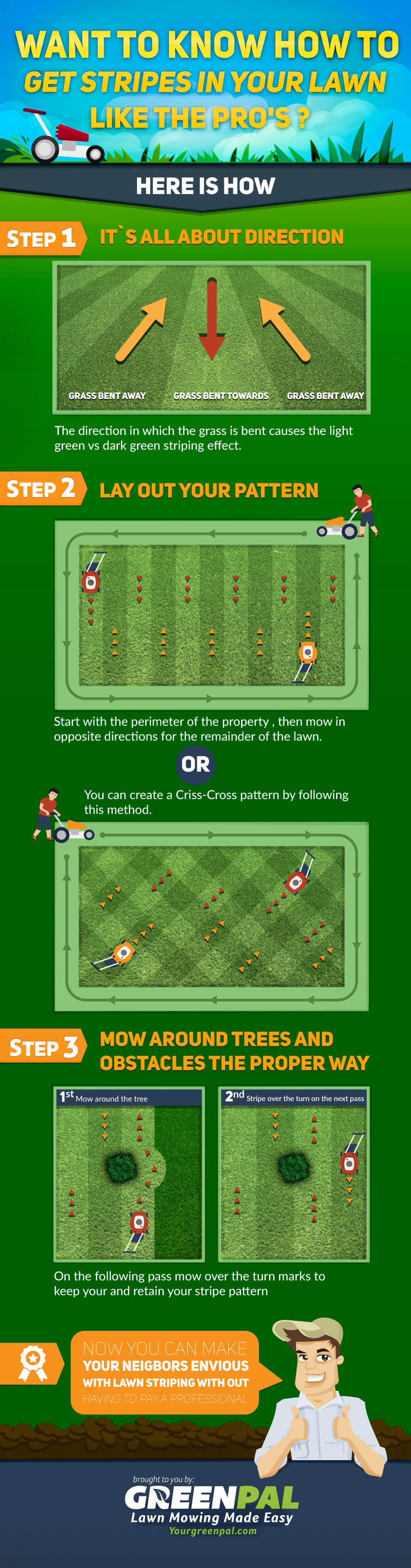
The Science Behind the Stripes: Light and Shadow
Before we dive into the practical steps, let’s briefly touch on why making lawn stripes works. It all comes down to how light reflects off the grass blades. When you bend grass blades away from you, their tops face the sky, reflecting more light directly towards your eyes, making that section appear lighter. Conversely, when you bend grass blades towards you, the sides of the blades face you, absorbing more light and reflecting less, thus appearing darker. This contrast between light and dark bands is what creates the illusion of stripes. The best way to stripe lawn is by consistently bending the grass blades in a uniform manner.
Essential Lawn Striping Tools
While you can achieve some basic striping with just your mower, certain tools can significantly enhance the process and the quality of your results.
The Mighty Lawn Mower
The type of lawn mower you use plays a role.
- Rotary Mowers: Most common for residential use. They cut grass with a horizontal spinning blade. While they can stripe, they often require more effort to achieve sharp lines.
- Reel Mowers: These mowers use a reel of blades that spin against a stationary blade, creating a scissor-like cut. They are generally considered superior for lawn striping techniques as they bend the grass blades more effectively without damaging them. Many professional landscapers prefer reel mowers for their striping capabilities.
The Game Changer: A Lawn Mower Striping Kit
For the most impactful professional lawn stripes, a lawn mower striping kit is often the key. These kits typically consist of a roller that attaches to the front of your mower.
What is a Lawn Mower Striping Kit?
A lawn mower striping kit is an aftermarket accessory designed to improve your mower’s ability to bend grass. It’s essentially a roller that, when attached to the mower deck, follows behind the cutting blade and presses the grass down. This pressure is what creates the bend that leads to the light and dark contrast.
Types of Striping Kits:
- Front-Mounted Rollers: These are the most common. They attach to the front of the mower deck and are angled to push the grass in a specific direction.
- Rear-Mounted Rollers (often called striping rollers): Some mowers come with an integrated rear roller, or you can purchase an add-on. These are very effective as they roll the grass after it has been cut.
When choosing a kit, ensure it’s compatible with your specific mower model. Some high-end mowers come with striping capabilities built-in.
Other Helpful Lawn Striping Tools:
- Edger: For creating crisp, clean edges along sidewalks, driveways, and garden beds. This enhances the overall neatness and the visual impact of your stripes.
- String Trimmer: For trimming grass in areas the mower can’t reach.
- Measuring Tape: Useful for planning intricate lawn striping patterns.
- Stakes and String: For marking out precise lines, especially for complex designs.
- Hose or Sprinkler: To dampen the grass slightly, which can sometimes make it easier to bend and create sharper stripes, especially in dry conditions.
Mastering Lawn Striping Techniques
Now, let’s get down to the “how-to” of lawn striping techniques. The core principle is consistent direction.
Preparation is Key
- Mow at the Right Height: Ensure your grass is at an appropriate height for your grass type. Generally, taller grass stripes better. Mowing too short can make it difficult to bend the blades effectively.
- Ensure Your Lawn is Healthy: Healthy, dense grass will yield the best striping results. Address any issues like pests, diseases, or nutrient deficiencies before you start striping.
- Mow When the Grass is Dry: Mowing wet grass can lead to clumping and a less consistent stripe. Dry grass bends more readily.
- Sharp Mower Blades: Dull blades tear grass, which can lead to browning and poor striping. Keep your mower blades sharp.
The Basic Striping Method
This is the foundation for most lawn striping patterns.
- Start at an Edge: Begin mowing along one edge of your lawn.
- First Pass: Mow in a straight line from one end of the lawn to the other. This will be your first stripe.
- Second Pass: Turn your mower around at the end of the lawn. For the second pass, you want to bend the grass in the opposite direction to the first pass. This means you’ll be pushing the grass blades away from you.
- Subsequent Passes: Continue mowing in straight, parallel lines, always turning your mower at the end of each pass and bending the grass in the opposite direction of the previous pass. Think of it like pushing a broom or a squeegee across the lawn.
- The Turn: When you reach the end of a pass, lift the mower deck slightly (if possible), turn the mower smoothly, and then lower the deck. This helps maintain a clean line and prevents accidental damage to the turf.
The critical factor is consistency. If your passes aren’t straight or your turns are erratic, your stripes will be uneven and messy.
Creating Different Lawn Striping Patterns
Once you’ve mastered the basic straight stripes, you can explore more intricate lawn striping patterns.
Straight Alternating Stripes:
This is the classic, most common pattern. You simply alternate the direction of your passes.
Checkerboard Pattern:
This is a visually striking pattern that involves mowing in one direction across the entire lawn, then returning in the perpendicular direction.
- First Direction: Mow the entire lawn in one direction, creating your first set of parallel stripes.
- Second Direction: Turn 90 degrees. Now, mow in the perpendicular direction, creating stripes that intersect the first set.
- Achieving Contrast: For a sharp checkerboard, ensure you’re bending the grass blades in the same direction for all the “light” stripes and in the opposite direction for all the “dark” stripes. This requires careful planning of your mowing path.
Concentric Circles or Swirls:
This is a more advanced technique that requires a larger lawn and more practice.
- Start in the Center: Begin by mowing in a tight circle or spiral from the center of your lawn outwards.
- Alternating Directions: As you spiral outwards, alternate the direction you’re bending the grass to create the light and dark effect. This requires a very precise turning motion with your mower.
- Working Around Obstacles: You’ll need to navigate around trees, flower beds, and other features. Plan your route carefully.
Diagonal Stripes:
This pattern can add a dynamic look to your lawn.
- Initial Pass: Start by mowing a single pass diagonally across the lawn.
- Subsequent Passes: Continue mowing parallel to your first pass, alternating the direction you bend the grass with each turn. This is similar to the straight stripe method but on a diagonal.
Special Designs (Hearts, Logos, etc.):
These are the most challenging and often require specialized knowledge or even custom mowers. They involve precise mowing patterns and often the use of stakes and string to guide the mower. These are typically reserved for professionals or very dedicated enthusiasts.
Factors Influencing Stripe Quality
Several factors can affect how well your lawn care striping turns out.
Grass Type
Some grasses stripe better than others.
- Cool-Season Grasses: These generally stripe well. Examples include Kentucky Bluegrass, Perennial Ryegrass, and Fine Fescues. Kentucky Bluegrass is particularly known for its striping ability due to its upright growth habit.
- Warm-Season Grasses: These can be more challenging to stripe. Examples include Bermuda Grass, Zoysia Grass, and St. Augustine Grass. While they can stripe, the results might not be as pronounced as with cool-season grasses.
Mowing Height
As mentioned, mowing at the correct height is crucial. Taller grass bends more dramatically, resulting in more visible stripes. However, always adhere to the recommended mowing height for your specific grass type to avoid stressing the lawn.
Mower Speed
Mowing too fast can lead to uneven cuts and poor striping. A slower, more deliberate pace allows the mower and any attached striping kit to work more effectively.
Weather Conditions
- Drought: Dry, brittle grass may break rather than bend, leading to less distinct stripes and potential damage. Lightly watering the lawn before mowing can sometimes help.
- Rain: Mowing wet grass can lead to clumping and a smeared, indistinct stripe. It can also compact the soil.
Lawn Health and Density
A thick, healthy lawn will provide a much better canvas for striping than a thin, patchy one. Nutrient-rich soil and proper watering contribute to a dense turf that stripes beautifully.
Maintaining Your Stripes
Once you’ve achieved those perfect stripes, you’ll want to keep them looking good.
Consistent Mowing Direction
To maintain existing stripes, you’ll need to continue mowing in alternating directions. If you mow the entire lawn in the same direction for a few consecutive times, you’ll lose the contrast.
Edge Trimming
Regularly edging your lawn will keep the borders sharp and clean, making your stripes stand out even more.
Watering and Fertilizing
Continue with a regular watering and fertilization schedule to keep your grass healthy and dense, which is essential for good striping.
Common Mistakes to Avoid
Even with the best intentions, you might run into issues when trying to create lawn stripes.
- Inconsistent Turns: Erratic turns at the end of each pass are a major culprit for uneven stripes. Practice smooth, controlled turns.
- Mowing Too Fast: This leads to a poor quality cut and inadequate bending of the grass blades.
- Dull Mower Blades: This results in torn grass, browning, and weak stripes.
- Ignoring Lawn Health: Trying to stripe a struggling lawn will yield poor results. Address any underlying issues first.
- Using the Wrong Equipment: While not strictly necessary, a good lawn mower striping kit makes a significant difference.
Frequently Asked Questions (FAQ)
Q1: Can I stripe my lawn without a striping kit?
A: Yes, you can achieve some level of striping without a dedicated kit, especially with a reel mower or a rotary mower that has a built-in roller. However, a striping kit significantly enhances the sharpness and definition of the stripes.
Q2: How often should I stripe my lawn?
A: You should aim to stripe your lawn every time you mow, as long as you’re following the alternating direction technique.
Q3: Will striping damage my grass?
A: When done correctly with sharp blades and proper technique, striping does not damage the grass. It simply bends the blades. Mowing too aggressively or with dull blades can cause damage.
Q4: What is the best time of day to stripe my lawn?
A: The best time is when the grass is dry, typically in the late morning or early afternoon. This allows the dew to evaporate.
Q5: My stripes aren’t very sharp. What am I doing wrong?
A: Several factors could be at play: your mower blades might be dull, you might be mowing too fast, your grass might be too short, or you may not be effectively bending the grass. Consider using a lawn mower striping kit or adjusting your technique.
Q6: Can I stripe all types of grass?
A: While you can attempt to stripe most grasses, some, like Kentucky Bluegrass, respond much better and produce more defined stripes than others, such as some of the warmer season grasses.
Q7: How do I make sharper turns for better stripe definition?
A: Practice smooth, deliberate turns. If your mower has a lift mechanism for the deck, engage it during the turn to avoid scalping the turf and to maintain a cleaner transition.
Conclusion
Transforming your ordinary lawn into a striped spectacle is a rewarding endeavor. By employing the right lawn striping tools, mastering lawn striping techniques, and understanding the principles of light and shadow, you can achieve those sought-after professional lawn stripes. Remember, consistency is key, and with a little practice, your yard will be the envy of the neighborhood, showcasing beautiful lawn striping patterns that highlight your dedication to meticulous lawn care striping. So, grab your mower, attach that lawn mower striping kit, and get ready to create lawn stripes that impress.