
Image Source: moowy.co.uk
How To Keep Birds Off Lawn Seed: Proven Methods
Do birds eat my lawn seed? Yes, birds are a common problem for new lawns, as they love to feast on freshly sown grass seeds.
Establishing a lush, green lawn from seed can be a rewarding process, but it often comes with an unwelcome guest: birds. These feathered friends, while beautiful to observe, can wreak havoc on your newly seeded areas, pecking away at precious seeds before they have a chance to germinate. The good news is, you don’t have to stand idly by. There are many effective strategies and bird deterrents you can employ to protect your investment and ensure a healthy lawn.
Why Birds Target Your Lawn Seed
Before diving into solutions, it’s helpful to understand why birds are so attracted to your seeded lawn. Freshly sown grass seed is an easy and readily available food source for many bird species. The seeds are typically exposed on the soil surface, making them an easy target. Furthermore, the tender sprouts that emerge after germination can also be appealing. Birds are opportunistic feeders, and a patch of newly seeded earth presents a veritable buffet.
Comprehending the Impact of Birds
The impact of birds on a seeded lawn can be significant. A single flock can decimate a large area in a short period, leaving you with sparse patches and a need to reseed, which means more expense and effort. This is why implementing proactive measures is crucial for success.
Proven Methods to Deter Birds
Fortunately, a variety of methods can help keep birds away from your precious lawn seed. These range from physical barriers to visual and auditory deterrents.
1. Physical Barriers: The First Line of Defense
Physical barriers are often the most effective way to keep birds off your lawn seed, as they directly prevent access.
Netting for Seeds: A Tangible Solution
One of the most direct and effective bird deterrents is using netting for seeds. This involves covering the seeded area with a fine mesh netting.
-
Types of Netting:
- Bird netting: This is specifically designed to exclude birds. It comes in various mesh sizes, with smaller mesh being more effective for smaller birds.
- Garden fabric or horticultural fleece: Lightweight versions can provide a physical barrier without completely blocking sunlight or air circulation, which are vital for germination.
-
Application:
- Lay the netting directly over the seeded area.
- Secure the edges firmly to the ground using landscape staples, rocks, or soil. Ensure there are no gaps where birds can slip underneath.
- It’s important to leave enough slack in the netting to allow for slight soil movement or germination.
- The netting can remain in place until the grass is well-established and the seedlings are tall enough to withstand some pecking.
Sticky Barriers: A Less Common, But Effective Option
While less commonly used for entire lawns due to potential mess and difficulty, sticky barriers can be an option for smaller, targeted areas or along edges if birds are consistently coming from specific points. These are typically applied to surfaces birds might perch on near the seeded area.
- How they work: Non-toxic, sticky substances are applied to surfaces. Birds that land on these surfaces become uncomfortable and tend to avoid the area.
- Considerations: These can be messy and may also trap beneficial insects. Careful application and consideration of the environment are necessary.
2. Visual Deterrents: Confusing and Scaring Birds
Birds rely heavily on sight, and visual cues that suggest danger can be highly effective in deterring them.
Reflective Tape: The Shimmering Scarecrow
Reflective tape, also known as scare tape or myxor tape, is a popular and often successful deterrent. This tape is designed to flash and shimmer in the wind, creating disorienting visual stimuli that birds find unnerving.
- How it works: The constant movement and flashing reflections mimic the glint of predator eyes or sudden movements, making birds feel unsafe.
- Application:
- Cut the tape into strips.
- Hang these strips on stakes or poles placed around and within the seeded area.
- Ensure the tape is taut and moves freely in the wind.
- The effectiveness can diminish over time as birds become accustomed to it, so repositioning or adding new strips periodically is recommended.
Scare Tape: A Versatile Visual Tool
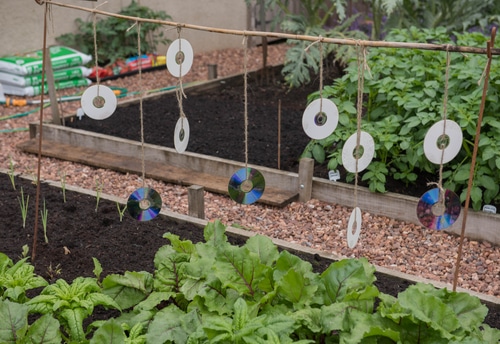
Similar to reflective tape, scare tape encompasses a broader category of materials designed to scare birds through visual means. This can include mylar ribbons, shiny streamers, or even old CDs hung from branches or stakes.
- Key features: Bright colors, reflective surfaces, and movement are common characteristics.
- Placement: Position these deterrents so they are visible from above and around the seeded area.
Predator Decoys: Mimicking Danger
Using predator decoys can create the illusion of a threat, causing birds to avoid the area.
- Owl Decoys: Owl decoys are a classic example. These realistic-looking models of owls, especially those with moving heads or reflective eyes, can be quite effective.
- Placement: Position the owl decoy in a visible spot where birds are likely to see it.
- Mobility is Key: To prevent birds from getting used to a stationary decoy, move it to different locations around the lawn every few days.
-
Other Predator Decoys: Fake snakes, hawks, or even shiny metallic “scarecrows” can also serve as deterrents.
-
Limitations: Birds can become habituated to static decoys, so variety and movement are important. Combining decoys with other methods often yields the best results.
3. Auditory Deterrents: Annoying the Unwanted Guests
While visual cues are important, sound can also play a significant role in keeping birds away.
Sonic Repellents: The Sound of Warning
Sonic repellents emit sounds that are unpleasant or alarming to birds. These can range from simple distress calls of birds to ultrasonic frequencies that are inaudible to humans but bothersome to birds.
-
Types of Sonic Repellents:
- Broadcasting distress calls: Devices that play recorded distress calls of various bird species can signal danger to other birds in the vicinity.
- Predator sounds: Sounds mimicking predators like hawks or falcons can also be effective.
- Ultrasonic devices: These emit high-frequency sounds designed to annoy birds without disturbing humans or pets. However, their effectiveness can be debated, and some studies suggest birds may habituate to them.
-
Usage:
- Place sonic repellent devices strategically around your lawn.
- Vary the types of sounds used and the timing of their activation to prevent habituation.
- Be mindful of potential disturbance to pets or neighbors.
4. Taste Deterrents: Making the Seed Unappealing
Another approach is to make the lawn seed itself unpalatable to birds.
- How they work: These are typically sprays or coatings applied to the seeds that have a bitter or unpleasant taste for birds, but are harmless and undetectable to humans and pets.
- Application: This method is more commonly used with commercially treated seeds. If you are treating your own seeds, ensure the product is specifically designed for this purpose and safe for turfgrass.
- Considerations: The effectiveness can vary, and repeated applications might be necessary, especially after rain.
5. Sticky Barriers: A Trap for Feet (Use with Caution)
While less advisable for large areas due to ethical concerns and potential harm to beneficial insects, sticky barriers can be considered in very specific, small-scale scenarios as a last resort.
- Mechanism: A non-toxic, sticky gel or substance is applied to surfaces where birds might land, like the edges of a raised planter box containing seeded soil.
- Caution: It is crucial to use products specifically formulated to be bird-repellent and safe. Avoid anything that could trap and harm birds or other small creatures. Regular inspection and cleaning are essential.
6. Bird Spikes: For Perching Spots, Not Seed
It’s important to clarify that bird spikes are primarily designed to prevent birds from perching on surfaces like ledges, gutters, or fences. They are not directly applied to the soil or seed. However, they can be a useful part of a broader strategy if birds are congregating on nearby structures before attacking your lawn.
- Function: By making perching uncomfortable or impossible, spikes can discourage birds from lingering in the vicinity of your seeded area.
Combining Strategies for Maximum Effectiveness
Often, the most successful approach involves using a combination of these methods. What works for one situation might not work for another, and different bird species may react differently to various deterrents.
- Layering Deterrents: For example, you might use netting for seeds as your primary barrier, supplemented with reflective tape and a strategically placed owl decoy to enhance the deterrent effect.
- Rotation: Regularly changing the type and placement of your deterrents can prevent birds from becoming accustomed to them.
Practical Tips for Success
Beyond the specific deterrents, a few practical tips can greatly improve your chances of success.
- Timing is Key: Sow your seeds at a time of year when bird activity is naturally lower, if possible.
- Proper Seeding Techniques:
- Rake seeds into the soil: While not a deterrent, lightly raking the seeds into the top layer of soil can help anchor them and make them slightly less accessible than seeds lying entirely on the surface.
- Use a seed starter fertilizer: This can promote faster germination, giving the seedlings a head start before birds can do significant damage.
- Watering Wisely: Water your newly seeded lawn consistently, but try to do so when birds are less active, such as early morning or late evening.
- Monitor Regularly: Keep a close eye on your seeded area for any signs of bird activity. The sooner you spot a problem, the sooner you can implement or adjust your deterrents.
Frequently Asked Questions (FAQ)
Q1: Will birds really eat that much of my new lawn seed?
A1: Yes, birds can be very effective at clearing out a freshly seeded lawn, especially if they find it a reliable food source. A small flock can consume a significant amount of seed in a short time.
Q2: Can I use a scarecrow?
A2: Traditional scarecrows can sometimes work, but birds often become accustomed to them very quickly. To be effective, they need to be moved regularly and ideally have some element of movement or reflection, similar to scare tape.
Q3: Are sonic repellents safe for my pets?
A3: Most sonic repellents designed for birds are generally considered safe for dogs and cats. However, some pets can be sensitive to high-frequency sounds. It’s always best to observe your pets’ behavior when using such devices and consult your veterinarian if you have concerns. Ultrasonic devices are typically inaudible to humans and most pets.
Q4: How long should I keep the netting on my seeded lawn?
A4: You should leave netting for seeds in place until the grass seedlings are well-established and have grown to a height where they are less vulnerable to bird pecking. This is typically a few weeks after germination, once the grass has a good root system.
Q5: What is the best bird deterrent for a large lawn area?
A5: For large areas, a combination of reflective tape or scare tape strung across the area and strategically placed predator decoys like owl decoys often provides the best coverage. If budget allows, and if other methods aren’t sufficient, an automated sonic repellent system might be considered. Physical barriers like netting for seeds can be cost-prohibitive for very large areas but are the most foolproof if feasible.
Q6: Can I make my own bird deterrents?
A6: Yes, you can make simple bird deterrents using materials like old CDs, aluminum foil strips, or brightly colored ribbons. These items, when hung to catch the wind and sun, can create the flashing and movement that scares birds.
By employing these proven methods, you can significantly increase your chances of growing a beautiful, bird-free lawn. Patience and persistence are key, and by combining different strategies, you can effectively protect your newly seeded grass from hungry birds.