
The weight of a lawn mower can vary significantly, but generally, a push mower weighs between 40 to 100 pounds, while a riding mower can range from 300 to 700 pounds or more. If you’re wondering “How much does a lawn mower weigh?” you’ve come to the right place. This comprehensive guide will break down the lawn mower weight for various types, helping you make an informed decision for your yard care needs. We’ll explore the average lawn mower weight, delve into the specifics of different mower categories, and consider factors that influence a mower’s heft.
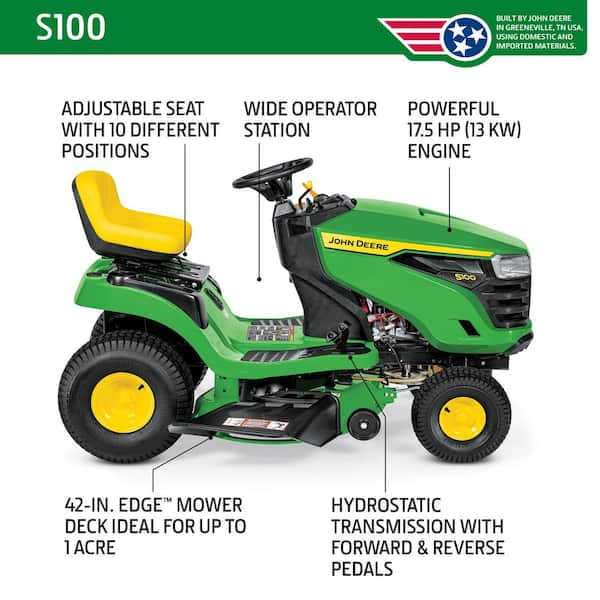
Image Source: images.thdstatic.com
Deciphering Lawn Mower Weights Across Types
When considering a new lawn mower, its weight is a crucial factor. It affects how easy it is to maneuver, store, and transport. The lawn mower specifications will typically list the weight, but knowing what to expect across different types is essential.
Push Mower Weight: For Smaller Yards and Simpler Tasks
Push mower weight is typically on the lighter end of the spectrum. These mowers are designed for smaller to medium-sized yards and rely on the operator to push them forward.
- Manual Reel Mowers: These are the lightest, often weighing as little as 20-30 pounds. They are eco-friendly and quiet, relying on a spinning reel of blades to cut grass.
- Electric Push Mowers (Corded and Cordless): Electric models are generally lighter than their gas counterparts.
- Corded Electric Push Mowers: These can range from 40 to 60 pounds. The absence of a gas engine and fuel tank contributes to their lower weight.
- Cordless Electric Push Mowers: Battery-powered mowers often fall in the 40 to 70-pound range. The battery pack is a significant component of their weight, but they offer more freedom than corded models.
- Gas Push Mowers: This is where the weight starts to increase. A standard gas mower weight can be anywhere from 60 to 100 pounds, sometimes a bit more for larger, more powerful models. The engine, fuel tank, and robust construction contribute to this.
Table 1: Typical Push Mower Weights
| Mower Type | Typical Weight Range (pounds) |
|---|---|
| Manual Reel Mower | 20 – 30 |
| Corded Electric Push Mower | 40 – 60 |
| Cordless Electric Push Mower | 40 – 70 |
| Gas Push Mower | 60 – 100 |
Riding Mower Weight: For Larger Properties and Comfort
Riding mower weight significantly increases due to their larger size, more powerful engines, and integrated seating. These are designed for larger yards where pushing a mower would be impractical.
- Lawn Tractors: These are the most common type of riding mower. They typically weigh between 300 to 500 pounds. They offer a comfortable seating position and steering wheel control, making them suitable for extensive lawn care.
- Rear-Engine Riding Mowers: Often a more compact and budget-friendly option compared to lawn tractors, these can weigh around 300 to 400 pounds.
- Zero-Turn Mowers: Known for their maneuverability and speed, zero turn mower weight can vary widely. Smaller, residential models might start around 400 pounds, while larger, commercial-grade zero-turn mowers can easily exceed 700 pounds, with some reaching over 1000 pounds. Their heavier construction is often due to more robust frames, larger engines, and hydraulic systems.
Table 2: Typical Riding Mower Weights
| Mower Type | Typical Weight Range (pounds) |
|---|---|
| Rear-Engine Rider | 300 – 400 |
| Lawn Tractor | 300 – 500 |
| Residential Zero-Turn | 400 – 600 |
| Commercial Zero-Turn | 600 – 1000+ |
Electric Mower Weight: The Lighter Side of Power
Electric mower weight is often a significant advantage, especially for battery-powered models. This can make them a great choice for those seeking a lightweight lawn mower.
- Corded Electric Push Mowers: As mentioned, these are usually in the 40-60 pound range. They are easy to handle and store.
- Cordless Electric Push Mowers: These are often between 40-70 pounds. The battery is a key component here, and some manufacturers offer lighter batteries for easier handling.
- Electric Riding Mowers: While less common than gas riding mowers, electric versions are becoming more popular. Their weight can be competitive, often ranging from 400 to 600 pounds, sometimes slightly more due to battery pack size and weight.
Gas Mower Weight: The Traditional Workhorse
Gas mower weight is influenced by engine size, deck width, and construction materials.
- Gas Push Mowers: As detailed earlier, expect 60-100 pounds. They offer more power and run time for larger areas than electric push mowers.
- Gas Riding Mowers (Lawn Tractors, Zero-Turns): These are heavier, as covered in the riding mower section, generally starting from 300 pounds and going up significantly.
Factors Influencing Lawn Mower Weight
Several elements contribute to the overall lawn mower weight. Knowing these can help you predict how much a specific model might weigh.
Engine Size and Type
- Gas Engines: The larger and more powerful the gas engine, the heavier it will be. Engine components like the block, cylinder, and flywheel add considerable mass.
- Electric Motors: While electric motors themselves are generally lighter than gas engines, the battery packs required for cordless operation can add significant weight. The capacity and voltage of the battery directly impact its weight. A higher voltage and amp-hour rating usually means a heavier battery.
Deck Size and Material
- Deck Width: Mowers with wider cutting decks naturally require larger, heavier housings.
- Material: While most modern mowers use durable steel for their decks, some lighter models might incorporate plastic or composite materials for the deck or body. This can reduce overall weight. Heavy duty lawn mower models often use thicker gauge steel for their decks, increasing their weight for greater durability.
Build Quality and Features
- Frame and Chassis: Mowers designed for durability and longevity, especially heavy duty lawn mower options or commercial-grade machines, will often have robust steel frames and heavy-duty components that increase their weight.
- Transmission Type: Hydrostatic transmissions, common in riding mowers, can add more weight than simpler belt-drive systems.
- Additional Features: Features like electric start, self-propulsion mechanisms, mulching capabilities, or larger wheels can also contribute to the overall weight.
Battery Packs (for Electric Mowers)
The battery is often the heaviest single component of a cordless electric mower. Lithium-ion batteries, while offering good power-to-weight ratios, still add a considerable amount of mass. The more power (voltage and amp-hours) a battery provides, the heavier it will generally be.
What is a Lightweight Lawn Mower?
A lightweight lawn mower is typically defined as a push mower that is easy to maneuver and lift. For many users, this means a weight of 60 pounds or less.
- Manual Reel Mowers are the epitome of lightweight, often under 30 pounds.
- Corded Electric Push Mowers are good contenders, usually falling between 40-60 pounds.
- Some Cordless Electric Push Mowers can also be considered lightweight, especially those with smaller batteries or those designed with portability in mind, often in the 40-60 pound range.
The advantage of a lightweight mower is ease of use, especially for those with smaller yards, sloped terrain, or limited physical strength. They are easier to push, turn, and store.
What is a Heavy Duty Lawn Mower?
A heavy duty lawn mower implies a machine built for tougher jobs, larger areas, and more frequent use. These mowers are generally heavier due to their robust construction and more powerful components.
- Heavy duty lawn mower push mowers might weigh over 90 pounds and feature larger, more powerful gas engines, wider steel decks, and more durable drive systems.
- Heavy duty lawn mower riding mowers, particularly commercial-grade zero-turn mowers, are significantly heavier, often exceeding 600-700 pounds. They feature stronger frames, larger displacement engines, heavy-duty transmissions, and wider, more durable cutting decks.
The trade-off for the extra weight in a heavy-duty mower is increased durability, power, and capacity for handling challenging mowing conditions.
Why Does Lawn Mower Weight Matter?
The weight of a lawn mower impacts several aspects of your lawn care routine:
- Maneuverability: Lighter mowers are easier to push, turn, and navigate around obstacles. Heavier mowers, especially riding ones, require more effort or have integrated systems (like power steering on some larger riders) to aid maneuverability. Zero-turn mowers, despite their weight, offer excellent maneuverability due to their steering system.
- Storage: A lighter mower is easier to lift and store in a shed or garage. Heavier mowers may require ramps or more physical strength to move into storage.
- Transportation: If you need to transport your mower to different locations, its weight is a significant consideration. Heavier mowers may require a trailer and a ramp.
- Terrain: On steep slopes or uneven terrain, a lighter mower can be easier to control. However, some heavier mowers with good traction and power can also handle slopes effectively. The weight distribution also plays a role in stability.
- Durability: Generally, heavier mowers are built with more robust materials, leading to greater durability and a longer lifespan.
Frequently Asked Questions (FAQ)
Q1: Can I lift a lawn mower by myself?
This depends entirely on the mower’s weight and your physical strength. A lightweight push mower (under 60 lbs) might be manageable for many adults. However, a gas push mower (60-100 lbs) or any riding mower will likely require assistance or specialized equipment to lift. Always check the lawn mower specifications for its exact weight before attempting to lift it.
Q2: What is the lightest type of lawn mower?
The lightest type of lawn mower is a manual reel mower, typically weighing between 20-30 pounds.
Q3: How much does a riding mower weigh on average?
The average lawn mower weight for a riding mower is difficult to pinpoint due to the wide variety, but you can expect a standard lawn tractor to be around 300-500 pounds. Zero-turn mowers will generally be heavier.
Q4: Does the battery add a lot of weight to an electric mower?
Yes, the battery pack is often the heaviest component of a cordless electric mower. The more powerful the battery, the more it will contribute to the mower’s overall weight.
Q5: What are the heaviest types of lawn mowers?
Commercial-grade zero-turn mowers and larger garden tractors are typically the heaviest, often exceeding 700 pounds and sometimes reaching over 1000 pounds due to their robust construction and powerful engines.
Q6: How can I find the exact weight of a specific lawn mower?
You can usually find the exact lawn mower weight listed in the lawn mower specifications on the manufacturer’s website, in the owner’s manual, or on the retailer’s product page.
By carefully considering the weight of different lawn mower types and the factors that influence it, you can choose a machine that best suits your yard’s size, your physical capabilities, and your specific mowing needs.