
You can get rid of ants in your lawn naturally and safely by using a combination of methods that disrupt their colonies, deter them from your yard, and make your lawn less appealing to them. The goal is to eliminate ants without harming beneficial insects, pets, or the environment.
Dealing with an ant infestation in your lawn can be a frustrating experience. These tiny pests can march across your grass, invade your patio, and even build unsightly mounds. If you’re looking for ways to eliminate ants without resorting to harsh chemicals, you’re in luck! There are many effective and safe natural methods for ant control and lawn pest control. This guide will delve into how you can tackle outdoor ants using DIY ant removal techniques, natural ant repellent strategies, and create ant barriers to keep them from returning. We’ll explore various ant treatment options and discuss how to effectively deal with an ant killer without the chemical burden.
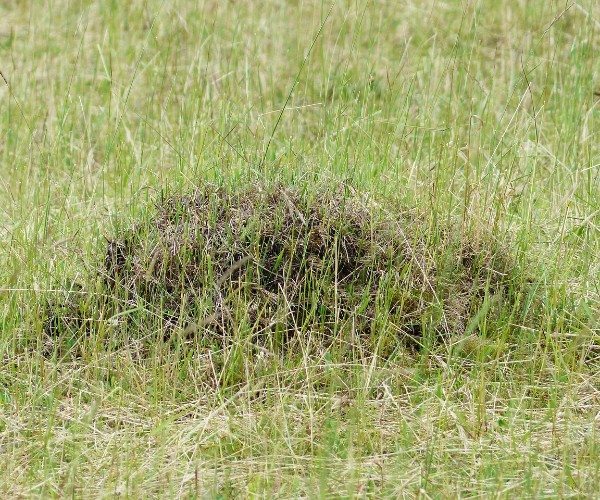
Image Source: www.georgedaviesturf.co.uk
Why Ants March into Your Lawn
Before we dive into how to get rid of them, it’s helpful to understand why ants are attracted to your lawn in the first place.
- Food Sources: Ants are always on the hunt for food. This can include honeydew produced by aphids, tiny insects, fallen fruit, or even crumbs left behind during outdoor gatherings.
- Water: Dry spells can make your lawn a prime source of moisture. Ants will seek out damp areas for hydration.
- Shelter: Loose soil, mulch, and debris provide ideal nesting sites for ants. They can build elaborate colonies underground.
- Warmth: Ants are attracted to warm surfaces, especially during cooler parts of the day or season.
Natural Approaches to Ant Control
The beauty of natural methods lies in their ability to target ants effectively while minimizing harm to your lawn and its inhabitants. Here’s how you can achieve natural ant control:
1. Disrupting Ant Trails and Nests
Ants rely on scent trails to navigate. Disrupting these trails can confuse them and make it harder for them to find their way back to food sources or their nests.
Using Vinegar
Vinegar is a potent natural ant repellent. Its strong smell masks the ants’ pheromone trails.
- How to Use: Mix equal parts white vinegar and water in a spray bottle. Spray directly onto ant trails and around the entry points of ant mounds.
- Why it Works: The acetic acid in vinegar is toxic to ants and disrupts their scent communication.
- Caution: While generally safe for lawns, excessive vinegar can sometimes harm plants. Test on a small area first.
Soapy Water
Dish soap is a simple yet effective DIY ant removal agent.
- How to Use: Mix a few tablespoons of liquid dish soap with a quart of water. Pour directly into ant mounds or spray onto ant trails.
- Why it Works: Soap breaks down the ants’ exoskeleton, causing dehydration and death. It also disrupts their scent trails.
- Benefits: Safe for most plants and pets, and it’s a readily available household item.
2. Creating Natural Ant Barriers
Preventing ants from entering certain areas of your lawn or garden is a key aspect of lawn pest control. Natural barriers can be very effective.
Diatomaceous Earth (Food Grade)
Food-grade diatomaceous earth (DE) is a powdery substance made from fossilized aquatic organisms.
- How to Use: Sprinkle a thin layer of food-grade DE around the base of plants you want to protect, along pathways, or around your home’s foundation. Reapply after rain.
- Why it Works: DE has sharp edges that scratch the ants’ exoskeletons, causing them to dehydrate and die.
- Important: Ensure you use food-grade DE, as industrial grades can be harmful to lungs. Avoid inhaling the dust.
Cinnamon
Cinnamon is a powerful natural ant repellent that ants dislike.
- How to Use: Sprinkle ground cinnamon generously around ant mounds, entry points, or anywhere you see ant activity.
- Why it Works: Ants are repelled by the strong scent of cinnamon and will avoid crossing it.
- Effectiveness: This is more of a deterrent than an ant killer, best for keeping them out of specific areas.
Coffee Grounds
Used coffee grounds can also act as a deterrent and a natural ant barrier.
- How to Use: Sprinkle used coffee grounds around the perimeter of your lawn, garden beds, or near ant mounds.
- Why it Works: Ants reportedly dislike the smell and texture of coffee grounds. They can also slightly alter the soil pH, making it less hospitable.
- Bonus: Coffee grounds also add nitrogen to your soil, which is beneficial for your lawn.
Chalk
A simple line of chalk can also be an effective ant barrier.
- How to Use: Draw a thick line of chalk around areas you want to protect.
- Why it Works: Ants are hesitant to cross chalk lines. The chalk contains calcium carbonate, which interferes with their scent trails and is difficult for them to navigate.
3. Natural Ant Killers and Deterrents
While the focus is on natural methods, some substances act as direct ant killer agents that are still safe for the environment.
Borax and Sugar Mixture
Borax is a naturally occurring mineral that is toxic to ants when ingested. Combining it with a sweet bait makes it an attractive food source.
- How to Use: Mix 1 part borax with 3 parts powdered sugar or honey. Place small amounts of this mixture on pieces of cardboard or in shallow containers near ant trails, but out of reach of pets and children.
- Why it Works: Ants are attracted to the sugar and carry the borax back to their colony, where it can kill other ants, including the queen.
- Safety: Borax can be toxic if ingested by pets or children, so placement is crucial.
Essential Oils
Certain essential oils have strong scents that ants find highly repellent.
- Effective Oils: Peppermint, tea tree oil, citrus oils (lemon, orange), and eucalyptus oil are known to deter ants.
- How to Use: Mix 10-20 drops of your chosen essential oil with a cup of water in a spray bottle. Add a drop of dish soap to help the oil and water mix. Spray on ant trails, mounds, and entry points.
- Why it Works: The strong aroma overwhelms their sense of smell and acts as a natural ant repellent.
Boiling Water
For direct mound treatment, boiling water can be an immediate, albeit sometimes temporary, solution.
- How to Use: Carefully pour a pot of boiling water directly into the center of an ant mound. Repeat as needed.
- Why it Works: The extreme heat kills ants on contact and can damage the colony.
- Caution: Be extremely careful when handling boiling water. It can also kill grass and plants it comes into contact with. Use this method sparingly and with precision.
4. Maintaining a Healthy Lawn Environment
A healthy lawn is less susceptible to pest problems, including ant infestations.
Proper Watering
Ensure your lawn is watered deeply but infrequently. Avoid keeping the soil constantly moist, which can encourage ant nesting.
Regular Mowing and Debris Removal
Keep your grass at an appropriate height. Remove fallen leaves, dead grass clippings, and other organic debris, as these provide shelter and food for ants.
Addressing Aphid Problems
Aphids are a common food source for ants because they produce honeydew. If you see aphids on your plants, treat them with a natural solution like insecticidal soap or neem oil. This will remove a primary food source for ants.
Identifying Ant Species and Their Habits
Different ant species might require slightly different approaches. While many natural methods are universally effective, knowing your adversary can help. Common lawn ants include:
- Odorous House Ants: Small, brown to black ants that emit a rotten coconut smell when crushed. They often nest in moist areas.
- Carpenter Ants: Larger ants, often black or reddish-brown, that can nest in decaying wood. While they don’t eat wood, they excavate it for nesting, which can cause structural damage. If you suspect carpenter ants, professional consultation might be necessary, but natural deterrents can still help manage their presence in your lawn.
- Fire Ants: These aggressive ants are known for their painful stings and build noticeable mounds. Natural methods can help manage them, but extreme infestations might require stronger interventions.
Creating Ant Barriers Around Your Home
To prevent outdoor ants from venturing into your house or garden beds, creating effective ant barriers is essential.
Using Natural Repellents at Entry Points
- Vinegar Spray: Regularly spray diluted vinegar around doorways, window frames, and any cracks where ants might enter.
- Essential Oil Barriers: Soak cotton balls in peppermint or tea tree oil and place them in strategic locations near potential entry points.
- Food-Grade Diatomaceous Earth: A fine dusting of DE around the foundation of your house can deter ants from crossing over.
Physical Barriers
- Gravel or Sand: Ants often find it difficult to traverse loose gravel or sand. Creating a narrow border of these materials around garden beds or patio areas can act as a deterrent.
- Copper Tape: Ants reportedly dislike crossing copper. Applying copper tape around planters or pots can help keep them at bay.
Targeted Ant Treatment for Mounds
When you find ant mounds, direct treatment can be very effective.
Methods for Treating Ant Mounds Naturally:
- Boiling Water: As mentioned earlier, carefully pour boiling water into the mound.
- Soapy Water: Pouring a concentrated soapy water solution into the mound can kill ants by contact and disrupt their colony.
- Diatomaceous Earth: Poking holes into the mound and lightly dusting with food-grade DE can help kill ants that come into contact with it.
- Cornmeal: Some believe that cornmeal, when ingested by ants, causes them to swell and die. Sprinkle it around and into ant mounds. While anecdotal, it’s a safe option to try.
When to Consider Professional Help
While natural methods are fantastic for managing lawn pest control and general ant infestations, there are times when professional assistance might be warranted.
- Severe Fire Ant Infestations: Fire ants can be particularly aggressive and their stings can be dangerous to humans and pets.
- Carpenter Ants: If you suspect carpenter ants are nesting in your home’s structure, it’s crucial to get professional advice to prevent significant damage.
- Persistent Problems: If you’ve tried multiple natural methods consistently and still have a significant ant infestation, a professional might have access to more potent, yet still environmentally conscious, treatment options.
Long-Term Strategies for a Pest-Free Lawn
The key to keeping ants away is consistent maintenance and making your lawn less inviting.
- Regular Inspection: Periodically check your lawn for new ant activity or mounds. Early detection makes treatment easier.
- Cleanliness: Keep your outdoor areas clean. Promptly clean up spills, pet food, and food debris from barbecues or gatherings.
- Water Management: Ensure your lawn has good drainage. Standing water can attract ants.
- Seal Entry Points: Regularly inspect your home’s exterior for cracks and crevices where ants might enter and seal them.
Comparing Natural Ant Treatments
Here’s a quick comparison of some popular natural ant treatment options:
| Method | Primary Action | Best For | Safety Considerations |
|---|---|---|---|
| Vinegar Spray | Disrupts trails | Trails, entry points | Test on plants; can harm some plants |
| Soapy Water | Kills by contact | Trails, mounds | Generally safe for plants and pets |
| Diatomaceous Earth | Dehydrates exoskeleton | Trails, entry points, mounds | Use food-grade; avoid inhaling dust |
| Cinnamon | Repellent | Deterring from specific areas | Safe for most applications |
| Borax & Sugar Bait | Kills colony | Mound treatment (indirectly), persistent ants | Keep away from pets and children |
| Essential Oils | Repellent | Trails, entry points | Use cautiously around pets; can deter bees |
| Boiling Water | Kills by heat | Ant mounds | Can damage plants; handle with extreme care |
| Coffee Grounds | Repellent | Perimeter, garden beds | Safe for plants; adds nutrients |
Frequently Asked Questions About Natural Ant Control
Q1: How quickly can I expect to see results from natural ant treatments?
A: Results can vary depending on the method and the severity of the infestation. Disrupting trails with vinegar or soap might show immediate effects on visible ants, but eradicating a colony can take time. Baits containing borax might take a few days to a week to work as ants transport it back to the nest. Persistent application of deterrents is key.
Q2: Are natural ant repellents safe for my pets?
A: Most natural methods like vinegar, soapy water, cinnamon, coffee grounds, and essential oils (when used correctly and diluted) are generally considered safe for pets. However, always monitor your pets when using any new substance in your yard. Keep borax-based baits out of reach of pets and children. If you have concerns, consult with your veterinarian.
Q3: Will natural methods kill the queen ant?
A: Methods like borax and sugar baits are designed to kill the queen by being carried back to the colony. Other methods, like vinegar or soapy water, primarily affect foraging ants or those directly contacted. Disrupting trails and deterring ants can indirectly make the colony less successful, but directly targeting the queen is most effective with ingested poisons.
Q4: How can I prevent ants from coming back after treatment?
A: Prevention is key. Continue to maintain a healthy lawn, remove food sources, seal entry points into your home, and regularly apply natural deterrents to areas where ants have previously been a problem. Consistent vigilance is your best defense against future ant infestations.
Q5: Can I use a commercial ant killer that is labeled as “natural”?
A: Yes, many commercial products are formulated with natural ingredients like essential oils or plant extracts. Always read the product label carefully to ensure it aligns with your definition of natural and safe for your lawn, pets, and family. Look for ingredients like pyrethrins (derived from chrysanthemums) which are often considered natural insecticides, though they can still affect beneficial insects.
By understanding the habits of outdoor ants and employing these safe and natural strategies, you can effectively manage an ant infestation and maintain a beautiful, healthy lawn without resorting to harsh chemicals. It’s about creating a balanced ecosystem where pests are deterred naturally, making your lawn a less hospitable environment for unwanted guests. This comprehensive approach to lawn pest control ensures a safe and effective way to eliminate ants for good.