
A lawn aerator typically aims for a soil penetration depth of 2 to 4 inches. This depth is crucial for effectively loosening compacted soil and encouraging healthy root growth.
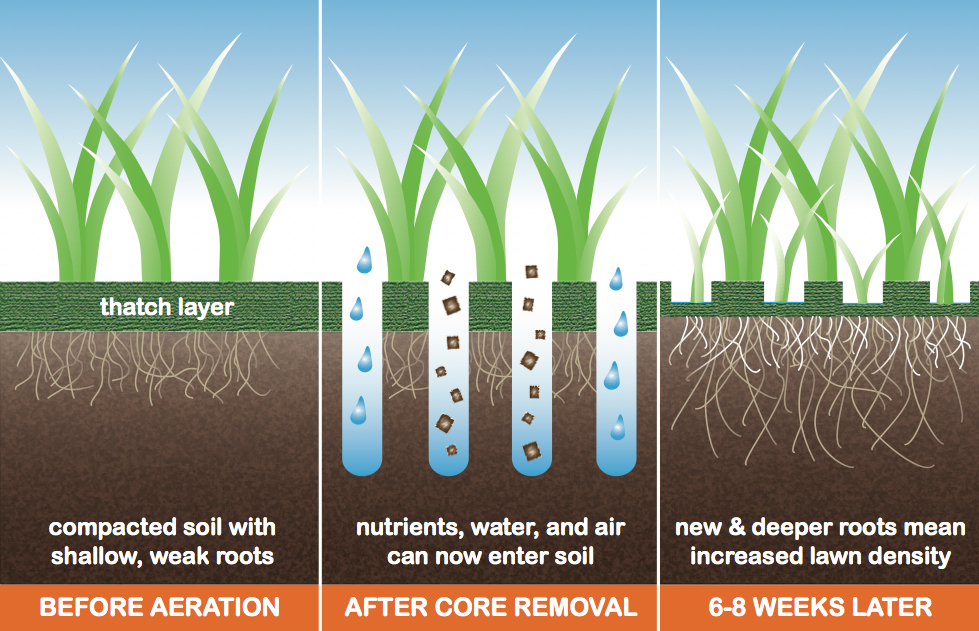
Image Source: thelawnguys.com.au
The Significance of Aeration Depth
Aeration is a vital lawn care practice that many homeowners overlook. It involves creating small holes in the soil to allow air, water, and nutrients to reach the grass roots. But the effectiveness of aeration hinges significantly on the lawn aeration depth. If the aerator doesn’t penetrate deeply enough, its benefits will be superficial. If it goes too deep, it can damage the grass roots or pull up too much soil, creating an unsightly mess.
This article will delve into the critical question: How deep does a lawn aerator go? We’ll explore the different types of aerators, the ideal depth for various soil conditions, and why achieving the right aerator depth is paramount for a thriving lawn.
Deciphering Aerator Types and Their Depths
Not all lawn aerators are created equal. The type of aerator you use directly influences the aerator tool depth and the nature of the soil disturbance.
Spike Aerators: Simple, But Limited Depth
Spike aerators work by forcing solid tines or spikes into the soil.
- How they work: The spikes push through the soil, creating small, compressed channels.
- Pros: They are generally less expensive, easier to use, and cause less disruption to the lawn’s surface.
- Cons: They tend to compact the soil further around the hole rather than loosening it. Their spike aerator depth is often limited, especially in harder soils.
- Typical Depth: Spike aerators usually penetrate about 1 to 3 inches. This can be sufficient for lightly compacted soil or as a very basic form of aeration. However, for significant compaction, they may not offer substantial benefits.
Core Aerators: The Gold Standard for Depth
Core aerators, also known as plug aerators, are the most effective for deep soil loosening. They work by removing small plugs or cores of soil and thatch from the lawn.
- How they work: Hollow tines rotate and extract cylindrical plugs of soil. These plugs are then deposited on the surface, where they break down naturally, adding organic matter back to the soil.
- Pros: They provide excellent aeration depth, effectively loosening compacted soil and improving air and water penetration. The removal of cores also helps to alleviate thatch buildup.
- Cons: They are more expensive, heavier, and cause more visual disruption to the lawn immediately after use.
- Typical Depth: A properly functioning core aerator should achieve a core aerator depth of 2 to 4 inches. This is considered the ideal range for most lawn conditions. The aerator plug depth is directly related to the length of the hollow tines and the machine’s power.
Manual vs. Powered Aerators
Both spike and core aerators can be manual or powered.
- Manual Aerators: These require significant physical effort. Their soil penetration depth can be inconsistent and is highly dependent on the user’s strength and the soil’s resistance. While they can be useful for small areas, they are often insufficient for tackling significant compaction issues across a larger lawn.
- Powered Aerators: These range from walk-behind machines to tractor-towed units. Powered aerators offer greater consistency and power, allowing them to achieve the ideal lawn aeration depth more reliably, even in challenging soil conditions. The best aerator depth is almost always achieved with a powered unit.
The Ideal Lawn Aeration Depth: Why It Matters
Achieving the correct aeration depth is not just about making holes; it’s about creating an environment conducive to root growth and overall lawn health.
Penetrating the Compacted Layers
Many lawn problems, such as poor drainage, thin turf, and susceptibility to disease, stem from compacted soil. Compaction occurs when soil particles are pressed too closely together, leaving little space for air, water, and roots to move.
- The Role of Depth: For aeration to be effective against compaction, the aerator tool depth must be sufficient to break through these dense layers. If an aerator only penetrates an inch or two, it might only disrupt the very top surface, leaving the underlying compaction largely untouched.
- Targeting Root Zones: Grass roots typically extend several inches into the soil. To encourage deep, healthy root growth, aeration needs to reach these deeper zones. An aerator depth for compacted soil that is too shallow will not stimulate root development in the lower soil profile.
Alleviating Thatch Buildup
Thatch is a layer of dead and living stems, roots, and other organic matter that accumulates between the green grass blades and the soil surface. A thin layer of thatch is beneficial, but when it becomes too thick (more than half an inch), it can suffocate the lawn, block water and nutrient penetration, and provide a breeding ground for pests and diseases.
- Core Aeration’s Advantage: Core aerators are particularly effective at dealing with thatch because they physically remove plugs of soil that include thatch. The ideal aerator depth for thatch ensures that the aerator’s tines effectively grab and extract this problematic layer along with the soil.
- Spike Aerator Limitations: Spike aerators, while creating holes, don’t remove thatch. They can sometimes push thatch down, potentially worsening the problem.
Promoting Nutrient and Water Uptake
Healthy grass needs access to water and nutrients. Compacted soil acts as a barrier, preventing these essential elements from reaching the roots.
- Creating Pathways: Aeration creates channels that act as direct pathways for water and nutrients to seep into the soil. The deeper these channels, the more effectively water and nutrients can be distributed throughout the root zone.
- Root Stimulation: By providing better access to air, water, and nutrients, aeration encourages roots to grow deeper and spread wider. This makes the lawn more resilient to drought, heat, and stress. The best aerator depth supports this by reaching the areas where roots need the most help.
Factors Influencing Aeration Depth
While a general range of 2 to 4 inches is ideal, several factors can influence how deep your aerator should go and how effectively it penetrates.
Soil Type
The composition of your soil plays a significant role in how easily an aerator can penetrate.
- Clay Soils: Clay soils are prone to severe compaction. They can be dense and heavy, making it difficult for aerators to penetrate deeply. In clay soils, achieving the full 2-4 inch soil penetration depth might require multiple passes or a more powerful aerator.
- Sandy Soils: Sandy soils tend to drain well and are less prone to compaction. Aeration may still be beneficial to improve nutrient retention and overall soil structure, but the required depth might be less critical.
- Loam Soils: Loam soils, a mix of sand, silt, and clay, generally offer a good balance of drainage and moisture retention. They are usually easier to aerate to the desired depth.
Soil Moisture Content
The moisture level of your soil is perhaps the most critical factor in achieving proper lawn aeration depth.
- Ideal Moisture: The soil should be moist but not saturated. Aim for a moisture level where a soil sample squeezed in your hand will form a ball that crumbles easily when dropped. This indicates that the soil has enough moisture to allow the tines to penetrate effectively without causing excessive smearing or tearing.
- Too Dry: If the soil is too dry, it will be hard and resistant, making it difficult for the aerator to penetrate to the desired depth. Spike aerators might just bounce off, and core aerators may struggle to pull out clean plugs.
- Too Wet: If the soil is too wet, the aerator tines can smear the soil, further compacting the sides of the holes instead of loosening them. This can also lead to the aerator pulling up large chunks of wet soil, creating a muddy mess and potentially damaging the turf. The aerator plug depth might be achieved, but the quality of the hole will be poor.
Type of Aerator (Revisited)
As discussed earlier, the type of aerator directly impacts the achievable depth.
- Core Aerators: Generally achieve the best and most consistent aerator depth, ideally between 2 and 4 inches. The quality of the aerator plug depth is also a good indicator of proper operation.
- Spike Aerators: While simpler, their spike aerator depth is typically less, often topping out at 3 inches, and their effectiveness in truly loosening compacted soil is debatable.
Aerator Maintenance and Condition
A well-maintained aerator is essential for achieving optimal depth.
- Sharp Tines: Dull or bent tines on a core aerator will struggle to penetrate the soil cleanly and may not reach the desired depth.
- Proper Adjustment: Ensure your aerator is correctly adjusted according to the manufacturer’s instructions for the best soil penetration depth.
Achieving the Best Aerator Depth: Recommendations
To ensure your aeration efforts are fruitful, follow these aeration depth recommendations:
For Core Aerators:
- Target Depth: Aim for an aerator plug depth of 2 to 4 inches. This range is effective for loosening compacted soil and alleviating thatch.
- Plug Quality: Look for clean, distinct plugs of soil being ejected. If the plugs are ragged, muddy, or shallow, adjust your approach (soil moisture, machine settings).
- Spacing: Space your aeration passes about 4-6 inches apart. This ensures thorough coverage and maximizes the impact of the lawn aeration depth.
- Multiple Passes: For severely compacted areas, consider making a second pass perpendicular to the first. This helps ensure even deeper loosening and better aerator depth.
For Spike Aerators:
- Use with Caution: Recognize their limitations. Spike aerators are best for very light surface loosening or when minimal disruption is desired.
- Depth Consideration: If using a spike aerator, try to achieve at least 2 inches of spike aerator depth. If the soil is too hard, you may need to water the lawn lightly beforehand.
- Less Effective for Compaction: Remember that spike aerators don’t remove soil, so their effectiveness for deep compaction or thatch removal is limited compared to core aerators.
General Aeration Depth Tips:
- Test Your Soil: Before aerating, check your soil’s moisture. If it’s too hard, water lightly a day or two before. If it’s too soft, wait for it to dry slightly.
- Know Your Lawn: Understand your soil type and the degree of compaction. This will help you choose the right aerator and approach.
- Manufacturer Guidelines: Always consult the owner’s manual for your specific aerator for recommended settings and operation.
When to Aerate for Optimal Depth
Timing is also crucial for successful aeration and achieving the ideal lawn aeration depth.
- Best Times:
- Cool-Season Grasses (e.g., Kentucky Bluegrass, Fescue, Ryegrass): Aerate in early fall (September/October) or early spring (March/April) when the grass is actively growing.
- Warm-Season Grasses (e.g., Bermuda, Zoysia, St. Augustine): Aerate in late spring or early summer when the grass is actively growing and can recover quickly.
- Avoid Aerating During Stress Periods: Do not aerate during extreme heat, drought, or when the grass is dormant. Aeration can stress the lawn, and it needs active growth to recover.
Frequently Asked Questions (FAQ)
How deep should I aerate my lawn?
The ideal lawn aeration depth is generally between 2 to 4 inches. This depth is effective for loosening compacted soil and allowing air, water, and nutrients to reach the grass roots.
What is the best aerator depth for compacted soil?
For aerator depth for compacted soil, aim for 2 to 4 inches. This range is necessary to break through the dense layers that impede root growth.
What is the typical core aerator depth?
A well-functioning core aerator should achieve a core aerator depth of 2 to 4 inches, removing soil plugs of this length.
How deep does a spike aerator go?
A spike aerator typically penetrates about 1 to 3 inches. Their depth can be limited, especially in hard soil.
Can I aerate my lawn if the soil is dry?
It is not recommended to aerate when the soil is too dry. The aerator will struggle to penetrate to the desired soil penetration depth, and the holes may not be effective. Water the lawn lightly a day or two before aerating if the soil is dry.
What happens if my aerator doesn’t go deep enough?
If your aerator tool depth is too shallow, it won’t effectively loosen compacted soil or alleviate thatch. The benefits of aeration will be minimal, and your lawn may not see the significant improvement in health and vigor.
How often should I aerate my lawn?
The frequency of aeration depends on your soil type and lawn usage. Generally, aerate once a year, or twice a year for heavily used lawns or those with significant compaction. This ensures consistent benefits from proper lawn aeration depth.
Is it better to use a core aerator or a spike aerator?
For most situations, a core aerator is preferred due to its ability to remove soil cores and achieve a greater aerator depth, which is more effective for loosening compaction and managing thatch. Spike aerators offer less disruption but also less significant benefits for deep soil issues.
How should the aerator plugs look?
Ideally, aerator plugs from a core aerator should be cylindrical, about 2-4 inches long, and made of soil and thatch. They should break apart relatively easily on the surface after a day or two.
What is the aerator depth for thatch?
When addressing thatch buildup, the aerator depth for thatch should be sufficient for the tines to penetrate through the thatch layer and into the soil beneath, typically 2-4 inches. This allows the core aerator to pull out thatch along with the soil.
Conclusion
Achieving the correct lawn aeration depth is a cornerstone of effective lawn care. Whether you’re using a core aerator or a spike aerator, aiming for a soil penetration depth of 2 to 4 inches is crucial for tackling compaction, improving drainage, and fostering a healthier, more resilient lawn. By understanding the different types of aerators, the importance of soil moisture, and the specific aeration depth recommendations, you can ensure your aeration efforts yield the best possible results for your green space. Prioritize a good aerator tool depth to unlock the full potential of your lawn.