
So, you’re wondering, “How do I dispose of a lawn mower safely?” The answer depends on the type of mower you have, its condition, and your local regulations. However, the general steps involve preparing it for disposal, finding a suitable disposal location, and ensuring you comply with environmental guidelines.
As your trusty lawn care companion reaches the end of its service life, you might be asking yourself, “how to get rid of old lawn mower?” It’s more than just tossing it on the curb; proper disposal is key to protecting the environment and preventing potential hazards. Whether you have a gas-powered beast, a sleek electric model, or a mighty riding mower, there are responsible ways to handle its departure. This guide will walk you through the best practices, from finding lawn mower disposal near me to understanding the nuances of lawn mower recycling.
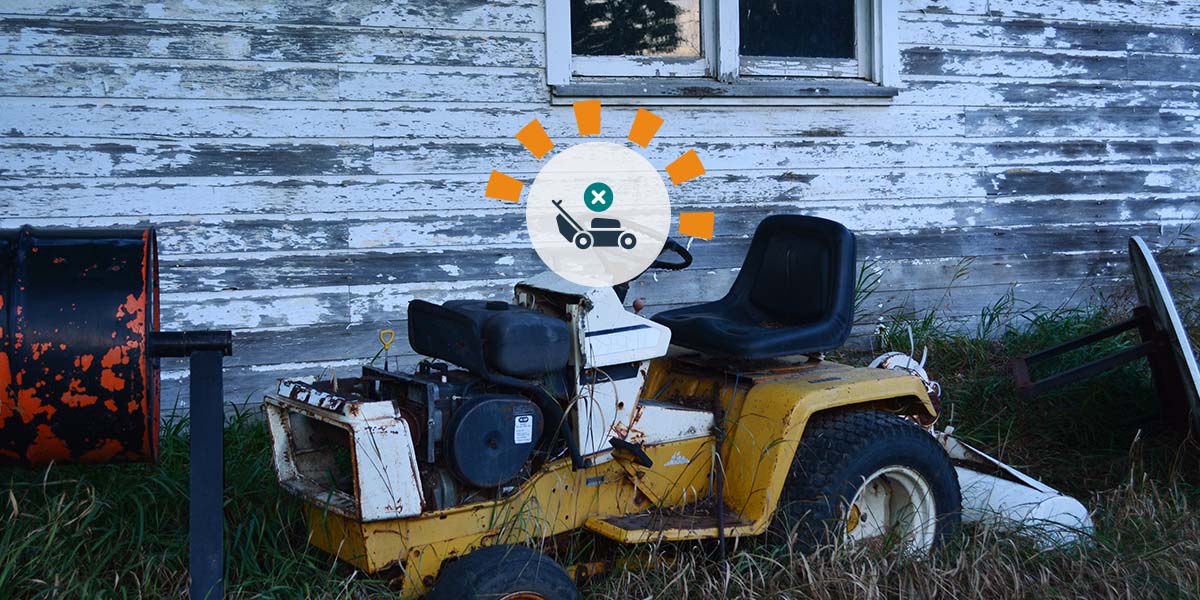
Image Source: dumpsters.com
Preparing Your Lawn Mower for Disposal
Before you even think about where to take your old mower, a little preparation is in order. This ensures safety for you and anyone handling it, and it’s often a requirement for disposal facilities.
Draining Fuel and Oil (Gas-Powered Mowers)
This is perhaps the most critical step for disposing of gas powered mower models. Gasoline and oil are hazardous materials that can contaminate soil and water if not handled correctly.
- Safety First: Ensure the mower is on a level surface and turned off. Wear gloves and eye protection. Work in a well-ventilated area, away from open flames or sparks.
- Fuel Drainage:
- Allow the mower to cool down completely before attempting to drain the fuel.
- Locate the fuel tank. You might need to siphon the fuel out using a hand pump designed for fuel.
- Alternatively, some mowers have a drain plug at the bottom of the fuel tank. Place a suitable container underneath and carefully remove the plug.
- Never pour gasoline down a drain, into the sewer, or onto the ground.
- Oil Drainage:
- Locate the oil drain plug, usually on the underside of the engine.
- Position a drain pan beneath the plug.
- Carefully remove the plug and allow all the oil to drain into the pan.
- Dispose of used motor oil at an authorized collection center or auto parts store that accepts it.
- Carburetor Draining: After draining the tank, it’s good practice to run the engine for a minute or two until it stops from lack of fuel. This helps clear residual fuel from the carburetor. You can also manually drain the carburetor bowl if it has a drain screw.
Battery Removal (Electric and Cordless Mowers)
For electric mower disposal, the battery is the main component requiring special attention.
- Locate the Battery: Most electric mowers have easily accessible batteries.
- Safe Removal: Follow your mower’s manual for specific instructions on battery removal. Typically, this involves releasing a latch or unscrewing a cover.
- Battery Disposal:
- Rechargeable Batteries: Lithium-ion and lead-acid batteries often contain hazardous materials and should not be thrown in regular trash.
- Look for local battery recycling programs or drop-off locations. Many retailers that sell batteries also accept them for recycling.
- Check with your local hazardous waste facility for guidance.
Cleaning and General Inspection
- Remove Debris: Clear any grass clippings, dirt, or other debris from the mower deck, wheels, and body.
- Check for Leaks: Ensure there are no residual fluid leaks after draining.
- Secure Loose Parts: If any parts are loose, consider securing them to prevent them from falling off during transport.
Finding Where to Take Your Unwanted Lawn Mower
Now that your mower is prepped, the next step is figuring out where to take unwanted lawn mower. Several options exist, catering to different conditions and types of mowers.
Lawn Mower Recycling Centers
Many communities have dedicated lawn mower recycling facilities or programs that accept old equipment.
- Benefits: Recycling is the most environmentally friendly option, as valuable metals and components can be recovered and reused.
- How to Find Them:
- Local Waste Management Authority: Your city or county waste management department is the best resource for finding local recycling centers. Their website or a quick phone call can provide addresses and operating hours.
- Online Search: Use search terms like “lawn mower recycling near me” or “scrap metal recycling [your city]” to find facilities.
- Appliance and Electronics Stores: Some larger retailers have take-back programs for old equipment, though this is less common for lawn mowers than for electronics.
Municipal Waste and Transfer Stations
Your local waste or transfer station might accept lawn mowers, especially if they have specific days or areas designated for larger items or scrap metal.
- Check Regulations: It’s crucial to call ahead and confirm their policies. Some may charge a fee, especially for larger items like riding mowers.
- Hazardous Waste Drop-off: If your mower still contains fluids (even residual amounts), some municipal hazardous waste facilities might be the appropriate place.
Scrap Metal Dealers
If your mower is primarily made of metal and you’ve drained all fluids, a scrap metal dealer is a viable option.
- What They Look For: Dealers buy scrap metal by weight. They are interested in the steel and other metals that make up the mower.
- Preparation is Key: Ensure all fluids (gasoline, oil, battery acid if applicable) have been completely removed and disposed of properly. Some dealers will not accept items with residual fluids due to environmental regulations.
- Potential Payment: You might receive a small payment based on the weight of the metal.
Private Mower Disposal Services and Junk Removal
For those who prefer convenience or have a particularly large or difficult-to-move mower, professional mower disposal services and lawn mower junk removal companies are an excellent choice.
- Convenience: These services will come to your home, pick up the mower, and handle all the disposal logistics. This is particularly helpful for riding mower disposal, which can be cumbersome.
- Cost: Expect to pay a fee for this service, which will vary based on the company and your location.
- How to Find Them:
- Search online for “lawn mower junk removal near me,” “appliance removal,” or “junk hauling services.”
- Ask neighbors or friends for recommendations.
- Environmental Practices: Inquire about their disposal practices. A reputable service will ensure your mower is recycled or disposed of responsibly.
Selling or Donating a Working Mower
If your lawn mower is still in good working condition, consider these options before resorting to disposal:
- Sell It: Online marketplaces (like Craigslist, Facebook Marketplace), local classifieds, or garage sales are great ways to sell a used mower.
- Donate It: Local charities, community gardens, or vocational schools might accept working lawn mowers. This is a fantastic way to give your old mower a second life and help others.
Disposal Methods by Mower Type
The best way to dispose of your lawn mower can differ based on its power source and size.
Disposing of Gas Powered Mower
These are the most involved due to fuel and oil.
- Prioritize Fluid Drainage: As detailed above, thoroughly draining all gasoline and oil is paramount.
- Check for Propane Tanks: If you have a propane-powered mower, ensure the propane tank is safely detached and disposed of according to propane tank regulations (often through specialized dealers or hazardous waste facilities).
- Metal Component Recycling: Once fluids are gone, it’s essentially a metal object. Scrap metal recyclers or municipal collection points are ideal.
Electric Mower Disposal
The primary concern here is the battery.
- Battery Recycling: Focus on finding a proper recycling facility for the battery.
- Metal Recycling: The rest of the mower, being mostly metal and plastic, can often be taken to general recycling centers or scrap metal dealers.
Riding Mower Disposal
These larger units require more effort.
- Weight and Size: Their size can make transport difficult. Professional junk removal services are often the easiest option.
- Fluid Drainage: Similar to gas push mowers, proper draining of fuel, oil, and any coolant is essential.
- Battery: Riding mowers often have car-style batteries, which have specific recycling protocols similar to rechargeable batteries.
- Scrap Metal Potential: Due to their size, they can be a significant source of scrap metal, making metal recyclers a good destination.
Best Way to Dispose of Lawn Mower: A Summary
To determine the best way to dispose of lawn mower, consider these factors:
- Condition: Is it working, broken, or just old?
- Type: Gas, electric, or riding?
- Local Resources: What recycling facilities, junk removal services, or municipal programs are available?
- Your Capacity: Do you have the means to transport it yourself, or do you need a pick-up service?
- Environmental Impact: Prioritize recycling and responsible disposal of fluids and batteries.
Table: Lawn Mower Disposal Options
| Disposal Method | Best For | Key Considerations |
|---|---|---|
| Lawn Mower Recycling Center | All types, especially those with metal content | Check for acceptance of specific mower types, hours, potential fees. |
| Municipal Transfer Station | All types, often requires proper preparation | Confirm acceptance policies, fees, and hazardous waste handling requirements. |
| Scrap Metal Dealer | Older, non-working mowers with high metal content | Ensure all fluids are drained; may pay by weight. |
| Junk Removal Service | All types, particularly large or heavy mowers | Convenience, cost, ensure they practice responsible disposal. |
| Selling/Donating | Working or repairable mowers | Maximizes value, extends product life, environmentally conscious. |
| Hazardous Waste Facility | Mowers with residual fluids or batteries | Specific drop-off days/times, consult for exact requirements. |
Frequently Asked Questions (FAQ)
Here are some common questions people have about disposing of lawn mowers:
- Can I put my old lawn mower in my regular trash?
Generally, no. Lawn mowers often contain hazardous materials like gasoline, oil, and batteries, which are prohibited in regular landfills. Local regulations vary, so it’s best to check with your waste management provider. - Do I need to drain the gas and oil before taking it to a scrap metal yard?
Yes, absolutely. Most scrap metal yards will not accept equipment with residual fuels or oils due to environmental and safety regulations. - What if my mower is too heavy to move?
If your mower is too heavy or difficult to transport, consider hiring a professional junk removal service. They have the equipment and manpower to handle large items. - Are there fees for recycling my lawn mower?
Some recycling centers or municipal facilities may charge a small fee for accepting large items like lawn mowers, especially riding mowers. It’s always best to call ahead and inquire about any associated costs. - What are the environmental concerns with improper lawn mower disposal?
Improper disposal can lead to soil and water contamination from leaked gasoline, oil, and battery acid. These substances can be toxic to plants, animals, and humans.
By following these guidelines, you can ensure your old lawn mower is disposed of safely and responsibly, contributing to a cleaner environment.