
Can you get rid of clover in your lawn? Yes, you can effectively manage and eliminate clover from your lawn with a combination of the right strategies and consistent effort.
Clover, often appearing as small, three-leafed plants with white flowers, is a common sight in many home lawns. While some people find its vibrant green color appealing, for many lawn enthusiasts, clover is an unwanted weed. It can spread rapidly, crowding out desirable grass species and creating a less uniform appearance. So, how do you tackle this persistent plant and reclaim your lawn’s pristine look? This comprehensive guide will walk you through the best methods for clover removal, offering both chemical and natural solutions.
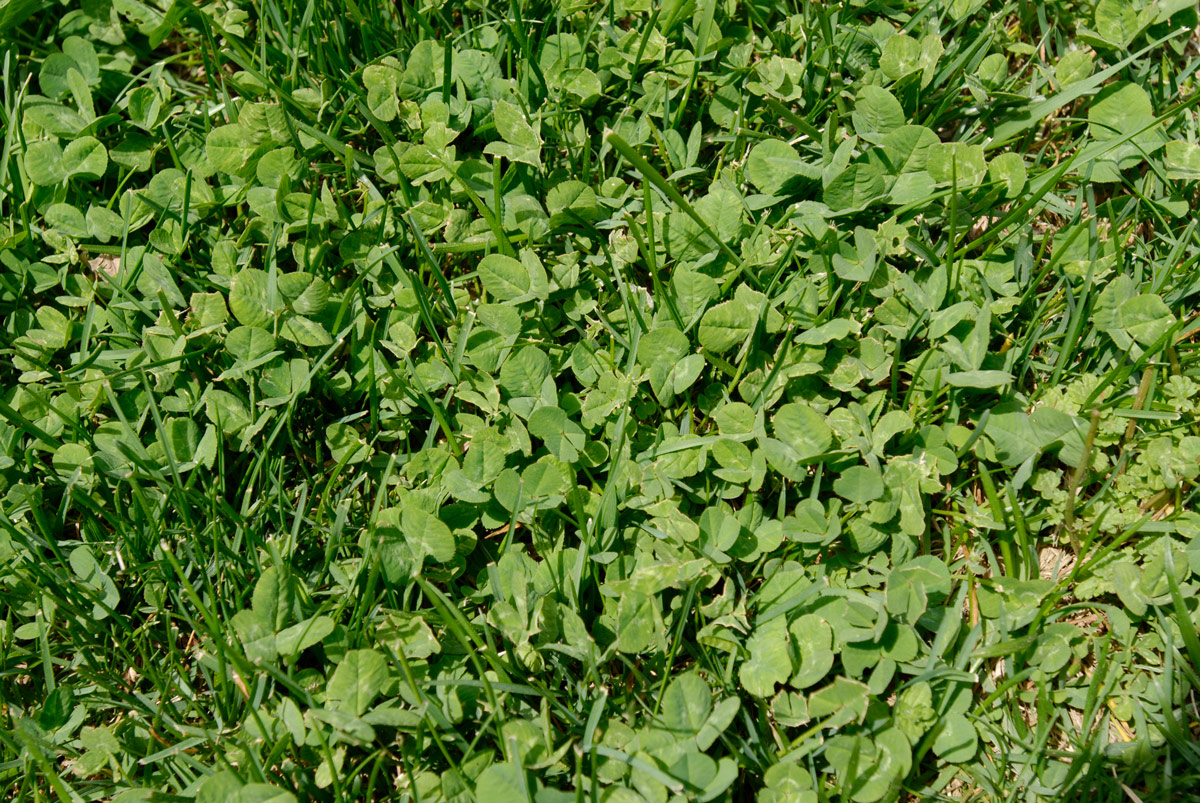
Image Source: naturalawn.com
Why Clover Invades Your Lawn
Before we dive into how to get rid of it, let’s consider why clover might be thriving in your lawn in the first place. Clover is a nitrogen-fixing plant. This means it can pull nitrogen from the air and convert it into a form that plants can use. This ability often allows it to thrive in lawns with poor soil fertility, where grass struggles to get the nutrients it needs.
Common reasons for clover invasion include:
- Low Nitrogen Levels: As mentioned, this is a primary driver. If your grass isn’t getting enough nitrogen, clover will happily fill the void.
- Compacted Soil: Clover has shallow roots and can tolerate compacted soil better than many grass types. Aerating your lawn helps grass roots penetrate deeper.
- Improper Mowing Height: Mowing your lawn too short weakens the grass, making it more susceptible to weeds like clover. Taller grass shades the soil, suppressing weed seeds.
- Overwatering or Poor Drainage: While not always the case, some clover varieties can tolerate wetter conditions than some grass types.
- Soil pH Imbalances: Clover tends to do well in slightly acidic to neutral soil. If your soil’s pH is off, grass might struggle while clover flourishes.
Effective Clover Removal Strategies
Getting rid of clover involves a multi-pronged approach. Simply pulling it out won’t be enough if the underlying conditions that favor its growth aren’t addressed. Here are the most effective methods for clover removal.
Chemical Weed Control: Targeted Solutions
For a quick and efficient kill, chemical herbicides are often the go-to solution for many homeowners. When choosing a herbicide, look for products specifically labeled for broadleaf weed control, as clover falls into this category.
Herbicides to Consider:
- Broadleaf Weed Killers: These are designed to target and kill broadleaf weeds while leaving grasses unharmed. Look for active ingredients like 2,4-D, MCPP (mecoprop), and dicamba. These are often found in combination products.
- Selective Herbicides: These are formulated to kill specific types of weeds. For clover, you want a selective herbicide that targets broadleaf plants.
- Pre-emergent Herbicides: These are typically used to prevent weed seeds from germinating. While they won’t kill existing clover, they can help prevent new clover from establishing if applied at the right time.
Application Tips for Chemical Control:
- Read the Label Carefully: This is the most crucial step. Always follow the manufacturer’s instructions regarding application rates, timing, and safety precautions.
- Spot Treat: Instead of spraying your entire lawn, target only the areas with clover. This minimizes chemical use and potential damage to your grass.
- Timing is Key: Apply herbicides when the clover is actively growing. Avoid applying when temperatures are extremely hot (above 85°F or 29°C) or when rain is expected immediately after. The best time is usually in the spring or fall.
- Repeat Applications: For stubborn infestations, you may need to apply the herbicide more than once. Allow at least 7-10 days between applications.
Important Note: While effective, chemical herbicides can have environmental impacts. Use them judiciously and consider them as a last resort or for severe infestations.
Organic Clover Removal: Natural Approaches
If you prefer to avoid chemicals, there are several effective organic clover removal methods. These often require more patience and persistence but are better for the environment and beneficial insects.
Manual Removal:
- Pulling by Hand: For small patches of clover, manual removal is a viable option. Ensure you pull the entire plant, including the roots. Doing this after a rain or watering makes the soil softer and the clover easier to extract.
- Using Tools: A weeding tool or a trowel can help loosen the soil and extract the roots more effectively.
Natural Herbicides:
- Vinegar: Household vinegar (acetic acid) can kill clover, but it’s a non-selective herbicide, meaning it will kill any plant it touches, including your grass. Use it carefully as a spot treatment and be aware that it might brown your grass temporarily. Higher concentrations of vinegar (horticultural vinegar) are more potent but also more dangerous to handle.
- Boiling Water: Similar to vinegar, boiling water will kill any plant it contacts. Pour it directly onto the clover patches. This is best for very small, isolated areas.
- Corn Gluten Meal: This is a natural pre-emergent weed suppressant. Applied in the spring, it can inhibit the germination of clover seeds. It also acts as a natural fertilizer. However, it’s not effective against existing clover.
Cultural Practices for Long-Term Clover Control:
The best way to get rid of clover in the long run is to create a lawn environment that grass loves and clover dislikes.
- Improve Soil Fertility: This is paramount. Use a balanced fertilizer that provides adequate nitrogen. A soil test can help you determine your lawn’s specific nutrient needs and pH.
- Mow Higher: Set your mower to a higher setting. For most cool-season grasses, 3-3.5 inches (7.5-9 cm) is ideal. Taller grass shades the soil, preventing weed seeds from germinating and giving your grass a competitive edge.
- Proper Watering: Water deeply and infrequently. This encourages grass roots to grow deeper, making them more resilient. Avoid shallow, frequent watering, which can promote shallow-rooted weeds.
- Aeration: If your soil is compacted, aerate your lawn. This allows air, water, and nutrients to reach the grass roots, promoting healthier growth. Core aeration is generally recommended.
- Overseeding: After aeration and addressing any soil issues, overseed your lawn with a high-quality grass seed. This will thicken your lawn and help crowd out any remaining clover.
Tackling Specific Clover Types
While the general strategies apply to most clover species, a few common ones might be more prevalent:
White Clover Treatment (Trifolium repens)
White clover is the most common culprit. Its low-growing habit and nitrogen-fixing ability make it a persistent problem. The cultural practices mentioned above (especially improving soil fertility and mowing higher) are crucial for white clover treatment. Selective herbicides are also very effective against it.
Crimson Clover (Trifolium incarnatum)
Crimson clover is an annual with striking red flowers. It’s less of a year-round problem than white clover, as it relies on reseeding each year. Removing it before it goes to seed is important. Manual removal is effective, especially for smaller infestations.
Red Clover (Trifolium pratense)
Red clover is another perennial that can become problematic. Similar to white clover, healthy, well-maintained turf is the best defense.
What About Common Chickweed?
It’s worth noting that sometimes common chickweed can be mistaken for clover, or they can appear together. Common chickweed (Stellaria media) is a different type of weed with small, white, star-shaped flowers and opposite leaves. It prefers cool, moist conditions and often thrives in the spring and fall. If chickweed is your primary concern, the same lawn care principles apply, but some herbicides are more specifically labeled for chickweed control.
Advanced Lawn Care Clover Techniques
For those aiming for a truly pristine lawn, consider these advanced lawn care clover strategies:
Soil Testing for Precision
A professional soil test is invaluable. It will tell you your soil’s pH, nutrient levels, and organic matter content. Armed with this information, you can precisely amend your soil, giving your grass the best possible chance to outcompete clover.
Fertilization Schedules
Develop a fertilization schedule based on your soil test results and grass type. A healthy, well-fed lawn is more resistant to weed invasion. Early spring and fall fertilization are generally most beneficial for cool-season grasses.
Overseeding with Dense Grass Varieties
When overseeding, choose grass varieties known for their dense growth habit. Fine fescues and some ryegrasses can create a thick turf that suppresses weeds effectively.
Methods to Avoid
While some methods might seem appealing, they can often do more harm than good:
- Leaving Clover: If you’re not bothered by clover, it can actually benefit your lawn by fixing nitrogen and attracting pollinators. However, if you want a uniform grass lawn, this isn’t an option.
- Using Non-Selective Herbicides Carelessly: Products like glyphosate will kill everything they touch, including your grass. Only use these as a last resort in very targeted applications, or for clearing areas before starting a new lawn.
- Cutting Too Short: As mentioned repeatedly, this is a recipe for weed problems.
Table: Clover Removal Methods Compared
| Method | Effectiveness Against Existing Clover | Long-Term Prevention | Environmental Impact | Effort Required |
|---|---|---|---|---|
| Manual Pulling | High (for small areas) | Low | Very Low | High |
| Vinegar/Boiling Water | Medium (spot treatment) | Low | Low (can harm soil) | Medium |
| Selective Herbicide | High | Medium | Medium | Low |
| Improved Fertilization | Medium (strengthens grass) | High | Low | Medium |
| Mowing Higher | Medium (weakens clover) | High | Very Low | Low |
| Aeration/Overseeding | Medium (helps grass compete) | High | Very Low | Medium |
| Corn Gluten Meal | None (pre-emergent only) | Medium | Very Low | Medium |
Frequently Asked Questions (FAQ)
Q1: Will corn gluten meal kill clover?
A1: Corn gluten meal acts as a pre-emergent, meaning it prevents seeds from germinating. It will not kill existing clover plants. It’s most effective when applied in early spring before clover seeds sprout.
Q2: Is it bad to have clover in my lawn?
A2: For many, clover is considered a weed because it detracts from the uniform appearance of a grass lawn and can outcompete grass in less-than-ideal conditions. However, clover does have benefits: it fixes nitrogen, which can fertilize your grass, and its flowers attract beneficial pollinators like bees. If you’re okay with its presence, it can actually be a helpful addition to your lawn’s ecosystem.
Q3: When is the best time to kill clover?
A3: The best time to kill clover is when it is actively growing. This typically occurs in the spring and fall. If you’re using a selective herbicide, ensure the temperature is within the recommended range on the product label, usually between 60-85°F (15-29°C).
Q4: Can I get rid of clover without chemicals?
A4: Yes, you absolutely can get rid of clover without chemicals. Organic methods include manual pulling, using natural herbicides like vinegar (with caution), improving soil fertility through proper fertilization and pH adjustments, mowing your lawn higher, aerating compacted soil, and overseeding with dense grass varieties. These methods focus on creating a healthy lawn environment that naturally suppresses clover.
Q5: How do I prevent clover from coming back?
A5: Prevention is key to long-term clover control. Focus on creating a dense, healthy lawn by:
* Maintaining proper soil fertility: Fertilize your lawn regularly based on soil test results.
* Mowing at the correct height: Aim for 3-3.5 inches (7.5-9 cm) for most grass types.
* Watering deeply and infrequently: This encourages strong root growth.
* Aerating compacted soil: This improves air, water, and nutrient penetration.
* Overseeding annually: This helps thicken your turf and crowd out weeds.
By implementing these strategies, you can effectively manage and eliminate clover, fostering a beautiful and resilient lawn.