
Can you keep geese off your lawn? Yes, you can, and it’s a common goal for homeowners who enjoy a pristine yard. Geese, while majestic creatures, can turn a beautiful lawn into a messy, overgrazed mess with their droppings. This guide offers expert advice on effective goose deterrents and lawn goose control strategies to help you maintain a clean and enjoyable outdoor space. We’ll explore a range of methods, from natural goose repellents to more active goose repellent methods, focusing on how to prevent geese from landing and implement successful goose away techniques. Our aim is to provide you with humane and efficient ways to deter geese from yard and keep your lawn looking its best.
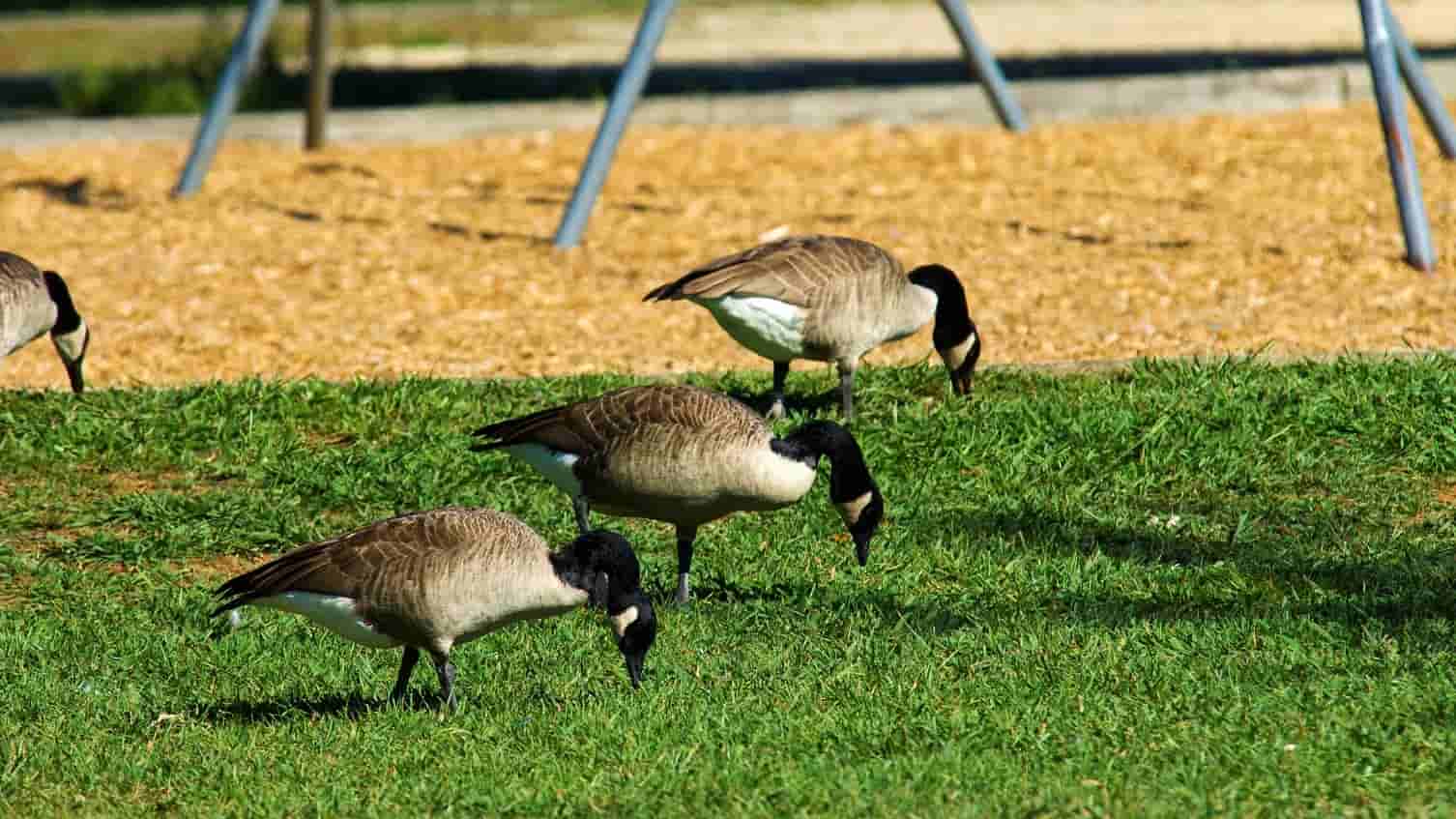
Image Source: cdn11.bigcommerce.com
Why Geese Love Your Lawn
Geese are drawn to residential lawns for several key reasons. They are primarily grazers, and well-maintained lawns offer a readily available and nutritious food source. The short, tender grass is easy for them to eat. Additionally, many lawns are located near water sources like ponds, lakes, or even swimming pools, which geese require for safety, drinking, and bathing. Open, clear spaces also provide them with a sense of security, as they can spot predators from a distance. Their droppings are a significant nuisance, not only for their appearance but also for the potential spread of bacteria. Understanding these attractions is the first step in developing effective goose management plans.
Factors Attracting Geese to Residential Areas
- Abundant Food Source: Lush, short grass is a buffet for geese.
- Proximity to Water: Access to ponds, lakes, or even decorative water features is crucial.
- Open Spaces: Large, unobstructed lawns offer safety and visibility.
- Lack of Natural Predators: Residential areas often have fewer natural threats to geese.
- Comfort and Familiarity: Geese can become accustomed to human presence and the safety it implies.
Proven Goose Deterrent Strategies
Successfully keeping geese off your lawn involves a multi-pronged approach. Relying on a single method is rarely as effective as combining several techniques. The best goose deterrents often involve making your lawn less appealing and more challenging for them to access or inhabit.
Physical Barriers and Exclusion
One of the most straightforward ways to deter geese is by creating physical barriers. This can range from simple fencing to more elaborate landscaping.
Fencing Options
- Low Fencing: A low fence, around 2-3 feet high, can be surprisingly effective. Geese are reluctant to fly over low barriers, especially if there are other, more attractive open spaces nearby. Materials like chicken wire, netting, or even decorative garden fencing can be used.
- Invisible Fencing: While often associated with pets, some invisible fencing systems can be adapted for larger animals. These systems emit a warning sound or a mild electric pulse when the animal gets too close to a buried wire, teaching them to avoid the area.
Landscaping for Deterrence
- Dense Plantings: Planting dense shrubs or hedges along the edges of your lawn, particularly near water sources, can make access more difficult. Geese prefer open, easy pathways.
- Tall Grass Areas: While you want your lawn short, allowing grass to grow taller in perimeter areas or specific zones can make the area less inviting for grazing.
- Water Features: If you have a pond, consider adding a steep edge or rock formations that make it harder for geese to enter and exit easily.
Visual Deterrents
Geese are cautious birds and can be spooked by novel or perceived threats. Visual deterrents aim to mimic these threats.
Reflective Objects
- Shiny Tape or Ribbons: Reflective scare tape, Mylar balloons, or even old CDs hung from trees or stakes can catch the sunlight and move in the wind, startling geese.
- Moving Decoys: While often used for hunting, goose decoys placed strategically can sometimes deter other geese by making them think the area is already occupied by others or a predator. However, geese are intelligent and can become accustomed to stationary decoys. Moving them regularly is key.
Predator Mimicry
- Scarecrows: Traditional scarecrows can be a temporary solution. To be more effective, they need to be moved around frequently.
- Predator Eyes: Inflatable or reflective balls with large, predator-like “eyes” are designed to look like the eyes of a predator. These can be placed around the lawn.
Auditory Deterrents
Sound can be used to disrupt geese and make them feel uneasy in your yard.
Noise Makers
- Ultrasonic Devices: These devices emit high-frequency sounds that are unpleasant for geese but generally inaudible to humans. Their effectiveness can vary, and geese may habituate to consistent sounds.
- Distress Calls: Recordings of goose distress calls or predator sounds (like dogs barking or coyotes howling) can be played at intervals to discourage geese. Like other sound deterrents, their effectiveness can decrease over time as geese get used to them.
Repellent Sprays and Smells
Various scents and tastes can make your lawn unappealing to geese.
Commercial Repellents
There are numerous commercial goose repellent sprays available. Many are based on grape seed extract or methyl anthranilate, a compound derived from grapes that tastes and smells unpleasant to geese. These typically need to be reapplied after rain or heavy watering.
Natural Goose Repellents
For those seeking more environmentally friendly options, several natural goose repellents can be effective.
- Vinegar: A diluted vinegar solution sprayed around the perimeter of your lawn can create an unpleasant smell and taste. Use caution, as excessive vinegar can harm grass.
- Essential Oils: Some strong-smelling essential oils, such as peppermint, citronella, or eucalyptus, are reported to deter geese. Mix a few drops with water and spray around the lawn.
- Garlic Spray: A mixture of garlic powder or crushed garlic cloves with water can be sprayed. The strong odor is off-putting to geese.
- Homemade Goose Repellents: You can create your own concoctions. A common recipe involves mixing vinegar, dish soap (as a surfactant to help it stick), and water. Experiment with different concentrations and natural oils.
Important Note: The efficacy of homemade goose repellents and commercial sprays often depends on regular reapplication, especially after rain.
Behavioral Modifications and Habitat Management
Changing your lawn’s environment and your own behavior can also play a role in lawn goose control.
Mowing Practices
- Keep Grass Short: While it might seem counterintuitive, keeping your grass very short can make it less appealing as a grazing area. Geese prefer tender, longer blades. Frequent mowing makes the lawn less of a food source.
- Remove Goose Droppings: Regularly collecting goose droppings not only keeps your lawn clean but also removes scent markers that can attract other geese.
Water Management
- Limit Water Access: If you have a pond or pool, consider adding barriers or fencing to restrict easy goose access.
- Dry Lawn Areas: Geese prefer damp areas for resting and feeding. Ensuring your lawn drains well and isn’t constantly wet can make it less attractive.
Introducing Natural Predators or Scares
While not always practical for homeowners, introducing elements that mimic natural threats can be effective.
Dogs
- Guard Dogs: Dogs, particularly breeds known for herding or guarding, can be excellent deterrents. Even a dog on a leash, regularly walked around the property, can keep geese away. They see the dog as a potential predator.
- Remote-Controlled Toys: Some people have found success with remote-controlled robotic dogs or other animal toys that move erratically to startle geese.
Other Live Deterrents
- Flamingos or Garden Gnomes: While often seen as whimsical decorations, brightly colored, unusual objects can sometimes momentarily confuse or deter geese. Their effectiveness is generally low and temporary.
Advanced Goose Away Techniques
For persistent goose problems, more advanced goose away techniques might be necessary. These often involve a combination of methods or specialized products.
Goose Repellent Methods: A Deeper Dive
Beyond simple sprays, more involved goose repellent methods exist.
Chemical Repellents (Use with Caution)
While natural options are preferred, some chemical repellents are available. These are typically not recommended for residential use due to potential environmental impact and safety concerns. Always follow product instructions carefully if considering these.
Goose Control Services
Professional wildlife control services can offer specialized solutions, including:
- Habitat Modification: They can advise on or implement landscaping changes to make your property less attractive.
- Flock Management: In some cases, professionals can use trained dogs or other methods to humanely move goose populations from an area.
Humane Goose Management: Ethical Considerations
It’s important to remember that geese are wildlife. Any humane goose management strategy should prioritize their welfare while protecting your property. Avoid any methods that could harm or injure the birds. Focus on making your lawn an undesirable place for them to linger.
Preventing Geese from Landing
The most effective goose away techniques focus on prevent geese from landing in the first place. If they can’t comfortably settle, they are less likely to stay.
Making Landing Difficult
- Water Barriers: If geese are landing on your lawn from a nearby pond, consider placing floating deterrents like fake alligators or floating balls with predator eyes on the water.
- Gradual Slopes: Geese prefer gentle slopes to land. Steepening the edges of your lawn, especially near water, can make landing more challenging.
Creating Unappealing Environments
- Detergent Foams: Some specialized deterrents create a foam that makes water surfaces unappealing. These are often used in larger aquatic environments.
- Scent-Based Deterrents: Regular application of natural goose repellents or approved commercial sprays makes the grass taste and smell bad, discouraging them from eating and settling.
The Best Goose Deterrents: A Combination Approach
The consensus among experts is that the best goose deterrents are those that combine multiple strategies. A single method may work temporarily, but a layered approach is more sustainable.
Creating a “No-Fly Zone” (Sort Of)
Think of your lawn as a potential landing strip. You want to make it look anything but.
- Physical Obstacles: Low fencing or dense planting around the perimeter.
- Sensory Overload: Shiny objects, occasional loud noises (used judiciously), and unpleasant smells.
- Unpleasant Taste: Regular application of natural or approved repellents.
- Predator Presence: Regular activity on the lawn by humans or pets.
Consistency is Key
Whatever methods you choose, consistency is crucial. Geese are creatures of habit. If they find your lawn a safe and comfortable place to feed and rest, they will return. Regular application of repellents, moving deterrents, and maintaining your lawn as an unwelcoming environment are essential for long-term success.
Table: Goose Deterrent Methods Overview
| Method Type | Specific Examples | Pros | Cons |
|---|---|---|---|
| Physical Barriers | Low fences, dense planting, hedges | Effective, long-lasting | Can be costly, may alter lawn aesthetics |
| Visual Deterrents | Mylar tape, reflective balls, predator decoys | Can startle geese, relatively inexpensive | Geese can habituate, effectiveness varies |
| Auditory Deterrents | Ultrasonic devices, distress calls | Non-intrusive to humans (ultrasonic) | Geese may habituate, potential to disturb neighbors |
| Repellent Sprays | Grape seed extract, methyl anthranilate, vinegar spray | Can make grass unappealing | Requires frequent reapplication, weather dependent |
| Behavioral Mods | Frequent mowing, removing droppings, pet presence | Natural, cost-effective | Requires consistent effort, pet presence isn’t always an option |
Frequently Asked Questions (FAQ)
Q1: How quickly can I expect goose deterrents to work?
A1: The speed at which deterrents work varies greatly depending on the method and the goose population. Some visual or auditory deterrents might cause immediate temporary flight, while others, like landscaping changes or scent repellents, work over time by making the area consistently unappealing. You may see a reduction in geese within a few days to a few weeks of consistent application.
Q2: Are natural goose repellents safe for my lawn and pets?
A2: Generally, natural goose repellents like vinegar (diluted), essential oils, and garlic are considered safe when used as directed. However, always test on a small area of your lawn first, as some substances can still affect grass if applied too strongly or frequently. For pets, ensure they do not ingest the repellents. Keep pets away from recently treated areas until dry.
Q3: What is the most effective goose repellent?
A3: There isn’t one single “most effective” goose repellent, as success depends on the specific situation and the persistence of the geese. A combination of methods is usually the most successful. Many homeowners find that a consistent application of a palatable taste repellent, combined with physical deterrents like low fencing or the presence of a dog, yields the best long-term results.
Q4: Can I harm geese if I try to deter them?
A4: It is crucial to use only humane methods when trying to deter geese. The goal is to make your lawn undesirable, not to harm the birds. Avoid traps, poisons, or any methods that could cause injury or distress. Focus on creating an environment they will choose to avoid.
Q5: How do I stop geese from nesting on my lawn?
A5: Preventing nesting is a proactive approach. Geese often choose familiar, safe locations to nest. Regularly disrupting potential nesting sites by walking the area, removing any nesting materials, and employing some of the deterrent methods mentioned can discourage them from choosing your lawn for their family. However, once eggs are laid, it becomes more complicated and may require professional intervention or adherence to local wildlife regulations.
By implementing these expert tips and strategies, you can effectively deter geese from yard and reclaim your beautiful, goose-free lawn. Remember that patience and persistence are your greatest allies in this endeavor.