
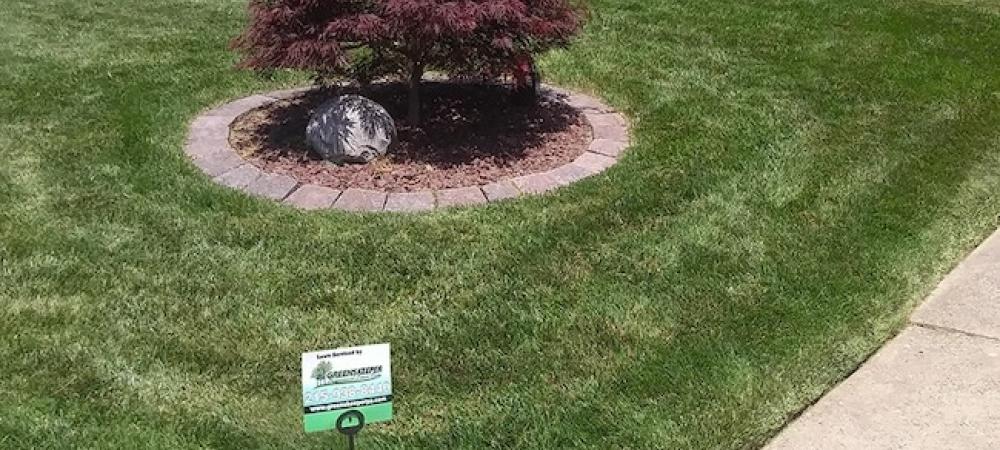
Image Source: www.greenskeeperpa.com
How Do I Repair My Lawn After Stump Grinding?
Yes, you can absolutely repair your lawn after stump grinding. The process involves several steps to address the hole left by the grinding, amend the soil, and re-establish healthy grass.
Stump grinding is a fantastic way to remove a tree stump without the back-breaking labor of digging it out. However, the process itself leaves a considerable void in your yard, filled with wood chips and soil. If you’re wondering about stump grinding cleanup and how to get your lawn looking good again, you’re in the right place. This guide will walk you through the entire process, from dealing with the immediate aftermath to enjoying a lush, green lawn once more.
The Stump Grinding Aftermath: What to Expect
When a stump grinder works its magic, it essentially pulverizes the stump and its surface roots into a pile of wood chips and soil. This material, often referred to as “stump grindings,” can be quite substantial. The depth and size of the hole created will depend on the size of the original stump and how deep the grinder was used. You’ll be left with a mound of debris that needs to be managed.
Step 1: Initial Stump Grinding Cleanup
The first order of business after the grinding is complete is the stump grinding cleanup. This involves removing the bulk of the wood chips and debris.
Removing Excess Debris
- Shovel and Wheelbarrow: The most straightforward method is to use a shovel and wheelbarrow to move the majority of the wood chips.
- Leaf Blower: For lighter debris or to gather scattered chips, a powerful leaf blower can be effective.
- Tarps: Laying down tarps before grinding can make the cleanup process much easier, as you can simply gather the chips on the tarp.
What to Do with the Wood Chips
You have several options for the wood chips:
- Composting: Wood chips are a valuable “brown” material for composting. Mix them with “green” materials like grass clippings or kitchen scraps. Be aware that fresh wood chips can tie up nitrogen as they decompose, so it’s best to let them compost for a while before adding them directly to your garden beds or lawn if you plan to use them as mulch.
- Mulching: You can use the chips as mulch in garden beds, around trees, or on pathways. This helps retain moisture and suppress weeds.
- Filling the Hole: A portion of the chips can be used to help fill the hole, but it’s crucial to mix them with other materials.
Step 2: Addressing the Stump Grinding Hole
Once the excess debris is cleared, you’ll be left with a hole. This is where the bulk of your lawn repair after stump removal will focus.
Filling the Stump Grinding Hole
The best way to fix lawn after stump grinding begins with properly filling the void. Simply dumping all the wood chips back in is not ideal. Wood chips decompose slowly and can deplete nitrogen from the soil as they break down, hindering grass growth.
Here’s a recommended method for filling stump grinding hole:
- Mix Wood Chips with Soil and Compost: Combine the wood chips with good quality topsoil and compost. A common ratio is about one-third wood chips, one-third topsoil, and one-third compost. This mix provides nutrients and improves drainage.
- Layering: Add the mixture to the hole in layers, about 6-8 inches at a time.
- Water Each Layer: Lightly water each layer as you fill the hole. This helps the material settle and removes air pockets.
- Avoid Overfilling: Don’t fill the hole completely flush with the surrounding lawn. The soil will settle further over time, especially after watering and rain. Leave it slightly lower, about 1-2 inches below the lawn level.
Soil Amendment Stump Grinding
This is a critical part of soil amendment stump grinding. The existing soil may be compacted, and the organic matter from the stump will need time to decompose.
- Compost: Compost is your best friend here. It adds essential nutrients, improves soil structure, and helps retain moisture.
- Topsoil: Good quality topsoil will provide a base for your new grass.
- Nitrogen Supplement: If you’re concerned about nitrogen depletion from the wood chips, you can add a balanced fertilizer or a slow-release nitrogen source to the fill mixture.
Lawn Leveling After Stump Grinding
As the mixture settles, you’ll need to address the depression.
- Top Up: Add more of your soil/compost/chip mixture as needed to bring the area up to just below the surrounding lawn level.
- Rake Smooth: Use a garden rake to level the surface. Remove any large clumps of soil or remaining small debris.
Step 3: Preparing for New Grass
Once the hole is filled and leveled, you need to prepare the area for seeding.
Loosening the Surface
- Till or Aerate: Lightly till or aerate the top few inches of the filled area. This loosens the soil, making it easier for grass seed to germinate and for roots to penetrate.
- Raking: Rake the surface again to create a fine, crumbly texture. Remove any stones or large debris.
Adding a Top Layer
- Compost or Seed-Starting Mix: For the best results, add a thin layer (about 1/2 inch) of pure compost or a specialized seed-starting mix on top of the leveled area. This provides a nutrient-rich environment for the seeds.
Step 4: Seeding and Watering
This is where you’ll see your lawn restoring lawn after stump grinding.
Choosing the Right Grass Seed
- Match Your Existing Lawn: Select a grass seed that matches the type of grass you currently have. This will ensure a uniform appearance. If you’re unsure, take a sample to a local garden center or extension office for identification.
- Consider Your Climate and Sun Exposure: Choose a seed blend that is suited to your local climate and the amount of sunlight the area receives.
Overseeding After Stump Grinding
When you’re ready to sow, you’ll be overseeding after stump grinding.
- Broadcasting Seed: Spread the grass seed evenly over the prepared area. You can use a spreader for larger areas or broadcast it by hand for smaller spots.
- Lightly Rake: Gently rake the seed into the top layer of soil (about 1/8 to 1/4 inch deep). This ensures good seed-to-soil contact.
- Tamp Down: Lightly tamp the area with a roller or by walking over it. This further improves seed-to-soil contact.
Watering for Germination
Consistent moisture is crucial for grass seed to germinate and establish.
- Gentle Watering: Use a fine spray nozzle on your hose or a sprinkler that produces a gentle mist. Avoid heavy watering, which can wash away the seeds.
- Keep Moist: The seeded area should be kept consistently moist, but not waterlogged. Water lightly several times a day if necessary, especially during warm, dry weather.
- Watering Schedule: Once seedlings appear, you can gradually reduce the frequency of watering but increase the amount each time, encouraging deeper root growth.
Step 5: Ongoing Care for New Grass
The work isn’t done once the seed sprouts. New grass after stump grinding needs consistent care.
Fertilizing
- Starter Fertilizer: Apply a starter fertilizer, which is specifically designed to help new grass establish strong roots. Follow the product instructions carefully.
- Subsequent Fertilization: Continue to fertilize according to your lawn’s needs, typically every 6-8 weeks during the growing season.
Mowing
- First Mow: Wait until the new grass reaches about 3-4 inches in height.
- Don’t Cut Too Short: For the first few mows, cut only about one-third of the blade’s length. This helps the grass develop a stronger, denser growth habit.
- Sharp Mower Blades: Ensure your mower blades are sharp to avoid tearing the delicate new grass.
Weed Control
- Manual Removal: For the initial stages, hand-pulling weeds is the safest option, as herbicides can be harsh on new grass.
- Herbicides (Use with Caution): If you must use herbicides, choose one that is safe for newly seeded lawns and follow the label directions precisely. Apply it during a period of active growth and when the grass is not stressed by drought.
Alternative: Using Sod
If you’re looking for a faster solution for restoring lawn after stump grinding, you can consider using sod.
- Prepare the Area: The preparation of the hole is similar to seeding – fill, level, and amend the soil.
- Lay Sod: Lay strips of sod across the prepared area, ensuring good contact with the soil beneath.
- Water Thoroughly: Water the sod immediately and deeply to help it establish.
- Ongoing Watering: Keep the sod consistently moist until the roots have taken hold.
Table: Stump Grinding Repair Timeline and Tasks
| Timeframe | Tasks | Notes |
|---|---|---|
| Day 1 (Post-Grinding) | 1. Stump grinding cleanup: Remove excess wood chips. | Use shovels, wheelbarrows, or tarps. Decide on chip disposal/reuse. |
| 2. Fill the stump grinding hole. | Mix chips with topsoil and compost. Layer and water. | |
| 3. Initial lawn leveling after stump grinding. | Leave the filled area slightly lower than the surrounding lawn. | |
| Week 1 | 1. Monitor settling and lawn leveling after stump grinding. | Top up the area with soil mixture if it sinks significantly. |
| 2. Prepare for seeding: Loosen the topsoil and rake smooth. | Add a thin layer of compost or seed-starting mix. | |
| Week 2-3 (Seeding) | 1. Overseeding after stump grinding. | Sow grass seed, rake lightly, and tamp. |
| 2. Water consistently to keep the soil moist. | Gentle misting is key for germination. | |
| Week 3-6 (Germination & Establishment) | 1. Continue regular watering, gradually increasing duration and decreasing frequency. | Aim for deep watering to encourage root growth. |
| 2. Apply starter fertilizer. | Follow product instructions for application timing. | |
| 3. First mowing (when grass is 3-4 inches tall). | Mow no more than one-third of the blade height. | |
| Month 2-3 (Maturity) | 1. Continue regular mowing and watering. | Mow at the appropriate height for your grass type. |
| 2. Fertilize as needed based on grass health and seasonal recommendations. | Watch for weeds and address them manually or with appropriate herbicides. | |
| 3. The lawn should be largely restoring lawn after stump grinding. | The area should blend in with the surrounding lawn. |
Common Challenges and Solutions
- Compacted Soil: If the stump grinder operator compacted the soil excessively, you might need to aerate the filled area more thoroughly before seeding.
- Poor Drainage: If the area holds water, you may need to add more organic matter (compost) to improve drainage. If the problem persists, consider adding a small amount of coarse sand to the mix when filling.
- Nitrogen Deficiency: As mentioned, wood chips can temporarily deplete nitrogen. If your new grass looks yellow or stunted, a nitrogen-rich fertilizer can help.
- Uneven Settling: This is normal to some extent. Continue to monitor and top up with soil as needed.
Frequently Asked Questions (FAQ)
-
Q: How long does it take for grass to grow after stump grinding?
- A: With proper care, you should see germination within 7-14 days, and the area should start to look like a lawn within 4-6 weeks. Full establishment can take a couple of months.
-
Q: Can I plant flowers or shrubs in the stump grinding area?
- A: Yes, but it’s generally best to let the grass establish first. If you want to plant other things, use a significant amount of compost and topsoil when filling the hole, as the wood chips can inhibit growth for plants that don’t tolerate them well.
-
Q: What is the best way to fix a lawn after stump grinding if I want it done quickly?
- A: Using sod is the quickest method. You’ll have an instant patch of lawn, but it still requires proper preparation of the ground and diligent watering to establish.
-
Q: Is it okay to leave the wood chips in the hole?
- A: It’s not ideal to leave them as the sole filling material. Mixing them with soil and compost is crucial for healthy grass growth.
-
Q: How deep should I fill the stump grinding hole?
- A: Fill it to just below the level of the surrounding lawn, allowing for some settling. The exact depth will depend on how deep the grinder went.
By following these steps, you can effectively repair your lawn after stump grinding and restore its beauty and functionality. The key is patience and consistent care to encourage healthy grass growth. Enjoy your newly reclaimed space!