
Birds digging up your lawn can be a frustrating problem. To stop birds digging up your lawn, you need to address the reasons they’re doing it, primarily the search for food like grubs, and then implement deterrents and make your lawn less attractive to them.
Birds aren’t just enjoying a bit of sun on your grass; they’re on a mission. Often, this mission involves hunting for a tasty meal hidden just beneath the surface. If your lawn looks like a battlefield, with small, scattered holes appearing frequently, chances are you have a visitor with a particular palate. But don’t worry, there are many effective ways to discourage these feathered excavators and restore your lawn’s pristine appearance. This guide will delve into why birds dig, what they’re looking for, and, most importantly, how to stop them. We’ll cover a range of solutions, from simple lawn care tips to more specific bird deterrents, ensuring you can find the right approach for your situation.
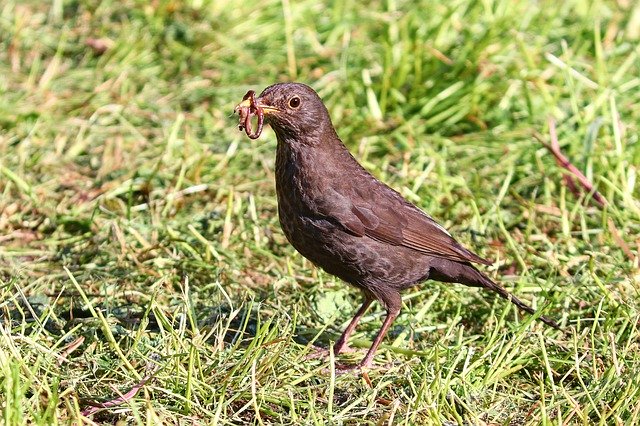
Image Source: www.lawnweedexpert.co.uk
Why Birds Dig in Your Lawn
The primary reason birds dig in lawns is to find food. They are particularly attracted to insects and their larvae, especially grubs. These plump, protein-rich snacks are a favorite for many common garden birds.
The Grub Connection
Grubs are the larval stage of various beetles. They live in the soil and feed on plant roots. While they can cause damage to your lawn themselves, they are also a food source for birds. When birds detect the presence of grubs, their natural foraging behavior kicks in, leading them to peck and dig at the soil to unearth their meal.
Common culprits that attract digging birds include:
- Japanese Beetle Grubs: These are notorious for damaging lawns and attracting birds.
- Chafers: Various types of chafer beetles can infest lawns, and their grubs are a buffet for birds.
- Crane Fly Larvae (Leatherjackets): These also feed on grass roots, making them a target for birds.
Even if you can’t see the grubs, their presence in the soil is enough to draw birds to your lawn.
Other Food Sources
While grubs are the main attraction, birds may also dig for:
- Earthworms: Especially after rain, earthworms come closer to the surface, becoming accessible to birds.
- Ants and Ant Pupae: Birds enjoy these as well.
- Other Soil-Dwelling Insects: Various small invertebrates might be present.
Identifying the Culprits
Knowing which birds are causing the problem can sometimes help tailor your approach. While many species will dig for grubs, some are more commonly associated with this behavior.
Common Digging Birds
- American Robins: These birds are well-known for their lawn foraging. They are often seen hopping and then suddenly plunging their beaks into the ground.
- Starlings: Often seen in flocks, starlings can quickly create many small holes as they search for insects.
- Blackbirds: Similar to starlings, blackbirds are active foragers.
- Crows and Jays: While larger, they will also dig if they detect a good food source.
- Woodpeckers: While they primarily peck at trees, they can sometimes investigate lawns for insect larvae.
Solutions: A Multi-Pronged Approach
Stopping birds from digging requires a combination of addressing the root cause (food) and implementing repelling birds strategies.
Addressing the Food Source: Grub Removal
The most effective long-term solution is to reduce the food supply. This means getting rid of the grubs and other pests that attract the birds in the first place.
Chemical Control
- Insecticides: These can be very effective in killing grubs. However, they should be used with caution, following label instructions carefully. Consider the impact on beneficial insects and the environment.
- Timing: Apply insecticides when grubs are most vulnerable, typically in late summer or early fall when they are feeding closer to the surface.
Natural and Biological Control Methods
- Nematodes: These are microscopic roundworms that are natural parasites of grubs. You can purchase and apply them to your lawn. They are safe for pets, children, and beneficial insects.
- Milky Spore: This is a bacterial disease that specifically targets Japanese Beetle grubs. It can take a few years to establish but provides long-term control.
- Beneficial Nematodes: Different species of nematodes target different grub types. Research which ones are best for your specific lawn pest.
- Neem Oil: Derived from the neem tree, neem oil can disrupt the life cycle of grubs and other soil insects.
Cultural Practices
- Healthy Lawn Care: A strong, healthy lawn is more resilient to grub damage and less attractive to pests. This includes proper mowing, watering, and fertilizing.
- Aeration: Soil aeration can help improve drainage and reduce soil compaction, making the soil less hospitable to some grub species. It also improves the health of your grass roots.
- Dethatching: Thick thatch layers can harbor pests and diseases. Regular dethatching helps keep your lawn healthy.
Implementing Bird Deterrents
Once you’ve started tackling the food source, you can add layers of bird deterrents to make your lawn less appealing.
Physical Barriers
- Bird Netting: This is one of the most effective physical barriers. You can drape bird netting over affected areas or create a more permanent structure.
- Pros: Highly effective, humane.
- Cons: Can be unsightly, requires proper installation to avoid trapping birds. Ensure it’s secured so birds cannot get underneath.
- Scare Devices: These rely on movement, reflection, or sound to startle birds.
- Shiny Objects: Reflective tape, old CDs, or aluminum foil strips can be hung from stakes or branches. The movement and reflection can deter birds.
- Scarecrows or Predator Decoys: Plastic owls, snakes, or even human-like scarecrows can work temporarily. However, birds are intelligent and will quickly get used to stationary objects. Move them around frequently.
- Moving Wind Chimes or Spinners: The sound and unpredictable movement can be effective.
Chemical and Scent-Based Repellents
- Taste Aversives: Some products are designed to make the soil or any discovered insects taste unpleasant to birds. These are usually applied directly to the soil.
- Scent Repellents: Certain strong scents, like those from essential oils (e.g., peppermint, citronella), might deter some birds, but their effectiveness is often short-lived and requires frequent reapplication. This falls under natural remedies.
Acoustic Deterrents
- Ultrasonic Devices: These emit high-frequency sounds that are inaudible to humans but can be irritating to birds. Their effectiveness can vary, and birds may become accustomed to them over time.
- Predator Calls or Distress Sounds: Playing recordings of predator sounds or bird distress calls can scare away other birds.
Enhancing Lawn Protection and Bird-Proofing Garden Strategies
Beyond direct deterrents, consider how your overall garden design and lawn protection can help.
Making Your Lawn Less Appealing
- Mow Regularly: Keeping your grass at a slightly shorter height can make it harder for birds to forage effectively.
- Watering Schedule: Water your lawn in the morning. This allows the surface to dry before birds arrive to feed. Birds prefer to forage on dry surfaces.
- Remove Attractants: Clean up any spilled birdseed or fallen fruit that might also be attracting birds to your yard.
Creating Alternative Food Sources (Far Away)
- Bird Feeders: If you want birds in your garden, provide them with designated feeders stocked with appropriate food, located far from your lawn. This can draw them away from your grass.
- Bird Baths: A water source can also help attract birds to a specific area, hopefully away from your lawn.
Encouraging Natural Predators
- Attract Beneficial Insects: A healthy garden ecosystem can attract predators of grubs and insects that birds also eat.
- Cats and Dogs: Your pets might naturally deter birds from your lawn.
Specific Tactics and How to Implement Them
Let’s break down some of the most popular and effective methods.
Method 1: The Grub Control and Lawn Health Approach
This is the foundational strategy. If the food isn’t there, the digging stops.
Steps:
- Identify Grubs: Check your lawn for signs of grub infestation. Look for brown patches, spongy turf, and increased bird activity. Gently lift a section of turf – if you can easily pull it up and see C-shaped white grubs, you have a problem.
- Choose Your Grub Control:
- Natural: Apply beneficial nematodes or milky spore according to product instructions. Water them in well.
- Chemical: Use a grub killer insecticide, applying it during the recommended season (usually late summer/early fall) and watering it in.
- Improve Lawn Health:
- Aeration: Aerate your lawn in the spring or fall to improve soil structure.
- Dethatching: Remove excess thatch if it’s more than half an inch thick.
- Proper Watering: Water deeply and infrequently.
- Fertilize: Feed your lawn with appropriate fertilizer for its type and the season.
Timeline: This is a longer-term strategy. You might see reduced digging within weeks, but it can take a season or two for grub populations to be significantly controlled and your lawn to fully recover.
Method 2: The Scare Tactics and Physical Deterrents Approach
This is for immediate relief and works best in conjunction with grub control.
Steps:
- Deploy Shiny Objects: Cut strips of reflective tape (available at garden centers) or use old CDs. Hang them on stakes or low branches around the perimeter of your lawn or near problem areas. Ensure they move freely in the wind.
- Introduce Predator Decoys: Place plastic owls, snakes, or hawks strategically on your lawn. Remember to move them every few days to prevent birds from becoming accustomed to their presence.
- Consider Bird Netting: For highly targeted areas or if other methods fail, use bird netting.
- Installation: Lay the netting over the affected area. Secure the edges firmly to the ground with stakes or rocks. Ensure there are no gaps where birds can enter. You might need to prop it up slightly with stakes if you’re concerned about it flattening the grass.
- Maintenance: Check the netting regularly to ensure it hasn’t become damaged or that no birds have become entangled.
Timeline: These methods can provide immediate results, deterring birds as soon as they are put in place. However, their effectiveness can diminish over time as birds adapt.
Method 3: The Natural Remedies and Organic Approach
This focuses on humane and environmentally friendly methods.
Steps:
- Nematodes for Grubs: As described in Method 1, this is an excellent natural grub control.
- Essential Oil Sprays: Mix a few drops of peppermint, eucalyptus, or citronella oil with water in a spray bottle. Lightly spray the affected areas of your lawn. Reapply every few days, especially after rain.
- Vinegar Solution: A diluted vinegar solution (1 part white vinegar to 3 parts water) can be lightly sprayed on the soil. The acidity can deter some insects and birds. Use sparingly to avoid damaging the grass.
- Coffee Grounds or Eggshells: Some gardeners believe that scattering used coffee grounds or crushed eggshells can deter certain pests and birds due to their texture or scent. While anecdotal, it’s a harmless addition to your lawn care tips.
Timeline: Natural remedies often require consistent application and may take longer to show significant results compared to chemical treatments.
Maintaining Your Lawn: Long-Term Strategies
Consistent and good lawn care tips are crucial for deterring digging birds.
Healthy Turf is Key
- Proper Mowing: Maintain the recommended grass height for your specific lawn type. Taller grass can sometimes make it harder for birds to see and access grubs.
- Effective Watering: Water deeply and less often. This encourages deeper root growth, making the grass stronger and more resistant to pests. Morning watering is best.
- Balanced Fertilization: Use the right fertilizer at the right time of year. A well-fed lawn is a resilient lawn.
Soil Health
- Aeration: Regularly aerating your lawn improves air circulation and drainage, which can help prevent grub infestations.
- Dethatching: A thick layer of thatch can harbor insects. Dethatch your lawn annually or bi-annually.
Garden-Wide Bird Proofing
- Reduce Other Attractants: If you have bird feeders, ensure they are clean and that spilled seed is cleaned up promptly.
- Strategic Planting: Consider planting dense shrubs or ground covers away from your lawn to provide alternative foraging areas for birds.
Troubleshooting Common Issues
- Birds Ignore Scare Tactics: Birds are smart. If your scarecrow or shiny tape isn’t moving or flashing, it won’t work. Rotate your deterrents and ensure they are active.
- Grub Control Isn’t Working: You might have the wrong type of grub control, or you might be applying it at the wrong time of year. Re-evaluate your grub identification and treatment plan.
- Netting Entangles Birds: Always use netting designed for lawn protection or bird-proofing garden areas, and ensure it’s installed correctly, with no loose loops or sagging sections. Check it regularly.
Tables for Comparison
Here’s a quick comparison of different approaches:
| Method | Effectiveness (Short-term) | Effectiveness (Long-term) | Cost | Effort | Environmental Impact |
|---|---|---|---|---|---|
| Grub Removal (Chemical) | High | High | Medium | Medium | Moderate |
| Grub Removal (Natural) | Medium | High | Low-Med | Medium | Low |
| Scare Devices | Medium | Low | Low | Low | Very Low |
| Bird Netting | Very High | High | Medium | High | Very Low |
| Natural Remedies (Scents) | Low | Low | Very Low | Low | Very Low |
Frequently Asked Questions (FAQ)
What is the fastest way to stop birds digging?
The fastest way is to use physical barriers like bird netting or very active scare devices (like a motion-activated sprinkler or loud noise maker, used cautiously) while simultaneously addressing the grub problem. However, “fastest” often means temporary if the food source remains.
Can I use salt to deter birds?
While salt might deter some animals, it is very harmful to your lawn’s health and can kill grass and beneficial soil organisms. It’s not recommended.
How do I know if I have grubs?
Look for irregular brown patches, spongy turf that bounces back when walked on, and increased bird activity. You can also test by cutting a small 1-square-foot section of turf and lifting it. If you see numerous C-shaped white grubs, you have an infestation.
Are there any humane ways to stop birds digging?
Yes, all the methods discussed can be considered humane. Natural grub control, deterrents that scare rather than harm, and physical barriers like netting that prevent access without injury are all humane options.
Will a healthy lawn naturally stop birds from digging?
A healthy lawn is more resistant to grub damage, but if grubs are present, birds will still try to access them. A healthy lawn makes it harder for grubs to thrive and for birds to find them easily, but it’s not a complete solution on its own if an infestation exists.
By combining effective grub control with smart deterrents and good lawn care tips, you can successfully stop digging birds and keep your lawn looking beautiful. Remember that consistency is key, and a multi-faceted approach will yield the best results for lasting lawn protection.