
Lawn sprinklers deliver water to your grass and plants. They do this through a system of pipes, valves, and sprinkler heads. A typical lawn sprinkler system starts with a water source, often your home’s main water line. This water travels through underground pipes to reach different zones of your yard. Special valves open and close to control which sprinklers get water and when. Finally, sprinkler heads pop up and spray water in specific patterns, ensuring your lawn receives the right amount of hydration.
Image Source: media.hswstatic.com
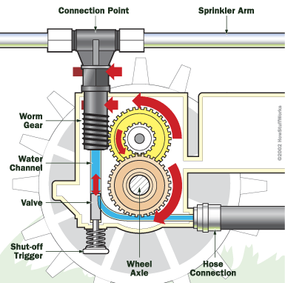
The Heart of the System: Your Water Source
Every lawn sprinkler system begins with a reliable water source. For most homeowners, this is their main water supply from the municipal water system. However, other sources can be used, especially in areas with water restrictions or for larger properties. These alternative sources often require additional equipment to ensure proper filtration and pressure.
Municipal Water Supply
The most common water source for residential watering systems is the municipal water supply. Water enters your home through a main service line. From there, it’s directed to your house’s plumbing and, importantly, to your sprinkler system’s main supply line. The pressure provided by the city is crucial for the effective operation of the entire system.
Well Water Systems
For homes not connected to a city water supply, a well serves as the water source. Well water typically requires a submersible pump located within the well. This pump draws water from the aquifer and pushes it into the sprinkler system. Because well water can contain sediment and minerals, a robust filtration system is often necessary to prevent clogs and damage to the irrigation technology. Pressure tanks are also common in well systems to maintain consistent water pressure.
Surface Water Sources
In some rural or agricultural settings, water might be drawn from lakes, ponds, or rivers. This method requires a dedicated pump, often a centrifugal pump, positioned near the water source. Due to the high likelihood of debris and sediment in surface water, extensive filtration and screening are absolutely essential to protect the sprinkler components. This is a more complex setup and less common for typical residential lawns.
Moving the Water: The Role of Underground Pipes
Once the water is sourced, it needs to travel to the various parts of your lawn. This is accomplished through a network of underground pipes. The size and layout of these pipes are critical to the system’s efficiency and effectiveness.
Pipe Materials
Various materials are used for sprinkler pipes, each with its pros and cons.
- Polyethylene (Poly) Pipe: This is the most common material for residential sprinkler systems. It’s flexible, durable, and resistant to corrosion. Its flexibility makes installation easier, as it can be bent around obstacles.
- PVC (Polyvinyl Chloride) Pipe: PVC is a rigid plastic pipe. It’s strong and cost-effective but less flexible than poly pipe, requiring more fittings for turns. It’s often used for main lines and larger pipes.
- Copper Pipe: While once common, copper is rarely used in modern sprinkler systems due to its high cost and susceptibility to corrosion from certain soil types.
- Metal Pipe (Older Systems): Older systems might have galvanized steel pipes. These are prone to corrosion and mineral buildup, which can restrict water flow and reduce pressure.
Pipe Sizing and Layout
The diameter of the underground pipes is crucial for delivering adequate water volume and pressure to the sprinkler heads. Larger pipes can carry more water, reducing friction loss and ensuring sprinklers further from the source perform well. The layout of the pipes is designed to efficiently cover the entire lawn with minimal waste. This involves zoning the system, meaning different areas of the lawn are watered independently.
Controlling the Flow: Valves and Activation
The system needs a way to turn the water on and off for different sections of the lawn. This is where valves come into play. These electrically controlled valves are the brains of the operation, responding to signals from the timer.
Types of Valves
- Solenoid Valves: These are the most common type of valve in residential sprinkler systems. They are electrically operated. When a low-voltage current from the sprinkler controller reaches the solenoid, it opens or closes the valve, allowing or stopping water flow.
- Master Valve: Some systems include a master valve, typically installed at the main shut-off point. This valve is always closed unless a zone is activated. It acts as a backup safety measure, preventing leaks if a valve fails or if there’s a break in the mainline.
Valve Activation Process
The valve activation process is straightforward:
- Signal from Controller: The sprinkler controller sends a low-voltage electrical signal to the specific solenoid valve for the zone that needs watering.
- Solenoid Engages: The electrical current energizes the solenoid, which lifts a diaphragm or plunger inside the valve.
- Water Flow Opens Valve: The movement of the diaphragm/plunger opens the valve, allowing water to flow from the main supply line into the pipes for that zone.
- Sprinkler Heads Activate: As water flows through the pipes, it reaches the sprinkler heads, causing them to pop up and begin spraying.
- Signal Stops, Valve Closes: Once the watering cycle for that zone is complete, the controller stops sending the electrical signal to the solenoid. The solenoid de-energizes, and a spring or gravity closes the valve, shutting off the water supply to that zone.
The Brains of the Operation: Timer Controls
The timer controls, often called sprinkler controllers or irrigation controllers, are the central command center for your entire watering systems. They tell the system when to water, for how long, and which zones to activate.
How Timer Controls Work
Sprinkler controllers are programmable devices that manage the timing and duration of watering cycles. They are connected to the solenoid valves via low-voltage wires.
- Programming: Users set watering days, start times, and run times for each zone. This can be done manually on the controller or, in more advanced systems, via a smartphone app or web interface.
- Electrical Signal Generation: At the scheduled time, the controller sends a specific electrical signal to the solenoid valve of the first zone.
- Zone Sequencing: After the set run time for the first zone, the controller stops the signal to that valve and immediately sends a signal to the next valve in sequence. This continues until all programmed zones have watered.
- Manual Overrides: Most controllers have manual override options to start or stop watering immediately, bypassing the programmed schedule.
Modern Innovations in Timer Controls
Today’s irrigation technology offers advanced controllers that go beyond simple timed watering:
- Smart Controllers: These controllers connect to the internet and use local weather data (rainfall, temperature, humidity) to automatically adjust watering schedules. They can skip watering if rain is forecast or has occurred, saving water and preventing overwatering.
- Weather Station Integration: Some systems can connect directly to a personal weather station on the property for even more precise local data.
- App Control: Many modern controllers can be managed remotely via smartphone apps, allowing users to monitor and adjust their system from anywhere.
The Delivery Mechanism: Sprinkler Head Operation
Sprinkler heads are the visible components that actually distribute water to your lawn. They come in various types, each designed for specific watering needs and applications. The sprinkler head operation is all about converting pressurized water into a controlled spray.
Types of Sprinkler Heads
- Pop-Up Sprinklers: These are the most common type for lawns. When water pressure is applied, a riser or body extends upwards from the ground, and the spray mechanism activates. When the water pressure is removed, they retract back into the casing, remaining hidden and protected.
- Rotary Sprinklers: These heads rotate, sending out a stream of water in a sweeping motion. They are ideal for larger, open areas and can cover significant distances.
- Spray Sprinklers (Fixed Spray): These heads emit a fan-shaped spray pattern and do not rotate. They are best for smaller, irregularly shaped areas or slopes. They deliver water more evenly over their coverage area.
- Impact Sprinklers: These are older, more robust sprinklers that use a pulsating action to distribute water. They are often used in commercial or larger residential applications due to their durability and ability to cover large areas, though they can be noisier and less efficient than other types.
- Drip Emitters: While not technically “sprinklers” in the traditional sense, drip irrigation systems deliver water directly to the root zone of plants through small emitters. They are highly efficient and ideal for gardens, flower beds, and shrubs.
The Mechanics of Spray Patterns
The design of the sprinkler head determines its spray patterns and how it distributes water.
- Nozzles: The nozzle is the part of the sprinkler head where water exits. Different nozzle sizes and designs create different spray patterns and flow rates. A larger nozzle opening will allow more water to pass through, covering a larger area but potentially requiring more water pressure.
- Arc and Radius: Sprinkler heads can be set to cover a specific arc (e.g., 90 degrees for a corner, 180 degrees for a side) or a full circle (360 degrees). The radius refers to the distance the water is thrown.
- Precipitation Rate: This refers to how much water the sprinkler head delivers to a specific area over a given time. It’s important to match precipitation rates between adjacent sprinkler heads to ensure even water distribution across the lawn.
Ensuring Proper Coverage: Water Pressure and Distribution
The effectiveness of any sprinkler system hinges on adequate water pressure and even water distribution. These two factors are intrinsically linked.
Water Pressure Explained
Water pressure, measured in pounds per square inch (psi), is the force that pushes water through the pipes and out of the sprinkler heads.
- Static Pressure: This is the pressure in the pipes when no water is flowing.
- Dynamic Pressure: This is the pressure when water is flowing through the system. Dynamic pressure is always lower than static pressure due to friction loss in the pipes and the energy required to operate the sprinkler heads.
Insufficient water pressure can lead to sprinkler heads not popping up, weak sprays, and uneven watering. Too much pressure can damage the system components, cause overspray, and lead to inefficient water use.
Factors Affecting Water Pressure
- Source Pressure: The pressure coming from your municipal supply or well pump.
- Pipe Size: Smaller pipes create more friction loss, reducing pressure.
- Pipe Length and Fittings: Longer runs of pipe and numerous elbows or tees increase friction.
- Elevation Changes: Water pressure decreases as it moves uphill and increases as it moves downhill.
- Number of Sprinklers Operating: When multiple sprinkler heads are operating simultaneously, the available pressure is divided among them, reducing the pressure at each head.
Achieving Even Water Distribution
Even water distribution is the goal of an effective sprinkler system design. This means ensuring that all parts of the lawn receive the same amount of water.
- Head-to-Head Coverage: This is a fundamental principle where the spray from one sprinkler head reaches the base of the adjacent sprinkler head. This overlap ensures no dry spots.
- Matching Precipitation Rates: Sprinklers in adjacent zones should have similar precipitation rates to avoid overwatering one area while underwatering another.
- Proper Nozzle Selection: Using the correct nozzles for the sprinkler type and the area being watered is critical for achieving the desired spray pattern and distribution.
- Zoning: Dividing the lawn into different zones based on plant type, sun exposure, and soil conditions allows for customized watering schedules and ensures each area receives the appropriate amount of water.
Designing Your Sprinkler System: A Strategic Approach
A well-designed sprinkler system design is the foundation for an efficient and effective watering systems. It considers many factors to ensure optimal performance and water conservation.
Key Considerations in Sprinkler System Design
- Lawn Size and Shape: The overall dimensions and any irregular shapes dictate the number and placement of sprinkler heads.
- Plant Types and Needs: Different plants have varying water requirements. The design must accommodate these differences, perhaps by creating separate zones for turf, flower beds, or shrubs.
- Sun Exposure and Shade: Areas that receive more sun will dry out faster and require more frequent watering than shaded areas.
- Soil Type: Sandy soils drain quickly and may need more frequent, shorter watering cycles, while clay soils retain moisture longer and benefit from less frequent, longer cycles.
- Water Pressure and Flow Rate: The available water pressure and flow rate from the source will determine how many sprinkler heads can operate simultaneously and the type of sprinklers that can be used.
- Topography: Slopes and hills can affect water distribution. Sprinklers may need to be adjusted to prevent runoff on slopes.
- Local Climate and Rainfall: The design should factor in typical rainfall patterns and seasonal temperature variations.
- Water Conservation Goals: Modern designs often incorporate features like rain sensors and smart controllers to minimize water waste.
The Layout Process
- Zoning: Divide the lawn into zones based on the factors above.
- Head Placement: Determine the optimal placement of sprinkler heads for each zone to achieve head-to-head coverage.
- Pipe Routing: Plan the path of underground pipes to connect the zones efficiently and minimize the number of fittings.
- Valve Manifold: Group the valves for each zone together in a valve box for easy access.
- Controller Location: Choose a convenient and protected location for the sprinkler controller.
Maintenance and Troubleshooting
Even the best-designed systems require occasional maintenance and may encounter issues.
Common Maintenance Tasks
- Filter Cleaning: Regularly clean filters to prevent debris from clogging sprinkler heads and valves.
- Head Adjustment: Check sprinkler heads for proper alignment and spray patterns. Adjust or replace damaged heads.
- Valve Inspection: Ensure valves are functioning correctly and not leaking.
- Controller Check: Verify that the controller is set correctly and the batteries (if applicable) are functional.
- Winterization: In colder climates, the system must be properly drained and winterized to prevent freezing and damage.
Troubleshooting Common Issues
| Problem | Possible Cause | Solution |
|---|---|---|
| Sprinklers not popping up | Low water pressure, clogged valve, broken riser | Check water source pressure, clean valve, inspect riser and head. |
| Uneven watering | Incorrect head placement, wrong nozzles, low pressure | Adjust head placement for overlap, install correct nozzles, check pressure. |
| Leaks | Loose pipe connections, cracked pipe, faulty valve | Tighten connections, locate and repair pipe leaks, replace faulty valve. |
| Sprinkler heads not rotating | Debris in mechanism, insufficient pressure | Clean sprinkler head internals, check for adequate water pressure. |
| Controller not working | Power issue, blown fuse, faulty wiring | Check power supply, examine fuses, inspect wiring connections. |
Frequently Asked Questions (FAQ)
How often should I water my lawn with sprinklers?
This depends on your grass type, climate, soil, and time of year. Generally, aim for about 1 inch of water per week, delivered in one or two deep watering sessions to encourage deep root growth. Smart controllers can automate this based on weather.
Can I install a sprinkler system myself?
Yes, it is possible for a DIY enthusiast to install a sprinkler system, especially for smaller lawns. However, it requires careful planning, knowledge of plumbing, and the right tools. For larger or more complex setups, professional installation is recommended.
What is the average cost of a sprinkler system?
The cost can vary significantly based on the size of your property, the complexity of the design, the quality of the components, and whether you hire professionals or do it yourself. Residential systems can range from a few hundred dollars for a basic DIY kit to several thousand dollars for a professionally installed, advanced system.
How do I know if my sprinkler system is efficient?
An efficient system delivers the right amount of water to the right places without waste. Look for even water distribution, no visible runoff, and minimal watering during or after rain. Smart controllers and rain sensors significantly boost efficiency.
What is the lifespan of a sprinkler system?
With proper maintenance, most sprinkler systems can last 15 to 20 years or even longer. Components like pipes are very durable, but sprinkler heads and valves may need occasional replacement.