
When your trusty lawn mower finally reaches the end of its useful life, you might wonder, “How do you dispose of a lawn mower?” The answer involves several safe and responsible methods, from reselling and donating to proper disposal of hazardous components.
Your old lawn mower is more than just a garden tool; it’s a machine with parts that can be reused or recycled, and fluids that need careful handling. Simply tossing it in the trash isn’t an option, as this can harm the environment and is often illegal. This guide will walk you through everything you need to know about lawn mower disposal, ensuring you do it right. We’ll cover how to prepare your mower, explore various disposal avenues, and highlight the importance of responsible lawn mower disposal.
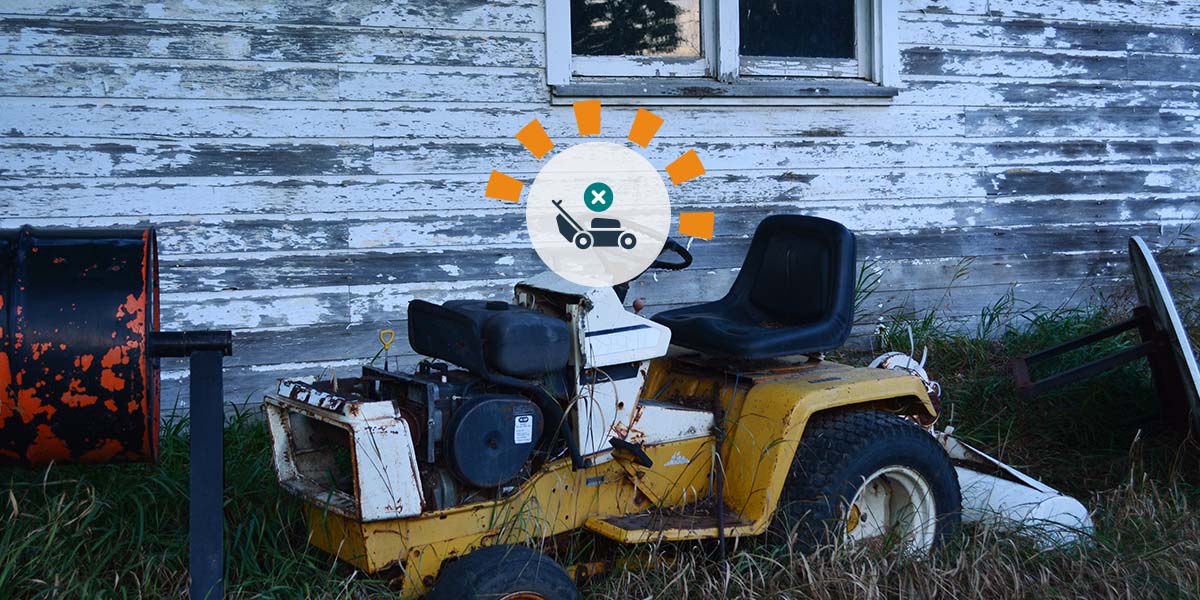
Image Source: dumpsters.com
Why Responsible Lawn Mower Disposal Matters
Disposing of a lawn mower responsibly is crucial for several reasons. Firstly, lawn mowers often contain hazardous materials like gasoline, oil, and battery acid. If these fluids leak into the ground or water supply, they can cause significant environmental damage, polluting soil and water sources. Secondly, many parts of a lawn mower, such as metal components, can be recycled, reducing the need for new raw materials and conserving energy. Improper disposal contributes to landfill waste, which is a growing problem. Finally, many municipalities have specific regulations regarding the disposal of yard equipment and appliances, and failing to comply can result in fines. Making informed choices about lawn mower disposal protects our planet and ensures we are good stewards of our communities.
Environmental Impact of Improper Disposal
The environmental consequences of tossing an old mower into a landfill are far-reaching.
* Fluid Contamination: Gasoline and oil are flammable and toxic. They can seep into the soil and groundwater, poisoning plants, animals, and potentially contaminating drinking water sources.
* Battery Hazards: Many modern mowers, especially electric and riding mowers, have batteries. These batteries can contain heavy metals like lead and cadmium, which are highly toxic. If they break open in a landfill, these metals can leach into the environment.
* Landfill Space: Large items like lawn mowers take up valuable space in landfills. As landfills fill up, new ones must be created, often encroaching on natural habitats.
Legal and Regulatory Considerations
Your local government likely has ordinances regarding the disposal of appliances and yard equipment. These rules are designed to protect the environment and promote recycling.
* Prohibited Items: Most landfills do not accept whole appliances or machinery with fluids.
* Hazardous Waste Regulations: Fluids like oil and gasoline are often classified as hazardous waste and require special handling.
* Recycling Mandates: Some areas may mandate that certain materials, like metal, be recycled, not trashed.
Always check with your local waste management authority for specific guidelines in your area before you plan your lawn mower disposal.
Preparing Your Lawn Mower for Disposal
Before you can say goodbye to your old mower, you need to prepare it correctly. This often involves draining fluids and, in some cases, removing the battery.
Draining Fuel and Oil
This is a critical step for safety and environmental protection.
* Safety First: Ensure the mower is off and has cooled down. Work in a well-ventilated area, away from any open flames or sparks. Wear gloves and eye protection.
* Fuel Removal:
1. Locate the Fuel Tank: It’s usually near the engine.
2. Use a Siphon Pump: Insert the hose of a siphon pump into the fuel tank and pump the gasoline into an approved container. Many auto parts stores sell these.
3. Small Amounts: For a very small amount of fuel left, you might be able to tilt the mower slightly to drain it into your container. Be very careful not to spill.
* Oil Removal:
1. Locate the Oil Drain Plug: This is usually at the bottom of the engine crankcase. You might need a wrench to loosen it.
2. Position a Drain Pan: Place a suitable container underneath the plug to catch the oil.
3. Drain Completely: Remove the plug and let all the oil drain out.
4. Replace the Plug: Once drained, screw the plug back in securely.
Never pour old fuel or oil down a drain or onto the ground.
Removing the Battery (If Applicable)
If you have an electric start mower or a battery-powered mower, you’ll need to remove the battery.
* Locate the Battery: Consult your mower’s manual if you’re unsure. It’s often under a cover or near the engine.
* Disconnect Terminals: Use insulated tools to disconnect the battery cables, usually starting with the negative terminal.
* Remove Battery: Carefully lift the battery out.
* Proper Battery Disposal: Batteries are hazardous waste and need to be taken to a special recycling center or a retailer that accepts old batteries.
Cleaning the Mower
A good clean-up can make the mower easier to handle and potentially more valuable if you’re selling or donating it.
* Remove Debris: Clear away grass clippings, dirt, and any other debris from the mower deck, engine, and wheels.
* Wipe Down: Use a damp cloth or sponge to wipe down the exterior.
Exploring Lawn Mower Disposal Options
Once your mower is prepared, you have several avenues for disposal, each with its own benefits.
Selling Your Old Lawn Mower
If your mower is still in working order, selling it is a great way to recoup some of your investment and give it a new life.
* Online Marketplaces: Websites like Craigslist, Facebook Marketplace, and eBay are excellent for listing used equipment. Be honest about the mower’s condition.
* Local Classifieds: Traditional newspapers or community bulletin boards can also be effective.
* Garage Sales: A yard sale is a classic way to sell items you no longer need.
* Consignment Shops: Some outdoor equipment stores or general consignment shops might take your mower.
Tips for Selling:
* Take clear, well-lit photos.
* Provide a detailed description, including the make, model, age, and any known issues.
* Be prepared to demonstrate its functionality if possible.
Donating Your Lawn Mower
For mowers that are still functional but perhaps not worth selling, donation is a charitable option.
* Local Charities: Many non-profits, community centers, or vocational schools may accept working lawn mowers for their grounds maintenance or to train students.
* Habitat for Humanity ReStores: These stores often accept working tools and equipment.
* Community Gardens: Some community garden initiatives might benefit from a donated mower.
Always call ahead to confirm that an organization accepts lawn mowers and to arrange a drop-off or pickup.
Recycling Lawn Mowers
Recycling is a key component of responsible lawn mower disposal, especially for mowers that are beyond repair.
* Metal Scrappers: The majority of a lawn mower is made of metal (steel and aluminum), which is highly recyclable. Many scrap metal yards will accept old mowers. You may need to drain fluids and remove the battery beforehand.
* Municipal Recycling Centers: Some larger recycling facilities or transfer stations have specific drop-off points for appliances and metal items.
* Specialized Recycling Programs: Look for local programs that focus on recycling yard equipment or scrap metal.
What to Expect at a Scrap Yard:
Scrap yards typically pay by weight for metals. They might deduct a small amount if you haven’t drained fluids, as they will have to do it themselves, or they may refuse the item.
Junk Lawn Mower Removal Services
If you want a hassle-free way to get rid of your old mower, junk removal services are an excellent option.
* Convenience: These companies will come to your home, pick up the mower, and take it away for disposal or recycling.
* Professional Handling: They are equipped to handle the removal and ensure fluids are drained properly and the mower is disposed of according to regulations.
* Cost: There will be a fee for this service, which varies depending on the company and your location.
When choosing a service, ask about their disposal practices. Do they prioritize recycling?
Mower Repair and Disposal
Sometimes, a mower might just need a repair to function again. If it’s beyond repair, the repair shop might offer disposal services.
* Local Repair Shops: If you take your mower to a repair shop for an estimate or repair, and decide not to fix it, they may offer to dispose of it for a fee. They often have established relationships with recycling centers.
Lawn Mower Pickup Programs
Some municipalities or private waste management companies offer special collection days or services for bulk items like old appliances and lawn equipment.
* Scheduled Pickups: You might need to schedule a lawn mower pickup in advance.
* Curbside Collection: On your scheduled day, you can place the prepared mower at the curb for collection.
* Check Local Authority: This is a service to inquire about with your local waste management department.
Dealing with Hazardous Waste Lawn Mower Components
Some parts of your lawn mower are considered hazardous waste and require specific handling.
Gasoline and Oil Disposal
As mentioned, these should never be poured down the drain or on the ground.
* Approved Containers: Store drained gasoline and oil in sealed, labeled containers.
* Household Hazardous Waste (HHW) Facilities: Most communities have HHW drop-off sites or collection events where you can safely dispose of these fluids.
* Auto Parts Stores: Some auto parts stores accept used motor oil for recycling.
Battery Disposal
Batteries, especially lead-acid batteries found in riding mowers, are hazardous.
* Recycling Centers: Take them to designated battery recycling facilities.
* Retailer Take-Back Programs: Many places that sell batteries (like auto parts stores or big-box retailers) also offer take-back programs for old batteries.
* Never put batteries in regular trash or recycling bins.
Other Potential Hazards
- Propane Tanks (for gas grills/some riding mowers): If your mower uses propane, ensure the tank is empty and follow guidelines for propane tank disposal, which often involve returning them to the retailer or a specialized facility.
- Tires (on riding mowers): Tires are often recycled separately. Many tire shops or municipal recycling centers accept them.
What to Do with a Scrap Lawn Mower
If your lawn mower is too far gone for repair or donation, turning it into a scrap lawn mower is a practical choice.
* Identify Recyclable Metals: Mowers are primarily made of steel and aluminum.
* Prepare for Scrap Yard:
1. Drain Fluids: This is essential.
2. Remove Non-Metal Parts: While many scrap yards will accept the mower with plastic components, removing large plastic parts can sometimes increase your payout or make it easier for them.
3. Remove Battery: As discussed, batteries need separate, proper disposal.
* Find a Local Scrap Yard: Search online for “scrap metal yards near me” or “scrap lawn mower recycling.”
* Transport Safely: Ensure the mower is secured in your vehicle for transport.
Mower Repair and Disposal: A Combined Approach
Sometimes, you might consider repairing a mower to extend its life before opting for disposal.
* Assess Repair Costs: Get a quote for repairs. If the cost of repair is close to the price of a new, comparable mower, it might be time to let go.
* DIY Repairs: If you’re handy, you might be able to perform minor repairs yourself, saving money and prolonging the life of your equipment.
* Professional Services: For more complex issues, consult a qualified small engine repair shop. They can also advise on the best disposal methods if the mower is beyond saving.
Factors to Consider When Choosing a Disposal Method
- Mower Condition: Is it working, repairable, or completely broken down?
- Your Time and Effort: Do you want a convenient pickup service, or are you willing to transport it yourself?
- Cost: Are there fees associated with removal or recycling?
- Environmental Concerns: Which option minimizes environmental impact the most?
Lawn Mower Pickup: Simplifying the Process
For many, the most straightforward method is arranging for lawn mower pickup. This service takes the burden of transportation and proper disposal off your shoulders.
* Junk Haulers: Companies specializing in junk removal are a popular choice.
* Municipal Services: As mentioned, your local government might offer scheduled bulk item pickups.
* Recycling Centers with Pickup: Some larger recycling facilities may offer pickup services for a fee.
When booking a pickup, always confirm the process: Will they drain fluids? Will they charge extra for batteries?
FAQs About Lawn Mower Disposal
Q1: Can I just put my old lawn mower in the regular trash?
No, you generally cannot put a lawn mower in your regular household trash. Most municipal waste services do not accept large appliances or machinery with fluids. It’s also environmentally irresponsible and potentially illegal due to the hazardous materials involved.
Q2: Where can I recycle a lawn mower?
You can recycle a lawn mower at scrap metal yards, municipal recycling centers that accept appliances or metal, and sometimes through specialized appliance or equipment recycling programs. Always drain fluids and remove the battery before taking it for recycling.
Q3: How do I get rid of a non-working lawn mower?
For a non-working lawn mower, your options include selling it for scrap metal, donating it to a charity if it’s partially salvageable, or hiring a junk removal service for convenient pickup and disposal.
Q4: Is it safe to drain gasoline from a lawn mower?
Yes, it is safe to drain gasoline from a lawn mower if you take proper precautions. Ensure the mower is off and cooled down, work in a well-ventilated area away from ignition sources, wear protective gear (gloves, eye protection), and use an approved container for the gasoline. Never pour it down a drain or on the ground.
Q5: Do I need to remove the battery before recycling a lawn mower?
Yes, it is highly recommended and often required to remove the battery before recycling a lawn mower. Batteries contain hazardous materials and need to be disposed of separately at designated battery recycling centers or through retailer take-back programs.
Q6: How do I find a junk lawn mower removal service?
You can find junk lawn mower removal services by searching online for “junk removal services,” “appliance removal,” or “lawn mower pickup” in your local area. Check reviews and ask about their disposal and recycling practices before booking.
Q7: What are mower disposal services?
Mower disposal services are companies or programs that will collect your old lawn mower from your home and take it away for proper disposal or recycling. This offers a convenient way to get rid of unwanted equipment, especially if you don’t have the means to transport it yourself.
Q8: What makes a lawn mower hazardous waste?
A lawn mower can be considered hazardous waste due to the presence of flammable and toxic fluids like gasoline and oil, and potentially hazardous materials in batteries (like lead and acid). Improper disposal of these components can contaminate soil and water.
Q9: Can I sell a scrap lawn mower?
Yes, you can sell a scrap lawn mower to a scrap metal dealer. They will typically purchase it based on its metal content. You will need to ensure all fluids and the battery are removed beforehand.
Q10: What is involved in responsible lawn mower disposal?
Responsible lawn mower disposal involves preparing the mower by draining hazardous fluids, removing the battery, and then choosing an environmentally sound disposal method such as selling, donating, recycling through scrap yards or municipal programs, or using a professional junk removal service that prioritizes recycling.