
Can you get rid of mushrooms from your lawn? Yes, you can effectively manage and eliminate mushrooms from your lawn by addressing the underlying causes of their growth and employing targeted removal strategies.
Mushrooms popping up in your lawn can be a nuisance, turning a lush green carpet into a speckled landscape. This often indicates an underlying issue with your lawn’s health, and while not always harmful to your grass, they can be unsightly and, in some cases, a sign of more significant problems. This guide will walk you through how to tackle your yard mushroom problem, from identification to prevention, offering quick fixes and long-term solutions for a healthier lawn.
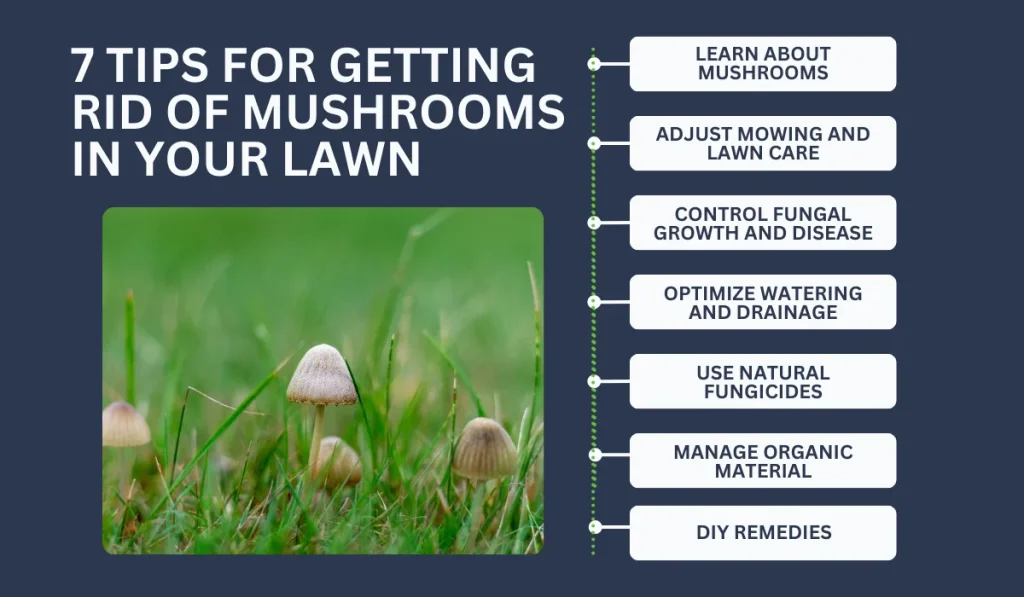
Image Source: sodlawn.com
Why Do Mushrooms Appear on My Lawn?
Mushrooms are the fruiting bodies of fungi that live in the soil. Their appearance is often a natural process, but their abundance or consistent return suggests specific environmental conditions are favorable for fungal growth lawn.
Common Culprits Behind Fungal Growth Lawn:
- Excessive Thatch: A thick layer of dead and decaying grass and organic matter at the soil surface creates a damp, nutrient-rich environment perfect for fungi.
- Poor Drainage: Waterlogged soil retains moisture, which fungi thrive in. This can be due to compacted soil or a lack of proper grading.
- Overwatering: Applying too much water, especially in shaded areas or during humid weather, keeps the soil consistently moist, encouraging mushroom growth.
- Dead Organic Matter: Buried roots, tree stumps, animal waste, or even piles of leaves provide a food source for the fungi that produce mushrooms.
- Shady Conditions: Many types of fungi prefer damp, shaded areas where the sun doesn’t dry out the soil as quickly.
- Fertilizer Imbalance: While not a direct cause, certain fertilizers can sometimes contribute to the conditions that favor fungal growth if not applied correctly.
Identifying Your Yard Mushroom Problem
Before you can effectively tackle the mushrooms, it’s helpful to know what you’re dealing with. While many lawn mushrooms are harmless, some can be toxic to pets or children.
Basic Mushroom Identification:
- Observe the Shape and Color: Note the cap shape, stem, and any visible gills or pores.
- Note the Growth Pattern: Are they growing in rings (fairy rings), clusters, or individually?
- Consider the Location: Do they appear in a specific area, like near a tree stump or a damp spot?
Important Note: If you have pets or small children, it’s crucial to identify any potentially toxic mushrooms. If you are unsure, err on the side of caution and remove all mushrooms immediately and keep pets and children away from the affected areas.
Immediate Solutions: DIY Lawn Mushroom Removal
When you need to get rid of mushrooms from your lawn fast, here are some quick DIY approaches. These are often temporary fixes for the mushrooms themselves, but they are a good starting point.
Quick Fixes for Existing Mushrooms:
- Manual Removal: The simplest method is to pick them by hand. Wear gloves, as some mushrooms can cause skin irritation. Dispose of them in a sealed bag in the trash. This helps prevent them from spreading spores.
- Mowing: Regularly mowing your lawn will cut down the visible mushrooms. However, this doesn’t address the root cause and the mushrooms will likely return. Be sure to bag your clippings if you have a significant mushroom problem to prevent spore dispersal.
- Water Management: Ensure you are watering your lawn appropriately. Water deeply but infrequently, allowing the soil surface to dry out between waterings. Avoid watering in the evening, as this leaves moisture on the grass overnight.
Addressing the Root Cause: Long-Term Mushroom Control
To truly eliminate lawn mushrooms, you need to address the environmental factors that encourage their growth. This is where effective lawn care tips come into play.
Strategies for Long-Term Lawn Health and Mushroom Prevention:
1. Thatch Management: The Foundation of Lawn Health
Excessive thatch is a primary reason for fungal growth lawn. Reducing thatch is key to getting rid of mushrooms from your lawn.
Methods for Thatch Reduction:
- Dethatching: This process involves mechanically removing the thatch layer. You can use a power rake or a scarifier, which will physically pull up the matted organic matter.
- When to Dethatch: The best times are during the active growing seasons for your grass type (spring or fall).
- After Dethatching: Rake up the removed thatch and dispose of it. You may want to aerate your lawn afterward to improve soil structure.
- Proper Mowing: Avoid cutting your grass too short. Taller grass promotes a healthier root system and can help prevent thatch buildup. Aim to remove no more than one-third of the grass blade length at a time.
2. Improving Soil Drainage
Waterlogged soil is an invitation for mushrooms. Improving drainage is a crucial step in mushroom control.
Ways to Enhance Soil Drainage:
- Aeration: Core aeration involves pulling small plugs of soil from the lawn. This creates channels for air, water, and nutrients to penetrate the soil, relieving compaction and improving drainage.
- Timing for Aeration: Similar to dethatching, aeration is best done during active growth periods.
- Topdressing: After aerating, you can topdress the lawn with a thin layer of compost or a sand/soil mix. This helps to further break up compacted soil and improve drainage over time.
- Amendments: For severe drainage issues, consider amending your soil with organic matter like compost or well-rotted manure. This improves soil structure, making it more porous.
- Check for Obstructions: Ensure downspouts or irrigation systems aren’t creating constantly wet areas.
3. Adjusting Watering Habits
Correct watering practices are essential for preventing the damp conditions that mushrooms love.
Smart Watering Practices:
- Deep and Infrequent Watering: Encourage deep root growth by watering longer but less often. This allows the soil surface to dry out between watering sessions.
- Morning Watering: Water in the early morning. This allows the grass blades to dry off during the day, reducing the risk of fungal diseases and mushroom growth.
- Monitor Soil Moisture: Use a moisture meter or simply check the soil a few inches down. Water only when the soil starts to dry out.
4. Removing Organic Debris
Mushrooms feed on decaying organic matter. Removing these food sources is vital for mushroom control.
Debris Removal Steps:
- Clean Up Leaves and Debris: Regularly rake leaves and other organic debris from your lawn.
- Remove Animal Waste: Promptly clean up pet waste.
- Deal with Stumps: If you have old tree stumps, these are prime feeding grounds for fungi. Consider removing them or treating them to speed up decomposition.
5. Addressing Shady Areas
Shade reduces sunlight, which means less drying of the soil.
Managing Shaded Spots:
- Prune Trees and Shrubs: Trim back overhanging branches to allow more sunlight to reach the lawn.
- Consider Shade-Tolerant Grasses: If certain areas are consistently shady, you might consider overseeding with grass varieties that are more tolerant of low-light conditions.
- Reduce Watering in Shady Spots: These areas dry out more slowly, so they require less frequent watering.
Natural and Organic Lawn Care Approaches to Eliminate Lawn Mushrooms
For those who prefer to avoid chemical solutions, there are several organic lawn care methods to tackle fungal growth lawn and get rid of mushrooms.
Organic Lawn Mushroom Removal and Prevention:
- Compost Tea: Some gardeners believe that a compost tea spray can help introduce beneficial microbes that compete with the fungi causing mushrooms. While research is limited on its direct effectiveness against mushrooms, it can improve overall lawn health.
- Vinegar Solution (Diluted): A diluted solution of white vinegar (about 1 tablespoon per gallon of water) can sometimes be used to spray directly on mushrooms. This can kill the existing mushrooms but doesn’t address the underlying issue and might harm grass if overused. Test on a small area first.
- Baking Soda Solution: Similar to vinegar, a baking soda solution (1-2 tablespoons per gallon of water) can be applied to mushrooms. It works by altering the soil pH, making it less hospitable for some fungi. Again, test in a small area.
- Corn Gluten Meal: Applied as a pre-emergent in early spring, corn gluten meal can inhibit root development in germinating seeds, including fungal spores. It also acts as a natural nitrogen source for your lawn.
Table 1: Comparing DIY Mushroom Removal Methods
| Method | Effectiveness Against Visible Mushrooms | Effectiveness Against Underlying Cause | Impact on Lawn Health | Notes |
|---|---|---|---|---|
| Manual Removal | High | Low | Neutral | Best for immediate cleanup, wear gloves. |
| Mowing | High | Low | Neutral | Prevents spore spread if clippings are bagged. |
| Diluted Vinegar | Moderate | Low | Potentially Harmful | Test on small area, use sparingly. |
| Baking Soda | Moderate | Low | Potentially Harmful | Test on small area, use sparingly. |
| Compost Tea | Very Low | Moderate (for overall health) | Beneficial | Supports healthy soil, may indirectly reduce fungi. |
When to Consider Professional Help
If you’ve tried various methods and continue to struggle with a significant yard mushroom problem, or if you suspect toxic varieties, it might be time to consult a lawn care professional. They can diagnose specific soil and environmental issues and recommend tailored treatments.
Frequently Asked Questions (FAQ) about Lawn Mushrooms
Q1: Are lawn mushrooms dangerous to my pets or children?
A1: Some species of mushrooms are toxic. If you have pets or children who play in the yard, it’s best to remove all mushrooms promptly and consult with a local extension office or a professional if you suspect toxicity. Keeping them out of the affected area until mushrooms are gone is also wise.
Q2: Can I just ignore lawn mushrooms?
A2: While many common lawn mushrooms are harmless to your grass, they are often a sign of underlying issues like poor drainage or excessive thatch. Ignoring them means these problems persist, which can weaken your lawn and make it more susceptible to other diseases and pests.
Q3: Will fungicides kill lawn mushrooms?
A3: Fungicides are designed to kill fungi. However, they often target specific types of fungi, and their effectiveness against the broad spectrum of mushroom-producing fungi can vary. More importantly, fungicides don’t address the environmental conditions that cause mushrooms to grow in the first place, so they are usually a temporary fix. For a natural approach, focus on improving your lawn’s health.
Q4: How do I prevent lawn mushrooms from returning?
A4: Prevention is key! Focus on creating a healthy lawn environment. This includes:
* Managing thatch.
* Improving soil drainage.
* Watering correctly.
* Removing organic debris.
* Ensuring adequate sunlight.
Q5: What is a fairy ring, and how do I get rid of it?
A5: A fairy ring is a circular pattern of mushroom growth, often accompanied by a ring of darker green grass or a dead patch. It’s caused by a fungus spreading outward from a central point. To combat fairy rings, focus on the same principles of lawn health: dethatching, aeration, proper watering, and debris removal. Sometimes, a core aeration followed by watering can help break up the ring.
By understanding the reasons behind their appearance and implementing consistent, proper lawn care practices, you can effectively manage and ultimately prevent the unwelcome return of mushrooms to your beautiful lawn.