
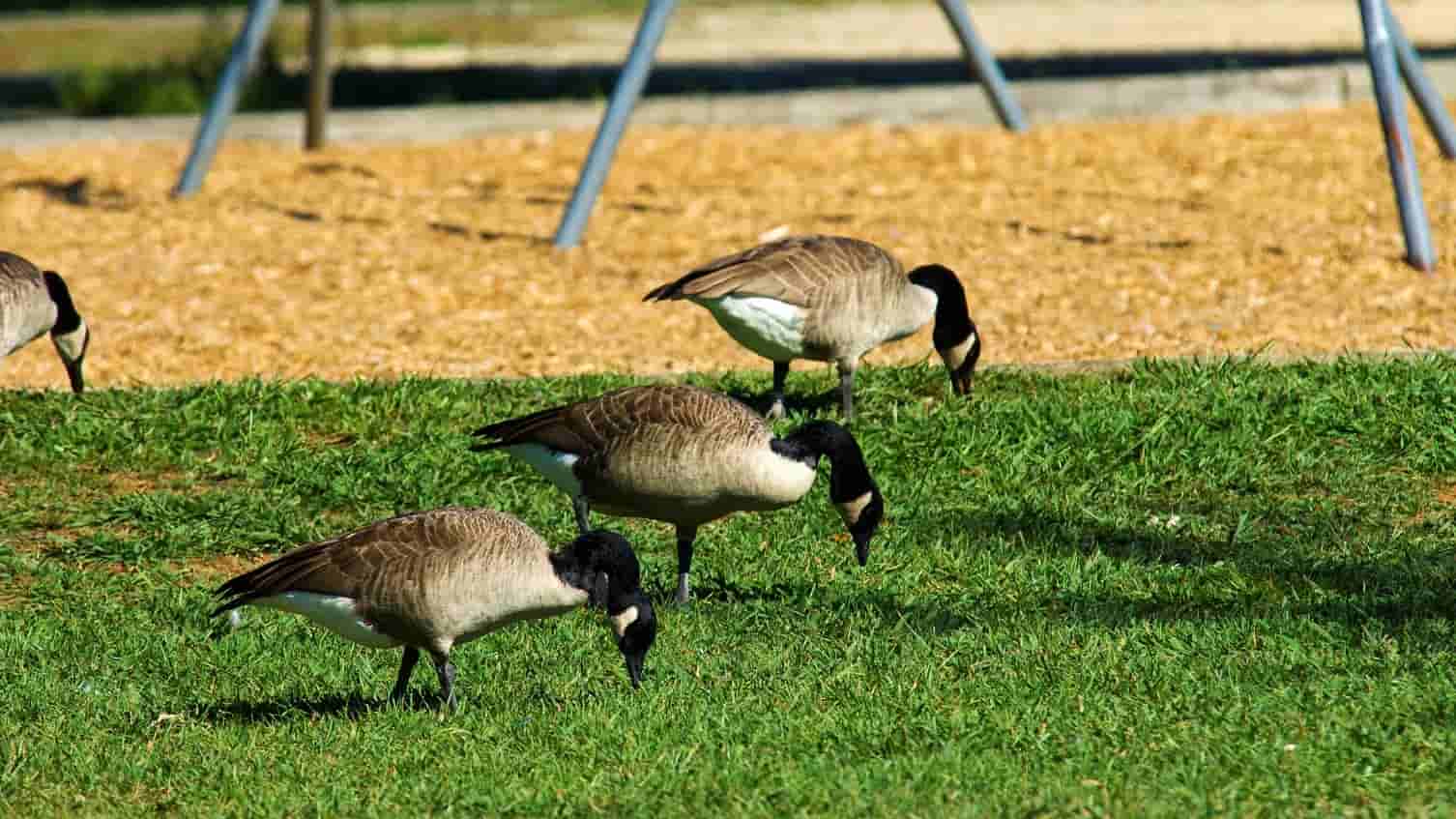
Image Source: cdn11.bigcommerce.com
How Do You Keep Geese Off Your Lawn: Effective Goose Management Techniques
Wondering how to keep geese off your lawn? The most effective methods involve a combination of deterrents, habitat modification, and exclusion strategies designed to make your property less appealing to these waterfowl, ultimately encouraging them to find more suitable nesting and feeding grounds elsewhere.
Geese can quickly turn a pristine lawn into a muddy, messy, and damaged eyesore. Their constant grazing, droppings, and tendency to form large flocks can be a significant nuisance for homeowners and property managers alike. Fortunately, you don’t have to resort to harmful practices. This comprehensive guide delves into effective goose management techniques, focusing on humane and practical solutions to prevent geese from taking over your grass. We’ll explore various goose deterrents, discuss how to stop geese from nesting, and provide actionable advice for successful goose proofing lawn efforts.
Why Are Geese Attracted to Lawns?
Before we dive into solutions, it’s important to understand why geese find our manicured lawns so appealing. These aquatic birds are primarily herbivores, and well-maintained grass provides them with an abundant, easily accessible food source. Short, tender blades of grass are a dietary staple for geese.
Beyond food, several factors contribute to their attraction:
- Water Proximity: Geese are waterfowl, meaning they need access to water bodies for safety, foraging, and preening. Properties with ponds, lakes, rivers, or even accessible drainage ditches nearby are prime real estate for geese.
- Open Spaces: Large, open grassy areas offer geese a clear view of their surroundings, allowing them to spot predators (like dogs or coyotes) from a distance. This sense of security encourages them to linger and graze.
- Nesting Opportunities: During breeding season (typically spring), geese look for safe, secluded spots to build nests and lay eggs. Islands, tall grass near water, or even quiet corners of a large yard can provide suitable nesting sites.
- Lack of Disturbance: Areas where geese feel undisturbed are more likely to become regular haunts. If they haven’t experienced negative encounters or consistent deterrents, they will feel safe and comfortable.
Humane Goose Control: A Multifaceted Approach
Effective goose management techniques focus on making your property uninviting and inaccessible to geese, rather than causing them harm. This humane approach ensures you can enjoy your lawn without the unwanted feathered visitors.
1. Habitat Modification: Making Your Lawn Less Appealing
The first step in any goose proofing lawn strategy is to alter the environment to discourage their presence. This involves removing or reducing the elements that attract them.
Reducing Food Availability
- Trim Grass Short: While geese love grass, keeping your lawn consistently mowed short makes it less palatable and harder for them to graze effectively.
- Remove Fallen Fruit: If you have fruit trees, clean up fallen fruit promptly, as this can also be a food source for geese.
- Avoid Feeding Geese: Never feed geese. This is the single most important habit to break if you want to manage them. Handouts reinforce the idea that your lawn is a safe and reliable food source.
- Manage Water Sources: If possible, limit easy access to nearby water bodies. Filling in shallow drainage ditches or creating steeper banks can make entry and exit more difficult for geese.
Altering Visual Appeal
- Create Visual Obstructions: Geese prefer open, unobstructed views. Planting shrubs, hedges, or decorative fencing along the waterfront or property edges can make the area feel less exposed and therefore less attractive.
- Introduce Varied Vegetation: While geese love manicured grass, they are less fond of taller, rougher grasses or certain types of ground cover. Consider planting native, taller grasses or low-growing, dense ground covers in areas where geese tend to congregate. This can make grazing more difficult and less appealing.
2. Goose Deterrents: Active Measures to Discourage Presence
Once you’ve modified the habitat, employing various goose deterrents can significantly reduce their activity on your lawn.
Visual Deterrents
- Predator Decoys: Life-sized decoys of natural predators, such as coyotes, foxes, or owls, can create a sense of danger. However, geese are intelligent birds and will quickly become accustomed to stationary decoys. It’s crucial to move these decoys regularly (every few days) to maintain their effectiveness.
- Holographic Tape and Reflective Objects: Shiny, reflective materials that move in the wind can startle geese. Holographic tape, old CDs hung on strings, or Mylar balloons can work initially, but again, their effectiveness wanes as geese habituate. Frequent repositioning is key.
- Scarecrows and Other Novel Objects: Similar to predator decoys, any unusual or moving object can deter geese for a short period. However, consistent placement without change will lead to habituation.
- Dedicated Goose Repellent Flags/Banners: Some products are designed with bright colors and reflective elements specifically to deter geese. Their effectiveness is often temporary and dependent on movement and novelty.
Auditory Deterrents
- Ultrasonic Devices: These devices emit high-frequency sounds that are inaudible to humans but are meant to annoy and deter geese. Their effectiveness varies greatly, and some studies suggest geese can habituate to them. Ensure they are positioned strategically to cover the desired area.
- Sound Emitters (Distress Calls): Devices that play recorded goose distress calls or predator sounds can be effective. The idea is to create an environment that signals danger. As with visual deterrents, regular rotation of sounds and timing is recommended. Be mindful of noise ordinances in your area and potential disturbance to neighbors.
Olfactory and Gustatory Deterrents (Lawn Goose Repellent)
These are substances applied to the grass that geese find unpalatable.
- Grape Seed Extract-Based Repellents: These are often considered among the most effective and humane lawn goose repellent options. When applied to grass, they create a taste and smell that geese dislike, discouraging them from grazing. They are generally safe for pets and children once dry and need to be reapplied after rain or mowing.
- Other Natural Repellents: Some gardeners experiment with strong scents like peppermint oil, cinnamon, or vinegar. While these might offer temporary relief, their effectiveness is often limited, and frequent reapplication is necessary. They are less reliable for large areas.
Canine Patrols
- Trained Border Collies or Other Herding Dogs: For larger properties, specially trained dogs are one of the most effective and humane goose control methods. These dogs are trained to herd geese without harming them, creating a sense of pursuit that drives them away. This requires regular visits from a professional service or dedicated training if you own such a dog.
3. Goose Exclusion: Physical Barriers
Physical barriers are a more permanent solution to prevent geese from accessing specific areas.
Goose Barriers
- Floating Lake Barriers: For properties with ponds or lakes, specialized floating barriers can be installed. These are typically made of tough, flexible netting or lines that create a visual and physical impediment, making it difficult for geese to access shorelines for grazing or nesting.
- Fencing: A sturdy fence around the perimeter of your property or specific garden areas can be an effective goose barrier. However, geese can fly, so fences need to be tall enough (at least 3-4 feet) and ideally extend slightly below ground level to deter them from digging or walking under. Fences near water may need additional considerations.
Netting
- Bird Netting: Bird netting can be draped over vulnerable plants or garden beds to prevent geese from feeding on them. Ensure the netting is secured properly and checked regularly for any entangled birds.
4. Preventing Geese from Nesting: Proactive Measures
Stopping geese from nesting on your property is a critical aspect of long-term goose management.
Site Selection and Deterrence During Nesting Season
- Early Detection: Walk your property regularly, especially during late winter and early spring, to look for signs of nesting behavior. Geese typically start building nests in February and March.
- Disrupt Nesting Attempts: If you find a nest with eggs, you can legally and humanely disrupt the nesting process before incubation begins. This involves moving the nest a short distance or, if safe and permissible, oiling the eggs. Oiling the eggs (using non-toxic mineral oil on the surface of the eggs) prevents them from hatching. Crucially, check local regulations regarding nest and egg disturbance, as these vary by location and species. Federal laws protect migratory birds, and it is illegal to harm geese or their nests without proper permits.
- Habitat Deterrence for Nesting Sites: Make potential nesting areas less attractive. This includes keeping shorelines clear of tall vegetation and ensuring that areas near water are regularly maintained.
Goose Proofing Lawn for Nests
- Deter Egg Laying: If you see geese exhibiting nesting behavior (e.g., a female goose is on the ground, acting territorial), you can try to gently encourage them to move to a different location before they lay eggs. This might involve making noise or introducing a dog (under supervision) to the area. The goal is to make the chosen spot seem unsafe.
Long-Term Goose Management Strategies
Sustainable goose management requires a consistent and integrated approach.
Implementing a Rotation of Deterrents
Geese are adaptable creatures. What works today might not work in a month. Therefore, it’s essential to rotate your goose deterrents.
- Vary Methods: Combine visual, auditory, and olfactory deterrents.
- Change Placement: Regularly move decoys and sound devices.
- Adjust Timing: If using sound devices, vary the times of day they are activated.
Working with Neighbors
If you live in a neighborhood with a shared goose problem, coordinating efforts with your neighbors can significantly improve results. A unified approach makes it harder for geese to find refuge.
Professional Goose Management Services
For severe or persistent problems, consider hiring a professional goose management service. These companies often employ trained dogs, specialized deterrents, and have a deep knowledge of goose behavior and local regulations. They can develop a tailored plan for your property.
Legal Considerations and Best Practices
It’s vital to be aware of the legal aspects of dealing with geese.
- Migratory Bird Treaty Act: In the United States, geese are protected under the Migratory Bird Treaty Act. This means it is generally illegal to harm, harass, kill, or disturb migratory birds, their nests, or eggs without appropriate federal permits. Always research and comply with federal, state, and local laws before implementing any control measures.
- Permits: For more aggressive control methods, such as population reduction or nest destruction, permits may be required from wildlife agencies.
- Humane Treatment: Prioritize humane goose control methods. The goal is to encourage geese to relocate, not to cause them suffering.
What to Do If Geese Are Already on Your Lawn
If geese have already established a presence, don’t despair. Here’s how to approach the situation:
- Assess the Situation: How many geese? Are they adults or goslings? Are they actively nesting?
- Implement Habitat Modifications Immediately: Start by reducing food sources and making the area less appealing.
- Introduce Deterrents: Begin with visual and auditory deterrents, moving them frequently.
- Consider Barriers: If geese are repeatedly returning, physical barriers become a more critical consideration.
- Prevent Nesting: If it’s nesting season, actively monitor and address potential nesting sites according to legal and humane guidelines.
- Persistence is Key: Goose management is rarely a one-time fix. It requires ongoing effort and adaptation.
Common Questions About Goose Management
Q: Can I use goose repellent sprays on my lawn?
A: Yes, there are several effective goose repellent sprays available, often based on grape seed extract. These are applied to the grass and make it unpalatable to geese. Reapplication is usually necessary after rain or mowing.
Q: How do I stop geese from nesting?
A: To stop geese from nesting, you need to make potential nesting sites unattractive. Keep areas near water bodies clear of tall grass and debris. Early in the nesting season, you can legally and humanely disrupt nesting attempts by moving nests or oiling eggs, but always check local regulations first.
Q: Are ultrasonic goose deterrents effective?
A: The effectiveness of ultrasonic goose deterrents can be mixed. While some people report success, geese can sometimes habituate to the sounds. They are often more effective when used in conjunction with other methods and rotated regularly.
Q: What is the best humane goose control method?
A: The best humane goose control method is often a combination of approaches. Habitat modification (making your lawn less attractive), regular use of varied and moved deterrents (visual, auditory), and physical exclusion barriers are highly effective when used together. Trained dogs are also a very humane and effective solution.
Q: How can I prevent geese on grass without harming them?
A: Preventing geese on grass without harming them involves making your lawn an undesirable location. This means reducing food availability, using scare tactics (deterrents), and creating physical barriers. The goal is to encourage them to move to a more suitable habitat.
Q: What are effective goose proofing lawn techniques?
A: Effective goose proofing lawn techniques include consistent mowing, removing attractants like fallen fruit, planting less palatable ground cover, installing visual and auditory deterrents, and using physical barriers like fencing or netting.
Q: What are some natural goose removal options?
A: Natural goose removal options include habitat modification, using natural scents (though their effectiveness is limited), employing predator decoys (moved frequently), and utilizing trained herding dogs. Grape seed extract-based repellents are also considered natural.
Q: What are some good goose deterrents?
A: Good goose deterrents include predator decoys (like coyote or owl figures), reflective tape, scare balloons, ultrasonic devices, sound emitters playing distress calls, and commercially available goose repellent sprays. The key to their effectiveness is often rotation and movement.
By understanding goose behavior and implementing a consistent, humane strategy, you can successfully manage geese on your lawn and restore its natural beauty. Remember to prioritize legal and ethical methods that prioritize the well-being of these wild animals.