
Yes, you can effectively kill clover in your lawn using a combination of methods. The best approach depends on your preference for organic weed control or chemical clover treatment, and the severity of the clover infestation. This comprehensive guide will walk you through safe and effective strategies to get rid of clover, ensuring a healthy and beautiful lawn.
Clover, with its distinctive three-leaflets (though some varieties have four, leading to the “lucky charm” myth), is a common sight in many lawns. While it can add a touch of green, it often crowds out desirable grass species, creating an uneven texture and color. Its nitrogen-fixing abilities, while beneficial in some agricultural contexts, can lead to uneven growth patterns in a residential lawn. Many homeowners are on a quest for effective clover removal. This article explores the most effective and safest methods for clover killer applications and overall lawn weed control.
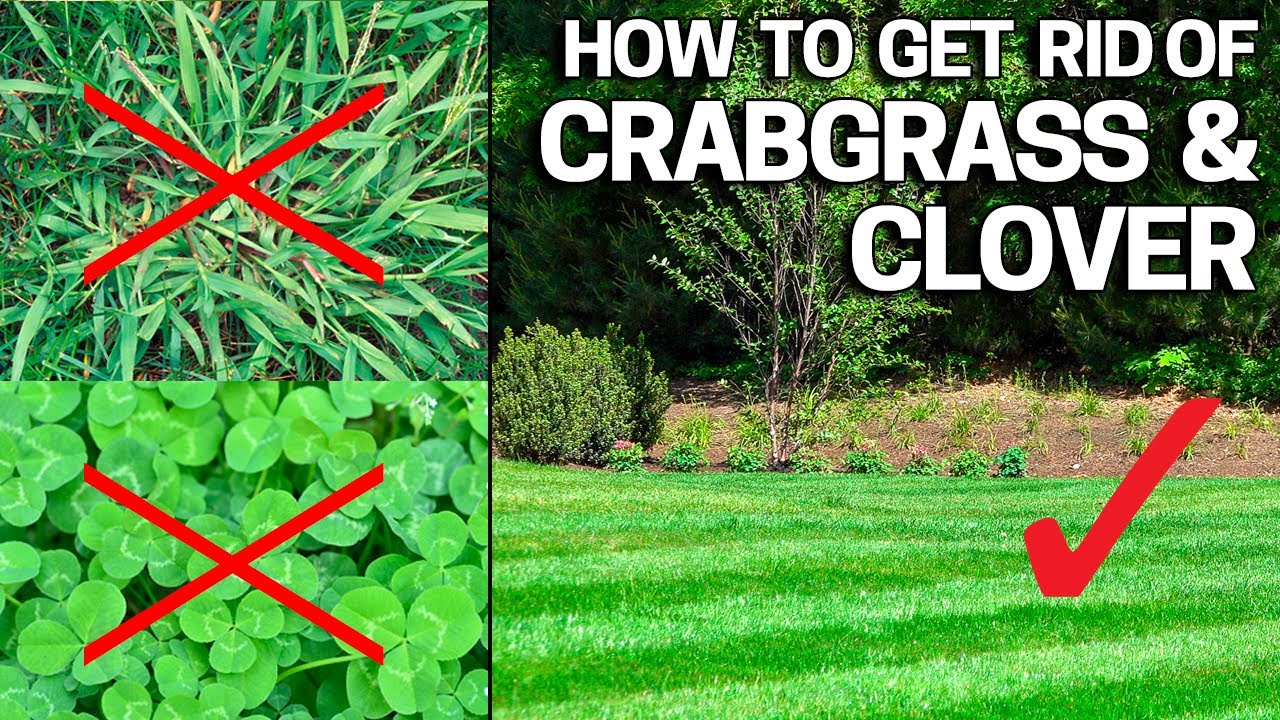
Image Source: i.ytimg.com
Why Clover Takes Over
Before we delve into how to get rid of clover, it’s helpful to understand why it thrives. Clover, particularly White Clover (Trifolium repens), is a hardy perennial. It enjoys compacted soil, low mowing heights, and lawns that are not adequately fertilized. When grass is stressed, clover can easily establish itself and spread.
Factors Favoring Clover Growth:
- Soil Compaction: Dense, compacted soil makes it hard for grass roots to grow deeply, giving clover an advantage.
- Low Mowing Height: Mowing too short weakens grass and exposes the soil, allowing clover seeds to germinate.
- Nutrient Deficiency: Lawns lacking essential nutrients, especially nitrogen, are more susceptible to weed invasion.
- Drought Stress: Weakened grass during dry periods is an open invitation for clover.
- Poor Drainage: Waterlogged soil can also stress grass, benefiting clover.
Safe and Effective Clover Removal Methods
There are several ways to tackle clover. You can opt for manual clover removal, natural solutions, or targeted chemical clover treatment.
H3: Manual Clover Removal: The Hands-On Approach
For smaller infestations, manual clover removal is a viable and safe option. This involves physically pulling out the clover plants.
H4: Tools for Manual Removal
- Weeding Fork or Dandelion Killer Tool: These tools are designed to get under the roots of weeds, making them easier to pull.
- Gloves: Protect your hands.
- Bucket or Bag: To collect the removed clover.
H4: Best Practices for Manual Removal
- Timing is Key: Pull clover when the soil is moist. This makes it easier to remove the entire root system, preventing regrowth. After a rain or watering is ideal.
- Get the Roots: Ensure you pull out the entire taproot. If parts of the root remain, the clover can regenerate.
- Dispose Properly: Don’t leave pulled clover in the lawn, as it can re-root or go to seed. Dispose of it in a compost bin or trash bag.
- Follow-Up: Regularly check the area for any new clover growth and remove it promptly.
Pros of Manual Removal:
- Completely safe for surrounding grass.
- No chemicals involved, making it an excellent choice for organic weed control.
- Immediate visual improvement in the targeted area.
Cons of Manual Removal:
- Time-consuming, especially for larger lawns.
- May not be effective for deeply established or widespread clover.
- Can be physically demanding.
H3: Natural and Organic Weed Control for Clover
For those seeking organic weed control methods, several natural approaches can help manage clover.
H4: Improving Lawn Health: The Foundation of Organic Weed Control
The most sustainable way to combat clover is to create a lawn that grass prefers over weeds. This involves:
- Aeration: Relieve soil compaction to allow grass roots to grow deeper.
- Overseeding: Fill in bare spots with grass seed to outcompete clover.
- Proper Fertilization: Feed your lawn with nitrogen-rich fertilizers to promote dense grass growth.
- Mowing Height: Mow your lawn at the higher recommended height for your grass type (usually 3-4 inches). This shades the soil, discouraging weed germination.
H4: Boiling Water: A Direct, Natural Approach
Boiling water can kill clover on contact. However, it will also kill any grass it touches.
- Application: Carefully pour boiling water directly onto the clover patches.
- Caution: This method is best for isolated clover plants in cracks in pavement or between stepping stones, or if you are willing to reseed the affected grass areas.
H4: Vinegar Solutions: A Homemade Clover Killer
Vinegar, particularly horticultural vinegar (which has a higher acidity), can act as a natural herbicide.
- Ingredients:
- 1 gallon white vinegar (5% acetic acid)
- 1 tablespoon dish soap (acts as a surfactant to help the vinegar cling to leaves)
- Optional: 1 tablespoon salt (enhances effectiveness but can harm soil long-term)
- Mixing: Combine ingredients in a spray bottle or garden sprayer.
- Application: Spray directly onto clover leaves on a sunny, warm day. Avoid spraying on windy days to prevent drift onto desired plants.
- Caution: Vinegar is a non-selective herbicide, meaning it will kill any plant it contacts, including grass. It can also lower the soil’s pH. Use sparingly and spot-treat.
H4: Corn Gluten Meal: A Pre-Emergent Approach
Corn gluten meal is a natural pre-emergent herbicide. It inhibits root formation in germinating seeds.
- Application: Apply in early spring, before clover seeds have a chance to germinate.
- Effectiveness: It’s most effective against annual weeds but can have some effect on perennial weeds by weakening them. It also acts as a nitrogen fertilizer.
- Timing: Apply when soil temperatures are consistently between 55-65°F (13-18°C) for about 2-4 weeks.
Pros of Natural Methods:
- Environmentally friendly and safe for pets and children once dry.
- Supports a healthy ecosystem.
- Often cost-effective.
Cons of Natural Methods:
- May require multiple applications.
- Can be less effective on established, widespread clover infestations compared to chemical treatments.
- Some methods (like boiling water or vinegar) can harm grass if not applied carefully.
H3: Chemical Clover Treatment: Targeted Solutions
When natural methods aren’t enough, chemical clover treatment can be an effective clover killer. The key is to use products specifically designed for broadleaf weed killer and to apply them correctly to minimize harm to your lawn.
H4: Understanding Herbicides for Clover
Herbicides are classified as selective or non-selective. For clover removal in a lawn, you need a selective broadleaf weed killer. These products target broadleaf plants (like clover, dandelions, and plantain) while leaving grasses unharmed.
H4: Common Active Ingredients in Broadleaf Weed Killers
- 2,4-D: A common selective herbicide that effectively controls many broadleaf weeds.
- Mecoprop (MCPP): Often found in combination with 2,4-D, it targets a range of broadleaf weeds.
- Dicamba: Another effective broadleaf weed killer that works systemically.
- Trimec: A popular combination of 2,4-D, MCPP, and Dicamba, offering broad-spectrum control of broadleaf weeds.
- Quinclorac: Effective on a variety of weeds, including crabgrass and some broadleaf weeds.
- Dithiopyr: Primarily a pre-emergent herbicide that also controls some existing weeds.
H4: How to Safely Apply Chemical Clover Treatment
- Read the Label: This is the most crucial step. Always read and follow the product label instructions carefully. The label will specify what weeds it controls, what types of grass it’s safe for, application rates, and safety precautions.
- Choose the Right Time:
- Temperature: Apply when temperatures are between 65-85°F (18-29°C). Avoid applying in extreme heat, as this can damage your lawn or cause the herbicide to volatilize and drift.
- Wind: Do not apply on windy days. Wind can carry the spray onto desirable plants, sidewalks, or driveways, potentially causing damage or unwanted runoff.
- Rain: Do not apply if rain is expected within 24-48 hours, as rain can wash the herbicide away before it has a chance to work.
- Application Methods:
- Granular: Apply with a spreader for even coverage.
- Liquid: Use a sprayer. Ensure it’s calibrated correctly to apply the specified rate. Spot spraying is often best for localized clover patches.
- Spot Treatment: For targeted clover removal, spot spraying is highly recommended. This minimizes the amount of chemical used and reduces the risk of harming surrounding grass.
- After Application:
- Watering: Follow label instructions regarding watering the lawn after application. Some products require watering to activate, while others are best left on the leaves.
- Mowing: Avoid mowing for a few days before and after application to allow the herbicide to be absorbed by the weed.
- Pets and Children: Keep pets and children off the treated lawn until the spray has dried completely and the product is no longer visible on the grass blades.
H4: Combination Products for Comprehensive Lawn Care
Some products are designed for more than just clover killer. You might find “weed and feed” products that fertilize your lawn while also controlling weeds like clover and dandelion killer.
- Pros of Combination Products:
- Convenient, as they combine two lawn care tasks.
- Can help improve overall lawn health.
- Cons of Combination Products:
- You may not need the fertilizer, or you may need a different type of fertilizer.
- Application timing for fertilizer and weed control might not always align perfectly.
Table: Comparing Clover Removal Methods
| Method | Effectiveness on Clover | Safety for Grass | Environmental Impact | Effort Required | Cost | Best For |
|---|---|---|---|---|---|---|
| Manual Removal | Moderate (small patches) | Very High | Very Low | High | Low | Small, isolated clover patches; organic lawns |
| Boiling Water | High (on contact) | Low (kills grass) | Low | Low | Very Low | Clover in cracks, between pavers; areas you plan to reseed |
| Vinegar Solution | Moderate to High | Low (kills grass) | Low to Moderate | Moderate | Low | Spot treatment of clover; organic lawns; areas you can avoid spraying grass |
| Corn Gluten Meal | Low (pre-emergent) | Very High | Very Low | Moderate | Medium | Prevention of new clover growth; organic lawns; early spring application |
| Selective Herbicide | High to Very High | High (if used correctly) | Moderate | Moderate | Medium | Widespread clover infestations; established lawns; when other methods fail |
Preventing Clover in the Future
Once you’ve successfully managed clover, the key to long-term lawn care is preventing its return.
H3: Building a Strong Lawn
A dense, healthy lawn is the best defense against clover and other weeds.
- Proper Watering: Water deeply and less frequently. This encourages deep root growth, making grass more resilient.
- Correct Mowing: Maintain the recommended mowing height for your grass type.
- Regular Fertilization: A soil test can help determine specific nutrient needs. Apply fertilizer according to the test results and season.
- Overseeding: Periodically overseed thin areas of your lawn to maintain density.
H3: Soil Management
Addressing underlying soil issues can prevent clover from establishing in the first place.
- Aeration: Regularly aerate compacted soil.
- Soil Testing: Conduct a soil test every few years to check pH and nutrient levels. Adjust as needed. Clover often thrives in slightly acidic soil.
H3: Addressing Mowing Practices
Mowing too low is one of the most common reasons clover thrives. Grass needs its blades to capture sunlight for photosynthesis. When you cut too much off, you stress the grass, making it vulnerable. Aim to remove no more than one-third of the grass blade length at each mowing. This typically means mowing at 3 to 4 inches for most cool-season grasses.
Frequently Asked Questions About Clover Removal
Q1: Can I use a dandelion killer to kill clover?
A1: Many products that kill dandelions are also effective broadleaf weed killers and can control clover. Look for products with active ingredients like 2,4-D, MCPP, or Dicamba. Always check the product label to ensure it lists clover as a target weed.
Q2: Is it safe to apply clover killer when my dog is in the yard?
A2: It is not safe to have pets in the yard during application and until the treated area is completely dry. Once the liquid spray has dried on the grass blades, or granular products have been watered in, most herbicides are considered safe for pets to re-enter the area. Always check the product label for specific re-entry instructions.
Q3: How do I get rid of clover naturally without harming my grass?
A3: The most effective natural method is to improve your lawn’s health to outcompete the clover. This includes proper mowing height, regular fertilization, and aeration. Manual removal of small patches is also a safe and effective natural method. Avoid using vinegar or boiling water directly on your grass, as these will kill it too.
Q4: When is the best time of year to kill clover?
A4: The best time to apply most herbicides for clover is when the clover is actively growing and temperatures are mild (65-85°F or 18-29°C). This is typically late spring or early fall for most regions. For natural methods like corn gluten meal, apply it in early spring before the clover germinates.
Q5: Why does clover keep coming back?
A5: Clover often returns because the underlying conditions that allowed it to thrive in the first place have not been corrected. This could be compacted soil, low mowing heights, or a weak grass stand. Focusing on improving your lawn’s overall health and density is crucial for long-term clover control.
Conclusion
Getting rid of clover in your lawn is achievable with the right approach. Whether you choose the satisfying physical labor of manual clover removal, the eco-friendly path of organic weed control, or the targeted power of a chemical clover treatment, consistency and a healthy lawn are your greatest allies. By understanding the factors that promote clover growth and applying these methods diligently, you can enjoy a lush, weed-free lawn. Remember, a well-maintained lawn is the best defense against unwanted invaders, making your lawn care efforts more effective and rewarding.