
Wondering how to play lawn darts? It’s a classic backyard game that’s easy to learn and provides hours of fun for the whole family. The main goal is to toss your lawn darts into or near a target hoop, aiming to score points.
Lawn darts, often fondly remembered as classic lawn darts, have a unique appeal. They combine the skill of throwing with the simple joy of being outdoors. This guide will walk you through everything you need to know, from the basic rules and lawn dart setup to scoring, safety, and even a few tips on lawn dart strategy.
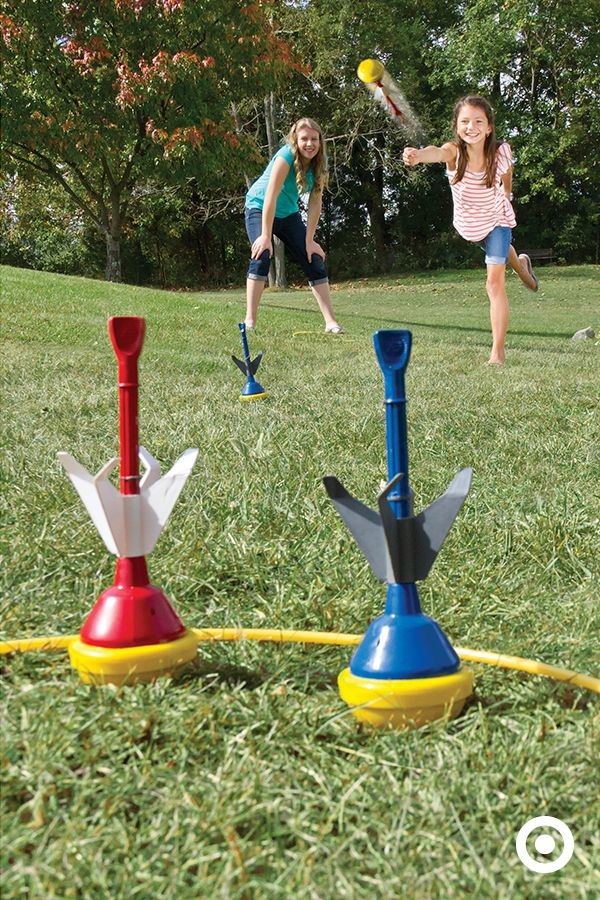
Image Source: hbhspe.weebly.com
The Appeal of Lawn Darts
In a world filled with complex video games and intricate board games, there’s a refreshing simplicity to backyard dart games like lawn darts. It’s a game that appeals to all ages, encouraging friendly competition and active participation. Whether you’re hosting a barbecue, enjoying a lazy summer afternoon, or looking for a new way to entertain the kids, lawn darts are a fantastic choice. The satisfying thud of a dart landing in the grass, the cheers of victory, and the gentle rhythm of play create lasting memories.
Why Lawn Darts Endure
- Simple to Learn: The basic rules are easy to grasp, making it accessible for beginners.
- Engaging for All Ages: From young children to grandparents, everyone can join in the fun.
- Outdoor Activity: It gets people outside, enjoying fresh air and sunshine.
- Skill-Based: While simple, there’s room for improving your aim and technique.
- Nostalgic Charm: For many, it’s a trip down memory lane, reliving childhood fun.
Getting Started: Lawn Dart Setup
Before you can dive into the fun, a proper lawn dart setup is essential. This ensures fair play and a safe environment.
What You’ll Need
- Lawn Darts: Typically come in sets of four (two of each color). Modern versions often have weighted, blunt tips for safety.
- Target Hoops (or Rings): These are circular targets that define the scoring areas. You’ll usually get two, one for each player or team.
- A Flat, Open Playing Area: A lawn is ideal, but any flat, open space will do. Ensure there are no obstructions or hazards.
Preparing Your Playing Area
- Choose Your Spot: Find a grassy area that’s large enough for a good throwing distance.
- Measure the Distance: The standard throwing distance for lawn darts is 12-15 feet (approximately 3.7-4.6 meters) between the target hoops. You can adjust this slightly depending on the age and skill of the players, but keeping it consistent is key for fair play.
- Place the Target Hoops: Set up the two target hoops on opposite ends of your chosen playing area, at your measured distance. Ensure they lie flat on the ground.
The Basic Rules of Lawn Darts
The core of how do you play lawn darts lies in understanding the throwing and scoring mechanics. It’s a game of precision and strategy.
Objective of the Game
The main goal is to land your darts as close as possible to the target hoops, or ideally, inside them, to score points. The first player or team to reach a predetermined score, usually 21 points, wins the game.
How to Throw Lawn Darts
- Stance: Stand behind the target hoop you’re throwing from. Adopt a comfortable stance, facing the opposite hoop.
- Grip: Hold the dart firmly but not too tightly. Most players grip the shaft of the dart.
- The Throw: Swing your arm back and then forward, releasing the dart towards the target hoop. Aim for a smooth, controlled motion. How to throw lawn darts effectively involves practicing different swings and releases to find what works best for you.
- Throwing Order: Players take turns throwing their darts. If playing in teams, players on the same team will alternate throws.
Gameplay Progression
- Starting the Game: A coin toss or a simple agreement can decide who throws first.
- Throwing Turns: Players throw one dart at a time. After all four darts have been thrown (two per player/team), the scoring is calculated, and the next round begins from the opposite end.
- Winning the Game: The first player or team to reach exactly 21 points wins. If a player scores more than 21 points, they “bust” and their score for that round is void, meaning they don’t score any points for that turn.
Lawn Dart Scoring Explained
Scoring in lawn darts is straightforward but crucial for winning. Points are awarded based on where the darts land in relation to the target hoops.
Scoring Zones
- Inside the Hoop (Bullseye): If a dart lands entirely within the target hoop, it scores 3 points.
- Touching the Hoop: If a dart lands and is touching the target hoop, it also scores 3 points.
- Outside the Hoop, but Touching: If a dart lands outside the hoop but is touching it, it scores 1 point.
- No Hoop Contact: If a dart lands without touching the hoop at all, it scores 0 points.
Calculating Scores in a Round
After all four darts are thrown in a round:
- Identify Closest Dart: Determine which player or team has the dart closest to the target hoop (even if it’s not touching).
- Scoring for the Closest: Only the player/team with the closest dart scores points. If one player/team lands darts in the hoop and the other doesn’t land any, the player/team with the darts in the hoop scores.
- Point Calculation: If player A has the closest dart, and it’s inside the hoop (3 points), and player B has no darts near the hoop, player A scores 3 points for that round.
- Multiple Darts: If Player A has two darts inside the hoop and Player B has one dart touching the hoop, and Player A’s darts are closer, Player A scores the points for both their darts (3 + 3 = 6 points for the round). If Player A’s closest dart is inside (3 points) and Player B’s closest dart is touching the hoop (1 point), and Player A’s dart is indeed closer, Player A scores 3 points.
- Simultaneous Scores: If both players/teams have darts at the same distance from the hoop, and those are the closest darts, then neither player scores for that round. The next closest dart (if any) determines the scoring.
Example Scoring Scenario
Let’s say Player Red throws two darts, and Player Blue throws two darts.
- Player Red Dart 1: Lands inside the hoop (3 points).
- Player Red Dart 2: Lands just outside the hoop, touching it (1 point).
- Player Blue Dart 1: Lands a foot away from the hoop (0 points).
- Player Blue Dart 2: Lands two feet away from the hoop (0 points).
In this scenario, Player Red’s first dart is closest to the hoop. Player Red scores 3 points for that dart. Player Blue scores 0 points because their closest dart is not the closest overall. Player Red’s second dart, while scoring 1 point if it were the closest, doesn’t add to the score because it wasn’t the closest dart to the hoop.
Final Score for the Round: Player Red scores 3 points.
Lawn Dart Strategy: Tips for Success
While luck plays a part, a good lawn dart strategy can significantly improve your chances of winning.
Key Strategic Elements
- Aiming for the Hoop: Obviously, landing darts inside or touching the hoop is the primary goal.
- Blocking Opponents: A smart strategy involves not just scoring yourself, but also preventing your opponents from scoring. If you can land your dart in a position that blocks their best throwing line or makes it difficult for them to get close, do it.
- Controlling the Play: If you’re ahead, focus on consistent scoring. If you’re behind, you might need to take more risks.
- Understanding Wind Conditions: If there’s a breeze, factor it into your aim. You might need to throw slightly higher or into the wind.
- Dart Placement: Sometimes, the best strategy isn’t to aim for the hoop directly, but to land your dart in a position that makes it the closest to the hoop, thereby earning you points and potentially denying your opponent points.
Advanced Tactics
- The “Bobble” or “Roll”: Some players develop a technique where the dart lands and “bobs” or rolls slightly, potentially nudging it closer to the hoop or into a better scoring position. This requires a lot of practice.
- Prioritizing Darts: If you have the first throw of a round and land a bullseye, your next dart should focus on blocking or, if the opportunity is good, scoring another high-value point. If your first dart misses badly, your second dart might need to focus on simply getting close to the hoop to earn a point.
Lawn Dart Safety: A Paramount Concern
Lawn dart safety is extremely important, especially given the game’s history. Older versions of lawn darts had sharp metal tips and were banned in many places due to serious injuries. Modern sets are designed with safety as a top priority.
Modern Lawn Dart Safety Features
- Blunt Tips: Today’s lawn darts have rubber or plastic, blunt tips that cannot penetrate skin.
- Weighted Heads: The weight is distributed in a rounded, blunt head, ensuring they land and stay put without sharp points.
- Soft Landing: They are designed to land safely on grass or other soft surfaces.
Playing Safely: Essential Guidelines
- Always Use Modern, Safe Darts: Never use old, sharp-tipped lawn darts.
- Supervise Children: Always ensure an adult supervises play, especially with younger children.
- Clear the Playing Area: Make sure the area is free of people, pets, and fragile objects before throwing.
- Maintain a Safe Distance: Players should stand behind the target hoop they are throwing from. Spectators should also stay clear of the throwing lines and landing zones.
- Do Not Throw at People or Animals: This is obvious, but worth reinforcing.
- Check Darts for Damage: Before playing, ensure the darts are in good condition. A broken dart could potentially expose sharp edges.
- Adapt for Different Surfaces: If playing on a surface other than grass, ensure it’s still safe. Avoid hard surfaces like concrete, as this could damage the darts or create unexpected bounces.
Variations and Lawn Dart Rules for Different Situations
While the basic rules are consistent, you can adapt lawn dart rules for different groups or to add variety to your outdoor dart games.
Team Play
- Two Teams of Two: Players on each team stand at opposite ends. Player 1 from Team A throws, then Player 1 from Team B, then Player 2 from Team A, then Player 2 from Team B. The scoring is then calculated, and the next round starts with the other team throwing first.
Handicap System
- Skill Balancing: If you have players of vastly different skill levels, you can implement a handicap. For example, a less experienced player might start with a few points already on the board, or a more experienced player might need to reach a higher score to win.
Long-Distance Play
- Increased Challenge: For experienced players, increasing the throwing distance can make the game more challenging and engaging. Ensure the playing area is large enough to accommodate this safely.
Frequently Asked Questions about Lawn Darts
Here are some common questions people have about playing lawn darts:
Q1: What are the dimensions of a standard lawn dart target hoop?
A: While there isn’t one universally standardized size, most modern lawn dart target hoops are approximately 12-18 inches (30-45 cm) in diameter. The key is consistency for your game.
Q2: Can I play lawn darts on any surface?
A: Lawn darts are best played on grass, which provides a soft landing. You can play on other soft surfaces like sand or dirt, but avoid hard surfaces like concrete or asphalt, as this can damage the darts and make scoring unpredictable.
Q3: What is the recommended throwing distance for lawn darts?
A: The typical throwing distance is between 12 to 15 feet (3.7 to 4.6 meters) between the two target hoops. You can adjust this based on the age and skill of the players.
Q4: How many players can play lawn darts?
A: Lawn darts can be played by two players (singles) or four players (doubles, two teams of two).
Q5: My lawn darts don’t have hoops. What can I use instead?
A: If your set didn’t come with hoops, you can use almost any circular marker. Examples include hula hoops, large plastic rings, or even chalk circles drawn on a suitable surface. The key is to have a defined target area.
Conclusion: Endless Outdoor Fun Awaits
How do you play lawn darts? With a clear understanding of the setup, rules, scoring, and a commitment to safety, you’re all set for hours of enjoyment. This garden dart instructions guide has provided the foundation for many memorable afternoons in the yard. Whether you’re aiming for a bullseye or strategically blocking your opponent, the simple yet engaging nature of lawn darts makes it a timeless backyard dart game that brings people together. So gather your family and friends, set up your game, and get ready for some fantastic outdoor dart games! Remember, safety first, and have fun!