
Can you get rid of clover in your lawn naturally? Yes, you absolutely can! Many effective, eco-friendly methods exist for eliminating clover without resorting to harsh chemicals. Whether you’re dealing with a few scattered patches or a full-blown clover infestation, these natural clover removal techniques will help you achieve a healthier, more vibrant lawn.
Clover, particularly white clover in lawn areas, is often a sign of soil that’s low in nitrogen. While it’s a nitrogen-fixer itself, meaning it pulls nitrogen from the air and converts it into a form usable by plants (including itself!), this doesn’t always benefit your desired turfgrass. Clover’s low-growing habit and dense root system can outcompete grass for resources, leading to bare patches and an uneven appearance. Furthermore, its shallow root structure means it doesn’t contribute much to drought resistance or soil aeration compared to deep-rooted grasses.
This guide will delve into various natural strategies for clover removal, focusing on prevention, manual methods, and soil improvement. We’ll cover everything from understanding why clover thrives to implementing specific lawn care clover strategies that promote healthy grass and discourage weeds. Let’s get your lawn back to its beautiful best, the natural way.
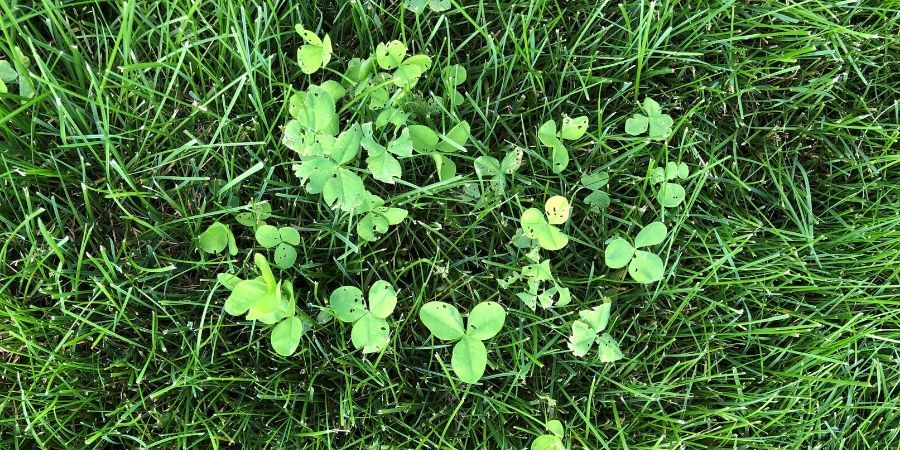
Image Source: www.milorganite.com
Why Clover Invades Your Lawn
Before we tackle how to kill clover, it’s helpful to know why it’s there in the first place. Clover, especially white clover in lawn patches, thrives in conditions that often make grass struggle.
Soil Conditions Favoring Clover
- Low Nitrogen Levels: This is the most common reason. Grass needs nitrogen to stay green and grow strong. When nitrogen is deficient, clover, with its ability to fix nitrogen from the air, gets a competitive advantage. It essentially creates its own food source when others can’t.
- Compacted Soil: Dense, compacted soil restricts air and water penetration, making it difficult for grass roots to grow deep and access nutrients. Clover, with its shallower root system, can tolerate these conditions more readily.
- Poor Drainage: Waterlogged soil can also stress grass, making it susceptible to disease and weaker growth. Clover can often handle slightly wetter conditions than some turfgrass varieties.
- Mowing Too Short: Mowing your lawn too low scalps the grass, removing too much of its blade. This weakens the grass and exposes the soil surface, giving opportunistic weeds like clover a chance to take root and spread.
- pH Imbalance: While grass prefers a slightly acidic to neutral pH (around 6.0-7.0), clover can tolerate a wider range, including slightly alkaline conditions. If your soil pH is significantly off, it might favor clover over grass.
Understanding Clover’s Growth Habits
Clover is a perennial plant, meaning it lives for more than two years. It spreads primarily through its creeping stems, called stolons. These stolons root at nodes along their length, allowing the plant to quickly cover an area. This is why even pulling out a single clover plant can leave behind roots that quickly regrow. Its small white flowers attract pollinators, and the seeds produced can also contribute to its spread.
Natural Strategies for Clover Removal
Now that we know why clover likes our lawns, let’s explore how to get rid of it using organic clover control and other natural methods. These approaches focus on creating a healthy lawn that naturally outcompetes weeds.
Manual Clover Removal
For small patches or a mild clover infestation, manual removal is a highly effective and satisfying natural clover removal technique.
Tools for the Job
- Dandelion Weeder or Fishtail Weeder: These tools have a forked end perfect for getting under the root ball of clover plants and levering them out of the ground.
- Garden Trowel: A small trowel can also be used to loosen the soil around the clover and lift the entire plant, roots and all.
- Gloves: Protect your hands, especially if you have sensitive skin.
The Process
- Timing is Key: It’s easiest to pull clover when the soil is moist. After a rain or watering, the ground will be softer, making root removal more complete.
- Loosen the Soil: Gently work the weeder or trowel around the base of the clover plant. Aim to get as much of the root system as possible.
- Pull Carefully: Grip the plant firmly at its base and pull steadily upwards. Avoid yanking, which can break off the roots and leave them in the ground to regrow.
- Dispose Properly: Bag the removed clover and dispose of it in your compost bin (if it hasn’t gone to seed) or trash. This prevents seeds from spreading or roots from re-rooting.
- Fill and Seed: After removing the clover, you’ll likely have a small bare spot. Fill this with a good quality topsoil and reseed with your preferred grass type. Keep the area consistently moist until the new grass is established.
Pros of Manual Removal:
* Completely chemical-free.
* Targets specific weeds, minimizing damage to surrounding grass.
* Immediate results for visible patches.
* A good workout!
Cons of Manual Removal:
* Labor-intensive, especially for large infestations.
* May miss small roots, leading to regrowth.
Improving Lawn Health for Clover Control
The most sustainable way to deal with clover is to create an environment where grass thrives and clover struggles. This is the core of effective lawn care clover management.
Aeration
Aeration involves creating small holes in the soil. This is crucial for eliminating clover by improving soil health.
- Why Aerate? It relieves soil compaction, allowing air, water, and nutrients to reach grass roots more effectively. This encourages deeper root growth, making your grass stronger and more resilient. It also helps with water drainage, which can deter clover.
- When to Aerate: The best times are during the active growing seasons for your grass type: spring or fall for cool-season grasses (like fescue and bluegrass), and late spring or early summer for warm-season grasses (like Bermuda and Zoysia).
- How to Aerate: You can rent a core aerator (which pulls out plugs of soil) or use spike aerators. Core aeration is generally more effective.
Dethatching
Thatch is a layer of dead and living grass stems, roots, and debris that builds up between the green grass blades and the soil surface. A thin layer is beneficial, but excessive thatch can choke out grass.
- Why Dethatch? A thick thatch layer (more than ½ inch) prevents water, air, and nutrients from reaching the soil, creating an ideal environment for clover. Removing it allows your grass to breathe and thrive.
- When to Dethatch: Similar to aeration, dethatch during your grass’s active growing season.
- How to Dethatch: You can use a rake with stiff tines or rent a power dethatcher. After dethatching, you may need to rake up the debris and dispose of it.
Proper Fertilization
A well-fed lawn is a strong lawn, capable of outcompeting weeds.
- Focus on Nitrogen: Since clover thrives in low-nitrogen conditions, supplementing your lawn with nitrogen will give your grass the edge.
- Organic Fertilizers: Consider using slow-release organic fertilizers. These feed the soil microbes and provide nutrients gradually, promoting steady grass growth without the sudden surge that can encourage weed seeds to germinate. Examples include compost, fish emulsion, and alfalfa meal.
- Soil Testing: The best way to know what your lawn needs is to get a soil test. This will reveal nutrient deficiencies and pH levels, guiding your fertilization strategy. You can get test kits from your local cooperative extension office.
Overseeding
Overseeding is the process of sowing grass seed directly onto an existing lawn.
- Why Overseed? This thickens your lawn, reducing the open spaces where clover can establish. Denser turf is the best defense against any weed.
- When to Overseed: Fall is generally the best time to overseed cool-season grasses, as they benefit from the cooler temperatures and moisture.
- How to Overseed: Mow your lawn slightly shorter than usual. Aerate your lawn beforehand to ensure good seed-to-soil contact. Spread the grass seed evenly, and then lightly rake it in. Water regularly until the new grass is established.
Correct Mowing Height
- Mow High: Set your mower to the highest recommended setting for your grass type. Taller grass shades the soil, keeping it cooler and moister, which discourages clover germination and growth. It also allows the grass blades to capture more sunlight for photosynthesis, promoting stronger growth. For most cool-season grasses, this is around 2.5 to 3.5 inches.
Natural Weed Killers for Clover
While many natural methods focus on prevention and health, some direct treatments can be used for how to kill clover when it becomes a nuisance.
Vinegar Solution
Household vinegar can act as a natural weed killer clover. However, it’s important to use it carefully.
- What You Need: Horticultural vinegar (20% acetic acid) is more effective than household vinegar (5% acetic acid), but also more potent and requires more caution. If using household vinegar, you might need to apply it multiple times.
- How to Use:
- Spray on a sunny, calm day.
- Apply directly to the clover leaves, avoiding contact with desirable grass as much as possible. You can use a small paintbrush or a spray bottle with a narrow stream.
- Vinegar burns the plant tissue on contact. It’s a contact killer, meaning it kills what it touches but may not kill the roots, especially on established plants.
- Repeat applications may be necessary.
- Caution: Vinegar can also kill grass. It lowers soil pH temporarily. Use sparingly and precisely.
Boiling Water
This is a simple, albeit drastic, method for targeted clover removal.
- How to Use: Pour boiling water directly onto the clover patch. This will kill the plant and its roots.
- Caution: Like vinegar, boiling water will kill any grass it touches. It’s best for small, isolated patches where you don’t mind a temporary bare spot.
Corn Gluten Meal
Corn gluten meal is a natural pre-emergent herbicide.
- How it Works: It inhibits root formation in germinating seeds. Applied at the right time, it can prevent clover seeds from establishing.
- When to Apply: Apply in early spring, before clover seeds typically germinate.
- Application: Spread evenly across the lawn at a rate of about 20 pounds per 1,000 square feet.
- Note: Corn gluten meal also contains nitrogen, so it acts as a fertilizer as well. It’s most effective when applied before weeds sprout.
Preventing Clover Infestations
The best approach to lawn care clover is to focus on preventing clover from becoming a problem in the first place.
Maintain a Healthy, Dense Lawn
As discussed in the “Improving Lawn Health” section, a thick, vigorous lawn is your best defense.
- Consistent Watering: Water deeply and less frequently to encourage deep root growth in your grass.
- Proper Mowing: Keep your mower blades sharp and mow at the appropriate height for your grass type.
- Regular Aeration and Dethatching: These practices keep your soil healthy and your grass growing strong.
Address Soil Deficiencies Promptly
Regular soil testing and timely fertilization are crucial. If a test shows low nitrogen, address it. If the pH is off, amend it. Don’t let soil conditions linger in a state that favors clover.
Avoid Over-Watering
While grass needs water, consistently soggy soil can encourage certain types of clover. Ensure your lawn has good drainage.
Manage Traffic and Bare Spots
Heavy foot traffic can stress grass and create bare areas that are easily colonized by clover. Promptly repair any bare patches by reseeding.
When Clover is Already Established: A Combined Approach
If you’re facing a significant clover infestation, a combination of methods will yield the best results.
- Manual Removal: Start by manually removing as much mature clover as possible, especially before it sets seed.
- Improve Soil Health: Immediately follow up with aeration and overseeding to thicken your lawn and fill in any bare spots.
- Fertilize Appropriately: Use organic fertilizers to boost grass growth and outcompete any remaining clover.
- Monitor and Repeat: Keep an eye on your lawn. You may need to repeat manual pulling for any new sprouts and continue with soil health practices.
This integrated approach ensures you’re not just treating the symptoms (the clover) but also addressing the underlying causes, leading to long-term organic clover control.
Frequently Asked Questions (FAQ)
Q1: Will vinegar kill clover permanently?
A1: Vinegar is a contact herbicide and can kill the top growth of clover, but it often doesn’t kill the roots, especially on mature plants. This means the clover can regrow. Multiple applications may be needed, and it can also harm your grass if not applied carefully.
Q2: Is clover bad for my lawn?
A2: Clover can be undesirable in a lawn because it often indicates a lack of nitrogen in the soil, which weakens your grass. It also has a different texture and color than most turfgrasses, leading to an uneven appearance. However, clover does have benefits, like attracting pollinators and fixing nitrogen. If you don’t mind a bit of clover, it can be part of a healthy, low-maintenance lawn. If you want a uniform, traditional lawn, then it’s considered a weed.
Q3: Can I use a natural weed killer clover spray to eliminate clover?
A3: Yes, several natural sprays can help. Options include horticultural vinegar, a mixture of soap and water, or specialized organic weed control products. These generally work by desiccating the plant’s foliage. Remember to apply them directly to the clover to minimize damage to your grass.
Q4: How do I prevent clover from coming back after removal?
A4: Prevention is key. Maintain a healthy, dense lawn by proper mowing (mowing high), regular watering, aeration, and appropriate fertilization. Address any soil deficiencies, particularly low nitrogen levels, as this is often why clover thrives.
Q5: What is the best time of year to deal with clover?
A5: The best time to tackle clover depends on the method. For manual removal, anytime is fine, but moist soil makes it easier. For improving lawn health through aeration and overseeding, focus on the active growing seasons for your grass type (spring or fall for cool-season grasses). For pre-emergent treatments like corn gluten meal, apply in early spring before germination.
Q6: I have a lot of white clover in my lawn. What should I do?
A6: A significant white clover in lawn infestation suggests your soil is likely low in nitrogen. Start by aerating your lawn and overseeding with a high-quality grass seed. Then, apply a nitrogen-rich organic fertilizer. For immediate reduction, manual removal of existing patches is recommended.
Q7: Is corn gluten meal effective for clover removal?
A7: Corn gluten meal acts as a pre-emergent herbicide, meaning it prevents seeds from germinating and establishing roots. It is most effective when applied in early spring before clover seeds sprout. It will not kill existing clover plants.
Q8: How does dethatching help with clover?
A8: Dethatching removes the thick layer of dead organic matter on your lawn. This layer can prevent air, water, and nutrients from reaching the soil, which favors weeds like clover. Removing thatch allows your grass to access these vital elements, promoting stronger growth and helping it outcompete clover.
By adopting these natural approaches to clover removal, you can cultivate a beautiful, healthy lawn that is resilient and environmentally friendly. Remember that patience and consistency are vital when undertaking any organic clover control program.