
Seeing mushrooms pop up in your lawn can be a bit of a surprise, and you might be wondering, “Can I just pull them out?” Yes, you can physically remove mushrooms from your lawn. But to truly get rid of them fast, you need to address the underlying causes. This blog post will guide you through effective methods for lawn fungus removal and mushroom control in grass. We’ll cover everything from immediate fixes to long-term solutions, helping you achieve a healthier, mushroom-free yard.
Mushrooms are a sign of a healthy, albeit sometimes problematic, ecosystem in your soil. They are the fruiting bodies of fungi, and their appearance often indicates excess moisture and decaying organic matter. While not inherently harmful to your grass, they can be unsightly and, in some cases, signal underlying lawn issues. Let’s dive into how to kill lawn mushrooms and maintain a pristine lawn.
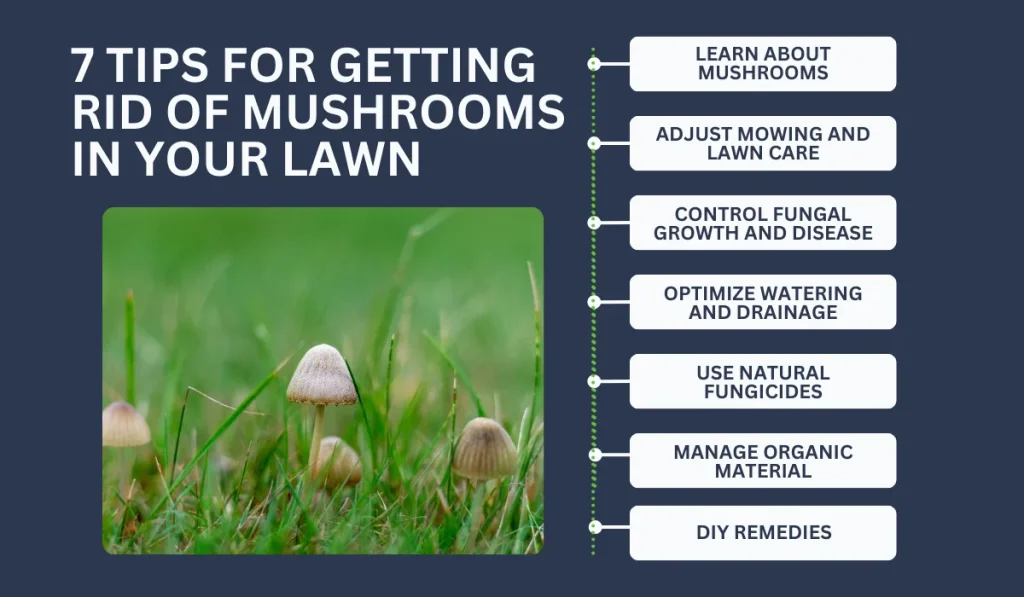
Image Source: sodlawn.com
Why Are Mushrooms Growing in My Lawn?
Before we tackle how to kill lawn mushrooms, it’s important to understand why they appear in the first place. Mushrooms are the reproductive structures of fungi that live within the soil. They thrive in specific conditions:
- Excess Moisture: Fungi love damp environments. Heavy rainfall, overwatering, or poor drainage can create the perfect breeding ground for mushrooms.
- Decaying Organic Matter: Mushrooms are decomposers. They feed on dead plant material like thatch, fallen leaves, pet waste, or even buried wood. When these materials break down, they fuel fungal growth.
- Thatch Buildup: A thick layer of thatch (dead grass stems and roots) on your lawn can retain moisture and provide a food source for fungi.
- Shady Areas: Shady spots on your lawn tend to stay moist longer, making them more susceptible to mushroom growth.
- Soil Compaction: Compacted soil restricts water and air movement, which can lead to localized moisture buildup where fungi can flourish.
The Fastest Ways to Get Rid of Lawn Mushrooms
When you need a quick solution, focusing on immediate removal and environmental changes is key. Here are the fastest ways to deal with mushrooms:
1. Manual Removal: The Direct Approach
The most straightforward method is to simply pick the mushrooms. This is the quickest way to make them disappear visually.
- How to Do It:
- Wear gloves to avoid contact with any potentially irritating spores.
- Gently pull the mushrooms from the base. Try to get the entire mushroom, including the underground mycelium, though this is difficult to achieve completely.
- Dispose of the mushrooms in a sealed bag. Don’t leave them lying around, as they can still release spores.
- Pros: Immediate visual improvement, simple and requires no special equipment.
- Cons: It’s a temporary fix. The underground fungal network remains, and mushrooms will likely reappear if the conditions aren’t addressed.
2. Rake Them Away
For a slightly more efficient removal, especially if you have many mushrooms, raking can be effective.
- How to Do It:
- Use a stiff-bristled rake.
- Gently rake the area where mushrooms are present. This helps dislodge them and also breaks up any spore clusters.
- Collect the raked debris and dispose of it properly.
- Pros: Can remove multiple mushrooms at once, helps to break up spore concentrations.
- Cons: Similar to pulling, it’s a temporary solution if the underlying causes aren’t treated.
3. Improve Airflow and Sun Exposure
Mushrooms thrive in damp, stagnant conditions. Increasing airflow and sunlight can quickly deter them.
- How to Do It:
- Prune Nearby Trees and Shrubs: If shade is a significant factor, trim back overhanging branches to allow more sunlight and air circulation to reach the affected lawn areas.
- Mow at the Correct Height: Ensure your grass is mowed to an appropriate height. Taller grass can increase shade and moisture retention, while grass cut too short can stress the lawn.
- Pros: Addresses environmental factors that promote fungal growth.
- Cons: Takes time to see results and requires some landscape maintenance.
Tackling the Root Cause: Long-Term Mushroom Control
To achieve lasting mushroom control in grass, we need to focus on the conditions that allow fungi to thrive. This involves lawn disease management and improving overall lawn health.
1. Address Moisture Issues: The Key to Elimination
Excess moisture is the primary driver of mushroom growth. Here’s how to manage it:
- Adjust Watering Practices:
- Water Deeply and Infrequently: Instead of light daily watering, water your lawn thoroughly but less often. This encourages deeper root growth, making the grass more resilient.
- Water in the Morning: Watering early in the day allows the grass blades to dry off before evening, reducing the window for fungal activity.
- Check Soil Moisture: Before watering, stick your finger about 2 inches into the soil. If it feels moist, delay watering.
- Improve Drainage:
- Identify Problem Areas: Observe where water tends to pool after rain or watering.
- Aeration: This is one of the most effective ways to improve drainage and air circulation. Soil aeration for lawn areas involves creating small holes in the soil, allowing water, air, and nutrients to penetrate deeper. This reduces compaction and helps dry out the soil. You can rent a core aerator or hire a professional.
- Dethatching: A thick thatch layer can prevent water from draining properly. Dethatching removes this layer, improving water penetration and reducing food sources for fungi.
2. Manage Organic Matter: Remove the Food Source
Mushrooms feed on decaying organic material. Reducing these food sources is crucial for eliminating fairy rings and general mushroom control.
- Clear Debris Regularly:
- Rake Fallen Leaves: Don’t let leaves accumulate on your lawn, especially in the fall. They create a moist, nutrient-rich environment for fungi.
- Remove Pet Waste Promptly: Animal droppings can contribute to fungal growth.
- Bury or Remove Old Wood: If you have buried construction debris or old tree stumps, these can be significant food sources for fungi. Consider excavating them if possible.
- Deal with Thatch:
- Monitor Thatch Levels: Aim for a thatch layer of no more than half an inch.
- Dethatch Annually: Dethatching removes accumulated dead grass, roots, and stems. This can be done with a power rake or dethatcher.
3. Enhance Lawn Health: A Strong Lawn Resists Fungi
A healthy, vigorous lawn is less susceptible to fungal problems. Focus on creating an environment where grass thrives:
- Proper Fertilization:
- Soil Testing: Get your soil tested to determine nutrient deficiencies.
- Balanced Fertilizers: Use fertilizers appropriate for your grass type and soil conditions. Over-fertilizing, especially with nitrogen, can lead to lush growth that is more prone to disease.
- Overseeding:
- Fill in Bare Spots: Thin or bare patches in your lawn are prime real estate for weeds and fungi. Overseeding with a quality grass seed appropriate for your region can thicken your lawn and outcompete undesirable growth.
- Mowing Practices:
- Sharp Mower Blades: Dull blades tear grass, creating entry points for disease. Keep your mower blades sharp.
- Mow at the Right Height: Cutting grass too short stresses it, making it vulnerable. Consult recommendations for your specific grass type.
Specific Treatments for Lawn Fungus Removal
While addressing the environment is key, sometimes direct treatment is needed to treat fungal growth on grass.
1. Fungicides: When to Use Them
Fungicides can be effective, but they should be used judiciously as part of a broader lawn disease management strategy.
- Types of Fungicides:
- Contact Fungicides: These work by killing fungal spores on the surface of the grass.
- Systemic Fungicides: These are absorbed by the plant and work from within to fight the fungus.
- Application:
- Identify the Fungus: If possible, identify the specific type of fungus causing the mushrooms. This helps in choosing the most effective fungicide.
- Follow Label Instructions Carefully: This is crucial for safety and effectiveness. Always read and adhere to the application rates, timing, and safety precautions on the product label.
- Targeted Application: Apply fungicides only to the affected areas, rather than broadcasting them over the entire lawn, unless widespread treatment is necessary.
- Considerations:
- Fungicides don’t “kill” the underground mycelium instantly and are often more effective at preventing new growth or treating active diseases.
- They are best used in conjunction with other cultural practices.
- Over-reliance on fungicides can lead to resistant fungal strains.
2. Natural and Organic Approaches
For those who prefer not to use synthetic chemicals, several natural methods can help manage lawn fungi.
- Baking Soda Solution: A mixture of baking soda and water can sometimes deter fungal growth.
- Recipe: Mix 1 tablespoon of baking soda with 1 gallon of water.
- Application: Spray directly onto the affected areas.
- Caution: Use sparingly, as too much can harm the grass.
- Vinegar Solution: Diluted vinegar can also act as a mild fungicide.
- Recipe: Mix 1 part white vinegar with 4 parts water.
- Application: Spray onto mushroom clusters and affected areas.
- Caution: Vinegar is acidic and can burn grass if not diluted properly. Test on a small area first.
- Compost Tea: Applying compost tea can introduce beneficial microbes to the soil that compete with fungi and improve soil health.
- Beneficial Fungi: Some products introduce beneficial fungi that actively suppress disease-causing fungi in the soil.
Eliminating Fairy Rings: A Special Case
Fairy rings are circular patterns of mushroom growth, often accompanied by darker green or dead grass. They are caused by the fungal mycelium spreading outwards from a central point. To tackle them:
Methods for Eliminating Fairy Rings:
- Watering and Fertilization: For rings with healthy grass, often just improving overall lawn health, consistent watering, and balanced fertilization are enough to mask or diminish the visual effect over time.
- Dethatching and Aeration: These core practices help break up the fungal network and improve soil conditions, which can disrupt fairy rings.
- Topdressing: Applying a thin layer of compost and seed over the affected area can help re-establish healthy grass within or around the ring.
- Fungicide Treatment: In severe cases, targeted application of a fungicide might be necessary to treat fungal growth on grass causing the ring. Follow product instructions carefully for ring treatment.
- Excavation (Extreme Cases): For persistent and severe fairy rings, excavating the affected soil to a depth of 12 inches, removing the soil, and replacing it with fresh topsoil and new grass can be a last resort. This is labor-intensive but provides a definitive solution.
When considering garden mushroom control, these principles also apply to flower beds and vegetable patches.
Preventing Mushrooms in Your Backyard: A Proactive Approach
The best way to remove mushrooms from lawn is to prevent them from appearing in the first place. This means creating a less hospitable environment for fungi.
Key Prevention Strategies:
- Maintain Proper Soil Moisture: Avoid overwatering and ensure good drainage.
- Regularly Clear Debris: Keep your lawn free of fallen leaves, twigs, and pet waste.
- Manage Thatch: Dethatch your lawn as needed to keep thatch layers thin.
- Practice Good Mowing Habits: Keep mower blades sharp and mow at the correct height.
- Improve Soil Aeration: Regularly aerate compacted soil areas.
- Promote Lawn Health: A dense, healthy lawn is your best defense against many lawn problems, including fungal growth.
- Ventilate Shady Areas: Trim trees and shrubs to allow more sunlight and air to reach shady parts of your lawn.
Summary of How to Kill Lawn Mushrooms
| Method | Speed | Effectiveness | Notes |
|---|---|---|---|
| Manual Removal (Pulling) | Very Fast | Low | Temporary visual fix. Underlying mycelium remains. |
| Raking | Fast | Low | Removes visible mushrooms and spores. Still a temporary fix. |
| Improve Airflow/Sunlight | Moderate | Moderate | Addresses environmental causes. Requires pruning or other landscape work. |
| Adjust Watering | Moderate | High | Crucial for long-term control. Reduces moisture, a key fungal requirement. |
| Improve Drainage (Aeration) | Moderate | High | Excellent for reducing moisture and compaction. |
| Clear Debris/Thatch | Moderate | High | Removes food sources for fungi. Essential for long-term lawn fungus removal. |
| Fertilize Properly | Long-term | High | Promotes healthy grass that can outcompete fungi. |
| Overseeding | Long-term | High | Thickens lawn, reduces bare spots where fungi can gain a foothold. |
| Fungicides | Fast/Mod | Moderate/High | Use judiciously. Best as part of a comprehensive plan. Always follow instructions. |
| Natural Treatments | Moderate | Variable | Can be effective for mild cases. Test on small areas first. |
Frequently Asked Questions (FAQ)
Q1: Are mushrooms in my lawn dangerous to my pets or children?
While most lawn mushrooms are harmless, some species can be poisonous. It’s best to err on the side of caution. Remove mushrooms promptly and prevent pets and children from ingesting them. If you suspect ingestion, contact your veterinarian or a poison control center immediately.
Q2: Can I just spray anything on the mushrooms to kill them?
While you can use certain sprays like diluted vinegar or specific fungicides, simply spraying mushrooms without addressing the underlying causes (excess moisture, decaying matter) will only provide a temporary fix.
Q3: How long does it take to get rid of mushrooms permanently?
Achieving permanent mushroom control in grass is challenging because the fungal mycelium is extensive and hidden in the soil. However, by consistently applying good lawn care practices – managing moisture, removing organic debris, improving drainage, and promoting a healthy lawn – you can significantly reduce or eliminate mushroom appearances over time. This process can take several weeks to a few months depending on the severity of the conditions.
Q4: What are “fairy rings”?
Fairy rings are circular patterns of mushrooms in the lawn. They are caused by the mycelium of a fungus spreading outwards underground. The grass within the ring might be darker green, or in more advanced stages, it can be dead and brown.
Q5: Is it bad to have mushrooms in my lawn?
Mushrooms themselves aren’t usually harmful to your grass. However, their presence is a strong indicator of underlying issues like poor drainage, excessive thatch, or too much decaying organic matter, which can weaken your lawn over time and make it more susceptible to other diseases. Addressing the mushrooms helps improve overall lawn health.
By following these comprehensive steps, you can effectively manage and get rid of mushrooms in your lawn, ensuring a healthier, more beautiful outdoor space. Remember, consistency and addressing the root causes are your most powerful tools in lawn fungus removal and achieving lasting mushroom control in grass.