
Can you water your lawn immediately after treatment? Generally, it’s best to wait at least 24 hours after most lawn treatments before watering. This waiting period allows the applied products to effectively penetrate the soil and reach their target, whether it’s weeds, insects, or fungal issues. Watering too soon can wash away the treatment, significantly reducing its effectiveness and potentially wasting your investment.
Caring for your lawn involves more than just mowing. Proper watering is a cornerstone of a healthy, vibrant turf. However, when you introduce treatments like herbicides, fertilizers, or pesticides, the question of when to water becomes crucial. This guide delves into the specifics of how long after lawn treatment can I water safely, ensuring your efforts yield the best results. We’ll explore the nuances of post-treatment watering, covering various product types and situations, and offering a clear lawn care watering schedule to integrate with your treatment plan.
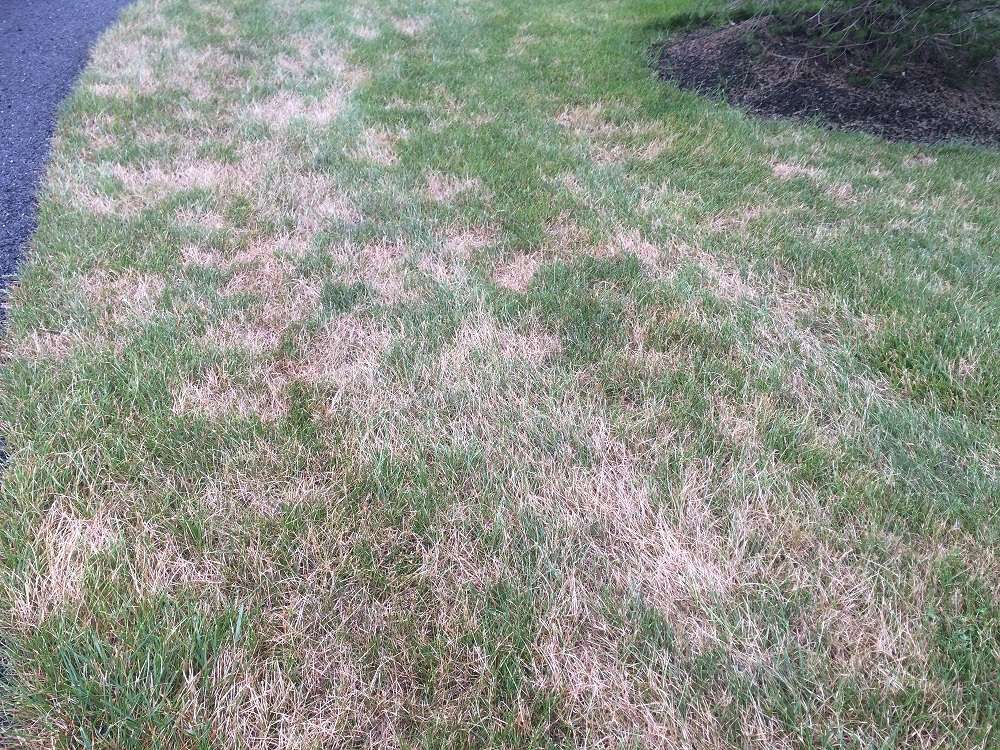
Image Source: www.kingstownelawn.com
Fathoming Post-Treatment Watering
The success of any lawn treatment hinges on a few key factors, and how you manage watering afterwards is paramount. Skipping this vital step can negate the benefits of even the most premium products. Let’s break down why this waiting period is so important and how different treatments necessitate different watering approaches.
The Science Behind the Wait
When you apply products to your lawn, they need time to work. Think of it like applying medicine to a cut – you wouldn’t immediately wash it off. Lawn treatments are designed to adhere to grass blades, be absorbed by the soil, or reach target pests.
- Herbicides: Many herbicides work by being absorbed through the leaves of weeds. If you water too soon, the herbicide can be washed off the leaves before it has a chance to be absorbed, rendering it ineffective against those weeds. Some herbicides are soil-activated, meaning they need to be watered into the soil to create a barrier that prevents weed seeds from germinating. In these cases, immediate watering is critical, but the timing still matters.
- Fertilizers: Fertilizers also need to be absorbed by the grass roots. Watering helps to dissolve the fertilizer granules and carry them down to the root zone. Watering too soon after application can dilute the fertilizer, leading to uneven distribution and potentially “burning” the grass if the concentration is too high in certain areas. Waiting allows the fertilizer to start dissolving naturally and then a subsequent watering can efficiently move it into the soil.
- Insecticides and Fungicides: Similar to herbicides, many insecticides and fungicides are designed to be absorbed by the plant or to remain on the surface as a protective barrier. Washing them off prematurely means they can’t effectively combat pests or diseases.
General Guidelines: A Good Starting Point
While specific product labels should always be your primary reference, here are some general waiting periods for common lawn treatments:
- Herbicides (Weed Control):
- Pre-emergent herbicides: These are applied before weeds germinate. They need to be watered in to activate their barrier. Follow product instructions carefully; some require watering immediately, while others prefer a slight delay.
- Post-emergent herbicides: These are applied to actively growing weeds. It’s crucial to let these products dry on the weed foliage. A common recommendation is to wait at least 24 hours, and ideally 48 hours, before watering. This allows the herbicide to be absorbed by the weed.
- Fertilizers: Most granular fertilizers benefit from watering after application to help them dissolve and move into the soil. However, it’s often advised to wait a few hours to allow the product to settle and minimize the risk of burning the grass blades if they are wet. Liquid fertilizers might have different requirements.
- Insecticides and Fungicides: Similar to post-emergent herbicides, these often require a drying period on the plant surfaces. Waiting 24-48 hours is a common recommendation to ensure the active ingredients have time to work.
Watering Lawn After Herbicide: A Delicate Balance
The decision of when to water your lawn after applying herbicide is a critical one. The type of herbicide, the formulation, and the target weeds all play a role.
Pre-Emergent Herbicide Watering
Pre-emergent herbicides are designed to prevent weed seeds from sprouting. They work by forming a chemical barrier in the soil. To be effective, this barrier needs to be established.
- Activation is Key: For most pre-emergent herbicides, watering is necessary to “activate” the product. The water carries the herbicide down into the top layer of soil where weed seeds germinate.
- Timing of Activation: Check the product label. Some recommend watering within 24 hours of application, while others might suggest a slightly longer period.
- Light Watering: You generally don’t need a deep watering for activation. A light to moderate watering is usually sufficient to move the herbicide into the soil profile. Too much water could potentially wash it too deep, making it ineffective against shallow germinating weed seeds.
Post-Emergent Herbicide Watering
Post-emergent herbicides target weeds that are already growing. The approach to watering after applying these is different.
- Allow for Absorption: The active ingredients in post-emergent herbicides are absorbed through the leaves of the weed. Watering too soon can wash the product off the foliage before it can be absorbed.
- Drying Period: Most lawn care professionals recommend a waiting period of at least 24 hours, and often 48 hours, after applying a post-emergent herbicide before watering. This allows the herbicide to dry on the weed’s leaves and begin the absorption process.
- Rain Considerations: If rain is expected, and it’s heavy enough to wash away the herbicide before the recommended drying period, you may need to reapply. However, a light shower that doesn’t cause runoff might not be an issue after the initial drying period. This is where lawn treatment rain delay becomes a factor in your planning.
Watering Lawn After Fertilizer: Nourishing Responsibly
Fertilizing your lawn is essential for its growth and health, but improper watering afterward can lead to problems.
Granular Fertilizer Watering
Granular fertilizers are the most common type. They release nutrients as they dissolve.
- Dissolving the Granules: Watering after applying granular fertilizer helps to dissolve the granules and carry the nutrients into the soil, making them accessible to the grass roots.
- When to Water: It’s generally recommended to water a few hours after application, or ideally, the next morning if applied in the afternoon. This allows the fertilizer to settle on the grass blades without immediate dilution and minimizes the risk of burning the grass if the blades are already wet.
- Amount of Water: A moderate watering that moistens the soil is usually sufficient. You want to move the nutrients into the root zone, not leach them away with excessive watering.
- Fertilizer Burn: Applying fertilizer to dry grass and then not watering can lead to fertilizer burn, where the concentrated salts in the fertilizer dehydrate and damage the grass blades.
Liquid Fertilizer Watering
Liquid fertilizers are absorbed more quickly by both the leaves and roots.
- Immediate Absorption: Liquid fertilizers are often designed for rapid absorption. Some may not require watering at all after application, as the water in the spray solution aids in absorption.
- Product Specifics: Always check the product label for liquid fertilizers, as the requirements can vary significantly. Some might suggest watering after a short period to help move it to the roots.
Fungicide Watering Guidelines: Protecting Your Turf
Fungicides are used to prevent or treat fungal diseases in lawns. The timing of watering is critical to their effectiveness.
- Surface Protection: Many fungicides work by forming a protective layer on the grass blades and in the soil. Watering too soon can wash this protective layer away.
- Drying Period: It’s advisable to allow fungicides to dry on the leaf surface before any watering occurs. A waiting period of 24 hours is a common recommendation for many products.
- Preventative vs. Curative: For preventative fungicides, ensuring the protective layer remains intact is key. For curative fungicides, absorption into the plant tissue might be more important, but a drying period is still often recommended.
- Rainfall: Be mindful of forecasted rain. If heavy rain is expected within the recommended drying period, it could wash off the fungicide. Consider adjusting your application schedule if a significant lawn treatment rain delay is imminent.
Insecticide Watering Instructions: Safeguarding Against Pests
Insecticides are used to control insect infestations. Like herbicides and fungicides, proper watering is essential.
- Targeting Pests: Insecticides may work by contact, ingestion, or by being absorbed into the plant.
- Contact and Ingestion: For insecticides that kill on contact or when ingested by pests feeding on the grass, allowing the product to remain on the surface without being washed away is crucial. A waiting period of at least 24 hours is generally advised.
- Systemic Insecticides: Systemic insecticides are absorbed by the plant and move through its system. In these cases, watering might be beneficial after a short period to help the plant absorb the insecticide more efficiently. Always refer to the product label.
- Soil-Dwelling Pests: Some insecticides are designed to be watered into the soil to target grubs and other soil-dwelling pests. If this is the case, the product label will likely specify immediate watering to carry the insecticide down to the pest’s habitat.
Watering New Sod Treatment: Establishing a Healthy Lawn
When you’ve just laid new sod, your watering strategy shifts dramatically. The goal is to encourage root establishment.
- Immediate and Frequent: New sod needs water immediately after installation. It’s crucial to keep the sod moist, especially in the root zone.
- Initial Watering: Water thoroughly immediately after laying the sod to ensure good contact between the sod and the soil underneath.
- Daily Watering: For the first week or two, you’ll likely need to water daily, sometimes twice a day, depending on the weather. The goal is to keep the soil consistently moist, but not waterlogged.
- Gradual Reduction: As the roots start to establish, you can gradually reduce the frequency of watering while increasing the duration of each watering session. This encourages deeper root growth.
- Avoid Lawn Treatments: It’s generally not recommended to apply any lawn treatments (herbicides, fertilizers, pesticides) to new sod for at least 3-4 weeks, or until the sod has rooted firmly. If a treatment is absolutely necessary, consult with the sod supplier or a lawn care professional.
Watering Overseeded Lawn: Nurturing New Growth
Overseeding a lawn involves spreading grass seed over an existing lawn to thicken it. The watering needs are specific to germination and establishment.
- Constant Moisture: For overseeded areas, maintaining consistent moisture in the top inch of soil is critical for seed germination.
- Light, Frequent Watering: Instead of deep watering, opt for light, frequent watering. This keeps the seed bed moist without washing the seeds away or drowning them.
- Daily Watering (or More): You may need to water once or twice a day for the first couple of weeks, especially during dry or windy weather.
- Avoid Deep Watering: Deep watering can push the small seeds too deep into the soil, preventing them from germinating.
- Post-Germination Care: Once the new grass is about an inch tall, you can begin to gradually increase the duration of watering and decrease the frequency, encouraging deeper root growth.
- Lawn Treatments and Overseeding: Avoid applying herbicides for at least 6-8 weeks after overseeding, as they can damage the new grass seedlings. Fertilizing might be recommended with starter fertilizers specifically designed for new grass.
Safe Watering Times After Lawn Spray: Maximizing Effectiveness
Beyond just waiting the correct duration, the actual time of day you water can impact the effectiveness of your lawn treatments.
Morning Watering: The Preferred Choice
- Ideal Conditions: Watering in the morning, typically between 6 AM and 10 AM, is generally the best practice.
- Absorption: The grass blades are usually dry in the morning, allowing treatments applied the previous day to remain undisturbed.
- Evaporation: Cooler temperatures and lower wind speeds in the morning minimize water evaporation, ensuring more water reaches the root zone.
- Disease Prevention: Morning watering allows the grass blades to dry off during the day, reducing the risk of fungal diseases that thrive in prolonged moisture.
Evening Watering: Potential Drawbacks
- Moisture Retention: Watering in the evening, especially late in the evening, means grass blades can remain wet throughout the night.
- Fungal Growth: This prolonged moisture creates an ideal environment for fungal diseases like dollar spot, brown patch, and powdery mildew to develop and spread.
- Evaporation Losses: While less evaporation occurs than in the hot afternoon sun, some loss is still possible.
Midday Watering: Least Recommended
- High Evaporation: Watering during the hottest part of the day leads to significant water loss through evaporation before the water can be absorbed by the grass.
- Inefficiency: This makes watering inefficient and can be costly in terms of water usage.
- Stress on Grass: Watering hot, stressed grass can sometimes cause further shock.
Important Considerations for a Healthy Lawn and Effective Treatments
Beyond the direct question of how long after lawn treatment can I water, a few other factors contribute to a successful lawn care regimen.
Reading Product Labels: The Ultimate Authority
- Manufacturer’s Instructions: Every lawn product is formulated differently. The product label is your definitive guide. It will specify the recommended waiting period before watering, as well as any special instructions for application and post-application care.
- Active Ingredients: The active ingredients in herbicides, insecticides, and fungicides dictate their mode of action and how they interact with water.
- Formulation Type: Granular, liquid, wettable powder – the formulation will influence how the product behaves and how watering affects it.
Weather Conditions: A Significant Factor
- Rainfall: As mentioned, unexpected rain can interfere with post-treatment watering schedules. If rain is imminent and you’ve just treated your lawn, you might need to adjust your watering plans or even consider reapplication if the product is washed away before it can work. A lawn treatment rain delay should be part of your decision-making process.
- Temperature: High temperatures increase evaporation rates, meaning you might need to water slightly longer to ensure sufficient moisture reaches the roots.
- Humidity: High humidity can slow the drying of grass blades, which can impact the effectiveness of contact herbicides or fungicides.
Soil Type: Influencing Water Penetration
- Sandy Soils: Sandy soils drain quickly, meaning water and nutrients can be leached away more easily. You might need more frequent, lighter watering.
- Clay Soils: Clay soils retain moisture longer but can become compacted. They require slower, deeper watering to prevent runoff and ensure penetration.
Type of Grass: Different Needs
- Warm-Season Grasses: (e.g., Bermuda, Zoysia) generally tolerate heat and drought better and may have different watering needs than cool-season grasses.
- Cool-Season Grasses: (e.g., Kentucky Bluegrass, Fescue) often require more consistent moisture, especially during warmer months.
Integrating Watering into Your Lawn Care Watering Schedule
A well-planned lawn care watering schedule ensures your lawn receives the right amount of water at the right times, complementing your treatment applications.
Creating Your Schedule: Key Questions
- What is my soil type? (Affects drainage and watering frequency)
- What type of grass do I have? (Determines overall water needs)
- What treatments have I applied, and what are their post-treatment watering requirements? (This is the most critical factor for timing)
- What is the current weather forecast? (Rain, heat, and wind influence watering)
- What are the water restrictions in my area? (If any)
Sample Post-Treatment Watering Considerations Table
| Treatment Type | Waiting Period Before Watering (General) | Key Considerations |
|---|---|---|
| Pre-emergent Herbicide | Varies (Check Label) | Water to activate barrier; light to moderate watering. |
| Post-emergent Herbicide | 24-48 Hours | Allow product to dry on weed leaves for absorption. |
| Granular Fertilizer | 2-4 Hours (or next morning) | Water to dissolve, avoid burning blades if dry. |
| Liquid Fertilizer | Varies (Check Label) | Often absorbed quickly; some may benefit from watering. |
| Insecticide | 24-48 Hours | Allow contact with pests or absorption by plant. |
| Fungicide | 24-48 Hours | Allow protective layer to form on grass blades. |
| New Sod | Immediate & Frequent | Keep constantly moist until established (weeks). |
| Overseeded Lawn | Light, Frequent (Daily) | Maintain consistent moisture for germination, avoid washing seeds. Gradually deepen watering. |
Frequently Asked Questions
Q1: Can I water my lawn immediately after applying weed killer?
A1: For most post-emergent weed killers, it is recommended to wait at least 24 hours, and ideally 48 hours, before watering. This allows the herbicide to be absorbed by the weed. For pre-emergent weed killers, follow the product label as some require immediate watering to activate.
Q2: What happens if I water my lawn too soon after fertilization?
A2: Watering too soon after applying granular fertilizer can dilute the product, leading to uneven distribution and potentially not enough nutrients reaching the roots. It can also cause the fertilizer to wash off the grass blades before it has a chance to dissolve and enter the soil.
Q3: Is it okay to water my lawn if it rained after I applied a treatment?
A3: If it rained shortly after application, and the rain was heavy enough to cause runoff, the treatment may have been washed away and could require reapplication. A light shower after the recommended drying period (e.g., 24 hours) is usually not an issue. Always refer to the product label for specific rainfastness guidelines.
Q4: Can I water my lawn after applying grub killer?
A4: Many grub killers are designed to be watered into the soil to reach the grubs. In these cases, watering immediately after application is often recommended. Always check the product label for specific instructions.
Q5: What is the best time of day to water my lawn after treatment?
A5: The best time to water is typically in the morning, between 6 AM and 10 AM, as this minimizes evaporation and allows the grass blades to dry off during the day, reducing the risk of disease.
By carefully observing product instructions and considering these guidelines, you can ensure your lawn treatments are effective and that your watering practices contribute to a healthy, thriving landscape. Remember, a little patience after treatment goes a long way in achieving your lawn care goals.