
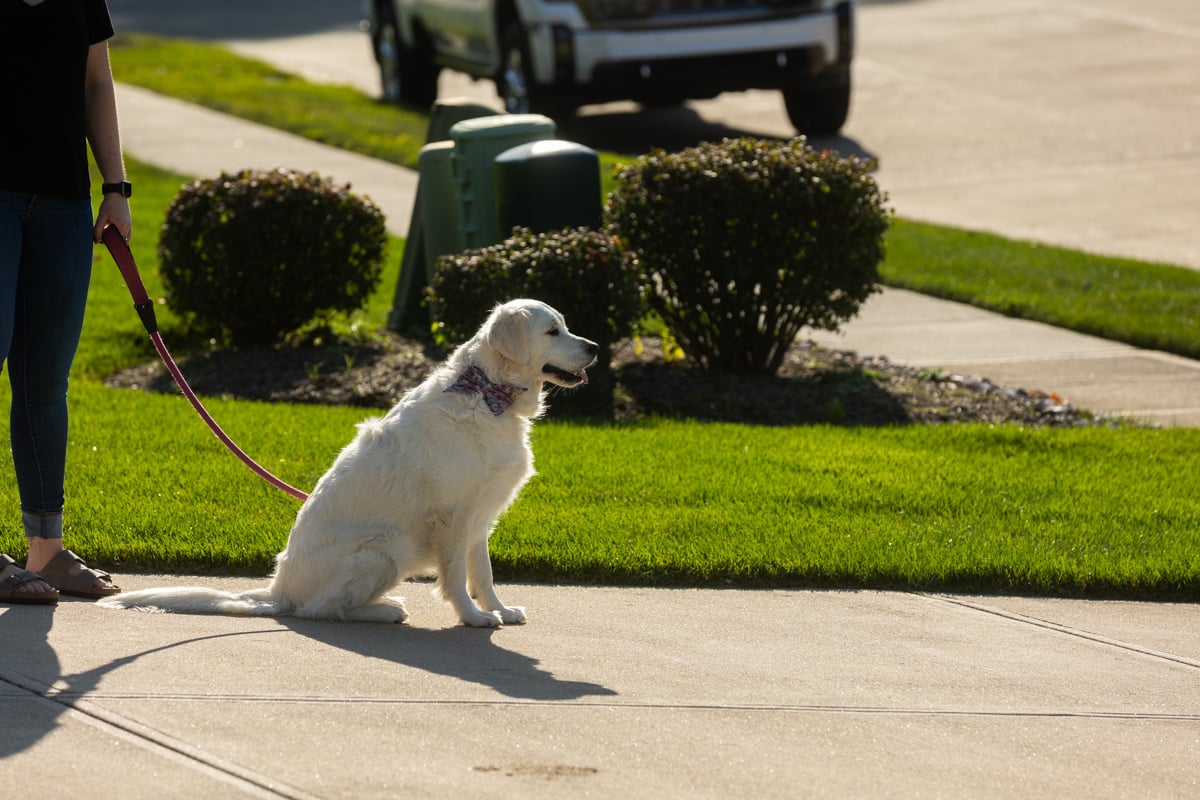
Image Source: www.shadesofgreenlawncare.com
How Long Before Dogs Can Go On Treated Lawn
Can my dog go on the lawn after it’s been treated? Yes, but only after the recommended waiting period specified by the lawn care product. This waiting time is crucial for both your pet’s safety and the effectiveness of the treatment.
Keeping Your Canine Companion Safe After Lawn Treatments
Many homeowners use lawn treatments to keep their grass green and healthy, free from weeds and pests. However, these post-chemical lawn care products can pose a risk to our beloved pets if not handled properly. It’s essential to know how long to keep dog off treated grass to ensure their well-being and prevent any adverse reactions. This article will delve into the specifics of lawn treatment reentry time, focusing on grass chemical safety and providing guidance for outdoor pet safety.
Deciphering Lawn Treatment Labels: The Key to Safety
The most critical piece of information when it comes to dog access to treated lawn areas is the product label itself. Manufacturers are required to provide clear instructions on application and safety precautions, including waiting times. Never assume that because a product is available for home use, it is automatically safe for your pets to be around immediately after application.
Why the Waiting Period?
Lawn treatments, whether they are herbicides, insecticides, or fertilizers, contain active ingredients designed to kill or inhibit certain organisms or promote plant growth. These chemicals need time to work and, importantly, to become less hazardous.
- Drying and Absorption: Many liquid treatments need to dry on the grass blades. Once dry, the chemical is typically absorbed into the plant or becomes inert. This drying process is a key factor in determining the herbicide waiting period or insecticide drying time. Walking on wet treated grass can transfer the chemicals to your dog’s paws, which they can then ingest when grooming.
- Degradation: Some chemicals break down over time, either through exposure to sunlight, rain, or microbial action in the soil. The waiting period accounts for this natural degradation process, reducing the concentration of potentially harmful substances.
- Reduced Exposure: The waiting period is primarily designed to minimize direct contact and ingestion of the chemicals by pets and humans.
Types of Lawn Treatments and Their Specific Waiting Times
The type of treatment applied significantly impacts the required waiting period. It’s vital to identify the specific product used and consult its label.
Herbicides (Weed Killers)
Herbicides are designed to eliminate unwanted plants. They can be selective (targeting specific weeds) or non-selective (killing all plants).
- Contact Herbicides: These kill the part of the plant they touch. They usually require a shorter waiting period, often just until the product is dry.
- Systemic Herbicides: These are absorbed by the plant and travel through its system, killing it from within. These often have longer waiting periods to allow for absorption and for the chemical to break down.
General Guideline for Herbicides: Many common herbicides require your dog to stay off the lawn for 24 to 72 hours after application. Always check the label for the exact herbicide waiting period. Some products specifically state they are safe for pets once dry, but it’s always prudent to err on the side of caution.
Insecticides (Pest Control)
Insecticides target insects that can damage lawns or bother people and pets.
- Contact Insecticides: These kill insects on contact. Similar to contact herbicides, they typically require the lawn to be dry before allowing pets back on.
- Systemic Insecticides: These are absorbed by the plant, and when insects feed on the plant, they ingest the insecticide. These can have longer waiting periods.
General Guideline for Insecticides: The insecticide drying time is a critical factor. Many insecticides are safe once dry, but some may require a waiting period of 12 to 48 hours or even longer. Pay close attention to labels stating “safe for use around pets once dry.”
Fungicides (Disease Control)
Fungicides are used to prevent or treat fungal diseases in turfgrass.
- General Waiting Period: Similar to herbicides and insecticides, the primary concern is the drying time. Once the fungicide is dry, it is generally considered safe for pets. However, some formulations might have specific recommendations.
Fertilizers
Fertilizers provide nutrients to the grass. While generally less toxic than herbicides or insecticides, some can still cause digestive upset if ingested in large quantities.
- Post-Application: Most fertilizers are safe once the granules have dissolved or the liquid has dried. This usually takes a few hours. However, it’s always best to check the product label.
Factors Influencing Waiting Times
Several factors can influence the recommended lawn care product waiting times:
- Chemical Formulation: Granular versus liquid, and the specific active ingredients used.
- Concentration: Higher concentrations may require longer waiting times.
- Application Method: Sprayed versus granular application can affect drying times.
- Environmental Conditions: Humidity, temperature, and wind can influence how quickly a product dries and breaks down.
What About “Pet-Safe” Lawn Treatments?
The term “pet-safe” or “dog-friendly” can be misleading. While some products are formulated with less toxic ingredients or are designed to break down more quickly, they are still chemicals.
- Always Read the Label: Even with “pet-safe” products, the instructions must be followed precisely. The waiting period, even if shorter, is still there for a reason.
- Natural vs. Chemical: Some “natural” lawn care options exist, such as using beneficial nematodes for insect control or corn gluten meal as a pre-emergent weed suppressor. These generally have much shorter or no waiting periods, but it’s still wise to confirm.
When to Seek Professional Advice
If you are unsure about the safety of a particular lawn treatment or if your dog has been exposed to a treated area before the recommended waiting time, consult your veterinarian immediately. They can provide guidance based on the specific chemicals involved and your dog’s health.
Practical Tips for Keeping Your Dog Safe
- Identify the Treatment: Know exactly what was applied to your lawn and when. Keep records of your lawn care products.
- Read Labels Carefully: This cannot be stressed enough. The label is your primary source of safety information.
- Communicate with Your Lawn Care Service: If you use a professional service, ensure they inform you about the products used and the recommended waiting times for pets. Ask them about their pet-safe lawn treatments protocols.
- Isolate the Area: If possible, use temporary fencing or markers to keep your dog away from the treated areas until the waiting period has passed.
- Leash Walks: Keep your dog on a leash during walks in areas that may have been treated, especially if you are unsure.
- Wash Paws: If your dog does walk on a treated area, consider washing their paws with water and a mild pet-safe shampoo afterward to remove any residual chemicals.
- Monitor Your Pet: Watch for any unusual behavior, such as excessive licking, drooling, vomiting, diarrhea, lethargy, or skin irritation. Contact your vet if you notice any of these symptoms.
Understanding Chemical Breakdown and Persistence
The effectiveness and safety of lawn treatments depend on how long the active ingredients persist in the environment.
- Half-Life: This refers to the time it takes for half of a chemical to break down. Different chemicals have different half-lives, which is why waiting periods vary.
- Environmental Factors: Sunlight (UV radiation), moisture, soil type, and temperature can all accelerate or slow down the breakdown of chemicals. This means a product’s actual waiting time might be slightly shorter or longer than stated on the label depending on the specific conditions.
Common Misconceptions About Lawn Treatment Safety
- “If it’s safe for kids, it’s safe for dogs.” This is not always true. Dogs’ grooming habits and the way they interact with their environment (licking grass, rolling around) can lead to greater exposure than children might experience.
- “Rain washes it away.” While rain can help dilute and break down some chemicals, it doesn’t necessarily make the lawn immediately safe. Some chemicals can be washed into the soil and remain present. Furthermore, some treatments are specifically designed to be activated or enhanced by moisture.
- “Natural products are always safe.” While many natural ingredients are less toxic, they can still pose risks if not used correctly or if ingested in large quantities. For example, some natural insecticides can be harmful to beneficial insects or aquatic life.
Creating a Pet-Friendly Lawn Care Plan
The goal is to maintain a beautiful lawn while prioritizing the health and safety of your furry friends. Consider these strategies:
- Integrated Pest Management (IPM): IPM focuses on using a combination of methods to control pests and weeds, with chemical treatments being a last resort. This can include:
- Proper Mowing and Watering: Healthy grass is more resistant to pests and weeds.
- Aeration and Dethatching: Improves soil health and reduces conditions favorable to pests.
- Manual Weed Removal: For smaller weed infestations.
- Biological Controls: Introducing natural predators or parasites of pests.
- Choose Products Wisely: Opt for products with lower toxicity ratings and shorter persistence times whenever possible. Look for products specifically labeled for use in areas frequented by pets and children.
- Timing is Everything: Apply treatments during times when your dog is least likely to be in the yard, such as early morning before they are let out, or during their usual nap times.
Table: General Waiting Periods (Always consult product labels for specifics)
| Treatment Type | Typical Waiting Period (Once Dry) | Key Considerations |
|---|---|---|
| Herbicides | 24-72 hours | Systemic vs. contact, drying time, specific ingredients |
| Insecticides | 12-48 hours | Drying time, potential for residue on foliage |
| Fungicides | Until dry | Depends on formulation and active ingredient |
| Fertilizers | Until dry/dissolved | Avoid excessive ingestion of granules |
| Seeding | Until grass is established | Avoid heavy foot traffic from pets |
Specific Considerations for Different Dog Breeds and Sensitivities
While general guidelines apply, some dogs might be more sensitive to lawn chemicals.
- Puppies: Puppies have developing immune systems and are more susceptible to the effects of toxins. They also tend to explore the world with their mouths, increasing the risk of ingestion.
- Senior Dogs: Older dogs may have compromised immune systems or underlying health conditions that make them more vulnerable.
- Dogs with Allergies or Sensitivities: Some dogs may have pre-existing allergies or sensitivities that could be aggravated by contact with lawn chemicals, even at low concentrations.
For these sensitive groups, it is even more crucial to adhere strictly to waiting periods and consider using the most pet-safe lawn treatments available.
What to Do in Case of Accidental Exposure
If you discover your dog has walked on a treated lawn before the recommended waiting time, or if they show any signs of distress after a treatment:
- Remove from the Area: Immediately move your dog to a safe, untreated area.
- Rinse Thoroughly: If their paws or coat have come into direct contact with wet chemicals, rinse them thoroughly with lukewarm water. Avoid using soaps or shampoos unless specifically advised by a vet, as some can interact with chemicals.
- Contact Your Veterinarian: Call your vet right away. Provide them with as much information as possible about the product used, the time of exposure, and any symptoms your dog is exhibiting. Having the product packaging or label handy is extremely helpful.
- Monitor Closely: Even if your dog seems fine initially, continue to monitor them for any developing symptoms over the next 24-48 hours.
Frequently Asked Questions (FAQ)
Q1: How long should I wait before letting my dog on freshly mowed grass after treatment?
A1: Mowing immediately after treatment can sometimes redistribute wet chemicals. It’s best to wait until the product has completely dried, as per the label instructions, before mowing. If you must mow, do so with caution and consider waiting longer if the grass is still damp.
Q2: Are organic lawn treatments completely safe for dogs?
A2: While many organic lawn treatments are considered less toxic than synthetic chemicals, they are not necessarily risk-free. Always read the product label and follow any specific instructions for pet access. For instance, some organic fertilizers can cause stomach upset if ingested in large quantities.
Q3: My neighbor treats their lawn. Can my dog be affected if they run on my side of the fence?
A3: Yes, depending on the type of treatment and wind conditions, chemicals can drift. It’s a good idea to be aware of when your neighbors are treating their lawns and to keep your dog away from common boundaries during and immediately after treatments.
Q4: What if it rains shortly after the lawn treatment?
A4: Rain can sometimes wash away surface residues, but it can also activate certain chemicals or carry them into the soil. If the product label specifies a waiting period even after rain, adhere to that. If the product is meant to be activated by rain, then the waiting period likely starts after the rain has dried. Always refer to the label.
Q5: Is it safe to let my dog drink from puddles on a treated lawn?
A5: No, it is not safe. Puddles can contain concentrated amounts of dissolved chemicals. Ensure your dog has access to fresh, clean drinking water and prevent them from consuming water from puddles on treated areas.
By staying informed and diligent, you can effectively manage your lawn while ensuring the safety and happiness of your canine companions. Prioritizing grass chemical safety and adhering to lawn treatment reentry time guidelines are fundamental aspects of responsible pet ownership.