
A lawn mower blade can last anywhere from 25 to 100 hours of mowing time, depending on usage, material, and maintenance. Understanding the lawn mower blade lifespan is crucial for maintaining a healthy lawn and ensuring your mower operates efficiently. This guide delves into the factors affecting mower blade durability and provides insights into how often to change mower blades for optimal performance.
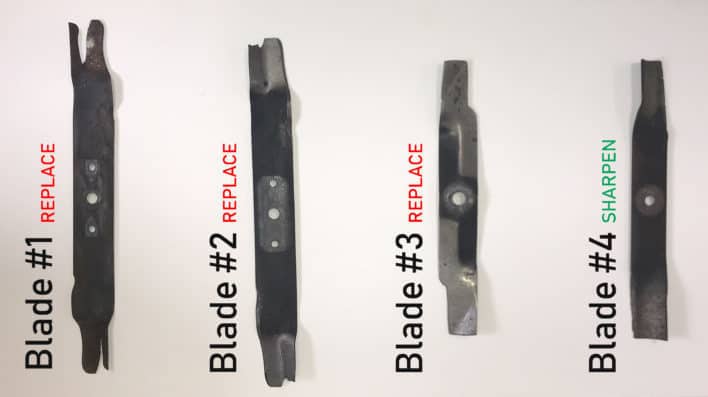
Image Source: minnesotaequipment.com
Deciphering Mower Blade Lifespan
The lifespan of a lawn mower blade isn’t a fixed number. It’s a dynamic figure influenced by several key elements. Think of it like tires on a car; how long they last depends heavily on how you drive and the roads you travel. Similarly, your mowing habits and the environment your mower operates in significantly impact your blade’s longevity.
Factors Affecting Mower Blade Life
Several elements contribute to how long your mower blades remain sharp and effective. Let’s break down these crucial components:
-
Mowing Conditions:
- Terrain: Mowing on rough, uneven terrain with hidden rocks, roots, or debris will dull and potentially damage your blades much faster than mowing on a smooth, clear lawn.
- Grass Type: Some grasses are tougher and denser than others. Cutting through thick, wet grass puts more stress on the blade than cutting through dry, fine grass.
- Frequency of Mowing: While it might seem counterintuitive, mowing frequently at the recommended height (the one-third rule) often leads to longer blade life. This is because you’re cutting less material at each pass, reducing strain. Infrequent mowing means cutting longer grass, which is a harder job for the blade.
-
Blade Material and Quality:
- Steel Hardness: Blades are made from various steel alloys. Higher-quality steel with greater hardness will resist wear and dulling for longer. This often translates to a higher initial cost but can save you money and effort in the long run.
- Blade Design: Different blade designs are optimized for specific tasks. Some are designed for mulching, others for bagging, and some for side-discharging. The cutting edge’s thickness and angle also play a role in durability.
-
Maintenance Practices:
- Sharpening Frequency: Regular sharpening is paramount. A dull blade tears grass instead of cutting it cleanly, leading to unhealthy turf and more wear on the blade itself.
- Balancing: Properly balanced blades reduce vibration, which can lead to premature wear on mower components, including the blades themselves.
- Cleaning: Removing grass clippings and debris after each use prevents rust and corrosion, which can degrade the metal over time.
-
Usage Intensity:
- Mowing Hours: Simply put, the more you mow, the faster your blades will wear down. A homeowner mowing a small yard once a week will see their blades last much longer than a landscaper mowing several acres daily.
- Mowing Technique: Forcing the mower through thick patches of grass or making sudden stops and starts can put undue stress on the blades.
How Often to Change Mower Blades
The question of how often to change mower blades is best answered by observing your lawn and the blades themselves. While there are general guidelines, visual inspection and performance indicators are your best tools.
Signs Your Blades Need Attention
Instead of adhering to a strict calendar, learn to recognize the tell-tale signs that your mower blades need sharpening or replacement.
- Ragged Grass Tips: This is the most common indicator. If your grass looks torn and shredded at the tips after mowing, your blades are dull. Healthy grass should have clean, crisp cuts.
- Increased Mowing Time: If it feels like you’re spending more time mowing the same area, your blades might not be cutting efficiently.
- Uneven Cutting: Bald spots or patches where the grass isn’t cut evenly suggest your blades are either dull, damaged, or unbalanced.
- Increased Fuel Consumption: A struggling mower due to dull blades will often consume more fuel as the engine works harder.
- Visible Damage: Look for nicks, bends, cracks, or excessive wear on the cutting edge. Even minor damage can affect performance and require replacement.
Recommended Replacement Intervals
While direct replacement isn’t a daily affair, consider these general intervals for typical homeowner use:
- Sharpening: Most experts recommend sharpening your mower blades at least once or twice a year, typically in the spring before the main mowing season begins and perhaps mid-season if you have a large property or particularly tough grass.
- Replacement: Blades can last for several sharpening cycles, but eventually, they will wear down to a point where they can no longer be sharpened effectively. This might be after 5-10 sharpenings, depending on the quality of the blade and the extent of wear. For most homeowners, a lawn mower blade replacement interval might be every 2-3 years, but this is highly variable.
Grasping Mower Blade Durability
Mower blade durability is a measure of how well a blade holds up against the rigors of cutting grass. It’s a combination of the material it’s made from and how it’s treated and used.
Material Matters: The Heart of Durability
The material of a lawn mower blade is perhaps the most significant factor in its durability.
- High-Carbon Steel: This is the most common material for mower blades. It offers a good balance of hardness, toughness, and affordability. High-carbon steel blades can be sharpened to a fine edge and hold it reasonably well.
- Alloy Steels: Some premium blades incorporate alloys like manganese and molybdenum. These alloys can enhance hardness, impact resistance, and wear resistance, leading to a longer-lasting, sharper edge.
- Hardened Steel: Blades that undergo specialized heat treatment processes to harden the steel will naturally be more durable and resist dulling longer.
Blade Design for Longevity
Beyond the material, the design of the blade itself contributes to its ability to withstand wear and tear.
- Thickness: Thicker blades are generally more robust and can withstand impacts better. However, they can also add weight and require more power to spin.
- Aerodynamics: Blades designed with specific curves and angles (often called “air lift” or “scoop”) help lift grass for a cleaner cut. This efficient cutting action can reduce strain on the blade and engine, indirectly contributing to its longevity.
- Cutting Edge Profile: The angle and shape of the cutting edge affect how it interacts with grass and potential obstacles. Blades with a more gradual sharpening angle might be less prone to chipping on impact but may require more frequent sharpening than those with a sharper, more aggressive angle.
How Long Are Mower Blades Good For?
The question of how long are mower blades good for is inextricably linked to how well they are maintained and the conditions they are used in. A well-maintained, high-quality blade used in ideal conditions can remain effective for a considerable time. Conversely, a cheap, poorly maintained blade used in rocky terrain will have a very short useful life.
Estimating Blade Effectiveness
- New Blades: Freshly sharpened, high-quality blades are at their peak effectiveness. They will cut cleanly and efficiently.
- After Sharpening: A properly sharpened blade will restore much of its cutting performance. However, each sharpening removes a small amount of material, gradually reducing the blade’s overall lifespan.
- When Dullness Interferes: Blades are no longer “good for” optimal mowing once they start causing ragged cuts, increasing mowing time, or uneven results. This is the point where sharpening or replacement is necessary.
Lawn Mower Maintenance Blade: Keeping Blades in Top Shape
Proactive lawn mower maintenance blade is key to maximizing your blades’ life and ensuring your mower runs smoothly.
Sharpening Mower Blades Longevity
Sharpening is the most critical aspect of blade maintenance. Properly sharpening mower blades longevity by restoring their cutting edge.
-
The Sharpening Process:
- Safety First: Disconnect the spark plug before attempting any blade work to prevent accidental starting.
- Remove the Blade: Use a wrench to carefully remove the blade from the mower deck. Note the orientation of the blade before removal.
- Clean the Blade: Remove dirt, grass, and debris with a wire brush or scraper.
- Sharpening Tools: You can use a file, a bench grinder, or a specialized blade sharpening attachment for a drill.
- Maintain the Angle: Identify the original cutting angle (usually 30-45 degrees) and try to replicate it.
- Sharpening Motion: For files, stroke consistently away from the cutting edge. For grinders, use a light touch and avoid overheating the metal.
- Balance the Blade: After sharpening, use a blade balancer to check if the weight is evenly distributed. If one side is heavier, grind a small amount of metal from the back of the heavier side (not the cutting edge) until it balances. An unbalanced blade causes vibration, which can damage your mower and reduce its efficiency.
- Reinstall the Blade: Reattach the blade securely in its original orientation.
-
Frequency of Sharpening: As mentioned, at least annually, ideally twice a year, or when you notice signs of dullness.
Replacing Mower Blades
When sharpening is no longer feasible or the blade is damaged, replacement is necessary.
-
When to Replace:
- When the cutting edge has worn down significantly, making it impossible to achieve a proper angle during sharpening.
- If the blade is bent, cracked, or has large chips.
- If sharpening doesn’t restore adequate cutting performance.
-
Choosing Replacement Blades:
- OEM (Original Equipment Manufacturer): These are blades designed specifically for your mower model and are usually the safest bet for proper fit and performance.
- Aftermarket Blades: Many companies produce aftermarket blades. Look for reputable brands that specify compatibility with your mower. Consider blades made from high-quality steel for better best lawn mower blades longevity.
When to Replace Lawn Mower Blades
Knowing when to replace lawn mower blades is about recognizing when they’ve reached the end of their useful life, even with diligent sharpening.
Indicators for Replacement
- Excessive Wear: If the cutting edge is noticeably rounded or significantly thinned, it’s time for a replacement. Sharpening removes material, and eventually, there isn’t enough metal left to sharpen effectively.
- Damage: Any cracks, significant bends, or missing chunks from the blade are immediate reasons for replacement. These can cause dangerous imbalances and poor cutting.
- Persistent Poor Performance: If you’ve sharpened your blades and still notice ragged cuts, uneven mowing, or increased mowing time, the blades may be beyond the point of effective sharpening.
The Cost of Neglect
Ignoring the need for blade replacement can lead to:
- Unhappy Lawn: Torn grass is more susceptible to disease and pests.
- Wasted Time: Duller blades mean you have to go over areas multiple times.
- Engine Strain: The mower engine works harder, potentially leading to overheating or premature wear.
- Component Damage: Vibrations from unbalanced or damaged blades can damage the mower’s spindle, bearings, and even the engine.
Best Lawn Mower Blades Longevity
Achieving the best lawn mower blades longevity involves a combination of selecting quality blades and adhering to best practices.
Tips for Maximizing Blade Life
- Inspect Before Mowing: A quick scan of your lawn for rocks, sticks, or other debris before you start can save your blades from damage.
- Mow at the Right Height: Avoid scalping the lawn. The one-third rule (never remove more than one-third of the grass blade’s length at a time) is a good guideline.
- Keep it Dry: Mowing wet grass is harder on blades and can lead to clumping and rust.
- Clean After Mowing: A simple wipe-down removes corrosive materials.
- Regular Sharpening and Balancing: This is non-negotiable for extending the life and performance of your blades.
- Invest in Quality: While initial cost might be higher, premium blades made from hardened alloy steel will generally outlast cheaper alternatives significantly.
Blade Material Comparison for Longevity
| Material | Typical Hardness (HRC) | Durability/Wear Resistance | Sharpening Retention | Notes |
|---|---|---|---|---|
| High-Carbon Steel | 50-58 | Good | Good | Common, good all-around choice |
| Alloy Steel | 55-62+ | Very Good | Very Good | Enhanced with elements like chromium, vanadium |
| Hardened Steel | Varies | Excellent | Excellent | Results from specific heat treatment processes |
| Tungsten Carbide | Very High | Exceptional | Exceptional | Often used as a coating or insert for extreme durability |
(Note: HRC refers to Rockwell Hardness Scale, a common measure of material hardness.)
Choosing the best lawn mower blades longevity often means opting for blades made from hardened alloy steel, potentially with a tungsten carbide coating for the ultimate in wear resistance, especially if you frequently mow in challenging conditions.
Frequently Asked Questions (FAQ)
Q1: How often should I sharpen my lawn mower blades?
For most homeowners, sharpening blades once or twice a year is sufficient. If you have a large property, mow frequently, or encounter tough grass, you might need to sharpen them more often. Always check for signs of dullness.
Q2: Can I sharpen my mower blades myself?
Yes, many homeowners sharpen their blades themselves using files, bench grinders, or drill attachments. It’s important to follow safety precautions and to ensure the blade is properly balanced afterward.
Q3: What happens if I don’t sharpen my mower blades?
Dull blades tear grass instead of cutting it cleanly. This can lead to a ragged lawn appearance, increased susceptibility to disease, and can make your mower’s engine work harder, potentially reducing its efficiency and lifespan.
Q4: How do I know if my mower blade is damaged?
Visually inspect the blade for cracks, bends, chips, or excessive wear on the cutting edge. Any significant damage means the blade should be replaced immediately for safety and performance reasons.
Q5: Is it better to buy OEM or aftermarket mower blades?
OEM blades are designed specifically for your mower and guarantee compatibility. Reputable aftermarket blades can offer comparable or even better performance and longevity, often at a lower price point. Research brands and read reviews.
Q6: How does the type of grass affect blade wear?
Tougher, denser grasses like Zoysia or some types of Fescue can cause blades to dull faster than softer grasses like Kentucky Bluegrass, especially if mowed when wet.
Q7: What does “balancing” a mower blade mean?
Balancing ensures the weight of the blade is evenly distributed. An unbalanced blade will cause vibrations that can damage the mower’s spindle and bearings, and lead to a rougher mowing experience. A blade balancer is a simple tool to check this.