
A lawn tractor battery typically lasts between 3 to 5 years. How long your lawn tractor battery lasts depends on several factors, including usage, maintenance, and battery type.
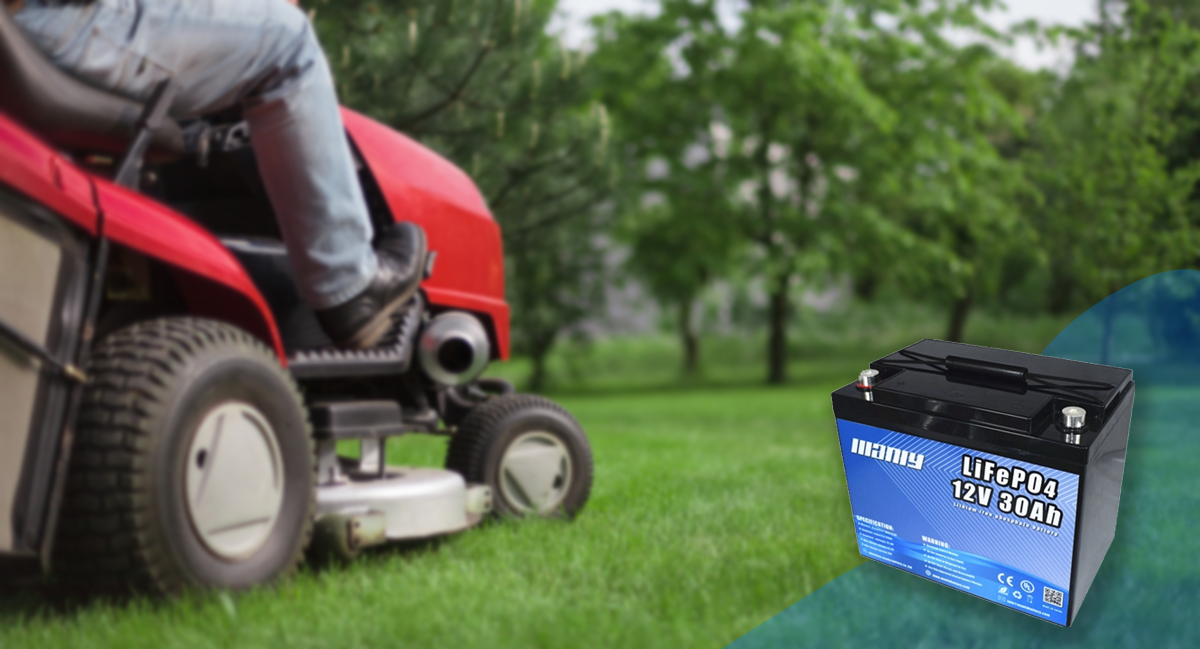
Image Source: manlybattery.com
The Lifespan of Your Lawn Tractor Battery
So, you’re wondering about lawnmower battery lifespan, specifically for your trusty lawn tractor. It’s a common question, and the answer isn’t a simple one-size-fits-all. While the general guideline is 3 to 5 years, many elements come into play. Let’s dive deep into what influences your tractor battery life expectancy and how you can get the most out of it.
Factors Affecting Lawn Tractor Battery Life
Several things can shorten or lengthen the life of your lawn tractor battery. Think of it like a human body – diet, exercise, and environment all play a role in longevity.
Usage Patterns
How often and how intensely you use your lawn tractor makes a big difference.
- Frequent Use: If you mow a large property regularly, your battery will naturally experience more charge and discharge cycles. This can lead to wear and tear.
- Infrequent Use: Believe it or not, not using your tractor can also be detrimental. Batteries can self-discharge over time, and if left uncharged for too long, they can become deeply discharged and damaged.
- Short Trips: Starting the tractor and running it for just a few minutes without fully recharging the battery can also reduce its lifespan. Each start requires a significant amount of power.
Environmental Conditions
The world around your tractor has a major impact on its battery.
- Temperature Extremes: Heat is a battery’s worst enemy. High temperatures accelerate the chemical reactions inside the battery, leading to faster degradation. Conversely, cold weather lawn tractor battery performance can be affected. In very cold temperatures, the battery’s capacity is reduced, and it might struggle to start the engine. While cold doesn’t typically damage a battery as much as heat, it makes starting harder.
- Humidity and Moisture: While not as direct an impact as temperature, excessive moisture can lead to corrosion on the battery terminals, hindering electrical flow.
Battery Quality and Type
Not all batteries are created equal. The initial quality and type of battery installed in your tractor matter.
- Standard Lead-Acid Batteries: These are the most common type found in lawn tractors. Their lifespan is generally within the 3-5 year range.
- Deep Cycle Batteries: Some users opt for deep cycle lawn mower battery options. These are designed to provide sustained power over longer periods, often used in RVs or boats. While they can offer more power and potentially longer life in certain applications, they are not always the ideal choice for the quick bursts of power needed to start a tractor. Their slower discharge rate might not align with the tractor’s electrical system demands.
Charging Habits
How you maintain the battery’s charge is crucial.
- Undercharging: If the battery isn’t fully recharged after use, its capacity can diminish over time.
- Overcharging: Modern tractors usually have alternators that regulate charging. However, older models or faulty charging systems could potentially overcharge a battery, causing damage.
- Trickle Charging: Using a trickle charger during off-season storage can help maintain the battery’s charge and prevent sulfation, a common cause of battery failure.
Signs Your Lawn Tractor Battery Needs Replacement
You don’t always have to wait for the battery to completely die to know it’s time for a change. Watch out for these warning signs:
- Slow Engine Crank: The most common indicator is the engine cranking slower than usual when you try to start it.
- Dimming Lights: If your tractor has headlights or other electrical components, dimming lights can signal a weak battery.
- Corrosion on Terminals: A white or blue powdery substance on the battery posts indicates corrosion, which impedes electrical flow.
- Swollen Battery Case: Heat can cause the battery case to bulge or warp, a serious sign of internal damage.
- Age: If your battery is over 3-5 years old, even if it seems to be working, it’s living on borrowed time.
How to Extend Lawn Tractor Battery Life
Protecting your investment and maximizing your riding mower battery duration is achievable with proper care and attention. Here’s how you can help your lawn tractor battery last longer:
Regular Lawn Tractor Battery Maintenance
Consistent lawn tractor battery maintenance is key to a long and healthy battery life.
Keep Terminals Clean
Corrosion is a battery’s silent killer.
- Inspect Regularly: Check the battery terminals for any signs of corrosion.
- Cleaning: If you see corrosion, disconnect the battery cables (negative first, then positive). Mix baking soda with water to create a paste. Apply the paste to the terminals with an old toothbrush or wire brush. Rinse with clean water and dry thoroughly. You can also use a specialized battery terminal cleaner.
- Protective Coating: After cleaning, apply a thin layer of dielectric grease or petroleum jelly to the terminals to prevent future corrosion.
Ensure Proper Charging
A well-maintained charge level is vital.
- Full Charge After Use: Whenever possible, ensure your tractor’s alternator fully recharges the battery after each mowing session.
- Off-Season Storage: If you store your tractor for the winter or extended periods, connect it to a trickle charger or a smart charger. These chargers maintain a constant low charge without overcharging the battery.
- Check Voltage: Periodically check the battery voltage with a voltmeter. A fully charged 12-volt battery should read around 12.6 volts.
Protect Against Extreme Temperatures
Minimize exposure to harsh weather.
- Summer Storage: If possible, store your tractor in a cool, shaded area during the hottest parts of the summer. Heat accelerates battery degradation.
- Winter Storage: In cold climates, if storing the tractor outdoors, ensure the battery is fully charged before winter. Consider removing the battery and storing it in a cool, dry place (not freezing) indoors, connected to a trickle charger.
Check Fluid Levels (If Applicable)
Some older or certain types of batteries are “serviceable,” meaning they have removable caps to check the electrolyte fluid levels.
- Distilled Water Only: If your battery has caps and the fluid level is low, top it off with distilled water only. Never use tap water, as minerals can damage the battery.
- Caution: Always wear eye protection and gloves when working with batteries, as the electrolyte is corrosive.
Smart Usage Habits
How you operate your tractor also impacts battery life.
- Avoid Frequent Short Starts: Try to complete your mowing in one go rather than starting and stopping the engine multiple times for short periods.
- Minimize Electrical Load When Starting: Turn off any accessories (like headlights) before attempting to start the engine. This allows the battery to direct its full power to the starter.
Choosing the Best Lawn Tractor Battery Life
When it’s time for a lawn tractor battery replacement, selecting the right one can make a difference.
Battery Types and Specifications
When you’re looking for the best lawn tractor battery life, consider these specifications:
- Group Size: Lawn tractors use specific battery group sizes (e.g., Group U1, Group 24). Ensure you buy a battery that matches your tractor’s specifications. The owner’s manual will tell you the correct group size.
- Cold Cranking Amps (CCA): This rating indicates how much power the battery can deliver in cold temperatures to start the engine. Higher CCA is generally better, especially if you live in a colder climate.
- Ampere-Hour (Ah) Rating: This indicates the battery’s capacity. A higher Ah rating means the battery can deliver a certain amount of current for a longer period.
- Reserve Capacity (RC): This tells you how long the battery can deliver a specific amount of current before its voltage drops below a usable level.
Understanding Battery Warranties
A good warranty can be a sign of a quality battery.
- Length of Warranty: Longer warranties (e.g., 2-3 years free replacement) often indicate that the manufacturer has confidence in their product’s durability.
- Pro-Rated vs. Free Replacement: Understand the difference. A free replacement warranty means the battery is replaced at no cost for the entire warranty period. A pro-rated warranty means you’ll get a credit towards a new battery, with the cost depending on how long you’ve had the old one.
Reputation of the Brand
Stick with reputable brands known for producing reliable batteries. Researching reviews can help you identify batteries that consistently deliver good tractor battery life expectancy.
The Impact of Cold Weather on Your Lawn Tractor Battery
We touched on cold weather lawn tractor battery performance, but it’s worth elaborating. Cold temperatures are the bane of battery efficiency.
- Reduced Capacity: Chemical reactions within the battery slow down in the cold. This means the battery’s ability to store and deliver power is reduced.
- Increased Starting Load: Engine oil thickens in the cold, making the engine harder to turn over. This requires more power from the battery, exacerbating the reduced capacity issue.
- Risk of Freezing: If a battery is discharged (even partially), the electrolyte is more susceptible to freezing. A frozen battery can crack the case and permanently damage it. This is why keeping your battery fully charged, especially before winter, is critical.
Lawn Tractor Battery Replacement Time
When is the lawn tractor battery replacement time? It’s not just about age, but performance.
- Age: As mentioned, 3-5 years is a general lifespan. If your battery is approaching this age, start thinking about replacements.
- Performance Degradation: If you notice consistent slow cranking, even after ensuring the battery is charged, it’s a strong indicator of a worn-out battery.
- Frequent Jump-Starts: If you find yourself needing to jump-start your tractor more often, the battery is likely failing.
- Failed Load Test: Most auto parts stores or battery specialists can perform a load test on your battery. This test simulates starting the engine and can accurately assess the battery’s health. If it fails, it’s time for a new one.
Deep Cycle Lawn Mower Battery Considerations
While standard flooded lead-acid batteries are common, let’s discuss the deep cycle lawn mower battery in more detail.
- How They Differ: Deep cycle batteries are designed for repeated deep discharges and recharges. They have thicker plates that are more resistant to the damage caused by discharging to a low state.
- When They Might Be Useful: If your lawn tractor has extensive electrical accessories that draw power while the engine isn’t running, or if you use it for very long periods without opportunity for full recharging, a deep cycle battery might offer benefits.
- Potential Downsides for Tractors: However, starting an engine requires a massive surge of power in a very short time (high Cold Cranking Amps – CCA). Standard automotive or tractor starting batteries are optimized for this. Deep cycle batteries often have lower CCA ratings, meaning they might struggle to start the engine, especially in cold weather. Their slower discharge capability isn’t typically beneficial for the primary task of starting a tractor.
- Cost: Deep cycle batteries are generally more expensive than standard starting batteries.
For most typical lawn tractor use, a high-quality standard starting battery is the better and more cost-effective choice.
Frequently Asked Questions (FAQ)
How often should I check my lawn tractor battery?
It’s good practice to check your lawn tractor battery visually for corrosion and cleanliness at the beginning of each mowing season and at least once mid-season. A quick voltage check with a voltmeter a couple of times a year can also be beneficial.
Can I use a car battery in my lawn tractor?
While technically possible if the physical size and terminal configuration match, it’s generally not recommended. Car batteries are designed for different discharge cycles. They are “starting” batteries optimized for high CCA for a short duration, whereas tractor batteries might have slightly different requirements, though the principle is similar. However, tractor batteries are typically smaller and fit specific trays. Using a car battery might also be overkill and not fit properly. Always refer to your tractor’s manual for the correct battery specifications.
My lawn tractor battery died over the winter. What should I do?
If your battery is completely dead, try to recharge it using a suitable battery charger. If it doesn’t hold a charge or crank the engine, it likely needs to be replaced. For future winters, ensure the battery is fully charged and consider using a trickle charger.
What’s the difference between a maintenance-free and a serviceable battery?
A maintenance-free battery is sealed and does not require checking or adding water. A serviceable battery has removable caps, allowing you to check the electrolyte level and add distilled water if needed. Most modern tractor batteries are maintenance-free.
How do I dispose of an old lawn tractor battery?
Lead-acid batteries are hazardous waste and should not be thrown in regular trash. Most auto parts stores, battery retailers, and recycling centers accept old batteries for proper disposal or recycling. Many places that sell new batteries will also take your old one.
By paying attention to these details, you can ensure your lawn tractor starts reliably every time and maximize the useful life of its battery.