
A riding lawn mower battery typically lasts between 3 to 5 years. However, this lifespan can be significantly influenced by several factors, including maintenance, usage patterns, and the quality of the battery itself. This article will delve into the intricacies of riding mower battery life, exploring what affects it, how to maximize it, and what to look for when it’s time for a replacement.
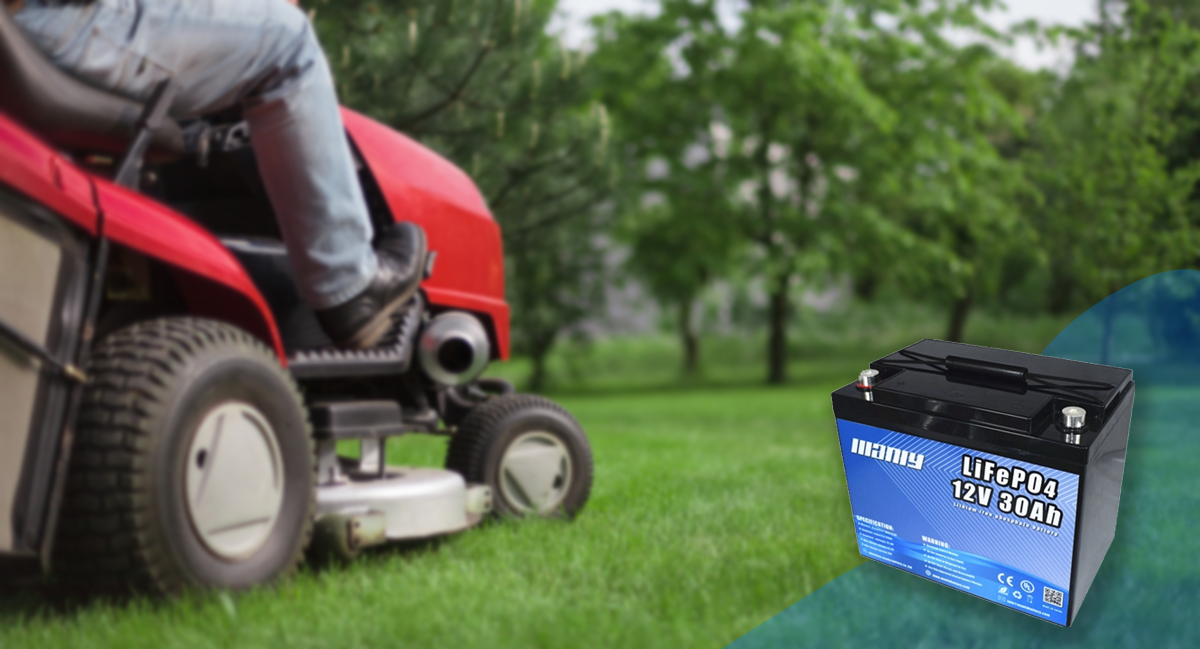
Image Source: manlybattery.com
Deciphering Riding Mower Battery Lifespan
The lawn tractor battery life isn’t a fixed number; it’s a dynamic range influenced by a symphony of elements. Think of it like the lifespan of a car battery – how you treat it greatly impacts how long it serves you. For your riding mower, understanding these influences is key to getting the most out of your investment.
Factors Affecting Riding Mower Battery Lifespan
Several elements play a crucial role in determining how long your riding mower battery will perform optimally.
- Usage Frequency and Duration: How often you mow and for how long directly impacts the battery’s cycle life. More frequent and longer mowing sessions mean more charge and discharge cycles, which can shorten its overall lifespan.
- Climate and Temperature: Extreme temperatures, both hot and cold, can be detrimental to battery health. High heat accelerates chemical reactions within the battery, leading to degradation. Very cold temperatures can reduce the battery’s cranking power and overall efficiency.
- Charging Habits: Improper charging is a major culprit behind premature battery failure. Overcharging can damage the battery plates, while undercharging can lead to sulfation, a buildup of lead sulfate crystals that impede the battery’s ability to hold a charge.
- Maintenance Practices: Regular cleaning of the battery terminals, checking electrolyte levels (for flooded lead-acid batteries), and ensuring a secure connection are vital for battery longevity.
- Battery Quality and Type: Not all batteries are created equal. Higher-quality batteries, often made with premium materials, tend to last longer. The type of battery also matters, with some designs being more robust than others.
- Deep Discharges: Allowing the battery to completely discharge frequently can significantly shorten its lifespan. Riding mower batteries are typically designed for starting engines and short bursts of power, not for deep cycling.
- Vibration: Excessive vibration, often caused by rough terrain or loose mounting, can physically damage the battery’s internal components and connections.
Typical Riding Mower Battery Life Expectancy
While 3 to 5 years is the general rule of thumb for riding mower battery lifespan, you might find some lasting as little as 2 years or as long as 7 years under ideal conditions. Factors such as the manufacturer’s reputation, the battery’s construction, and the aforementioned usage and environmental conditions all contribute to this variability.
Types of Riding Mower Batteries
Understanding the different types of batteries available for riding mowers can help you make a more informed choice when it’s time for a replacement. The most common type you’ll find is the lead-acid battery, but within this category, there are variations.
Flooded Lead-Acid (FLA) Batteries
- Description: These are the most traditional and often the most affordable type. They contain liquid electrolyte (a mixture of sulfuric acid and water) that covers the lead plates.
- Maintenance: FLA batteries typically require regular maintenance. You’ll need to check the electrolyte levels and top them up with distilled water as needed, as water can evaporate during charging.
- Performance: They offer good cranking power, which is essential for starting your mower’s engine.
- Lifespan: With proper maintenance, they can last 3-5 years.
Sealed Lead-Acid (SLA) Batteries
SLA batteries are a more convenient option as they require less maintenance. They are further divided into two subtypes:
Maintenance-Free (MF) / Valved Regulated Lead-Acid (VRLA) Batteries
- Description: These batteries are sealed and designed to prevent the escape of electrolyte. They are often referred to as “maintenance-free” because they don’t require topping up with water.
- Internal Design: They use a valve system to release excess gas pressure that can build up during charging.
- Performance: They offer reliable performance and are generally more resistant to vibration than FLA batteries.
- Lifespan: Typically last 3-5 years, similar to FLA, but with less user intervention.
Absorbed Glass Mat (AGM) Batteries
- Description: AGM batteries are a premium type of SLA battery. Their electrolyte is absorbed into fiberglass mats that are compressed between the lead plates.
- Advantages: They are known for their excellent vibration resistance, faster charging capabilities, and a lower riding mower battery discharge rate when not in use. They are also spill-proof and can be mounted in various orientations.
- Performance: Offer superior cranking power and can handle deeper discharges better than traditional flooded batteries.
- Lifespan: Can often last longer than FLA or standard SLA batteries, sometimes reaching 5-7 years with good care.
Lithium-Ion Batteries (Emerging Technology)
- Description: While not yet as common for traditional riding mowers as lead-acid batteries, lithium-ion (Li-ion) batteries are gaining traction, especially in newer electric or hybrid models.
- Advantages: They are significantly lighter, offer a much longer cycle life, and can be discharged deeper without significant damage. They also charge much faster.
- Cost: Currently, Li-ion batteries are more expensive upfront than lead-acid options.
- Lifespan: Can potentially last 10 years or more, depending on the specific chemistry and usage.
Factors Influencing Riding Mower Battery Capacity and Voltage
The riding mower battery capacity and riding mower battery voltage are critical specifications that determine its performance and compatibility with your mower.
Riding Mower Battery Voltage
- Standard Voltage: The vast majority of riding lawn mowers use a 12-volt (12V) electrical system. This is consistent with most automotive and small engine applications. When purchasing a replacement battery, ensure it matches the voltage of your original battery. Using a battery with a different voltage can damage your mower’s electrical system.
Riding Mower Battery Capacity
Battery capacity is usually measured in two ways:
- Cold Cranking Amps (CCA): This rating indicates the battery’s ability to start an engine in cold temperatures. A higher CCA rating means the battery can deliver more power to the starter motor, making it easier to start the mower, especially in cooler weather.
- Reserve Capacity (RC): This rating tells you how many minutes a fully charged battery can deliver 25 amps of current at 80°F (27°C) before its voltage drops below 10.5 volts. A higher RC means the battery can power accessories for a longer duration or sustain the mower’s electrical system if the alternator fails.
- Ampere-Hours (Ah): While less commonly advertised for starting batteries, this unit represents the amount of electrical charge the battery can deliver over time. A higher Ah rating generally signifies a greater overall energy storage capacity.
When selecting a replacement battery, it’s generally recommended to choose one with a CCA and RC rating that is equal to or greater than the original battery.
Maximizing Riding Mower Battery Life: Essential Maintenance
How to maintain riding mower battery is a straightforward process that can significantly extend its life. Neglecting these simple steps can lead to premature failure.
Regular Cleaning
- Terminal Cleaning: Over time, battery terminals can corrode, forming a white or bluish powdery substance. This corrosion impedes the flow of electricity. To clean them, disconnect the battery cables (always disconnect the negative terminal first, then the positive). Use a wire brush or a battery terminal cleaner to remove the corrosion. Once clean, reconnect the terminals (positive first, then negative) and apply a thin layer of dielectric grease or petroleum jelly to prevent future corrosion.
- Battery Case Cleaning: Keep the top of the battery clean and free from debris, dirt, and moisture. This prevents accidental short circuits.
Checking Electrolyte Levels (for Flooded Lead-Acid Batteries)
- Frequency: Check the electrolyte levels every few months, especially during periods of heavy use or after long periods of charging.
- Procedure: With the battery disconnected and the caps removed, visually inspect the level of the electrolyte in each cell. The electrolyte should cover the lead plates inside. If the level is low, add only distilled water until the plates are just covered. Never overfill, as the electrolyte level can rise during charging. Never use tap water, as minerals in tap water can damage the battery.
- Safety: Always wear safety glasses and gloves when handling battery acid.
Proper Charging Practices
- Use the Correct Charger: Always use a charger specifically designed for the type and voltage of your battery. A charger with an automatic shut-off or a trickle charge function is ideal to prevent overcharging.
- Charging Frequency: Recharge the battery after each use, especially if the mowing session was long or if the battery was significantly drained. Avoid leaving the battery in a discharged state for extended periods.
- Avoid Overcharging: Overcharging can cause excessive heat and damage the battery’s internal components. Modern smart chargers typically prevent overcharging.
- Storage Charging: If you store your riding mower for an extended period (e.g., during winter), it’s best to keep the battery charged. A battery tender or trickle charger will maintain the battery’s charge without overcharging it.
Secure Connections and Mounting
- Check Connections: Ensure that the battery cables are securely fastened to the battery terminals. Loose connections can cause intermittent power or prevent the battery from charging properly.
- Secure Mounting: Make sure the battery is securely mounted in its tray. Excessive vibration can damage the battery and its internal structure.
Monitoring Battery Health
- Voltage Checks: You can use a voltmeter to check the battery’s voltage. A fully charged 12V lead-acid battery should read around 12.6 volts or slightly higher when at rest. A reading below 12.4 volts may indicate a need for charging, and a reading consistently below 12 volts suggests the battery may be weakening.
- Load Testing: For a more accurate assessment of battery health, a load test is recommended. This can be done with a specialized battery tester that simulates the load of the starter motor. Most auto parts stores can perform this test for free.
When is it Time for Riding Mower Battery Replacement?
Knowing when to replace your riding mower battery is crucial to avoid being stranded mid-mow. Several signs indicate your battery might be nearing the end of its service life.
Signs of a Failing Battery
- Slow Engine Crank: If the engine cranks slower than usual, especially after a full charge, it’s a strong indicator the battery is losing its cranking power.
- Failure to Start: The most obvious sign is the mower failing to start at all, even after charging the battery.
- Corroded Terminals (Persistent): While cleaning can help, if corrosion quickly reappears even after cleaning and applying protectant, it might signal internal battery issues.
- Swollen or Warped Battery Case: This is a serious sign of internal damage, often caused by overcharging or extreme heat. A swollen battery should be replaced immediately.
- Leaking Electrolyte: If you notice any leakage of fluid from the battery case, it indicates damage and a potential safety hazard.
- Shortened Run Time: If your mower’s accessories (lights, electric PTO) start to dim or operate weakly, it suggests the battery can no longer hold a sufficient charge.
- Age: As mentioned, if your battery is consistently over 3-5 years old, even if it seems to be working, it’s wise to consider replacement before it fails unexpectedly.
Choosing the Best Riding Mower Battery
Selecting the best riding mower battery involves considering your mower’s specific needs and your budget.
Key Considerations When Buying a Replacement
- Size and Terminal Configuration: Batteries come in various physical sizes (Group sizes) and terminal types (e.g., top post, side post). You must ensure the new battery fits securely in your mower’s battery tray and that the terminals align correctly with your mower’s wiring. Refer to your mower’s owner’s manual for the correct Group size.
- Voltage: As discussed, stick to the 12V standard unless your mower specifies otherwise.
- CCA and RC Ratings: Aim for ratings equal to or exceeding your original battery. This ensures sufficient starting power and reserve capacity.
- Battery Type: For most users, a maintenance-free AGM battery offers the best balance of performance, convenience, and longevity. If budget is a primary concern and you don’t mind occasional maintenance, a flooded lead-acid battery can be a viable option.
- Brand Reputation and Warranty: Opt for reputable brands known for quality and reliability. Check the warranty period offered – a longer warranty often indicates a more durable product. Warranties typically range from 1 to 3 years for riding mower batteries.
Top Recommendations for Riding Mower Batteries (General Categories)
While specific model recommendations change rapidly, here are categories and brands often praised for their performance in riding mower applications:
-
Premium Performance (Often AGM):
- Odyssey: Known for their extreme vibration resistance, longevity, and high CCA.
- Xtreme Power: Another brand often recognized for robust construction and reliability.
- Optima: While more common in automotive, their YellowTop (DS) series can be suitable for demanding applications.
-
Mid-Range Performance (Often Maintenance-Free Lead-Acid or AGM):
- DieHard (Advance Auto Parts): A widely available and generally reliable option.
- EverStart Maxx (Walmart): Often a cost-effective choice with decent performance.
- ACDelco: A trusted name in batteries, offering good all-around performance.
-
Budget-Friendly (Often Flooded Lead-Acid):
- Look for batteries from lesser-known brands at big-box retailers or farm supply stores. Be prepared for potentially shorter lifespans and the need for more diligent maintenance.
Riding Mower Battery Replacement Process
Replacing a riding mower battery is usually a straightforward DIY task.
- Safety First: Wear gloves and eye protection.
- Disconnect Old Battery: Turn off the mower and remove the key. Disconnect the negative (-) terminal cable first, then the positive (+) terminal cable.
- Remove Battery: Unfasten any hold-down clamps or brackets securing the battery. Carefully lift the old battery out.
- Clean Tray and Terminals: Clean any corrosion or debris from the battery tray and the mower’s cable terminals.
- Install New Battery: Place the new battery into the tray, ensuring it’s oriented correctly for terminal connections.
- Secure Battery: Reinstall the hold-down clamps or brackets to secure the battery.
- Connect New Battery: Connect the positive (+) terminal cable first, then the negative (-) terminal cable. Tighten the terminals securely.
- Test: Start the mower to ensure everything is working correctly.
Frequently Asked Questions (FAQ)
Can I use a car battery in my riding mower?
While both are typically 12V, it’s generally not recommended. Car batteries are designed for short, high-current bursts to start an engine and have a different internal construction (e.g., plate thickness) than deep-cycle batteries or those designed for the consistent vibrations of a mower. Using a car battery might work in a pinch, but it will likely have a shorter lifespan and may not provide optimal performance for your riding mower.
How do I know if my riding mower battery needs charging?
The most common sign is a slow or weak engine crank. If your mower struggles to start or doesn’t start at all, and you suspect the battery, it’s time to charge it. Checking the battery’s voltage with a voltmeter is also a good indicator. A reading below 12.4V suggests it needs charging.
What is the riding mower battery discharge rate?
The discharge rate refers to how quickly a battery loses its charge, either through use or self-discharge. Batteries with a lower self-discharge rate (like AGM) will hold a charge longer when not in use. When the mower is running, the battery provides power for starting and then acts as a buffer for the electrical system while the alternator recharges it. A high electrical demand from accessories can also increase the discharge rate.
Does leaving my riding mower outside affect the battery life?
Yes, definitely. Extreme temperatures (both hot and cold) and moisture can significantly reduce battery life. Storing your mower in a garage or shed will protect the battery from these elements and help prolong its lifespan.
How long does a riding mower battery take to charge?
The riding mower battery charge time varies greatly depending on the charger’s amperage output and the battery’s state of discharge. A standard charger might take several hours (6-12 hours or more) to fully charge a deeply discharged battery. A higher amperage charger or a smart charger with a “boost” function can charge it faster, but it’s crucial to follow the charger’s instructions to avoid overcharging.
In conclusion, the lifespan of a riding lawn mower battery is a complex interplay of quality, care, and environmental factors. By understanding these influences, performing regular maintenance, and making informed choices when purchasing a replacement, you can ensure your trusty mower starts reliably season after season.