
Wondering how long it takes for lawn seed to grow? Generally, you can expect to see grass sprouting within 7 to 14 days, but a truly established lawn takes 4 to 6 weeks for initial growth and up to a full year for complete maturity.
Starting a new lawn or refreshing an old one with grass seed can feel like a waiting game. You sow the seeds, water diligently, and then… you wait. But how long exactly does it take for that green carpet to appear and thicken? The answer isn’t a single number; it depends on many things. Let’s dive deep into the lawn seeding process to figure out the timeline.
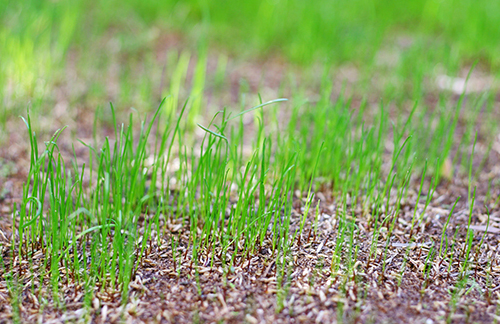
Image Source: www.thegrassmaster.com
The Seed’s Journey: From Soil to Sprout
The first magical moment is when the seed cracks open and a tiny root emerges. This is called germination time. For most common grass types, this can start as early as 5 days after sowing, but it typically takes 1 to 2 weeks. Factors like temperature, moisture, and the type of seed all play a role here.
Factors Affecting Growth Time
Several things influence how quickly your grass grows:
- Grass Type: Different grass species have different germination time requirements. Cool-season grasses like fescue and ryegrass often germinate faster than warm-season grasses like Bermuda or Zoysia.
- Soil Temperature: Seeds need the right soil temperature to wake up and start growing. Too cold, and they won’t sprout. Too hot, and they might die.
- Moisture: Consistent moisture is crucial. Seeds need to stay damp, but not waterlogged, to germinate.
- Sunlight: Most grass seeds need sunlight to grow, though some can tolerate shade.
- Soil Quality: Healthy soil with good drainage and nutrients will help seeds establish faster.
- Weather: Unexpected frosts, droughts, or extreme heat can slow down or even kill young seedlings.
- Seed Depth: Planting seeds too deep or too shallow can affect their ability to sprout and grow.
How Long For Grass To Appear?
So, you’ve seeded. When will you see green?
* Fast Germinators: Some ryegrass varieties can start showing green shoots in as little as 5-7 days.
* Average Germination: Most common lawn grasses will begin to appear between 7-14 days.
* Slow Starters: Certain types, especially some finer fescues or warm-season grasses, might take a bit longer, up to 21 days.
It’s important to remember that this is just the initial sprouting. Seeing the first green blades is exciting, but it’s not the end of the journey.
From Sprout to Established Lawn: The Growth Timeline
Once you see those first green shoots, the real work of building a lawn begins. This is about seed to sod conversion in a way – transforming tiny seedlings into a thick, resilient turf.
Initial Growth (First 4-6 Weeks)
In the first month or so, your new grass will be delicate. You’ll see it thicken up, but it won’t be ready for heavy foot traffic or mowing yet.
- Week 1-2: Germination and initial sprouting.
- Week 3-4: Seedlings are visible and starting to establish roots. They are still very fragile.
- Week 4-6: The grass is noticeably thicker and taller. It might be around 2-3 inches high. At this stage, you can often perform the first mowing, but it’s crucial to do it carefully.
Establishing the Lawn (1-3 Months)
This is a critical period where the grass develops a strong root system. This helps it survive drought, disease, and wear.
- Month 1-2: The grass continues to grow and spread. Roots are digging deeper. You can usually mow more regularly, but still avoid stressing the grass.
- Month 2-3: The lawn should be looking much more uniform and denser. It’s becoming more robust.
Seeding to Mature Grass: The Full Picture
Achieving a truly mature, healthy lawn takes time. This means the grass has reached its full potential in terms of density, color, and root depth.
- 6 Months: Your lawn should be well-established and able to handle normal activity. The grass will be thicker and greener.
- 1 Year: For cool-season grasses, a full year allows them to go through all seasons and truly solidify their root systems. Warm-season grasses will spread and fill in during their growing season, but their full maturity might also take a year or more to look their absolute best.
Overseeding Growth Period: A Different Timeline
If you’re overseeding growth period means adding new seed to an existing lawn, the timeline can be slightly different, and often faster, because the existing grass provides some protection and a more favorable environment.
- Germination: Similar to starting from scratch, you’ll see grass seed sprouting in 7-14 days.
- Establishment: The new grass will blend in with the old more quickly, often looking good within 3-4 weeks. However, it still needs time to strengthen its roots.
- Full Integration: For the new seed to fully integrate and thicken the lawn, allow 4-6 weeks before subjecting it to heavy activity.
Best Time to Seed Grass
Timing is incredibly important for successful lawn growth. The best time to seed grass depends on your climate and the type of grass you’re using.
Cool-Season Grasses (Kentucky Bluegrass, Fescue, Ryegrass)
- Fall: This is often considered the best time to seed grass for cool-season varieties. The soil is still warm from summer, but the air temperatures are cooling down. This allows for good germination and establishment before winter. Aim for late August to mid-September in many regions.
- Spring: Spring is the second-best option. You want to seed after the last frost but before the summer heat sets in. Late March to early May is generally a good window.
Warm-Season Grasses (Bermuda, Zoysia, St. Augustine)
- Late Spring to Early Summer: These grasses thrive in heat. The best time to seed grass for warm-season types is when soil temperatures are consistently warm, typically from May through July. They need a long, warm growing season to establish well.
Lawn Seeding Process: Key Steps for Success
The lawn seeding process involves more than just throwing seed on the ground. Each step helps ensure the seeds have the best chance to grow.
- Prepare the Soil:
- Remove debris: Clear away rocks, weeds, and old grass.
- Loosen the soil: Till or aerate the soil to a depth of 4-6 inches. This helps roots grow and improves drainage.
- Add compost: Mix in about 1-2 inches of compost to enrich the soil.
- Choose the Right Seed: Select a grass type suited to your climate, soil conditions, and desired lawn appearance.
- Sow the Seed:
- Use a spreader for even distribution.
- Follow the recommended seeding rate for your chosen grass type.
- Cover the Seed: Lightly rake the seed into the top 1/4 inch of soil. This ensures good seed-to-soil contact.
- Water Properly:
- Keep the seedbed consistently moist. This means light watering several times a day until germination.
- Once the grass is growing, gradually reduce watering frequency but increase the amount each time to encourage deeper root growth.
- Mow Carefully:
- Wait until the grass is about 3 inches tall.
- Use a sharp mower blade and only remove one-third of the blade height.
- Never mow when the grass is wet.
- Fertilize: Use a starter fertilizer that is low in nitrogen and high in phosphorus to encourage root development.
What is the Ideal Soil Temperature for Germination?
The ideal soil temperature for grass seed sprouting varies by grass type.
* Cool-Season Grasses: Prefer soil temperatures between 50°F and 65°F (10°C and 18°C).
* Warm-Season Grasses: Need warmer soil, ideally between 70°F and 90°F (21°C and 32°C).
Using a soil thermometer is the best way to gauge this.
Can I Speed Up the Grass Growth Process?
While you can’t magically make grass grow overnight, you can optimize the conditions for faster growth.
- Choose fast-germinating seed varieties: Ryegrass is known for its quick sprouting.
- Ensure perfect soil conditions: Good soil, proper pH, and adequate nutrients are vital.
- Maintain consistent moisture: Don’t let the seedbed dry out.
- Use a starter fertilizer: This provides the necessary nutrients for early root growth.
- Mulch lightly: A thin layer of straw or peat moss can help retain moisture and protect seeds from birds.
Factors Affecting Growth Time Table
Let’s break down how different factors influence how long it takes for your lawn to grow.
| Factor | Impact on Growth Time | Notes |
|---|---|---|
| Grass Type | Significant | Fast germinators sprout sooner; slow growers take longer to establish. |
| Soil Temperature | Crucial | Too cold or too hot will prevent or hinder germination and growth. |
| Moisture Levels | Essential | Consistent moisture needed for germination; adequate watering for growth. |
| Sunlight Exposure | Important | Most grasses need sun; shade can slow growth or require specific varieties. |
| Soil Quality & Nutrients | Influential | Rich, well-drained soil promotes faster, stronger growth. |
| Seeding Depth | Affects success | Too deep or shallow can prevent sprouting or lead to weak seedlings. |
| Weather Conditions | Variable | Ideal temperatures and rainfall accelerate growth. |
| Weed Competition | Negative impact | Weeds steal water, nutrients, and sunlight from young grass. |
| Mowing Practices | Affects long-term health | Proper mowing encourages density; improper mowing stresses the grass. |
| Overseeding vs. New Lawn | Slightly shorter establishment time | Existing grass offers some protection and a beneficial microclimate. |
Who Benefits from Faster Grass Growth?
Anyone looking to quickly establish a lawn, whether for aesthetic reasons, to prevent soil erosion, or for a specific event, benefits from understanding the factors that accelerate growth. Homeowners wanting a lush lawn for summer gatherings, or contractors needing to complete projects on schedule, all gain from optimizing the lawn seeding process.
Frequently Asked Questions (FAQ)
Q1: How long does it take for grass seed to sprout after I water it?
A1: You can typically expect to see grass seed sprouting within 7 to 14 days, though some varieties may start as early as 5 days.
Q2: My grass seed hasn’t sprouted after a week. Is that normal?
A2: Yes, it’s quite normal for some grass seeds to take up to two weeks to sprout. Ensure the soil stays consistently moist. If nothing appears after three weeks, there might be an issue with the seed viability, soil temperature, or moisture.
Q3: When can I mow my new lawn?
A3: Wait until the grass reaches about 3 inches in height. This usually takes around 4 to 6 weeks after germination. Always use a sharp blade and cut only the top third of the grass blade.
Q4: Can I walk on my newly seeded lawn?
A4: It’s best to avoid walking on your new lawn as much as possible during the germination and establishment phases (the first 4-6 weeks). Lightly walking on it will not cause significant harm, but avoid heavy activity or playing on it until it’s more established.
Q5: How often should I water a new lawn?
A5: When the seed is actively germinating, water lightly but frequently, perhaps 2-3 times a day, to keep the top layer of soil moist. Once the grass has grown a few inches, you can transition to watering less often but more deeply, about once or twice a week depending on weather.
Q6: What is the difference between germination and establishment?
A6: Germination is the process where the seed coat cracks open and the first root and shoot emerge. Establishment is when the grass plant has developed a good root system and enough leafy growth to survive mowing and normal environmental stresses. It takes much longer to establish than it does to germinate.
Q7: How long until my lawn is fully mature?
A7: While you’ll see significant growth in 4-6 weeks, it can take a full year for a lawn to reach complete maturity, allowing it to develop its full density, color, and root strength through all seasons.
Q8: Is overseeding faster than starting a new lawn?
A8: While the initial grass seed sprouting time is the same, an overseeding growth period often appears to yield results faster because the new grass blends into an existing lawn. The time to establish lawn for overseeded areas might be slightly shorter as they benefit from the existing soil structure and some protection.
In summary, patience and proper care are key when growing a lawn from seed. By understanding the factors affecting growth time and following best practices in the lawn seeding process, you can help your new grass thrive and achieve that lush, green carpet you desire.