
Determining how long to water your lawn in summer involves a few key factors, but generally, aim for about 1 to 1.5 inches of water per week, applied in one to two watering sessions. This promotes deep root growth, crucial for lawn health during hot, dry periods.
Summer lawn watering can feel like a science, especially when the sun beats down relentlessly. You want a lush, green carpet of grass, but you also want to be smart about water usage. Getting the summer lawn watering schedule right is vital for your lawn’s survival and for keeping your water bill from skyrocketing. This guide will help you decipher exactly how long you should be watering your lawn to ensure it thrives.
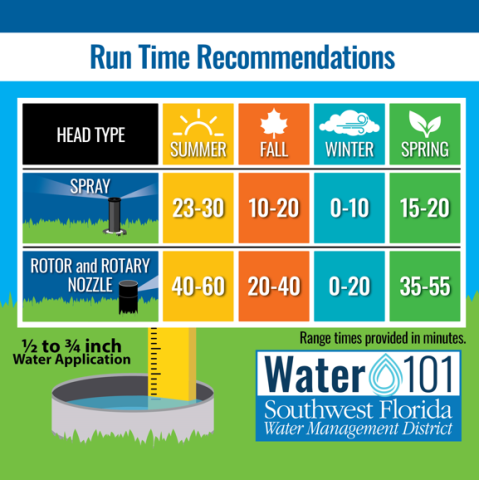
Image Source: www.swfwmd.state.fl.us
Why Deep Watering is Key in Summer
When summer arrives, temperatures climb, and evaporation rates increase significantly. This means your lawn needs more attention. Watering too shallowly, even if done frequently, encourages grass roots to stay near the surface. When the surface dries out, the shallow roots can’t access moisture, leading to a stressed, wilting lawn.
Deep watering grass is the opposite of this. It means applying enough water to soak the soil down to a depth of 4-6 inches. This encourages the grass roots to grow deeper in search of moisture. Lawns with deep root systems are far more resilient. They can better withstand periods of drought and heat, and they require less frequent watering overall once established. This approach also helps your lawn develop good lawn drought tolerance.
Best Time to Water Your Grass
The best time to water grass in the summer is early in the morning, ideally between 4 AM and 10 AM. There are several reasons for this:
- Reduced Evaporation: Temperatures are cooler, and the sun is not at its peak intensity. This means more water actually reaches the grass roots instead of evaporating into the air.
- Disease Prevention: Watering in the morning allows the grass blades to dry off thoroughly during the day. Wet foliage overnight can create a breeding ground for fungal diseases.
- Water Pressure: Water pressure is often higher in the early morning, leading to more efficient irrigation.
While early morning is ideal, late afternoon is the second-best option if you miss the morning window. However, avoid watering in the heat of the day or late at night. Watering during the hottest part of the day leads to massive water loss through evaporation. Watering in the evening or at night leaves the grass wet for extended periods, increasing the risk of disease.
How Long to Water: The Golden Rule
So, how long should you run your sprinklers? The goal is to apply 1 to 1.5 inches of water per week. The actual time this takes depends on your sprinkler system’s output.
Measuring Sprinkler Output:
- Place Collection Devices: Scatter several empty tuna cans or straight-sided containers (like cat food cans) across the area your sprinkler covers. Try to place them in different spots, including areas that might get more or less water.
- Run Your Sprinkler: Turn on your sprinkler for a set amount of time, say 15 or 30 minutes.
- Measure the Water: After the set time, measure the depth of water collected in each container using a ruler.
- Calculate Average: Average the depths of water collected. For example, if you have 0.5 inches in one can and 0.75 inches in another, your average is 0.625 inches.
- Determine Watering Time: If your sprinklers deliver 0.5 inches of water in 30 minutes, you’ll need to run them for 1 hour to deliver 1 inch of water. If your goal is 1.5 inches per week, you’d aim for 1.5 hours total.
General Guidelines for Watering Duration:
- For most sprinkler systems: This often translates to running your sprinklers for about 20-30 minutes per zone in a single watering session to deliver approximately 0.5 inches of water.
- To reach 1-1.5 inches weekly: You’ll likely need to water for 40-60 minutes per zone, once or twice a week.
It’s crucial to remember that this is a general guideline. Factors like soil type, grass type, and current weather conditions will influence your lawn irrigation frequency and duration.
Factors Influencing Watering Duration and Frequency
1. Soil Type:
- Sandy Soils: Water drains through quickly. You may need to water more frequently, but for shorter durations each time, to avoid water running off before it soaks in.
- Clay Soils: Water drains slowly. It’s better to water less frequently but for longer durations to allow the water to penetrate deeply. Overwatering clay soil can lead to waterlogging and root rot.
- Loamy Soils: A good balance, holding moisture well but also draining adequately. These soils are the easiest to manage and generally respond well to the standard deep watering approach.
2. Grass Type:
Different grass species have varying water needs and lawn drought tolerance.
- Cool-Season Grasses (e.g., Kentucky Bluegrass, Fescue, Ryegrass): Generally require more water, especially during hot spells, and may need more frequent watering. They can go dormant during extreme heat if not watered.
- Warm-Season Grasses (e.g., Bermuda, Zoysia, St. Augustine): Are naturally more drought-tolerant and can often survive on less water once established. They may go dormant and turn brown during prolonged dry periods but will often recover with rain or watering.
3. Weather Conditions:
- Temperature: Hotter temperatures mean more evaporation and higher water needs for your lawn.
- Wind: Windy conditions also increase evaporation rates, so you might need to water slightly longer.
- Rainfall: Always adjust your watering schedule based on natural rainfall. If you receive significant rain, skip a watering session.
4. Sun Exposure and Shade:
Areas that receive full sun all day will dry out much faster than shaded areas. You might need to adjust watering times or duration for different parts of your lawn.
Watering Established Lawns vs. Watering New Sod in Summer
Watering Established Lawns:
Established lawns benefit most from deep watering grass techniques. The goal is to encourage deep root growth, making the lawn more resilient.
- Frequency: Once or twice a week is usually sufficient, provided you’re applying the right amount of water each time.
- Duration: Aim for 40-60 minutes per zone, delivering 1-1.5 inches of water in total for the week.
- Observation: Pay attention to your lawn. If it starts to look dull or footsteps remain visible for a long time after being made, it’s a sign it needs water.
Watering New Sod in Summer:
Watering new sod summer presents a unique challenge. Newly laid sod needs consistent moisture to establish its root system and bond with the soil underneath.
- Initial Watering: Immediately after laying sod, water it thoroughly until the soil underneath is moist, but not saturated. This is critical.
- First Few Days: Water lightly but frequently, perhaps 2-3 times a day, for shorter durations. The goal is to keep the sod and the top inch of soil consistently moist. This prevents the sod from drying out and dying.
- After a Week: Gradually reduce the frequency of watering while increasing the duration. Aim to water deeply every other day, for about 15-20 minutes per session, ensuring the soil beneath the sod is moist.
- Weeks 2-4: Continue to monitor the sod. As roots begin to establish, you can transition to a schedule similar to established lawns, focusing on deep watering 2-3 times per week.
- Check for Adhesion: Gently lift a corner of the sod. If it resists and feels firmly attached to the soil, the roots are likely establishing.
Signs of an Underwatered Lawn
It’s important to be able to recognize when your lawn isn’t getting enough water. Here are key signs of an underwatered lawn:
- Color Change: The grass will lose its vibrant green color and start to look dull or grayish-green.
- Footprint Test: If you walk on the grass and the footprints remain visible for a long time before springing back, it’s a strong indicator of dryness. Healthy grass blades contain enough moisture to spring back quickly.
- Leaf Blade Curling or Folding: Grass blades will begin to curl inward or fold lengthwise to conserve moisture.
- Wilting and Browning: In more severe cases, the grass will visibly wilt, and patches may start to turn brown and crispy.
- Hard Soil: The soil itself will become dry and hard, making it difficult for water to penetrate.
Lawn Watering Tips for Efficiency and Conservation
Water Conservation Lawn is not just about saving money; it’s about responsible resource management. Here are some essential lawn watering tips to maximize efficiency:
- Use a Rain Gauge: Keep a rain gauge in your yard to accurately track how much natural precipitation your lawn receives. This prevents overwatering.
- Adjust Sprinkler Heads: Ensure your sprinkler heads are adjusted correctly to water the lawn, not sidewalks or driveways. Wobble heads or adjust spray patterns as needed.
- Consider Drip Irrigation or Soaker Hoses: For garden beds and shrubbery, these methods are far more efficient than sprinklers, delivering water directly to the root zone and minimizing evaporation.
- Mulch: Apply a layer of mulch around trees and shrubs. Mulch helps retain soil moisture, reduces weed growth, and regulates soil temperature.
- Water Deeply, Less Often: This is the golden rule for promoting strong root systems. Avoid frequent, shallow watering, which is inefficient and encourages shallow roots.
- Aeration: Aerating your lawn annually or bi-annually improves soil structure, allowing water and nutrients to penetrate more easily to the roots.
- Choose Drought-Tolerant Grasses: When establishing a new lawn or overseeding, consider grass varieties that are naturally more resistant to drought. This significantly reduces your watering needs.
- Smart Controllers: Invest in a smart sprinkler controller that adjusts watering schedules based on local weather forecasts and soil moisture sensors.
- Check for Leaks: Regularly inspect your irrigation system for leaks or broken sprinkler heads. Even small leaks can waste a significant amount of water.
Troubleshooting Common Summer Watering Issues
- Water Pooling or Runoff: This usually indicates you’re watering too fast for your soil type (especially clay) or the ground is compacted. Water in shorter cycles, allowing water to soak in between cycles.
- Brown Patches: This can be a sign of under-watering, but it can also be caused by disease, insect infestation, or compacted soil preventing water from reaching the roots. Inspect the brown patches closely.
- Yellowing Grass: While it can be a sign of over-watering (suffocating roots), it can also be due to a lack of nutrients. A soil test can help determine if fertilization is needed.
Watering Established Lawns: A Deeper Dive
Established lawns have had time for their root systems to develop. The focus for watering established lawns should always be on encouraging that root system to go as deep as possible. This makes the lawn inherently more robust and less dependent on constant moisture.
The ideal scenario:
- Watering frequency: Once or twice a week.
- Watering duration per session: Enough to moisten the soil to a depth of 4-6 inches. For most systems, this is around 30-45 minutes per zone.
- Total weekly water: 1 to 1.5 inches.
If your soil is sandy, you might need to water more often (e.g., every 3-4 days) but for shorter durations to prevent leaching. If your soil is clay, you might water every 5-7 days, but for slightly longer durations if your sprinklers are low-output, or simply ensure you’re getting the full 1-1.5 inches in that single, longer session.
Why not water every day?
Daily, light watering encourages shallow roots. Imagine a plant that only ever gets water right at the surface. Its roots will never venture deeper. If the surface dries out for even a day, the plant suffers immensely because it has no reservoir of moisture below. Deep watering trains the grass to seek water, creating a more resilient plant that can handle fluctuations in moisture.
Lawn Drought Tolerance: Building Resilience
Improving your lawn drought tolerance is an ongoing process, not just something you think about when the heat hits.
- Proper Mowing Height: Mow your grass higher in the summer. Taller grass shades the soil, keeping it cooler and reducing moisture evaporation. It also encourages deeper root growth. Aim for 3-4 inches for most cool-season grasses.
- Avoid Over-Fertilizing: Excess nitrogen can promote lush, leafy growth that demands more water. Fertilize appropriately and at the right times of the year.
- Reduce Thatch: A thick layer of thatch can prevent water from reaching the soil. Dethatch your lawn when necessary.
- Aeration: As mentioned, aeration is crucial for water penetration and root development.
Watering New Sod in Summer: A Critical Window
Watering new sod summer requires diligence. Imagine the sod as a new transplant. It has no established root system to draw moisture from the soil. It’s entirely dependent on you.
- The Squeeze Test: To check if your sod is moist enough, pick up a piece of sod and squeeze it. If water drips out, it’s too wet. If it feels dry and crumbles, it’s too dry. You want it to feel damp, like a wrung-out sponge.
- Monitor Weather: If you have extremely hot or windy conditions, you’ll need to water more frequently, even within the first few days.
- Edge Watering: Pay special attention to the edges of the sod rolls. These are often the first to dry out.
Frequently Asked Questions About Summer Lawn Watering
Q1: How often should I water my lawn in summer?
Generally, water your lawn deeply once or twice a week, depending on your grass type, soil, and weather. The goal is to provide 1 to 1.5 inches of water per week in total.
Q2: Can I water my lawn in the middle of the day?
It’s best to avoid watering in the middle of the day. Much of the water will evaporate before it can reach the roots, making it inefficient and a waste of water. Early morning is the ideal time.
Q3: My lawn has brown spots. Is it not getting enough water?
Brown spots can be a sign of under-watering, but they can also be caused by disease, insect pests, or dry, compacted soil. Inspect the area to determine the cause. If the soil is dry and the grass blades are brittle, it’s likely an issue with water.
Q4: Do I need to water my lawn every day in summer?
No, watering every day is usually not necessary and can be detrimental. It encourages shallow root growth. Deep watering 1-2 times a week is more beneficial for long-term lawn health and resilience.
Q5: How can I tell if I’m watering too much?
Signs of over-watering include grass that is constantly wet, a musty odor from the soil, fungal diseases appearing (like brown patch or dollar spot), and the soil remaining saturated for extended periods, which can lead to root rot.
Q6: Is it okay to water my lawn at night?
It’s generally not recommended to water your lawn at night. The grass blades will remain wet overnight, creating an ideal environment for fungal diseases to develop.
Q7: How do I know if my sprinklers are covering the entire lawn evenly?
Perform the tuna can test (or use any straight-sided containers). Place containers around your lawn and measure how much water collects in each after a set period. This helps you identify dry spots or areas that are receiving too much water.
By following these guidelines, you can ensure your lawn receives adequate hydration throughout the summer months, leading to a healthy, vibrant, and resilient turf that can withstand the heat and dry conditions. Remember to observe your lawn, adapt your watering to the specific conditions, and always prioritize efficiency and conservation.