
Image Source: www.lot-lines.com
How Long Should Lawn Sprinklers Run For Healthy Grass and Water Conservation
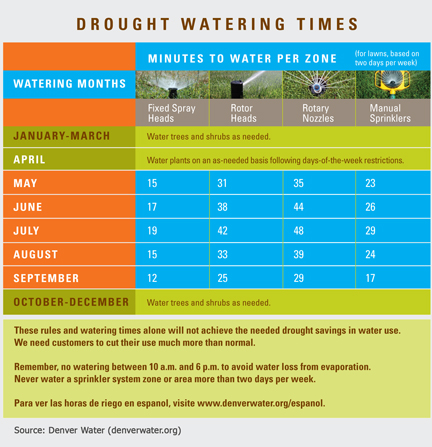
The ideal lawn sprinkler run time varies, but generally, most lawns benefit from deep, infrequent watering. For healthy grass, aim for about 1 to 1.5 inches of water per week, applied in one to three watering sessions. This encourages deep root growth, making your lawn more resilient to drought and disease.
Why Deep Watering Matters
Watering your lawn deeply is crucial for developing strong, healthy grass. When sprinklers run for a shorter duration but more frequently, the water only saturates the top layer of soil. This encourages shallow root systems, making the grass more susceptible to drying out during hot weather and less able to absorb nutrients efficiently.
Conversely, watering lawn deeply means allowing your sprinklers to run long enough to penetrate the soil at least 4 to 6 inches deep. This encourages the grass roots to grow downwards in search of moisture, creating a robust and resilient turf. Deep watering also means you can water less often, which is beneficial for both the grass and water conservation.
Factors Influencing Sprinkler Run Time
Several factors dictate the optimal lawn sprinkler run time. Ignoring these can lead to overwatering or underwatering, both detrimental to grass health and wasteful of water.
Soil Type
The type of soil in your yard plays a significant role.
- Sandy Soils: These drain quickly. Water may not have enough time to soak in deeply if the sprinklers run too long at once, leading to runoff. You’ll need to water more frequently for shorter periods, but still aim for depth.
- Clay Soils: These soils absorb water slowly. If sprinklers run too long, water can pool on the surface, leading to runoff and potentially fungal diseases. It’s better to water for a shorter duration, allow it to soak in, and then repeat if necessary.
- Loam Soils: These are ideal, offering a good balance of drainage and water retention. They can generally handle longer watering periods more effectively.
Grass Type
Different grass species have varying lawn watering needs. Cool-season grasses (like fescue and bluegrass) typically need more water than warm-season grasses (like Bermuda and Zoysia) during their active growing periods. Research the specific needs of your grass type.
Weather Conditions
- Temperature: Hotter temperatures mean more evaporation. You may need to increase sprinkler watering duration or frequency during heatwaves.
- Wind: Windy conditions can significantly affect sprinkler distribution, blowing water away from the intended areas. Adjust your sprinkler system schedule and consider watering when it’s less windy.
- Rainfall: Always check the weather forecast. If rain is expected, skip or shorten your watering cycle to conserve water.
Sprinkler Type and Output
The type of sprinklers you use and their output rate directly impact sprinkler watering duration.
- Rotor Sprinklers: These typically have a lower output rate and a longer spray distance, often requiring longer run times to deliver the same amount of water as spray heads.
- Spray Heads: These deliver water in a finer mist and usually have a higher output rate, meaning shorter run times are needed.
You can determine your sprinkler’s output rate by placing empty tuna cans or rain gauges in different areas of your lawn and running the system for a set time (e.g., 15 minutes). Measure the water collected in each can to calculate the average output in inches per hour.
Time of Year and Grass Growth Stage
- Spring: As the grass starts to grow, its water needs increase.
- Summer: This is peak growth season, and often the hottest. Deep watering is essential, but be mindful of potential disease if watering too late in the day.
- Fall: Grass growth slows down, and it prepares for dormancy. Watering needs decrease.
- Dormancy: Grass in dormancy requires very little water, often just enough to keep the crowns from drying out completely.
How Often to Water Lawn
The question of how often to water lawn is as important as duration. The goal is to allow the soil to dry out slightly between watering sessions. This encourages roots to grow deeper.
- General Guideline: For most established lawns, watering 1-3 times per week is sufficient, provided each session delivers adequate water.
- Signs of Thirst: Look for wilting grass that doesn’t spring back when you step on it, or a bluish-gray tint to the turf. These indicate your lawn needs water.
- Avoiding Overwatering: Overwatering can lead to shallow roots, increased disease susceptibility, and nutrient leaching. Yellowing or browning patches that aren’t due to drought can be a sign of overwatering.
The Best Time to Water Lawn
The best time to water lawn is early in the morning, typically between 4 AM and 10 AM.
-
Why Morning Watering?
- Reduced Evaporation: Cooler temperatures and less wind in the morning mean more water reaches the grass roots.
- Disease Prevention: Watering in the morning allows the grass blades to dry off throughout the day, reducing the risk of fungal diseases that thrive in prolonged moisture.
- Efficiency: Water pressure is often higher in the morning, contributing to sprinkler system efficiency.
-
When to Avoid Watering:
- Midday: High temperatures and direct sun cause significant water loss through evaporation.
- Evening/Night: While it might seem like a good time to conserve water, keeping the grass wet overnight creates a perfect environment for fungal growth and diseases.
Creating an Effective Sprinkler System Schedule
Developing a sound sprinkler system schedule is key to healthy grass and efficient water use. This involves understanding your lawn’s specific needs and adjusting based on the factors discussed earlier.
Calculating Watering Needs
As mentioned, aim for 1 to 1.5 inches of water per week. If your sprinklers apply 0.5 inches per hour, you would need to run them for 2 to 3 hours per week. This total duration should be broken down into 1-3 watering sessions.
Adjusting Your Schedule
- Seasonal Adjustments: Decrease watering frequency and duration in cooler months and increase them during hot, dry periods.
- Rain Sensor: Install a rain sensor on your sprinkler system. This device automatically suspends watering when sufficient rainfall has occurred, preventing unnecessary water use.
- Smart Controllers: Modern sprinkler controllers can adjust schedules based on weather data, soil moisture levels, and plant types, significantly enhancing sprinkler system efficiency.
- Soil Moisture Levels: Use a soil moisture meter to check how deep the water has penetrated after watering. The goal is 4-6 inches. If it’s less, your sprinkler watering duration needs to be longer. If it’s more, and the soil is saturated, you might be overwatering or need to adjust your irrigation method.
Water Conservation Tips for Lawn Care
Water conservation tips are vital for responsible lawn maintenance and protecting our planet’s resources. Even with efficient sprinklers, mindful practices can make a big difference.
- Water Only When Necessary: Don’t water on a fixed schedule if it’s not needed. Observe your lawn for signs of thirst.
- Deep and Infrequent Watering: This is the cornerstone of water-wise lawn care.
- Mulch: Apply mulch around trees and plants to retain soil moisture.
- Drought-Tolerant Landscaping: Consider replacing some of your turf with native plants or drought-tolerant ground cover that require less water.
- Proper Mowing: Mowing your grass at the correct height (usually 3-4 inches for most cool-season grasses) helps shade the soil, reducing evaporation and keeping roots cooler.
- Aeration: Aerating your lawn improves soil structure, allowing water to penetrate more easily and reach the roots. This boosts sprinkler system efficiency.
- Check for Leaks: Regularly inspect your sprinkler system for leaks or broken heads. A small leak can waste a surprising amount of water.
- Zone Your Irrigation: If your yard has areas with different sun exposure or soil types, use multiple zones in your sprinkler system schedule to water each area according to its specific needs.
Interpreting Soil Moisture Levels
Soil moisture levels are the ultimate indicator of whether your watering is effective. Relying solely on time can be misleading due to the variability of factors like soil type, sprinkler output, and weather.
How to Check Soil Moisture
- Manual Check: After watering, use a trowel or screwdriver to dig into the soil. It should be moist to a depth of 4-6 inches. If it’s dry above that, you need to water longer or more frequently. If it’s soggy and waterlogged, you’re overwatering.
- Soil Moisture Meters: These simple tools can be inserted into the soil to give a reading of moisture content. They are inexpensive and provide a more precise measurement than a manual check.
- Rain Gauges/Tuna Cans: As mentioned earlier, placing these in your sprinkler’s path helps you calculate the actual amount of water being applied.
Optimizing Sprinkler System Efficiency
Maximizing sprinkler system efficiency ensures that your water investment is used effectively for the benefit of your lawn and not wasted into the atmosphere or as runoff.
- Head-to-Head Coverage: Ensure that sprinklers are positioned so that the spray from one head reaches the next. This creates an even watering pattern and eliminates dry spots.
- No Overlap or Underlap: Too much overlap means wasted water in certain areas, while underlap creates dry patches.
- Adjust Sprinkler Heads: Ensure spray patterns are correctly adjusted. Don’t let sprinklers spray onto sidewalks, driveways, or patios. This is a direct waste of water and can be a violation of local water restrictions.
- Regular Maintenance: Periodically inspect your sprinkler heads for clogs, damage, or misalignment. Clean or replace them as needed. Check the overall system for leaks or pressure issues.
Lawn Watering Needs: A Summary
Lawn watering needs are not static. They change with the seasons, weather, grass type, and soil conditions. The goal is to provide enough water for the grass to thrive without wasting this precious resource.
- Deep watering (4-6 inches soil penetration) is paramount.
- Water in the early morning to minimize evaporation and disease.
- Adjust your watering schedule based on rainfall and temperature.
- Monitor your soil moisture levels.
- Prioritize sprinkler system efficiency through proper design, installation, and maintenance.
By following these guidelines, you can cultivate a healthy, vibrant lawn while practicing responsible water conservation. It’s a balance that benefits your property and the environment.
Frequently Asked Questions (FAQ)
Q1: How do I know if my sprinklers are watering deeply enough?
A1: You can check soil moisture levels by using a trowel or screwdriver to probe the soil after watering. The soil should be moist to a depth of 4-6 inches. Alternatively, use a soil moisture meter for a more precise reading.
Q2: Is it okay to water my lawn every day?
A2: For most established lawns, watering every day is usually not necessary and can be detrimental. It encourages shallow root growth. It’s generally better to water deeply and less frequently, allowing the soil to dry out slightly between watering sessions. This promotes stronger root systems.
Q3: My lawn has brown patches. Is it under or overwatered?
A3: Brown patches can be a symptom of both under- and overwatering, as well as other issues like pests or diseases. If the soil is dry and brittle, it’s likely underwatering. If the soil is constantly soggy and the grass is yellowing before turning brown, it might be overwatering or a related disease. Check the soil moisture levels and consult with a local lawn care professional if unsure.
Q4: How long should my sprinklers run if I have sandy soil?
A4: Sandy soils drain quickly. You’ll need to water more frequently but for shorter durations to prevent runoff. Aim to saturate the top few inches, let it soak in, and repeat if necessary to reach the desired depth. Monitor soil moisture levels closely.
Q5: Should I water my lawn when it’s hot and sunny?
A5: It’s best to avoid watering during the hottest part of the day. High temperatures and direct sunlight lead to significant water loss through evaporation, reducing sprinkler system efficiency. The best time to water lawn is early morning.
Q6: What does it mean to water my lawn “deeply and infrequently”?
A6: “Deeply” means running your sprinklers long enough for water to penetrate the soil 4-6 inches, encouraging deep root growth. “Infrequently” means watering only when the grass shows signs of needing it, rather than on a strict daily or every-other-day schedule. This allows the soil to dry out slightly between watering, which is crucial for root health.
Q7: How can I improve my sprinkler system efficiency?
A7: To improve sprinkler system efficiency, ensure head-to-head coverage, adjust sprinkler heads to avoid watering hard surfaces, perform regular maintenance to fix leaks or clogs, consider installing a rain sensor or a smart controller, and zone your irrigation system for different watering needs.
Q8: How much water does my lawn actually need?
A8: Most lawns need about 1 to 1.5 inches of water per week, depending on the grass type, soil, and weather. You can determine your sprinkler’s output by placing collection devices (like tuna cans) in the watering zone and measuring how much water is collected over a set time. This helps calculate the correct sprinkler watering duration.