
What is the recommended waiting period before letting your dog on a fertilized lawn? Generally, it’s best to keep your dog off a freshly fertilized lawn for at least 24 to 72 hours, and often longer, depending on the type of fertilizer used. This allows the product to penetrate the soil and dry, minimizing direct contact and the risk of ingestion.
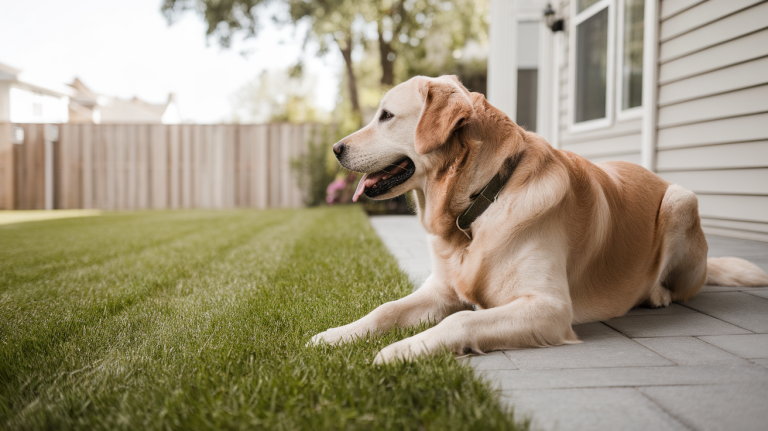
Image Source: randylemmon.com
The Importance of Lawn Care for Your Canine Companion
When you’re thinking about how to make your lawn look its best, it’s easy to focus on vibrant green grass. But if you have a furry friend who loves to roam, dig, and lounge in the yard, dog lawn care takes on a whole new meaning. Your pets are an integral part of your family, and their safety should be a top priority. This means carefully considering any treatments you apply to your lawn, especially fertilizers.
Decoding Fertilizer Types and Their Impact on Pets
Not all fertilizers are created equal, and their composition significantly influences how long you need to keep your dog off the treated area.
Chemical Fertilizers and Pets: A Potential Hazard
Chemical fertilizer and pets can be a risky combination if proper precautions aren’t taken. These fertilizers often contain concentrated nutrients like nitrogen, phosphorus, and potassium, along with other chemicals designed to promote plant growth. While beneficial for your grass, these ingredients can be harmful if ingested by your dog.
- Ingestion Risks: Dogs might chew on treated grass blades or lick the soil, ingesting the fertilizer. This can lead to stomach upset, vomiting, diarrhea, and in severe cases, more serious health issues.
- Absorption Through Paws: While less common, some chemicals can be absorbed through a dog’s paw pads, especially if the paws are moist or have cuts.
Organic Fertilizers: A Safer Alternative?
Organic fertilizers are derived from natural sources like compost, manure, bone meal, or fish emulsion. Generally, they are considered safer for pets than chemical fertilizers. However, this doesn’t mean they are entirely risk-free.
- Digestive Issues: Even organic materials can cause digestive upset if consumed in large quantities. Some organic fertilizers, like those containing high amounts of blood meal or bone meal, can be particularly appealing to dogs and may lead to pancreatitis if eaten in large amounts.
- Drying Time: While the chemicals are less concerning, it’s still advisable to allow organic fertilizers to dry or settle into the soil before letting your dog back on the lawn.
Fertilizer Toxicity: What You Need to Know
Fertilizer toxicity in dogs is a real concern. The symptoms can range from mild to severe, and prompt action is crucial if you suspect your dog has ingested fertilizer.
Common Symptoms of Fertilizer Ingestion
If your dog has encountered fertilized grass, watch out for these signs:
- Vomiting
- Diarrhea
- Excessive drooling
- Lethargy
- Loss of appetite
- Abdominal pain
- Staggering or incoordination (in severe cases)
- Burns or irritation around the mouth or on the paws
What to Do in Case of Ingestion
If you believe your dog has eaten fertilizer:
- Contact Your Veterinarian Immediately: Have the fertilizer packaging handy. The information on the label will be vital for your vet to determine the specific chemicals and potential toxicity.
- Do Not Induce Vomiting Unless Instructed: Some fertilizers can cause more harm coming back up. Follow your vet’s advice.
- Rinse Your Dog’s Mouth: If the ingestion just happened, gently rinse your dog’s mouth with water to remove any lingering residue.
- Keep Your Dog Hydrated: Offer fresh water.
Post-Fertilization Guidelines: Keeping Your Yard Safe
Following post-fertilization guidelines is key to ensuring your dog’s well-being while maintaining a healthy lawn.
The Crucial Waiting Period Explained
So, how long exactly should you keep your dog off the lawn after fertilizing? The answer is nuanced, but a general rule of thumb applies:
- Chemical Fertilizers: Wait at least 24 to 72 hours. Many experts recommend closer to 5 to 7 days, or until the granules have completely dissolved and the lawn has been watered. This ensures that the fertilizer has been absorbed into the soil and is no longer readily available for ingestion or contact.
- Organic Fertilizers: While often safer, it’s still wise to wait 24 hours. This allows the material to settle and dry, reducing the chance of your dog ingesting large amounts.
Factors Influencing the Waiting Time
Several factors can influence how long you need to keep your dog off the treated grass:
- Type of Fertilizer: As discussed, chemical fertilizers require longer waiting periods than organic ones.
- Application Method: Granular fertilizers need time to dissolve. Liquid fertilizers may dry faster but can still pose a risk if not fully absorbed.
- Weather Conditions: Rain can help wash fertilizer into the soil faster, potentially shortening the waiting time, but only if the fertilizer manufacturer’s instructions allow for it. Dry, sunny weather might mean the fertilizer stays on the surface longer.
- Dog’s Behavior: If your dog is a notorious grass-eater or digger, erring on the side of caution with a longer waiting period is always a good idea.
Lawn Treatment Precautions for Pet Owners
Taking lawn treatment precautions is essential for creating a safe outdoor environment for your pets.
Choosing Safe Lawn Chemicals
When selecting lawn products, always prioritize safe lawn chemicals that are specifically labeled as safe for pets. Look for:
- Pet-Friendly Formulations: Many brands offer fertilizers and weed killers designed with pets in mind.
- Natural or Organic Options: These are generally the safest choices.
- Read Labels Carefully: Always read and follow the product’s instructions for application and waiting periods. Pay close attention to any warnings regarding pets or children.
Application Best Practices
- Apply When Pets Are Indoors: If possible, fertilize when your dogs are inside and will remain indoors until the lawn is safe.
- Spot Treatment: For smaller areas or specific issues, consider spot treatment instead of broadcasting fertilizer over the entire lawn.
- Watering In: If the fertilizer instructions recommend watering it in, do so thoroughly. This helps it absorb into the soil and reduces surface residue. However, ensure the lawn has dried before allowing pets back on it, as some fertilizers can be drawn to moisture.
Walking Dog After Fertilizing: A Critical Consideration
The question of walking dog after fertilizing is a common one among pet owners. Directly walking your dog on freshly fertilized grass can expose them to the very risks you are trying to avoid.
Avoiding Direct Contact
- Leash Control: Keep your dog on a leash and steer them away from treated areas.
- Alternative Routes: If your regular walking route includes fertilized lawns, find an alternative for a few days. Parks or trails that are not actively being treated can be good options.
- Paw Wipes: Consider keeping pet-friendly paw wipes near your door. After a walk, especially if you suspect they may have come into contact with treated grass, wiping their paws can remove any residual chemicals.
When is it Safe to Resume Normal Walks?
It’s safe to resume normal walks once the waiting period recommended by the fertilizer manufacturer has passed and the lawn appears dry and free of visible granules or residue. If you are unsure, it’s always better to wait a little longer.
Keeping Dogs Off Treated Grass: Effective Strategies
Keeping dogs off treated grass requires a combination of awareness and proactive measures.
Physical Barriers and Deterrents
- Temporary Fencing: Using temporary fencing or even garden stakes with brightly colored flagging can create a visual and physical barrier.
- Pet Deterrents: While not a foolproof method, some pet deterrents can be used. These might include motion-activated sprinklers (though this requires caution to avoid overwatering) or commercially available, non-toxic deterrent sprays. However, these are often less effective for determined dogs.
Training and Reinforcement
- “Leave It” Command: A well-trained “leave it” command can be invaluable. Practice this command regularly with your dog in various situations, especially around tempting lawn areas.
- Positive Reinforcement: Reward your dog for staying away from treated areas or for coming when called away from them.
Alternatives to Chemical Fertilizers for Dog Owners
For those who want to maintain a beautiful lawn without compromising their dog’s health, there are excellent alternatives.
Natural Fertilization Methods
- Composting: Homemade compost is a fantastic, safe fertilizer.
- Grasscycling: Leaving grass clippings on the lawn after mowing returns nutrients to the soil naturally.
- Manure-Based Fertilizers: Ensure they are well-composted to avoid any harmful bacteria or excessive nitrogen.
- Seaweed and Fish Emulsions: These offer a nutrient boost and are generally safe once dry.
Specialty Pet-Friendly Fertilizers
Many companies now produce fertilizers specifically marketed as safe for pets. These often use slower-release nutrient systems and fewer harsh chemicals. Always verify the “pet-friendly” claims and read the labels.
Navigating Seasonal Lawn Care with Pets
Lawn care isn’t just a spring or summer activity. Fall and winter also have their own lawn treatment precautions to consider.
Fall Fertilization
Fall is a crucial time for lawn fertilization to help grass roots grow and store energy for the winter.
- Timing: Apply fall fertilizers according to local recommendations, typically in early fall.
- Waiting Periods: Adhere to the same waiting periods as with spring applications.
- Leaf Litter: Ensure you rake up fallen leaves, as they can smother the grass and hide treated areas.
Winterizing Your Lawn Safely
Winterizing often involves applying specific treatments to protect the lawn over the colder months.
- Product Choice: Opt for products specifically designed for winterizing and check their pet safety ratings.
- Visibility: Be mindful of any treatments that might leave a residue or color, which could be more visible and tempting to dogs in a less vibrant winter landscape.
The Environmental Impact of Fertilizers and Pet Safety
It’s worth noting that the impact of fertilizers extends beyond our pets to the broader environment. Over-application of synthetic fertilizers can lead to water pollution and harm beneficial soil organisms. Choosing organic and sustainable dog lawn care practices benefits both your pet and the planet.
When to Consider Professional Lawn Care
If you are unsure about the best approach or the safety of certain products, consider hiring a professional lawn care service.
Questions to Ask a Professional
When discussing your lawn with a professional, be sure to ask:
- What type of fertilizer do you use?
- Are your products safe for pets?
- What is the recommended waiting period before pets can access the lawn?
- Do you offer organic or pet-friendly treatment options?
Frequently Asked Questions About Fertilizers and Dogs
Q1: Can my dog get sick from walking on fertilized grass?
A1: Yes, your dog can get sick if they ingest fertilized grass or lick their paws after walking on it. Symptoms can range from mild digestive upset to more severe issues depending on the type and amount of fertilizer consumed.
Q2: What is the safest type of fertilizer for my dog?
A2: Organic fertilizers are generally considered safer than chemical fertilizers. However, even organic options should be applied with caution, and pets should be kept off the lawn until the product has settled into the soil.
Q3: How do I know if my dog ate fertilizer?
A3: Signs of fertilizer ingestion include vomiting, diarrhea, lethargy, excessive drooling, and abdominal pain. If you suspect your dog has eaten fertilizer, contact your veterinarian immediately.
Q4: Are slow-release fertilizers safer for dogs?
A4: Slow-release fertilizers are typically formulated to release nutrients gradually, which can reduce the immediate risk of ingestion compared to quick-release formulas. However, they still require careful adherence to waiting periods and product instructions.
Q5: Can I use pet deterrents on my lawn after fertilizing?
A5: While some pet deterrents exist, their effectiveness can vary. It’s more reliable to focus on physical barriers and strict adherence to waiting periods. Ensure any deterrent used is non-toxic to pets.
Q6: How long should I wait before letting my dog swim in a pool treated with chemicals?
A6: While this is about lawn fertilizer, for pool chemicals, always follow the pool chemical manufacturer’s instructions regarding pet access after treatment. Typically, it’s best to wait until the water chemistry has stabilized and the chemicals have dispersed.
Q7: What if my dog licked the fertilizer off its paws?
A7: If your dog licks fertilizer off its paws, monitor them closely for any signs of distress or illness. If you notice any unusual symptoms, contact your veterinarian.
By following these guidelines and prioritizing fertilizer safety, you can ensure that your lawn treatments contribute to a beautiful yard without jeopardizing the health and happiness of your beloved canine companions. Always remember that diligence and a proactive approach are your best allies in dog lawn care.