
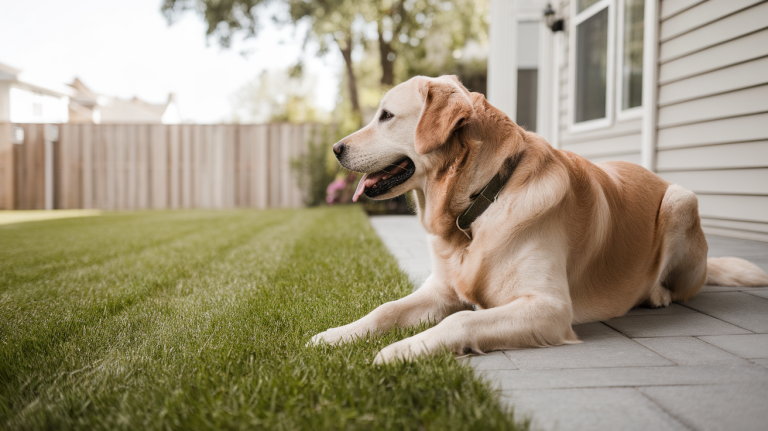
Image Source: randylemmon.com
How Long To Keep Dogs Off Fertilized Lawn Safely
What is the safe waiting period for dogs after lawn fertilization? Generally, it’s recommended to keep dogs off a fertilized lawn for at least 24 to 72 hours after application, especially if chemical fertilizers are used. However, this can vary significantly based on the type of fertilizer and its ingredients.
Lawn care often involves fertilizing to ensure lush, green grass. But for dog owners, this presents a common dilemma: How long to keep dogs off fertilized lawn safely? The health and well-being of our canine companions are paramount, and understanding the risks associated with dog lawn chemicals is crucial for responsible pet ownership and effective lawn care safety. This guide delves into the specifics of fertilizer safety for pets, providing clear answers and actionable advice.
Deciphering Fertilizer Labels and Ingredients
Not all fertilizers are created equal, and this is especially true when it comes to dog toxicity. Different grass fertilizer types contain varying chemical compounds. Some are organic and generally safer, while others are synthetic and pose greater risks.
Common Fertilizer Components and Their Impact on Dogs
- Nitrogen (N): Essential for green growth. High concentrations can cause digestive upset if ingested.
- Phosphorus (P): Important for root development. Ingesting large amounts can lead to gastrointestinal distress.
- Potassium (K): Aids in overall plant health. Generally less of a concern for dogs than other components.
- Herbicides and Pesticides: Often mixed with fertilizers. These are the most dangerous components for pets and can cause severe health issues, including organ damage and neurological problems.
Understanding “Pet-Friendly” Fertilizers
The term pet-friendly fertilizer can be appealing, but it’s important to know what it signifies.
* Organic Fertilizers: Derived from natural sources like compost, manure, bone meal, or feather meal. While generally safer, excessive ingestion can still cause mild digestive upset due to their nutrient content.
* Slow-Release Fertilizers: These release nutrients gradually, reducing the risk of immediate high concentrations. However, they still contain chemicals and require a waiting period.
* Natural Fertilizers: These often rely on natural ingredients but can sometimes include added chemicals for specific purposes. Always check the label.
The Post-Fertilization Waiting Period: Why It Matters
The primary reason for keeping dogs off a freshly fertilized lawn is to allow the fertilizer to be absorbed by the soil and grass. This post-fertilization waiting period minimizes direct contact and the potential for avoid pet ingestion.
Factors Influencing the Waiting Period
- Fertilizer Type: Organic fertilizers typically require a shorter waiting period than synthetic ones.
- Application Method: Granular fertilizers need time to dissolve. Liquid fertilizers may dry faster but can still leave residue.
- Weather Conditions: Rain can help dissolve and wash fertilizer into the soil, potentially shortening the waiting period. However, applying fertilizer before heavy rain can wash it away, reducing its effectiveness. Dry, windy conditions can lead to fertilizer blowing onto unintended areas or being inhaled by pets.
- Concentration: Higher concentrations of chemicals necessitate a longer waiting period.
Risks of Early Exposure
Allowing dogs onto a fertilized lawn too soon can lead to various health problems:
- Ingestion: Dogs are prone to licking their paws and coats, which can result in them ingesting fertilizer residue. They might also chew on treated grass blades.
- Skin Irritation: Direct contact with certain chemicals can cause skin irritation, redness, or burns on a dog’s paws, belly, or nose.
- Gastrointestinal Upset: Vomiting, diarrhea, and loss of appetite are common symptoms of ingesting fertilizer.
- More Severe Toxicity: Ingesting fertilizers containing herbicides, pesticides, or heavy metals can lead to serious health issues, including organ damage, seizures, or even death. This is a critical aspect of chemical exposure dogs face.
Establishing a Safe Lawn Care Routine for Pet Owners
Implementing a consistent and informed approach to lawn care is key to keeping your furry friends safe.
Lawn Treatment Precautions for Dog Owners
- Choose Fertilizers Wisely: Opt for organic or certified pet-friendly fertilizer options whenever possible. Always read product labels carefully and research ingredients.
- Follow Application Instructions: Adhere strictly to the manufacturer’s instructions for application rates and methods. Over-application increases the risk.
- Minimize Pet Access During Application: Ensure your dogs are indoors or in a separate, enclosed area while you are applying fertilizer.
- Observe the Recommended Waiting Period: Never let your dog back onto the lawn before the recommended post-fertilization waiting period has passed. This is your most important safeguard.
- Water Thoroughly (If Recommended): Some fertilizers require watering after application to help them dissolve and penetrate the soil. Check the product label.
- Clean Up Spills Immediately: If you spill any fertilizer, clean it up thoroughly to prevent accidental ingestion.
- Consider Alternative Lawn Care: Explore options like natural lawn care, clover lawns, or reducing lawn size to minimize the need for chemical treatments.
What to Do if Your Dog Ingests Fertilizer
If you suspect your dog has ingested fertilizer, act quickly:
- Remove Them from the Area: Immediately get your dog away from the fertilized lawn.
- Prevent Further Ingestion: If there’s residue on their paws or fur, gently wipe them with a damp cloth or rinse their paws.
- Contact Your Veterinarian or Pet Poison Helpline: This is the most crucial step. Have the fertilizer product label or a description of the ingredients ready. They can provide specific advice and determine if veterinary attention is needed.
Recommended Waiting Periods Based on Fertilizer Type
While a general guideline of 24-72 hours exists, it’s helpful to break down the post-fertilization waiting period based on common grass fertilizer types.
| Fertilizer Type | Typical Waiting Period (Dogs) | Important Notes |
|---|---|---|
| Organic Fertilizers | 12-24 hours | Generally safer, but large amounts can still cause mild digestive upset. Ensure they are fully dry. |
| Synthetic Fertilizers | 24-72 hours | Contain a mix of nutrients and potentially other chemicals. The waiting period allows for absorption into the soil. |
| Fertilizers with Herbicides | 72 hours or more | Herbicides are toxic to dogs. Always check the label for specific waiting instructions and the presence of weed killers. |
| Fertilizers with Insecticides | 72 hours or more | Insecticides can also be dangerous. Follow the product’s guidelines for pet safety and waiting periods rigorously. |
| Slow-Release Fertilizers | 24-48 hours | While designed to release nutrients slowly, a waiting period is still necessary to allow for initial dissolution and soil penetration. |
| Liquid Fertilizers | 24-48 hours | Ensure the lawn is completely dry before allowing pets access. Some liquid formulations may dry faster, but always err on the side of caution. |
Important Note: These are general guidelines. Always refer to the specific product label for the most accurate and safe waiting period. The presence of additional chemicals like weed killers or insecticides significantly increases the required waiting time and potential risks of chemical exposure dogs might face.
Preventing Accidental Ingestion: Proactive Measures
Beyond just waiting, several lawn treatment precautions can further safeguard your pets.
Smart Lawn Watering Practices
- Watering after Fertilizing: If the fertilizer instructions recommend watering, do so thoroughly. This helps wash granules into the soil, reducing surface residue.
- Avoid Watering Before Fertilizing: Applying fertilizer to a wet lawn can cause it to clump and not spread evenly, leading to uneven fertilization and potential over-application in some areas.
Creating Pet-Safe Zones
- Temporary Fencing: For particularly sensitive lawns or if you’re using a stronger chemical treatment, consider using temporary fencing or barriers to block off the lawn area.
- Designated Potty Areas: If possible, have a designated potty area for your dog that is separate from the main lawn during treatment periods.
Educating Family Members
Ensure all household members are aware of the fertilization schedule and the importance of keeping pets off the lawn. This includes children who might not fully grasp the risks.
When to Consider Alternatives to Chemical Fertilizers
For pet owners who are constantly worried about dog toxicity, exploring alternatives is a wise move.
The Benefits of Organic and Natural Lawn Care
- Reduced Chemical Load: Minimizes exposure to potentially harmful chemicals for both pets and humans.
- Improved Soil Health: Organic matter enriches the soil over time, leading to a healthier lawn.
- Safer for Wildlife: Beneficial insects and other garden creatures are less likely to be harmed.
Popular Organic Fertilization Options
- Compost: Decomposed organic matter that adds nutrients and improves soil structure.
- Manure: Well-rotted animal manure is a rich source of nutrients. Ensure it’s fully composted to avoid burning plants or spreading pathogens.
- Cover Crops: Planting legumes or other nitrogen-fixing plants can naturally enrich the soil.
- Commercial Organic Fertilizers: Many brands offer certified organic fertilizers made from natural sources.
Frequently Asked Questions (FAQ)
Q1: Can my dog get sick from just walking on a fertilized lawn?
A1: Yes, they can. Even walking on it can cause irritation to paws and skin. If they lick their paws or coat afterward, they can ingest the fertilizer.
Q2: What are the symptoms of fertilizer poisoning in dogs?
A2: Symptoms can include vomiting, diarrhea, lethargy, drooling, loss of appetite, abdominal pain, and in severe cases, seizures or respiratory distress.
Q3: If I use a “pet-friendly” fertilizer, do I still need a waiting period?
A3: Yes. While “pet-friendly” implies lower risk, it doesn’t mean zero risk. A waiting period is still advisable to allow the product to be absorbed and minimize contact. Always check the product label for specific instructions.
Q4: What if it rains shortly after fertilizing? Does that negate the need for a waiting period?
A4: Rain can help wash fertilizer into the soil, which is generally good. However, it can also wash fertilizer off grass blades and potentially create puddles of concentrated solution. It’s still best to observe the recommended waiting period to be safe.
Q5: My dog ate a small clump of fertilizer. What should I do?
A5: Contact your veterinarian or a pet poison control center immediately. Have the product information ready. Do not try to induce vomiting unless advised by a professional.
Q6: Is it safe to let my dog out on the lawn while I am applying fertilizer if they stay on the sidewalk?
A6: It is strongly discouraged. Fertilizer can easily be tracked onto sidewalks or carried by wind. It’s safest to keep pets completely away from the application area.
Q7: How often should I fertilize my lawn?
A7: The frequency depends on your grass type, soil condition, and climate. Generally, fertilizing 1-4 times a year is sufficient. Over-fertilizing can be harmful to your lawn and increase risks for pets.
Q8: Are there any natural ways to deter pests without using insecticides mixed with fertilizer?
A8: Yes. Companion planting, introducing beneficial insects, using natural repellents like diatomaceous earth, or maintaining a healthy lawn that resists pests are all good alternatives.
By carefully selecting fertilizers, adhering to lawn treatment precautions, and observing the appropriate post-fertilization waiting period, you can maintain a beautiful lawn while ensuring the safety of your beloved canine companions. Prioritizing fertilizer safety means prioritizing your pet’s health and well-being. Remember, a little vigilance goes a long way in preventing dog toxicity and ensuring happy, healthy outdoor adventures for your furry family members.