
Image Source: greenpal-production.s3.amazonaws.com
How Long To Mow Lawn: Factors Explained
How long does it take to mow a yard? The time it takes to mow a yard varies greatly, but for a typical residential lawn of about a quarter-acre, it usually takes between 30 minutes and an hour. This blog post will dive deep into the various factors that influence lawn mowing time, helping you estimate how long to cut grass for your specific needs. We’ll explore everything from the size of your lawn to the type of mower you use, and even discuss resources like a time to mow lawn calculator.
Deciphering Lawn Mowing Duration: Key Influences
When you’re wondering about how long to mow lawn, it’s crucial to grasp that there isn’t a single, universal answer. Several elements play a significant role in determining your lawn mowing duration. Let’s break down these influential factors.
Size of Your Lawn: The Primary Driver
The most obvious factor influencing how long to mow lawn is the sheer size of the area you need to cut. A larger lawn naturally requires more time and effort. We often talk about lawn mowing time per acre, and this gives a good baseline.
- Small Lawns (e.g., under 0.25 acres): These can often be mowed in 15-30 minutes.
- Medium Lawns (e.g., 0.25 to 0.5 acres): Expect around 30-60 minutes.
- Large Lawns (e.g., 0.5 to 1 acre): This could take 1-2 hours or more.
- Very Large Lawns (e.g., over 1 acre): You might be looking at several hours, potentially requiring multiple sessions or specialized equipment.
The average lawn mowing time is often cited for a typical suburban quarter-acre lot, which provides a useful reference point. However, individual circumstances will always differ.
Type of Mower: Efficiency and Speed
The equipment you use significantly impacts how long to cut grass. Different mower types have varying cutting widths and maneuverability, directly affecting your lawn mowing duration.
Push Mowers: The Traditional Approach
- Pros: Affordable, good for smaller, flat yards, provides exercise.
- Cons: Slower, more physically demanding, especially on larger or sloped lawns.
- Estimated Time: For a quarter-acre yard, a push mower might take 45-75 minutes.
Self-Propelled Mowers: Easing the Effort
- Pros: Reduces physical strain, moves at a consistent pace, good for moderate slopes.
- Cons: More expensive than basic push mowers.
- Estimated Time: These can shave off 10-20 minutes from push mower times on a quarter-acre lot, bringing it to 30-55 minutes.
Riding Mowers: For Larger Estates
- Pros: Significantly faster for large areas, less physically demanding.
- Cons: Higher cost, requires storage space, less maneuverable in tight spots.
- Estimated Time: A riding mower can cut a full acre in as little as 30-60 minutes, depending on the mower’s deck size and your yard’s complexity.
Robotic Mowers: The Automated Solution
- Pros: Automates the process, keeps lawn consistently trimmed, minimal user intervention.
- Cons: High initial cost, requires proper setup and perimeter wiring, not suitable for very complex or heavily obstructed yards.
- Estimated Time: While the initial setup takes time, the ongoing lawn mowing duration for a robotic mower is spread across multiple, short mowing sessions throughout the week. This means you won’t have a single, long mowing session.
Terrain and Obstacles: Navigating the Landscape
The shape and features of your lawn play a crucial role in how long to mow lawn.
- Flat, Open Lawns: These are the quickest to mow. You can maintain a consistent speed and cover ground efficiently.
- Sloped Lawns: Mowing on hills requires more effort and can slow you down, especially if you’re using a push mower. You might need to adjust your mowing pattern to safely navigate slopes.
- Irregularly Shaped Lawns: Yards with many curves, flower beds, trees, or other obstacles will naturally take longer. You’ll spend more time maneuvering around these features, reducing your overall speed.
- Obstacle Density: The more trees, garden beds, patios, or other obstructions you have, the more time you’ll spend starting and stopping, turning, and carefully trimming around edges. This can significantly increase your lawn mowing duration.
Grass Type and Height: The Nature of the Growth
The type of grass and how tall it is when you mow also influence the time to mow lawn.
- Tall Grass: Mowing very tall grass often requires multiple passes or a mower with a higher power setting. It can also clog your mower more easily, requiring frequent stops to clear the deck. This increases your lawn mowing time.
- Dense Grass: Thick, dense turf can put more strain on your mower’s engine, potentially slowing down your progress.
- Fine Fescues vs. St. Augustine: Some grasses are naturally more dense and grow faster than others, affecting how often and how long you need to mow.
Mowing Pattern and Strategy: Efficient Techniques
Your approach to mowing can also impact how long to cut grass.
- Overlap: Ensuring adequate overlap between passes is important for a clean cut, but excessive overlap wastes time.
- Striping: While visually appealing, achieving perfect stripes can sometimes add a few extra minutes to your lawn mowing duration.
- Direction Changes: Alternating mowing directions each time can help prevent soil compaction and promote healthier grass growth, but it can also mean more turning and slower progress.
Mower Maintenance: A Well-Oiled Machine
A well-maintained mower operates more efficiently.
- Sharp Blades: Dull blades tear grass, requiring more power and slowing you down. Sharp blades cut cleanly and quickly.
- Clean Deck: A mower deck clogged with grass clippings reduces airflow and the mower’s ability to discharge clippings, forcing you to stop and clean it.
- Engine Health: A properly tuned engine runs smoothly and provides optimal power, contributing to a shorter lawn mowing time.
Weather Conditions: Nature’s Interruption
Even the best-laid plans can be thwarted by the weather.
- Heat and Humidity: Mowing in extreme heat can be dangerous. You might need to take more frequent breaks, increasing your overall lawn mowing duration.
- Wet Grass: Mowing wet grass is generally not recommended. It can clump, clog your mower, and lead to an uneven cut. Waiting for the grass to dry will impact your lawn mowing time.
- Wind: Strong winds can make mowing more difficult and even dangerous, especially if there are leaves or debris that can be blown around.
Estimating Your Lawn Mowing Time: Practical Approaches
So, how do you get a realistic estimate for how long to mow lawn? Here are some practical methods.
The Simple Calculation: A Starting Point
A basic way to estimate how long to cut grass is to consider the cutting width of your mower and the total area of your lawn.
- Cutting Width: This is the width of the strip of grass your mower cuts in a single pass. It’s usually listed on the mower’s specifications.
- Area: You need to know the square footage or acreage of your lawn.
Formula (Simplified):
Time = (Total Lawn Area / Cutting Width) / Average Mowing Speed
However, this formula is highly simplified because “Average Mowing Speed” is hard to quantify and doesn’t account for turns, obstacles, or emptying the bag.
Using a Time to Mow Lawn Calculator: Leveraging Technology
For a more precise estimate, you can find online time to mow lawn calculator tools. These often ask for:
- Your lawn’s square footage or acreage.
- The cutting width of your mower.
- The type of mower (push, riding, etc.).
- The general complexity of your yard (flat, hilly, many obstacles).
These calculators use more sophisticated algorithms to provide a better average lawn mowing time for your specific situation.
Practical Time Trials: The Most Accurate Method
The most accurate way to determine your lawn mowing duration is to time yourself.
- Measure Your Lawn: If you don’t know the exact size, use a measuring wheel or online mapping tools to get a good estimate of your lawn’s square footage or acreage.
- Mow Your Lawn: The next time you mow, use a stopwatch or the timer on your phone. Start the timer when you begin mowing and stop it when you finish the entire yard, including any trimming or edging you do concurrently.
- Record the Time: Note the total time it took.
- Consider Variables: Think about the conditions that day – was the grass tall? Was it hot? Were there any unusual interruptions?
- Repeat: Mow your lawn a few more times under different conditions and record the times. This will give you a range and a better average lawn mowing time.
This practical approach will give you the most reliable data for how long to mow lawn.
Breaking Down Factors Affecting Lawn Mowing Time
Let’s delve deeper into specific aspects that influence how long you spend on the task.
Mower Deck Size: The Width of Your Cut
The size of your mower’s cutting deck is a critical factor in lawn mowing time per acre. A wider deck means you cover more ground with each pass.
| Mower Type | Typical Cutting Width (Inches) | Impact on Time per Acre (General) |
|---|---|---|
| Push Mower | 20-22 | Longer |
| Self-Propelled | 21-22 | Moderate |
| Riding Mower (Lawn Tractor) | 42-50 | Shorter |
| Riding Mower (Zero-Turn) | 48-60+ | Much Shorter |
A zero-turn mower with a 60-inch deck, for example, can cover ground significantly faster than a 20-inch push mower on a large lawn. This is a key consideration when looking at how long to cut grass on a larger property.
Grass Clipping Management: Bagging vs. Mulching
How you handle grass clippings can affect your lawn mowing duration.
- Bagging: If you bag your clippings, you will need to stop periodically to empty the bag. The frequency of emptying depends on how tall the grass is and the size of your bagger. This adds to your lawn mowing time.
- Mulching: Mulching grass clippings back into the lawn is often more efficient as it avoids the need for stops to empty bags. However, you generally can’t mulch very tall or wet grass effectively, as it can clump and smother the turf.
- Side Discharge: This is often the quickest method, as clippings are simply thrown out the side. However, it can leave unsightly clumps if the grass is thick or long.
Trimming and Edging: The Finishing Touches
The time estimate for mowing often doesn’t include detailed trimming around beds, fences, or edges. If you factor in these tasks, your total lawn mowing duration will increase.
- String Trimmers: These are essential for reaching areas a mower can’t.
- Edgers: For crisp, clean lines along sidewalks and driveways.
When estimating how long to mow lawn, it’s wise to add 10-30 minutes for trimming and edging, depending on the complexity of your landscaping.
Your Mowing Pace: Speed vs. Precision
Everyone has a different natural pace. Some people prefer to take their time and focus on a clean, precise cut, while others prioritize speed. Your personal preference will influence your lawn mowing time.
Time of Day and Seasonality: Environmental Factors
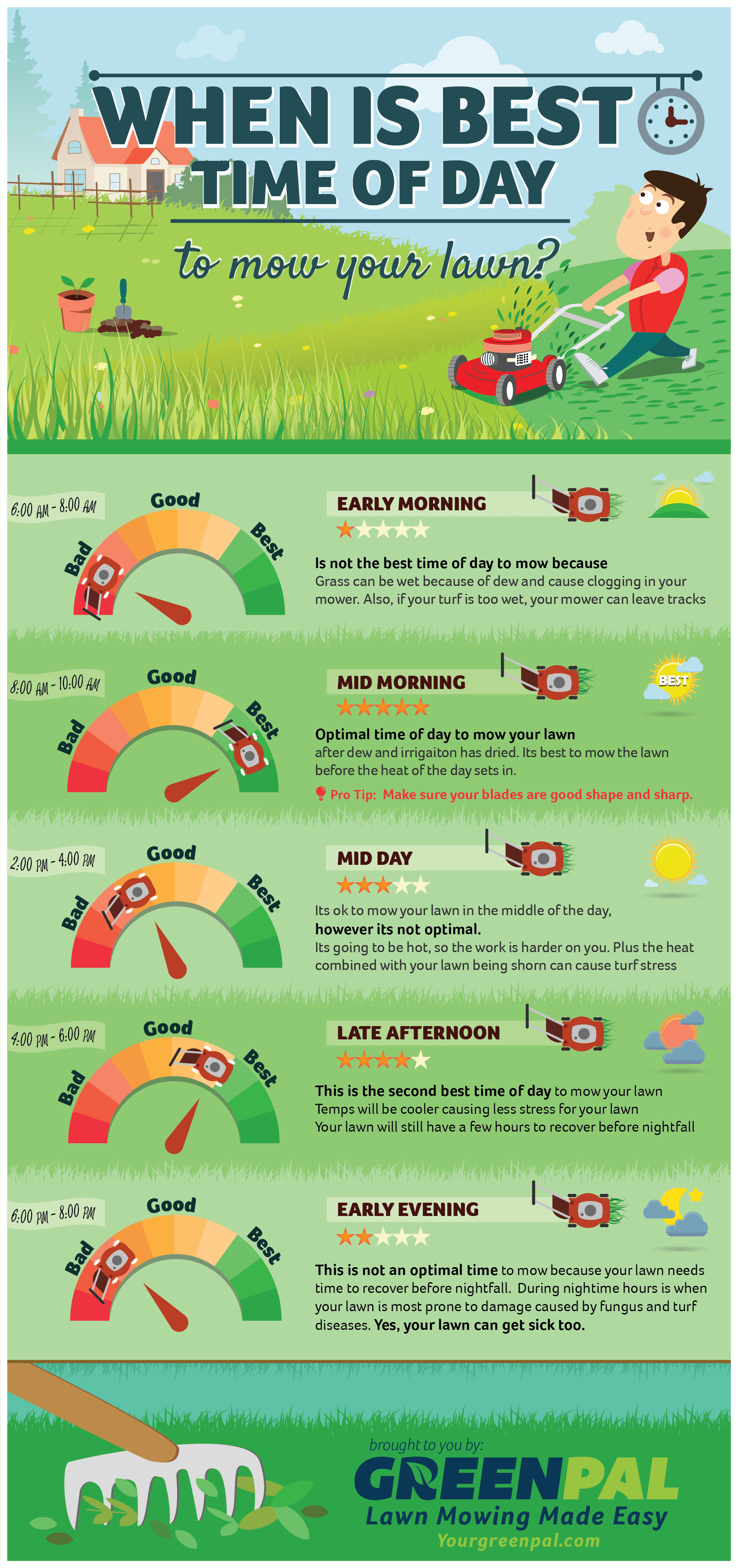
- Cooler Mornings/Evenings: Mowing during these times can be more comfortable and less draining, potentially allowing you to maintain a steadier pace.
- Peak Growing Season: During spring and early summer, grass grows rapidly, meaning you might need to mow more frequently, but the grass might be shorter and easier to cut, thus potentially shorter lawn mowing duration per session.
- Dormant Periods: In late fall or during droughts, grass growth slows, and you might mow less often, but the grass could be drier and more brittle.
Fathoming Your Lawn Mowing Time per Acre
To truly understand how long to mow lawn, thinking in terms of lawn mowing time per acre is incredibly helpful, especially for larger properties.
- Small Acreage (e.g., 0.5 acre):
- Push/Self-Propelled Mower: 1 to 2 hours
- Riding Mower (Lawn Tractor): 30 minutes to 1 hour
- Riding Mower (Zero-Turn): 20-40 minutes
- Medium Acreage (e.g., 1 acre):
- Push/Self-Propelled Mower: 2 to 4 hours (often impractical)
- Riding Mower (Lawn Tractor): 1 to 2 hours
- Riding Mower (Zero-Turn): 40 minutes to 1.5 hours
- Large Acreage (e.g., 2 acres):
- Riding Mower (Lawn Tractor): 2 to 4 hours
- Riding Mower (Zero-Turn): 1.5 to 3 hours
These are rough estimates. A zero-turn mower with a 60-inch deck on a 1-acre property with minimal obstacles could potentially finish in under 30 minutes, while a lawn tractor with a 42-inch deck might take closer to 1.5 hours. This highlights the importance of the mower’s deck size in the lawn mowing time per acre calculation.
Tips for Optimizing Your Lawn Mowing Time
To make mowing more efficient and reduce your lawn mowing duration, consider these tips:
- Regular Mowing: Don’t let your grass get too long. Mowing more frequently, even if it’s a lighter cut, is usually faster than tackling overgrown grass. Adhere to the “one-third rule” – never remove more than one-third of the grass blade height at a time.
- Maintain Your Mower: Keep blades sharp and the deck clean. Ensure your mower is in good working order.
- Plan Your Route: For complex yards, plan your mowing pattern beforehand to minimize backtracking and awkward turns. Start from the edges and work your way inward.
- Combine Tasks: If possible, do your trimming and edging at the same time you mow, or on a separate day if it makes more sense for your schedule.
- Delegate: If you have family members who can help, share the workload.
- Consider a Mower with a Wider Deck: If your yard is large enough to warrant it and your budget allows, investing in a mower with a wider cutting deck can significantly reduce your lawn mowing time.
- Keep Lawn Clear: Before you start, quickly walk your lawn and pick up any toys, branches, rocks, or other debris that could obstruct your mower or cause damage.
Frequently Asked Questions (FAQ)
Q1: What is the average lawn mowing time for a typical suburban yard?
A1: For a quarter-acre suburban yard, the average lawn mowing time is typically between 30 minutes and an hour.
Q2: How long does it take to mow an acre of grass?
A2: Mowing an acre can take anywhere from 30 minutes to over 2 hours, depending heavily on the type of mower used and the complexity of the terrain. A riding mower with a wide deck can do it much faster than a push mower.
Q3: Can a time to mow lawn calculator accurately predict how long it will take me?
A3: Yes, a time to mow lawn calculator can provide a good estimate by considering your lawn size, mower type, and yard complexity. However, personal mowing speed and specific lawn conditions can cause variations.
Q4: What factors affect lawn mowing time the most?
A4: The primary factors affecting lawn mowing time are the size of the lawn, the cutting width of your mower, the terrain and number of obstacles, and the type of grass.
Q5: How can I reduce my lawn mowing duration?
A5: You can reduce your lawn mowing duration by mowing more regularly, maintaining your mower with sharp blades, planning an efficient mowing pattern, and considering a mower with a wider cutting deck if you have a larger lawn.
Q6: Is there a difference in lawn mowing time per acre between different mower types?
A6: Absolutely. There is a significant difference in lawn mowing time per acre between different mower types. Riding mowers and zero-turn mowers are considerably faster per acre than push or self-propelled mowers.
Q7: Should I factor in trimming and edging when estimating how long to cut grass?
A7: Yes, it’s wise to factor in extra time for trimming and edging, as these tasks are essential for a well-maintained lawn but are not directly part of the mowing process itself. This can add an extra 10-30 minutes.
By considering these various elements, you can gain a clearer picture of how long to mow lawn and make your lawn care routine more efficient and predictable.