
The crucial question is: How long should you stay off your lawn after seeding? Generally, you should avoid walking on newly seeded areas for at least 4-6 weeks, or until the grass has been mowed at least twice. This period is vital for allowing the delicate grass seedlings to establish a strong root system, making them more resilient to foot traffic and other stresses.
Starting a new lawn from seed is an exciting endeavor. You envision lush, green carpets of grass. However, the journey from tiny seed to a robust lawn requires patience and careful management, especially in the initial stages. One of the most critical aspects of successful lawn establishment is understanding when it’s safe to let people, pets, and even yourself back onto the delicate new growth. Ignoring this can undo all your hard work, leading to patchy growth, weakened plants, and ultimately, disappointment.
This guide will delve into the essential factors that determine how long you need to keep off your newly seeded lawn, offering practical advice for protecting your investment and fostering healthy turf.
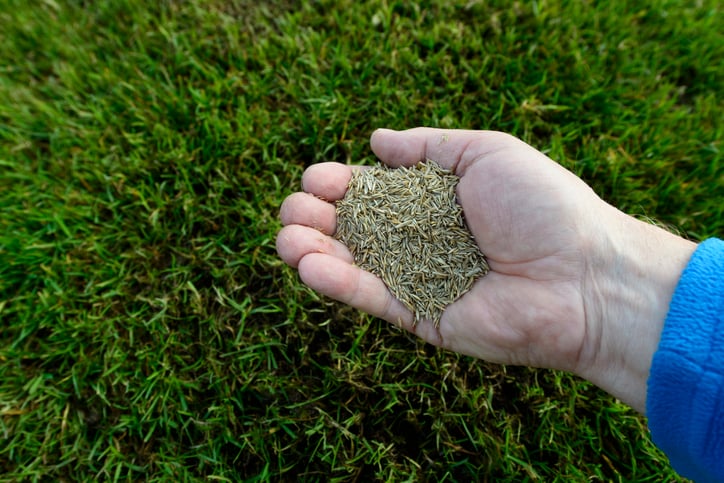
Image Source: blog.lushlawn.com
The Delicate Beginnings: Why Rest is Crucial
Newly sown grass seeds are incredibly vulnerable. When they germinate, they produce tiny shoots and root systems that are fragile and easily damaged. Think of them as newborns – they need a protected environment to grow strong.
Germination Period: The First Hurdle
The germination period is the time it takes for the seeds to sprout. This varies depending on the type of grass seed and environmental conditions. For many common cool-season grasses like fescue and ryegrass, germination can begin within 5-14 days. Warm-season grasses like Bermuda grass and zoysia may take longer, sometimes up to 21-30 days.
During this phase, the primary focus is moisture. Seeds need consistent soil moisture to trigger germination and support early growth. However, this is also when the lawn is most susceptible to physical damage.
Early Growth Stages: Fragile Roots
Once the seeds sprout, they send down tiny root hairs. These roots are essential for anchoring the plant and absorbing water and nutrients. However, they are still shallow and not yet strong enough to withstand the pressure of footsteps.
- Physical Damage: Even light pressure from feet can break these delicate root structures, hindering nutrient uptake and overall growth.
- Compaction: Foot traffic compacts the soil. Compacted soil reduces aeration and water penetration, making it harder for roots to grow deeper and stronger.
- Uprooting: In the very early stages, a footstep could literally pull the young grass out of the ground.
Lawn Establishment: Building Strength Over Time
Lawn establishment is the process by which the new grass develops into a mature, self-sustaining turf. This isn’t an overnight event; it’s a gradual process that involves developing a strong root system, increasing shoot density, and becoming more resilient.
The period after germination is critical for this development. By keeping traffic off the lawn, you allow the young grass to focus its energy on growing roots and shoots, rather than recovering from damage.
Factors Influencing the Waiting Period
The exact timeframe for staying off your new lawn isn’t a one-size-fits-all answer. Several factors play a significant role in determining how long you need to exercise caution.
Grass Type: Cool-Season vs. Warm-Season
The type of grass you’ve planted is a major determinant.
| Grass Type | Typical Germination Time | Recommended Rest Period (Approx.) | Notes |
|---|---|---|---|
| Cool-Season | 5-14 days | 4-6 weeks | Grows best in cooler temperatures. Early growth is rapid, but root systems can be shallower initially. Examples: Kentucky Bluegrass, Perennial Ryegrass, Fine Fescues, Tall Fescue. |
| Warm-Season | 10-30 days | 6-8 weeks | Grows best in warmer temperatures. Often has a deeper root system once established, but initial growth can be slower. Examples: Bermuda Grass, Zoysia Grass, St. Augustine Grass, Centipede Grass. |
| Annual Ryegrass | 4-7 days | 2-3 weeks | Fast germination and establishment, but typically used for temporary cover and will die off in hot weather. Less sensitive to traffic than perennial types once established. |
Cool-season grasses often germinate relatively quickly and show visible growth sooner. However, their initial root development might be slightly less robust than some warm-season varieties. This means they still require a significant period of rest to develop a sufficiently deep root system.
Warm-season grasses may take longer to germinate and establish, but once they do, they tend to develop strong, deep root systems. However, during their initial establishment phase, they are still vulnerable. The longer waiting period accounts for their slower start.
Environmental Conditions
The weather plays a crucial role in how quickly your lawn establishes.
- Temperature: Optimal temperatures for germination and growth will speed up the process. Too hot or too cold will slow it down.
- Sunlight: Adequate sunlight is essential for photosynthesis, which fuels growth.
- Water: Consistent moisture is paramount. Too little water stresses the seedlings; too much can lead to disease.
If conditions are ideal, your grass may establish faster, but this doesn’t necessarily shorten the recommended rest period. The focus remains on root development.
Seeding Method and Soil Preparation
- Seed-to-soil contact: Proper seed-to-soil contact is vital for germination. If seeds are just laid on top of thatch or mulch, they won’t establish well, regardless of traffic.
- Soil quality: Healthy, well-draining soil provides a better environment for root growth. Poor soil can lead to slower establishment.
- Overseeding vs. New Lawn: Overseeding an existing lawn where some grass is already present might allow for slightly earlier, very limited traffic, but new lawns require a full rest.
Mowing Frequency and Height
The first mow is a significant milestone. It indicates that the grass has grown tall enough to be cut. However, it’s crucial to mow correctly:
- Use a sharp mower blade: A dull blade will tear the grass, causing damage and stress.
- Mow high: Always mow at the higher end of the recommended height for your grass type. This encourages deeper root growth and shades out weeds.
- Never remove more than one-third of the blade: This is a golden rule for all mowing, but especially critical for new grass.
Waiting for the second mowing is often a good indicator that the grass is starting to thicken up and can handle a bit more stress.
Practical Guidelines for Traffic Restrictions
Traffic restrictions are paramount for protecting your investment. This means more than just avoiding walking on the lawn.
Foot Traffic: The Primary Concern
The most direct impact comes from foot traffic. Every step taken on a newly seeded lawn presses down on the soil and the fragile grass blades and roots.
- Light Foot Traffic: Even occasional walks can disrupt delicate root systems.
- Heavy Foot Traffic: Children playing, or adults walking across the lawn regularly, can cause significant damage, leading to bare patches and poor establishment.
Pet Restrictions: A Special Consideration
Pet restrictions are equally important, if not more so. Dogs, in particular, can wreak havoc on a new lawn.
- Urinating: Pet urine can burn and kill young grass.
- Digging: Even small dogs might try to dig, which will unearth or damage seedlings.
- Running and Playing: The concentrated activity of pets playing can cause the same damage as heavy foot traffic.
It’s best to keep pets completely off the newly seeded area until the grass is well-established and can withstand their activities. This might mean setting up temporary barriers.
Other Forms of Traffic
- Mowers: As mentioned, wait until the grass is tall enough.
- Garden Tools: Avoid dragging heavy tools or equipment across the lawn.
- Sprinklers: While essential for watering, try to avoid walking on the wet soil where sprinklers are operating.
Watering Your New Lawn: A Delicate Balance
A consistent watering schedule is critical for germination and early growth. This often means frequent, light watering.
Maintaining Soil Moisture
The goal is to keep the top inch of soil consistently moist but not waterlogged.
- Frequency: You may need to water lightly once or twice a day, depending on the weather.
- Duration: Short, frequent watering sessions are better than long, deep ones at this stage.
- Observation: Check the soil moisture by touching it. If it feels dry, it’s time to water.
Impact of Watering on Traffic
- Wet Soil: Newly watered soil is softer and more prone to compaction and damage. Avoid walking on the lawn immediately after watering, especially if the soil is saturated.
- Sprinkler Heads: Be mindful of sprinkler heads when walking. Stepping on them can cause damage or change the spray pattern, affecting watering consistency.
Signs Your Lawn is Ready for More Traffic
How do you know when the coast is clear? Look for these signs:
Visible Grass Density
The lawn should look and feel like a lawn, not just a collection of individual blades. This means good coverage and a thickening of the turf.
Consistent Height After Mowing
If you’ve mowed twice, and the grass is consistently holding its height between mowings, it’s a good sign of strong growth. The grass should be at least 3-4 inches tall when you mow it for the first time.
Deeper Root System (Indirect Indicator)
While you can’t directly see the roots, healthy, consistent growth above ground is an indicator of developing root systems. If the grass springs back quickly after being lightly brushed, it’s a positive sign.
Withstanding Light Stress Tests
You can perform very light “stress tests” as you approach the end of the recommended period. Gently brush a small area with your hand. If the grass springs back and doesn’t easily bend or break, it’s gaining resilience.
When to Seek Professional Advice
If you’re unsure about your lawn’s progress or have specific concerns, don’t hesitate to consult with local lawn care professionals or your county extension office. They can provide professional advice tailored to your specific grass type, climate, and soil conditions. They can assess the health of your new lawn and offer guidance on when it’s truly ready for regular use.
Frequently Asked Questions (FAQ)
Can I let my kids play on the new lawn?
It’s best to restrict children from playing on the new lawn for the first 4-6 weeks. Their energetic play can cause significant damage to the delicate grass and its developing root system.
Is it okay to walk across the lawn to get to the back of the yard?
Even brief walks can cause damage. Try to avoid crossing the new lawn altogether. If it’s absolutely necessary, walk very lightly and try to use a path that distributes your weight. However, a complete avoidance is the safest bet for at least 4-6 weeks.
My grass looks pretty green and thick. Can I go on it now?
Greenness and thickness above ground are good indicators, but the root system is the key. Even if it looks lush, the roots may still be shallow and vulnerable. It’s safer to wait until you’ve mowed the lawn at least twice at the appropriate height.
What about the dog? Can he go out for a quick potty break?
It’s ideal to keep pets off the lawn entirely for the first 4-6 weeks. Their urine can burn the young grass, and their paws can compact the soil and damage seedlings. If you must allow a very brief break, supervise them closely and clean up any waste immediately. Consider a temporary enclosure or alternative potty area for your pet.
How often should I be watering my newly seeded lawn?
Your watering schedule will depend on your climate and soil type. The goal is to keep the top inch of soil consistently moist but not soggy. This often means light watering once or twice a day for the first few weeks, especially during dry periods. Always adjust based on weather conditions and soil moisture checks.
When can I start mowing?
You should wait until the grass reaches about 3-4 inches in height. Use a sharp mower blade and set it to the highest setting recommended for your grass type. Never remove more than one-third of the grass blade in a single mowing.
Will overseeding an existing lawn be different?
When overseeding, some existing turf provides a bit of protection. However, the newly sown seeds and their young sprouts are still vulnerable. You should still limit foot traffic and pet restrictions on the overseeded areas for a similar duration, typically 3-4 weeks, or until the new grass is well-established and has been mowed a couple of times.
What if I see some weeds in my new lawn?
It’s tempting to pull weeds, but doing so can disturb the new grass. If weeds are few and far between, and you must remove them, do so very carefully by hand, trying not to disturb the surrounding soil or grass. Broadleaf weed killers should generally be avoided until the grass is more mature, usually after several mows and a few months of establishment.
By adhering to these guidelines and exercising patience, you significantly increase the chances of developing a beautiful, resilient, and long-lasting lawn from seed. Protecting your new grass during its critical establishment phase is the foundation for future lawn health.